What can affect your PSA result?
PSA results can be affected by ejaculation, anal sex or prostate stimulation, vigorous exercise, cycling, urine infection, recent prostate or bladder procedures, catheter use, biopsy and some medicines. Eating and drinking are not the problem. Good PSA test preparation separates brief avoidances from clinical issues that need timing and review.
A prostate specific antigen test, usually called a PSA blood test, checks the level of prostate specific antigen in your blood. Higher levels can point to a prostate condition, including prostate enlargement or prostate cancer, but the number needs clinical context.
The main factors that affect PSA levels include:
- Ejaculation shortly before the test.
- Anal sex or direct prostate stimulation.
- Vigorous exercise, especially exercise that leaves you out of breath.
- Cycling, including a commute to the appointment.
- A recent urine infection.
- A recent prostate biopsy, bladder procedure or prostate procedure.
- A urinary catheter.
- Medicines that change PSA levels, including some treatments for enlarged prostate.
Food is different. You can eat and drink as normal before a PSA test, so preparation is about avoiding the right triggers and disclosing the right clinical history.
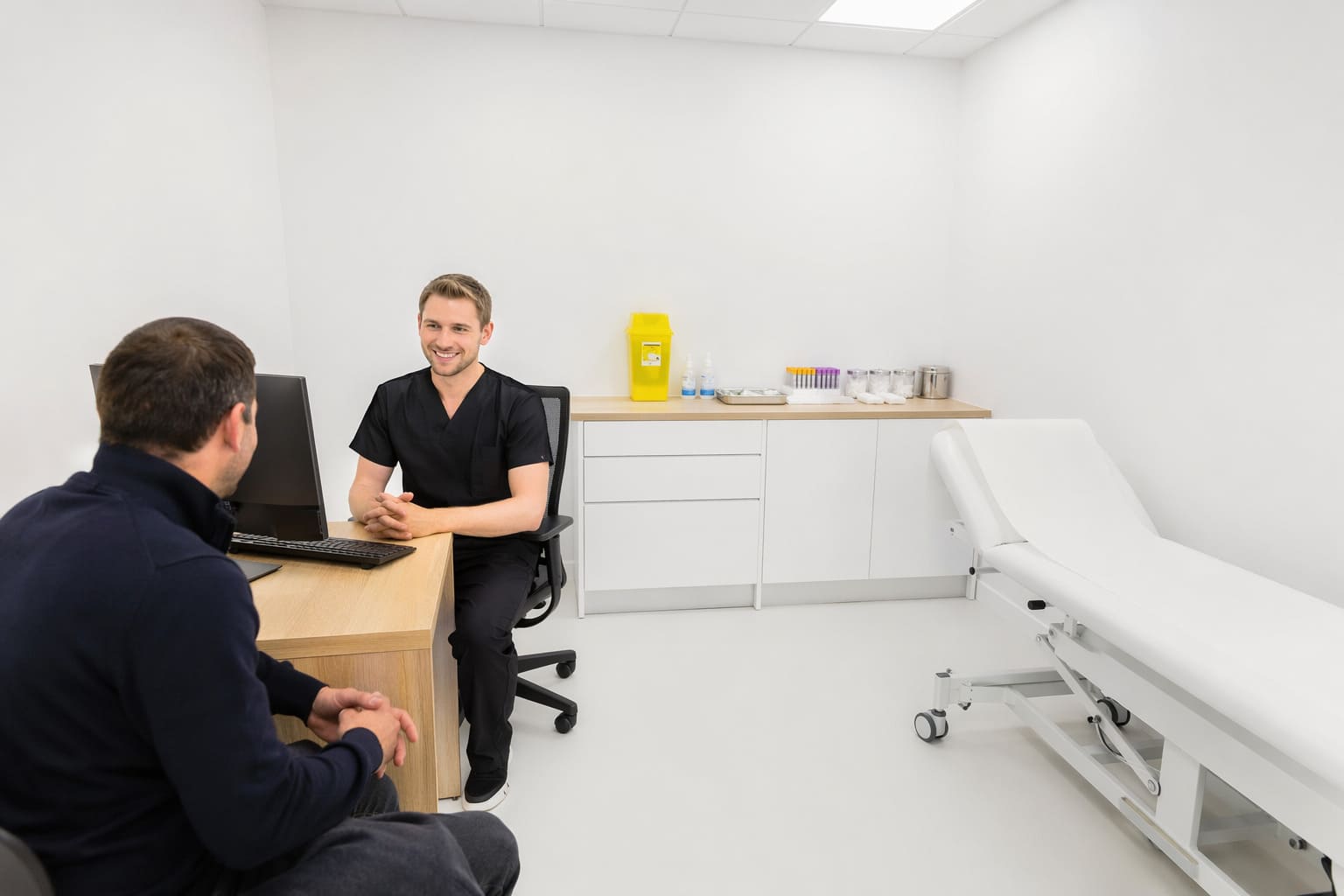
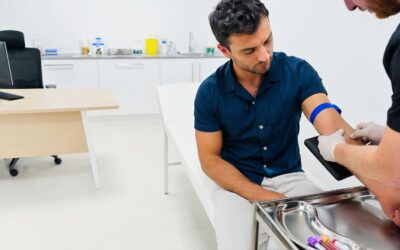
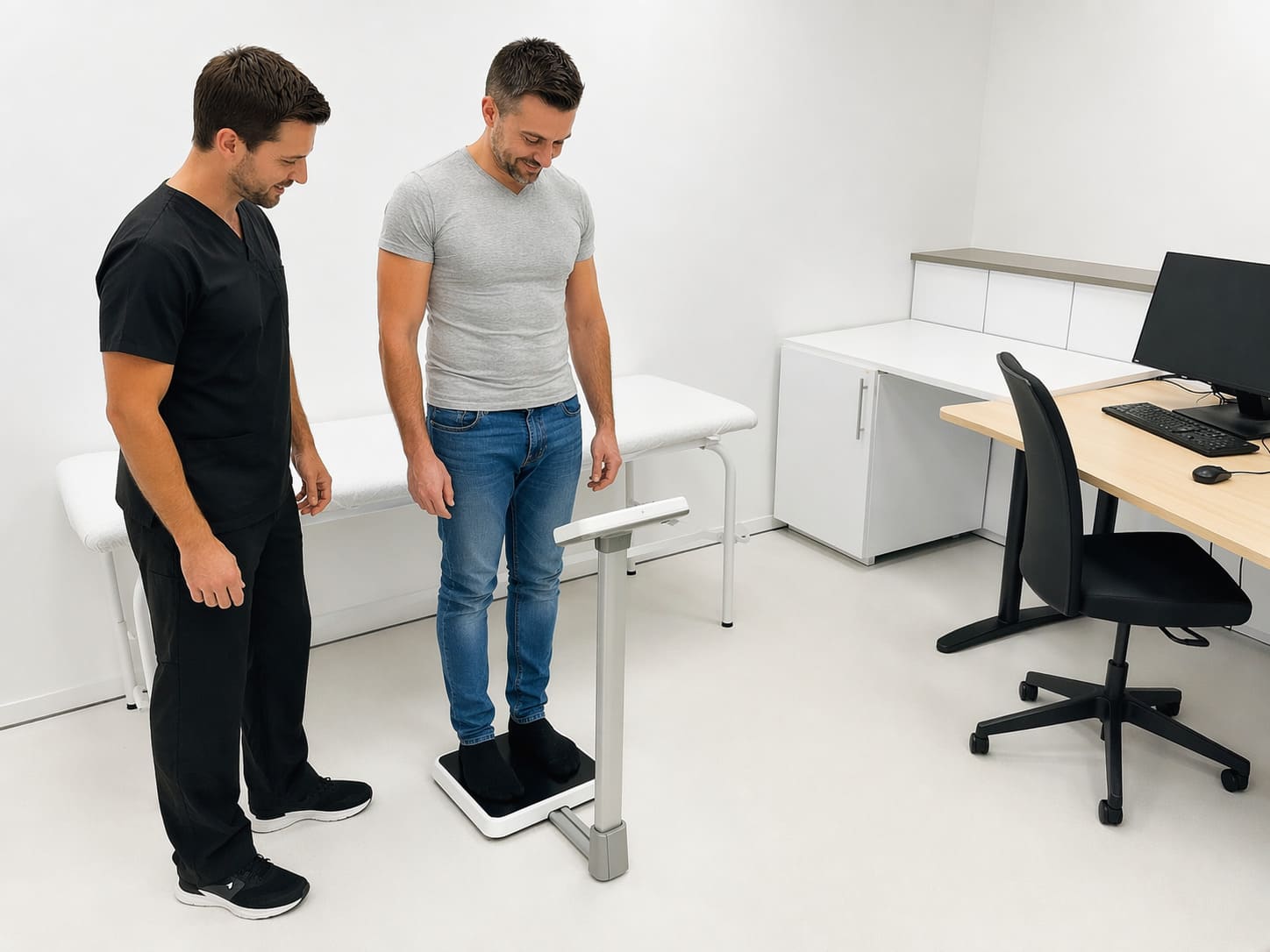
Men’s Health – Men’s Blood Test Room – Illustrative Image
What Is In This Article
The 48-hour rules cover the common avoidable factors
The short-term PSA rules are mainly about things that may temporarily raise the result. NHS advice says that for 48 hours before a PSA test you should avoid ejaculation, anal sex, breathless exercise and cycling.
That matters in real life, not just in a leaflet. A gym session after work, a run before the office or a bike ride into the City of London can land too close to the blood draw. If you are booking around meetings near Liverpool Street, Bank or London Wall, the cleanest plan is to choose a slot that does not follow those activities.
Change those behaviours and keep food and drink normal. Fasting is not required, and skipping breakfast does not make the PSA result cleaner. Future Care Medical frames PSA testing this way because a fast blood test has limited value if the pre-test conditions have already made the number harder to read.
The bigger timing issues need disclosure, not guesswork
Some PSA factors are not simple 48-hour issues. A urine infection, catheter, biopsy or recent bladder or prostate procedure can affect timing enough that the clinician needs to know before the blood is taken.
Using current NHS and Prostate Cancer UK advice, this comparison separates brief avoidances from factors that may need a longer gap.
| Factor | Why it matters | What to do |
|---|---|---|
| Recent urine infection | It can affect PSA results after symptoms have settled. | NHS advice is to wait 4 to 6 weeks after the infection has cleared. |
| Anal sex or prostate stimulation | Direct stimulation may raise PSA for longer than ejaculation alone. | Prostate Cancer UK advises avoiding this for a week before the test. |
| Recent prostate biopsy | A biopsy can raise PSA for a period after the procedure. | Tell the clinician if it happened in the six weeks before testing. |
| Catheter, bladder procedure or prostate procedure | These can make the result harder to interpret. | You may need to wait up to six weeks before testing. |
Rescheduling can feel inefficient when you have fitted the appointment around work, but a poorly timed PSA test can create more delay later. The useful move is simple: mention the issue before the blood draw, then let the clinician decide whether the test should go ahead.
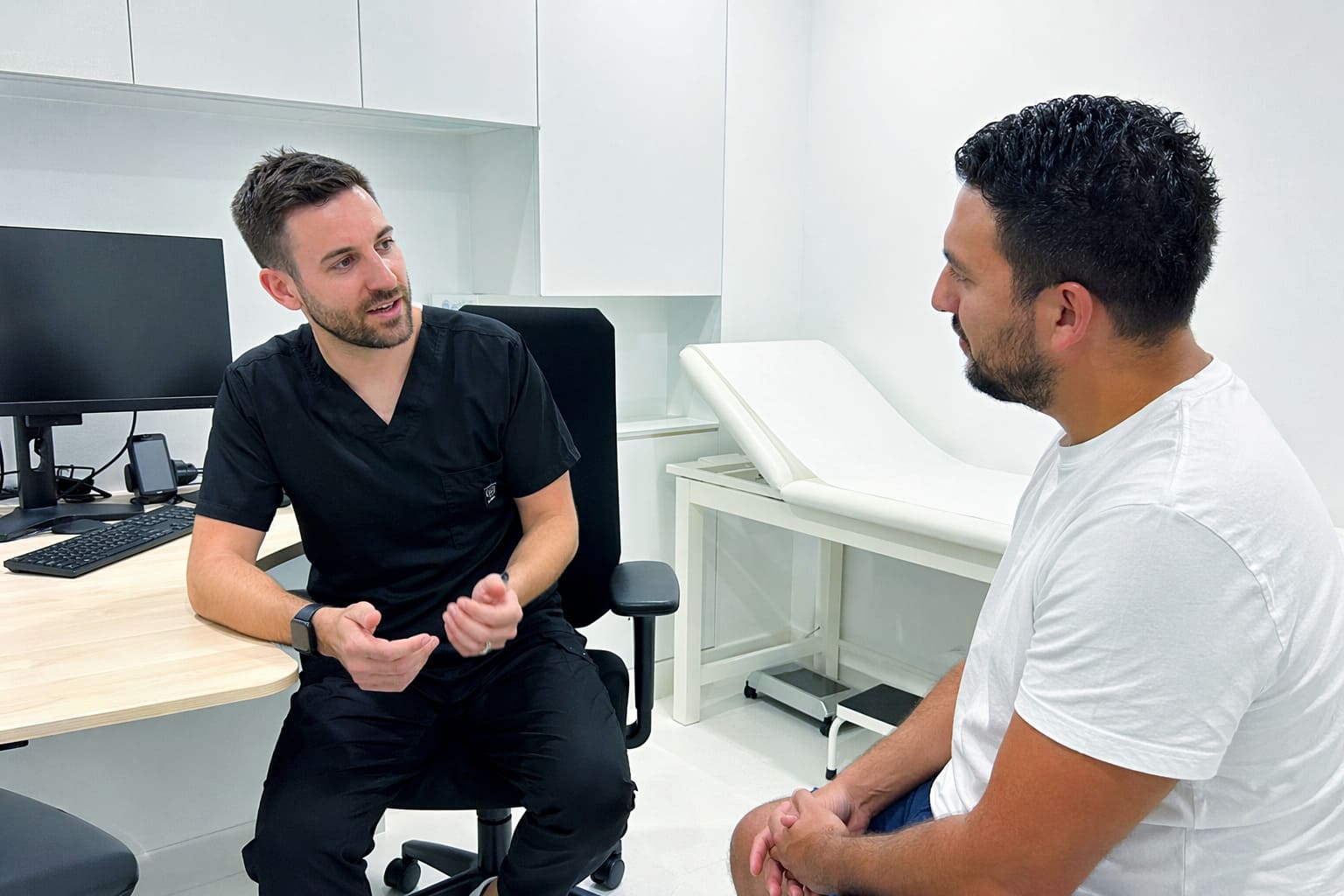
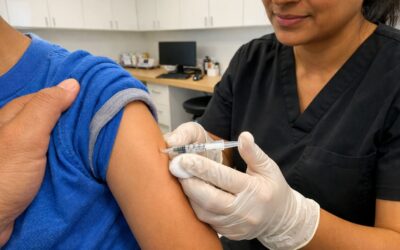
Blood and Hormonal Test – Blood Test In Progress – Illustrative Image
Why medicines and symptoms change the meaning of PSA
Most people worry about a falsely high PSA. A misleadingly low PSA matters too, because it can make the result look less concerning than it really is. Medication history, urinary symptoms and previous results all affect how the number is read.
Medicines that can lower PSA
Some medicines used for enlarged prostate can reduce PSA. The key group is called 5-alpha-reductase inhibitors, and examples include finasteride and dutasteride.
Do not stop prescribed medicine before a PSA test unless a clinician tells you to do so. The safer and more useful step is to say exactly what you take, including prescription medicines and relevant over-the-counter medicines, so the result is interpreted with that in mind.
Symptoms that add context
Urinary symptoms change the clinical picture. Difficulty passing urine, changes in flow or other urinary concerns do not make a PSA result meaningless, but they do give the clinician more to consider.
A digital rectal examination, shortened to DRE, may be discussed where relevant. This is a physical examination of the prostate through the back passage. Previous PSA results, family history and general health also shape the interpretation, which is why Future Care Medical treats PSA testing as part of a structured clinical pathway rather than a standalone blood number.
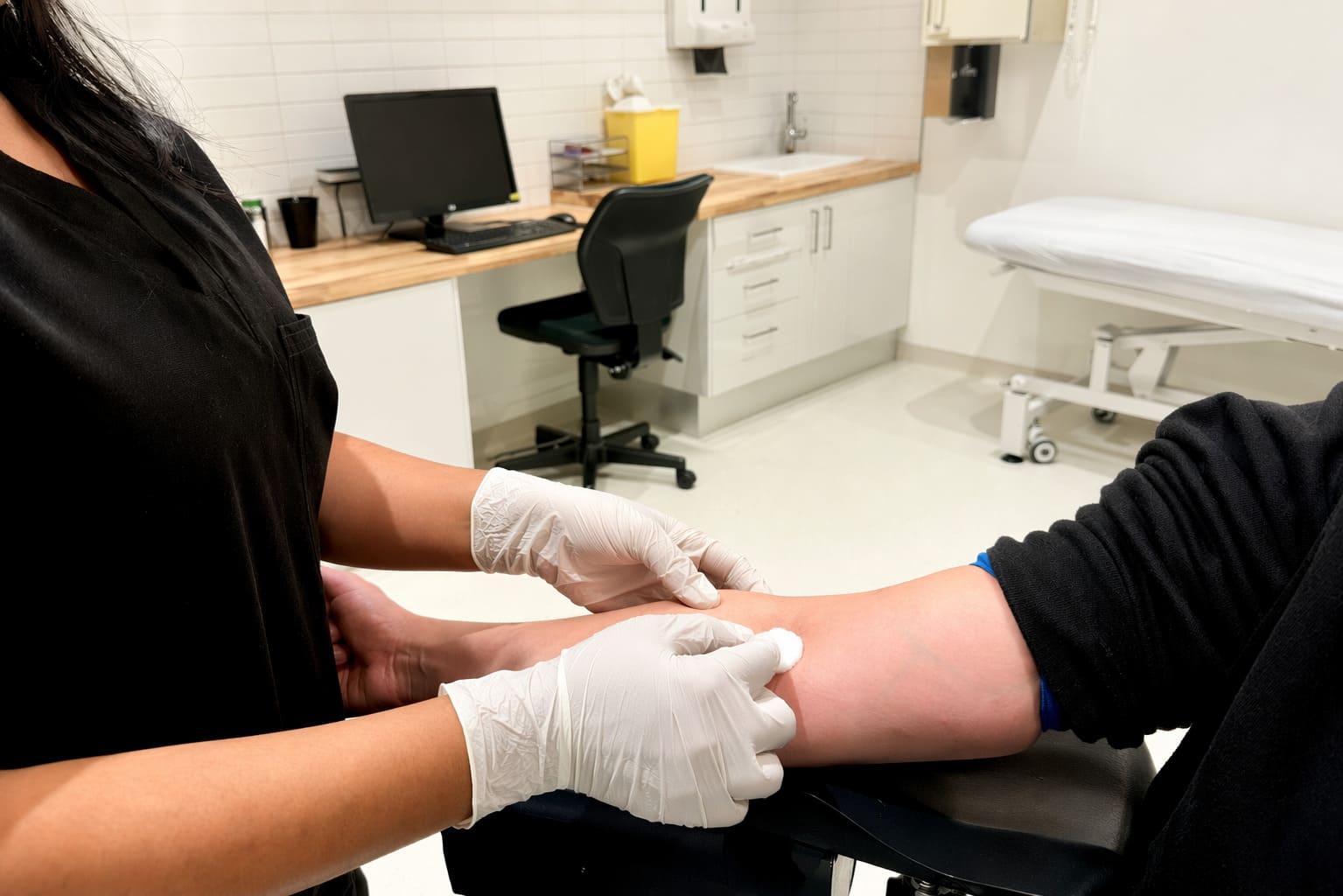
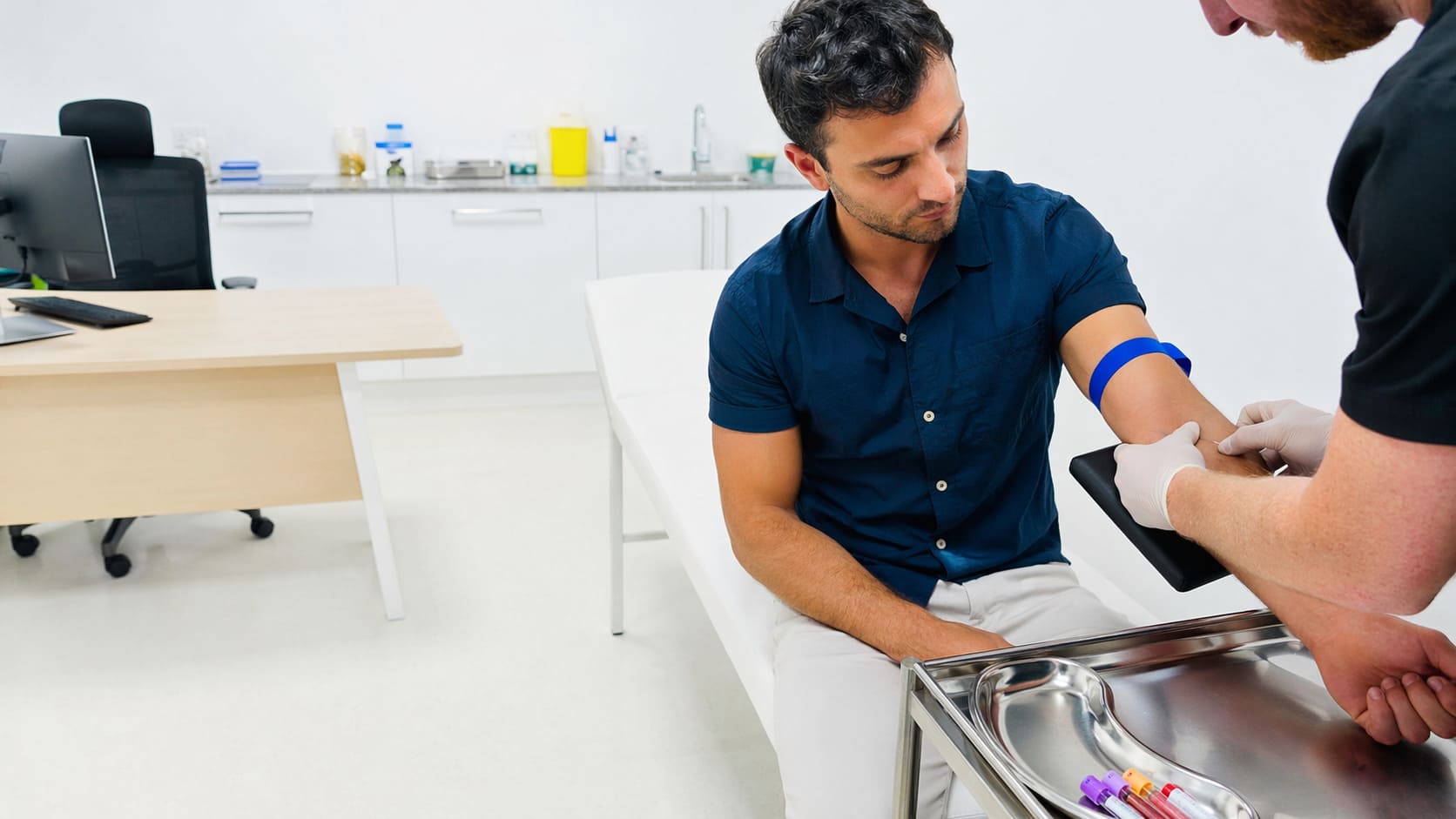
Blood and Hormonal Test – Post Blood Draw Detail – Illustrative Image
Why a raised PSA needs a pathway, not panic
A raised PSA is not a diagnosis. It may suggest a prostate problem, but it does not automatically mean prostate cancer, and the next move depends on the result, symptoms, risk factors, examination findings where relevant and previous history.
NICE guidance is clear that prostate biopsy should not be offered automatically on the basis of PSA level alone. If suspected clinically localised prostate cancer needs investigation, multiparametric MRI, a detailed prostate MRI scan, is used as a first-line investigation. In some follow-up situations, repeat PSA testing is part of the pathway, depending on the wider clinical picture.
For a City-based patient arranging prostate screening around work, the real question is sharper than “what should I avoid before the test?” The better question is “how do I get a PSA result that can be trusted and acted on properly?” A cleanly timed blood test, honest disclosure and clinician review make the PSA result useful.
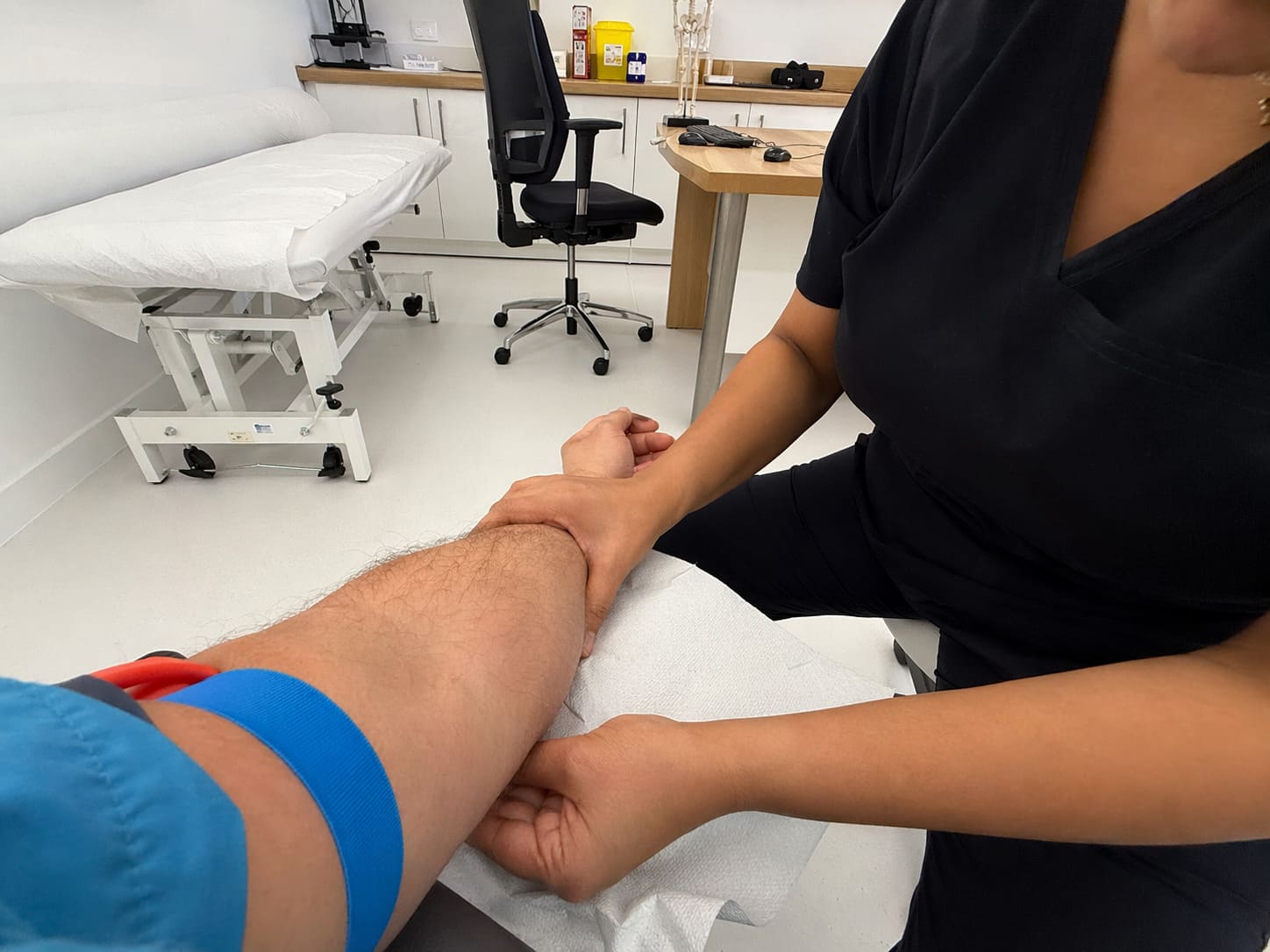
Comprehensive Health Check – Blood Test Preparation – Illustrative Image
Common questions about PSA test preparation
Can I have coffee before a PSA blood test?
Yes. You can eat and drink as normal before a PSA blood test, unless your clinician has asked for another blood test at the same time that requires fasting.
Should I cancel my PSA test if I cycled yesterday?
You should tell the clinic before the test if you cycled within the previous 48 hours. The clinician can decide whether the test should go ahead or be moved to avoid a distorted result.
Do I need to stop finasteride or dutasteride before a PSA test?
No, you should not stop prescribed medicine unless a clinician tells you to. You should tell the clinician if you take finasteride, dutasteride or any medicine for enlarged prostate because it can affect how PSA is interpreted.
Can a PSA test be done if I have urinary symptoms?
A PSA test can be part of assessing urinary symptoms, but symptoms need to be discussed before the blood test. If a urine infection is present or has recently cleared, timing may need adjustment.
Will a raised PSA mean I need an MRI scan?
A raised PSA may lead to further assessment, and an MRI scan can be part of that pathway when clinically indicated. The decision depends on the PSA result, symptoms, risk profile and clinical review.
This is general information, not medical advice.