Should you get your testosterone checked if you are always tired?
Persistent tiredness is a reason to get assessed, but it is a poor reason to assume low testosterone. Testing is most useful when fatigue appears with low libido, fewer morning erections, erectile problems, reduced strength or clear loss of drive, and when the blood sample is taken and repeated properly.

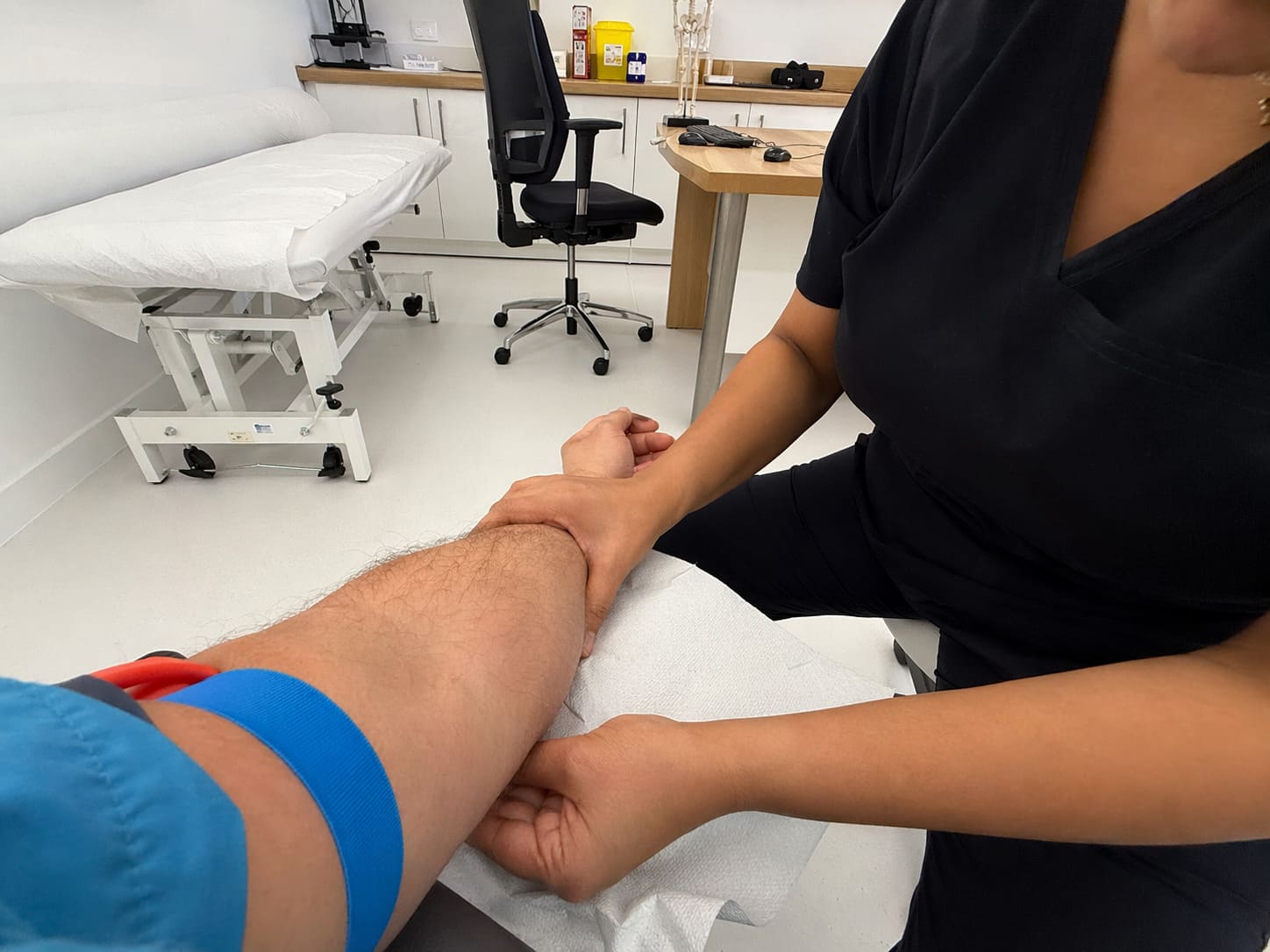
Hormonal Health Support Scene – Illustrative Image
What Is In This Article
Tiredness alone is the wrong test trigger
Being always tired and run down can justify a medical review. Fatigue may be the reason to seek assessment, but it is not enough to diagnose testosterone deficiency, sometimes called male hypogonadism.
Poor sleep, long work hours, medication, thyroid problems, anaemia, diabetes, low mood, overtraining and chronic illness can all produce tiredness. For men working around Liverpool Street, Bank or Moorgate, late finishes, travel and disrupted sleep can blur the picture further. A testosterone check for tiredness makes most sense when the symptom pattern points beyond workload alone.
The Society for Endocrinology lists decreased libido, loss of morning erections and erectile dysfunction as common symptoms of testosterone deficiency. Tiredness, reduced physical strength, poorer endurance, loss of motivation and concentration, irritability and low mood can also occur, but those symptoms need context because they overlap with many other conditions.
A men’s hormone assessment works best as part of a wider medical review. The aim is to find the right explanation for persistent fatigue, whether testosterone is part of that answer or not.
Sexual symptoms make testosterone more relevant
Low testosterone and fatigue belong in the same conversation when tiredness sits alongside a wider set of changes. Sexual symptoms carry particular weight because they are more suggestive of testosterone deficiency than tiredness on its own.
Key patterns that make testing more clinically useful include:
- Low libido. Reduced sexual interest that persists is one of the clearer signs of low testosterone in men.
- Fewer morning erections or erectile dysfunction. These symptoms do not prove testosterone deficiency, but they make a testosterone blood test more relevant.
- Reduced strength or endurance. A clear drop in physical capacity matters more when it appears with sexual symptoms or low motivation.
- Loss of drive, concentration or mood change. Low motivation, poor concentration, irritability or low mood can fit the pattern, although they also have many other causes.
Persistence matters. A bad week after poor sleep or heavy work is different from a steady change that has continued despite recovery time. A clinician will also look at medication, alcohol use, training load, medical history and metabolic risk before deciding how much weight to give each symptom.
The British Society for Sexual Medicine recommends that testosterone deficiency is diagnosed only when persistent symptoms suggesting testosterone deficiency are accompanied by confirmed low testosterone. In plain terms, symptoms start the assessment, but blood-test evidence has to support them.

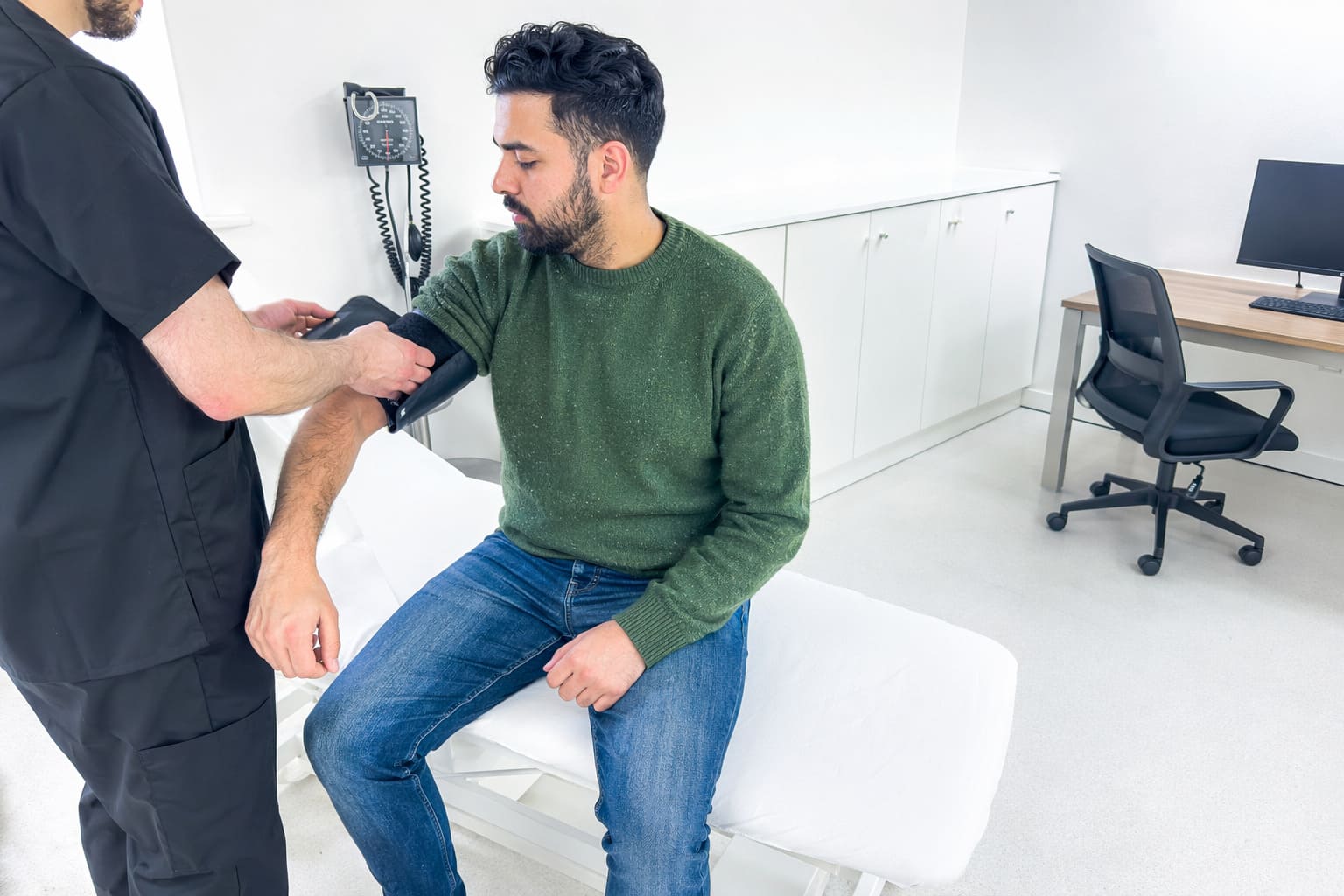
Mens Health – Sexual Health Guidance Consultation – Illustrative Image
A useful testosterone test is timed properly
A useful testosterone blood test depends on how and when the sample is taken. A random blood test at the wrong time can confuse the picture and lead to overreading a result that needs repeating.
A properly arranged testosterone check usually follows this order:
- Take a morning blood sample before 11am. Testosterone is assessed with a venous blood test, meaning blood taken from a vein, and morning timing matters for interpretation.
- Fast where possible. Food intake can affect results, so fasting testing gives the clinician a cleaner starting point.
- Avoid testing during acute illness or after night shift work. Recent illness or disrupted night work can make a result less reliable.
- Repeat a low result on a different occasion. One low reading is a signal to check again, not a complete diagnosis.
The Society for Endocrinology states that serum total testosterone, which means the total testosterone level circulating in the blood, should be measured before 11am, fasting, and not during illness unrelated to the testes or night shift work. Readings below the reference range on at least two different occasions support a diagnosis.
Repeat testing is not bureaucracy. Testosterone results move, and a second properly timed sample stops a temporary dip from being treated as the whole story.
Borderline results need more than one number
Borderline testosterone results are where many men get stuck. A total testosterone number can look low-normal, slightly low or difficult to interpret, and the right answer comes from matching that number to symptoms and other blood markers.
Total testosterone is only the starting point
Total testosterone measures the overall amount of testosterone in the blood. That figure matters, but it does not always show how much testosterone is available for the body to use.
Sex hormone binding globulin, shortened to SHBG, is a blood protein that binds testosterone. A high or low SHBG level can make total testosterone harder to interpret. That is why a clinician may add further hormone tests instead of jumping straight from one result to a treatment discussion.
Luteinising hormone, shortened to LH, and follicle stimulating hormone, shortened to FSH, can help show how the body is signalling the testes. Prolactin is another hormone that may be checked when results or symptoms suggest a wider hormone issue.
Free testosterone clarifies the grey zone
Free testosterone means the portion of testosterone that is more available to the body. When total testosterone is borderline or SHBG is unusually high or low, calculated free testosterone can sharpen the interpretation.
A borderline result needs to be read beside the history. Weight change, metabolic health, medication and repeat results all matter. Where the pattern is unclear or another hormone problem is suspected, referral to an endocrinologist, a doctor specialising in hormones, may be the right route.

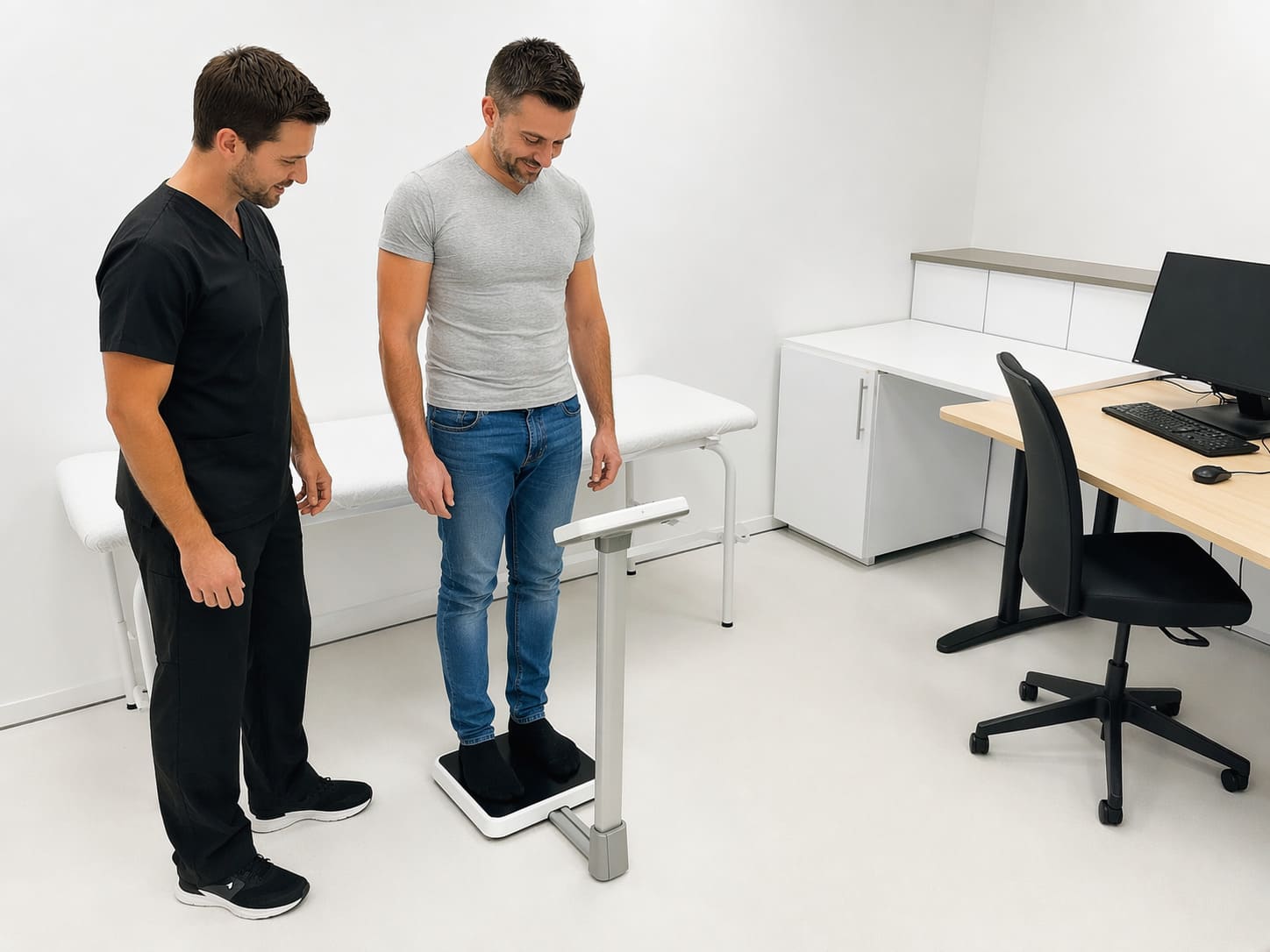
Men’s Weight Check Appointment – Illustrative Image
A private assessment should look wider than testosterone
A man who is tired, travelling for work, sleeping poorly and noticing lower libido does not need a single isolated conclusion. He needs a structured assessment that checks whether testosterone is relevant and looks for other likely causes at the same time.
| Test-only thinking | Structured men’s health assessment |
|---|---|
| Starts with a hormone result | Starts with symptoms, history and risk factors |
| Treats fatigue as the main clue | Checks sexual function, sleep, medication and wider health |
| Risks overreading one blood test | Uses correct timing and repeat testing when needed |
| Leaves other causes in the background | Considers thyroid function, anaemia, diabetes markers and other clinical clues where appropriate |
Future Care Medical provides private GP and Men’s Health services at its London Wall clinic, which is practical for men working across the City of London. In this setting, a private GP testosterone check can sit within a broader men’s health assessment rather than acting as a standalone “energy” test.
Published GP appointment prices are £105 for 15 minutes, £160 for 30 minutes and £240 for 60 minutes. Blood tests or laboratory investigations may incur extra charges, so the useful starting point is a consultation that identifies which tests are clinically relevant before the blood work is arranged.

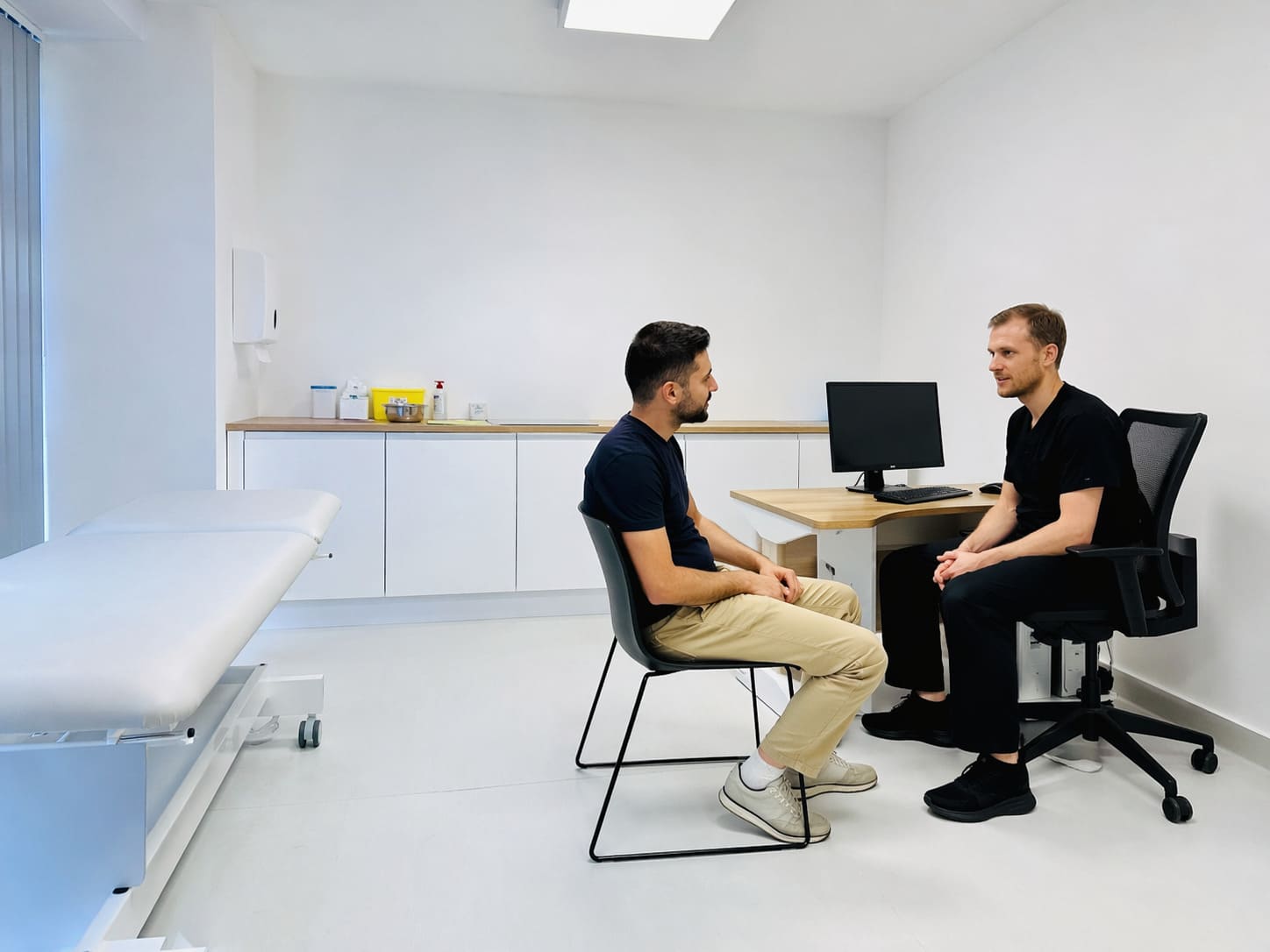
Men’s Health – Assessment Consultation Room – Illustrative Image
Treatment is not the first decision
More men are seeking hormone testing, but more testing does not automatically mean better care. The first decision is whether your symptoms justify properly timed testing, then whether repeated results and wider health markers line up.
Low or borderline results can lead in several directions. Monitoring, repeat blood tests, additional hormone markers, medical management, specialist referral or a treatment discussion may all be considered depending on the full clinical picture. Testosterone therapy is a treatment decision, not the automatic next move after a tired man sees a low number on a report.
Before testosterone therapy is started, the British Society for Sexual Medicine recommends wider cardiovascular, prostate, breast and blood-related assessment. Future Care Medical’s model fits the better direction of men’s health care. Hormone results are interpreted alongside metabolic and cardiovascular risk, rather than treated as an isolated performance metric.
Over the next 12 to 24 months, the useful shift in men’s health will be better interpretation of hormone tests, with fewer rushed assumptions and more joined-up assessment before treatment is discussed.
Common questions about testosterone checks for tiredness
Can low testosterone affect concentration at work?
Low testosterone can be associated with poorer concentration and loss of motivation, but these symptoms are not specific. Sleep, stress, medication and other medical conditions need to be assessed at the same time.
Can you have low testosterone without erectile dysfunction?
Yes, low testosterone can occur without every sexual symptom being present. Clinicians look at the overall pattern, including libido, morning erections, fatigue, strength and motivation, then confirm the picture with properly timed blood tests.
Does a normal testosterone result rule out every cause of tiredness?
No. A normal testosterone result simply makes testosterone deficiency less likely as the explanation for your fatigue. Other causes, including thyroid disease, anaemia, diabetes, medication effects and chronic illness, may still need assessment.
Should you see a GP or an endocrinologist for low testosterone?
A GP is a sensible first point for symptom review, examination where needed and initial blood testing. An endocrinologist may be involved when results are unclear, hormone markers suggest a more complex cause or specialist treatment input is needed.
Will a private testosterone test mean treatment starts straight away?
No. Testosterone therapy depends on persistent symptoms, confirmed low testosterone and wider safety assessment. Borderline results often need repeat testing and further interpretation before any treatment decision is made.
This is general information, not medical advice.