How much does private TRT cost per month and per year?
Most private TRT programmes sit between £100 and £250 a month, with the more comprehensive bundles reaching around £300. Over a year that works out at roughly £1,200 to £3,600 or more, depending on what your provider includes. Budget more for the first year, because the diagnosis comes before the treatment and it is charged separately.
That last point is where most people are caught out. A monthly figure only means something once you know what sits inside it, and the honest comparison is between complete pathways rather than between headline prices.
A full budget has four parts: the medication, the blood tests, the clinical reviews and the prescription-related charges such as processing, delivery and injection supplies. Providers bundle those differently, and some do not mention the last group at all until you are further in.
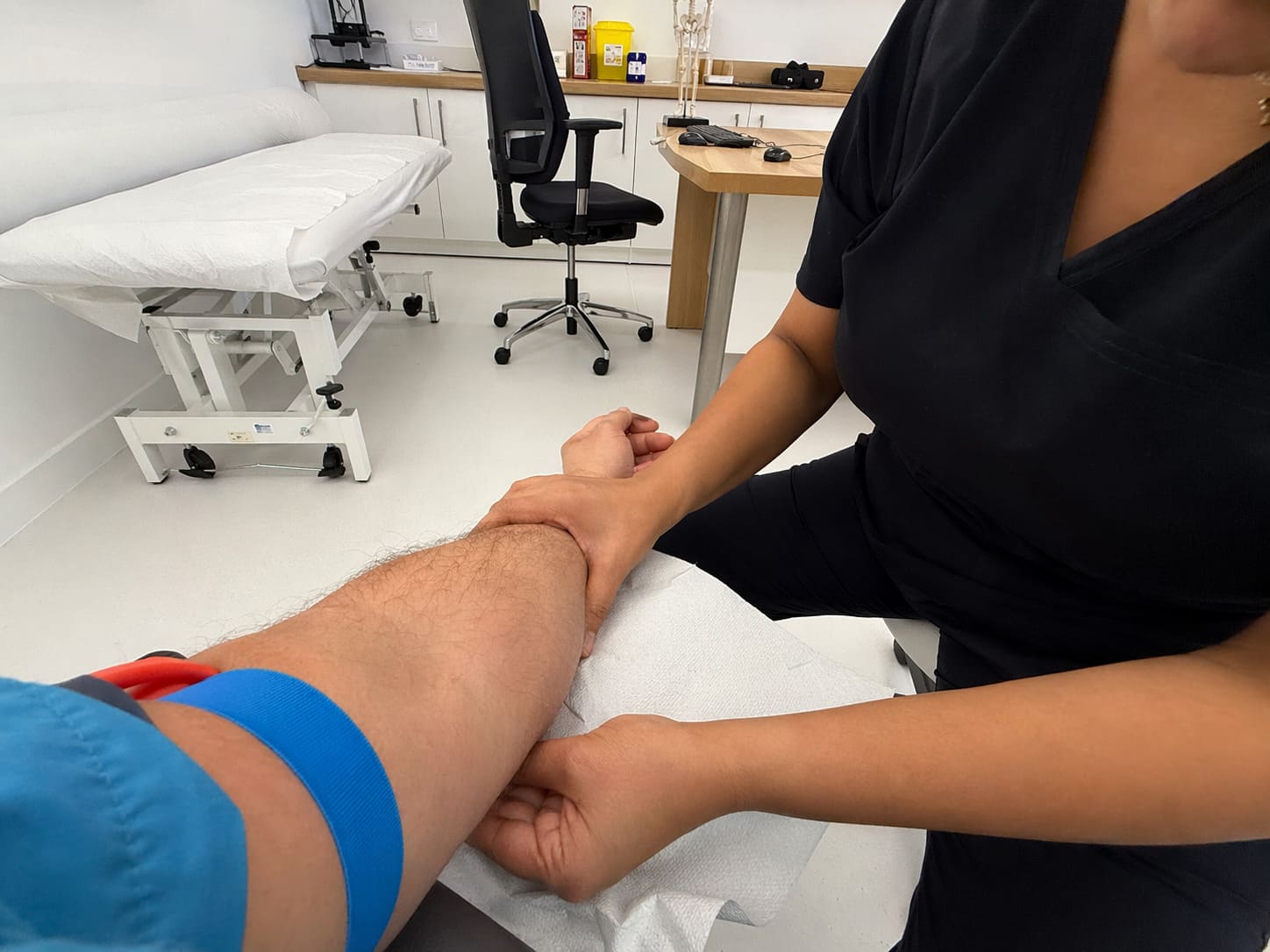
Comprehensive Health Check – Blood Test Preparation – Illustrative Image
What Is In This Article
Your first year costs more than the years after it
You pay for the diagnosis before you pay for any treatment, and testosterone deficiency is not diagnosed from one blood test.
It is a clinical and biochemical diagnosis, which means symptoms have to be present alongside reduced total or free testosterone in the blood. Symptoms alone are not enough, and one low reading is not enough either.
The British Society for Sexual Medicine, in its 2023 guideline, recommends measuring testosterone between 7am and 11am on at least two separate occasions, ideally about four weeks apart, and not while you are acutely unwell. Testosterone follows a daily rhythm and drops during illness, so a single afternoon sample taken during a bad week can be misleading in either direction.
Expect roughly £150 to £400 for the initial consultation and baseline bloods. Where consultations are billed separately, market guides put a first consultation at £50 to £250, follow-ups at £50 to £150 and an annual review at £100 to £200.
If the assessment supports treatment, you move on to a prescription and the recurring costs. If it points somewhere else, and low testosterone has several possible explanations, you have still paid for the work that established it. That is worth knowing before you start rather than discovering afterwards.
Two identical monthly prices can buy very different care
Compare like with like, or the comparison tells you nothing.
| Cost area | Bundled subscription | Pay as you go |
|---|---|---|
| Medication | Usually included, up to a defined prescription | Charged separately each time |
| Monitoring bloods | Often included, sometimes only a basic panel | Every test billed individually |
| Clinical reviews | Normally covered by the monthly fee | Billed per appointment |
| Prescription extras | Processing, delivery and supplies may be inside the bundle | Frequently charged on top, and easy to overlook |
| How spending behaves | Predictable and constant, whether or not you use it | Follows what you actually need, and spikes when something changes |
Blood test costs give a sense of the scale involved. A basic male hormone panel runs about £70 to £120, while a broader TRT monitoring panel is nearer £150 to £350. If those are not inside your monthly fee, they are a meaningful addition to it.
The formulation matters too. Injectable, topical and long-acting testosterone all carry different medication costs, and they differ in what else they need: supplies for injections, or more frequent administration for gels.
Monitoring is not optional. The British Society for Sexual Medicine advises prostate assessment including a baseline PSA, which stands for prostate-specific antigen, before treatment starts, and continued PSA monitoring while it goes on. Any quote that does not account for ongoing monitoring is not a quote for TRT, it is a quote for testosterone.
For anyone fitting this around work, the practical cost is time as much as money. We provide GP consultations, hormonal assessment, prostate screening and blood testing in one place, with the costs set out before any testing is done.
Women’s Health – Blood and Hormonal Test – Post Blood Draw Detail (2) – Illustrative Image
Get the estimate in writing, itemised
A written estimate that separates diagnosis from ongoing treatment is worth more than any advertised monthly price. Five things to pin down:
- What the first year covers. Consultation fees, both morning tests, baseline bloods, and anything else charged before a prescription is even considered.
- What is in the medication line. The testosterone itself, prescription processing, delivery, and the supplies needed to administer it.
- How monitoring is billed. Follow-up bloods, PSA monitoring and clinical reviews, and whether each sits inside a subscription or lands as a separate invoice.
- What happens when something changes. A dose adjustment or an unexpected result means more tests and another appointment. Ask what those cost before you need them.
- Where the first year ends. A good provider will show you three figures: what you pay to find out, what you pay in year one, and what it settles down to afterwards.
If you are investigating hormone or prostate concerns, we set out the consultation and diagnostic costs clearly at the start. A TRT quote is only useful when it prices a proper diagnostic process and continuing oversight, rather than a monthly supply of medicine.
Mole Check Appointment Wrap-Up – Illustrative Image
Questions we get asked about private TRT costs
Do I pay for the assessment if treatment turns out to be unsuitable?
Yes. The fee covers the clinical work of investigating your symptoms, and that work has value whether or not it ends in a prescription. Low testosterone readings have several possible explanations, and finding out which one applies to you is the point of the exercise.
Are testosterone injections cheaper than gel?
Not necessarily. Injections often have a lower medication cost but need supplies and administration. Gels avoid that and cost more per month. Compare the total for each rather than the headline.
How much do TRT blood tests cost privately?
Around £70 to £120 for a basic male hormone panel, and £150 to £350 for a fuller TRT monitoring panel. Which you need depends on your clinician, and whether they are already covered depends on your provider.
Can a monthly subscription cover all the follow-up care?
Some do, covering medication, bloods and reviews together. Others include less than they appear to. The written estimate should list each inclusion rather than describing the plan as comprehensive.
Why do I need two morning blood tests?
Because testosterone varies through the day and falls during illness, so one sample can mislead. Two morning tests, taken about four weeks apart when you are well, give a far more reliable picture of your baseline.
This is general information, not medical advice.
Reviewed by Fang He, BSc MSc, Advanced Nurse Practitioner and Chief Executive Officer at Future Care Medical, member of the Faculty of Sexual and Reproductive Healthcare.
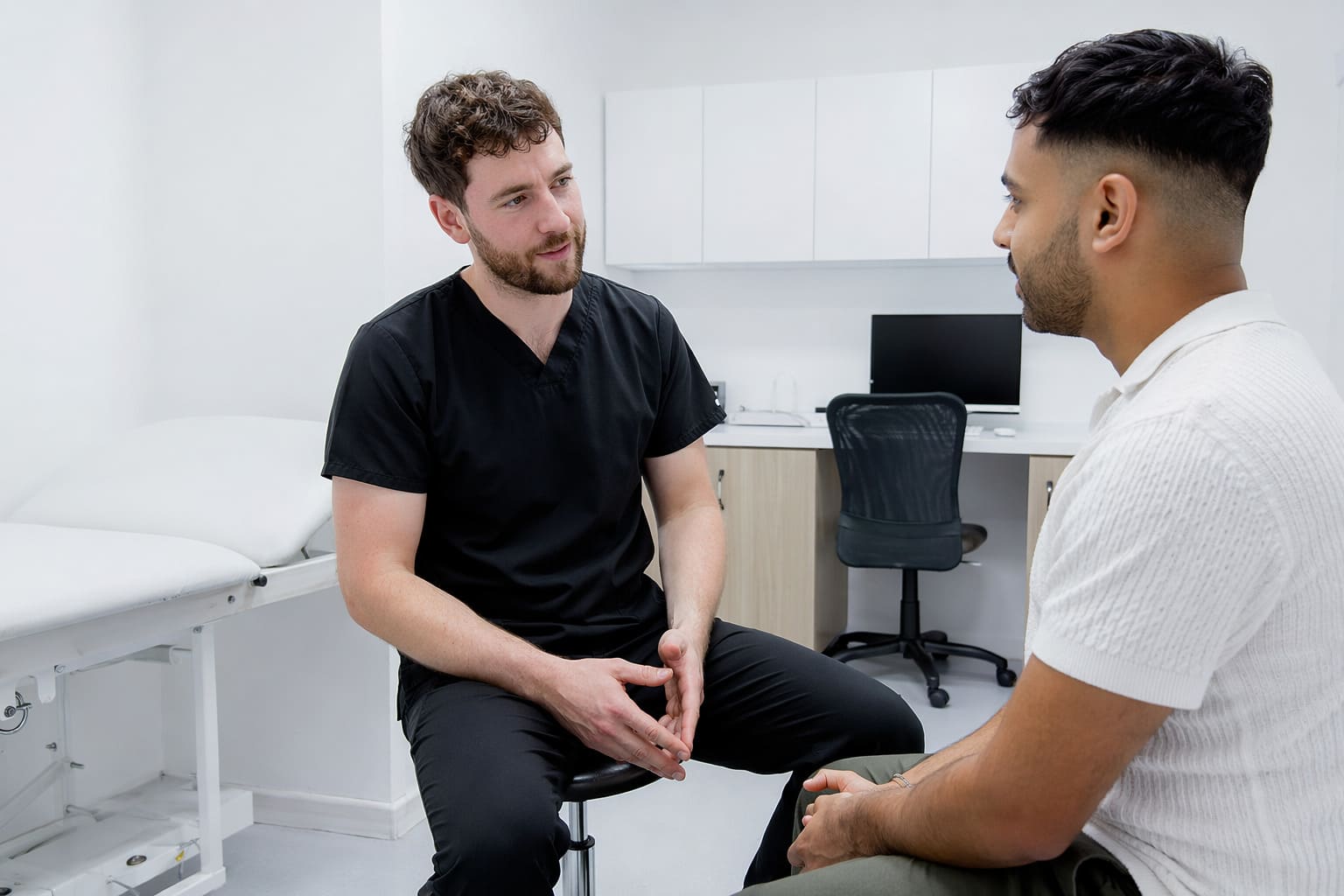
TRT Treatment – Illustrative Image