Can a private GP see your child?
Usually yes, provided the practice accepts your child’s age group and the problem is one that primary care can handle. Age policies differ between providers, particularly for babies, so it is worth checking before you book rather than after.
What makes the appointment worth having is less about how fast you get seen and more about three things: whether a GP is the right clinician for this problem, whether you have booked enough time, and whether you leave with a clear plan for results and follow-up.
One practical point that catches people out. A private GP works from whatever history is available in the room. They will not usually have your child’s NHS GP record, and their notes do not automatically go back into it either.
The Care Quality Commission regulates independent doctor and clinic services in England, and its public register and inspection reports are a reasonable way to check a provider before you attend.

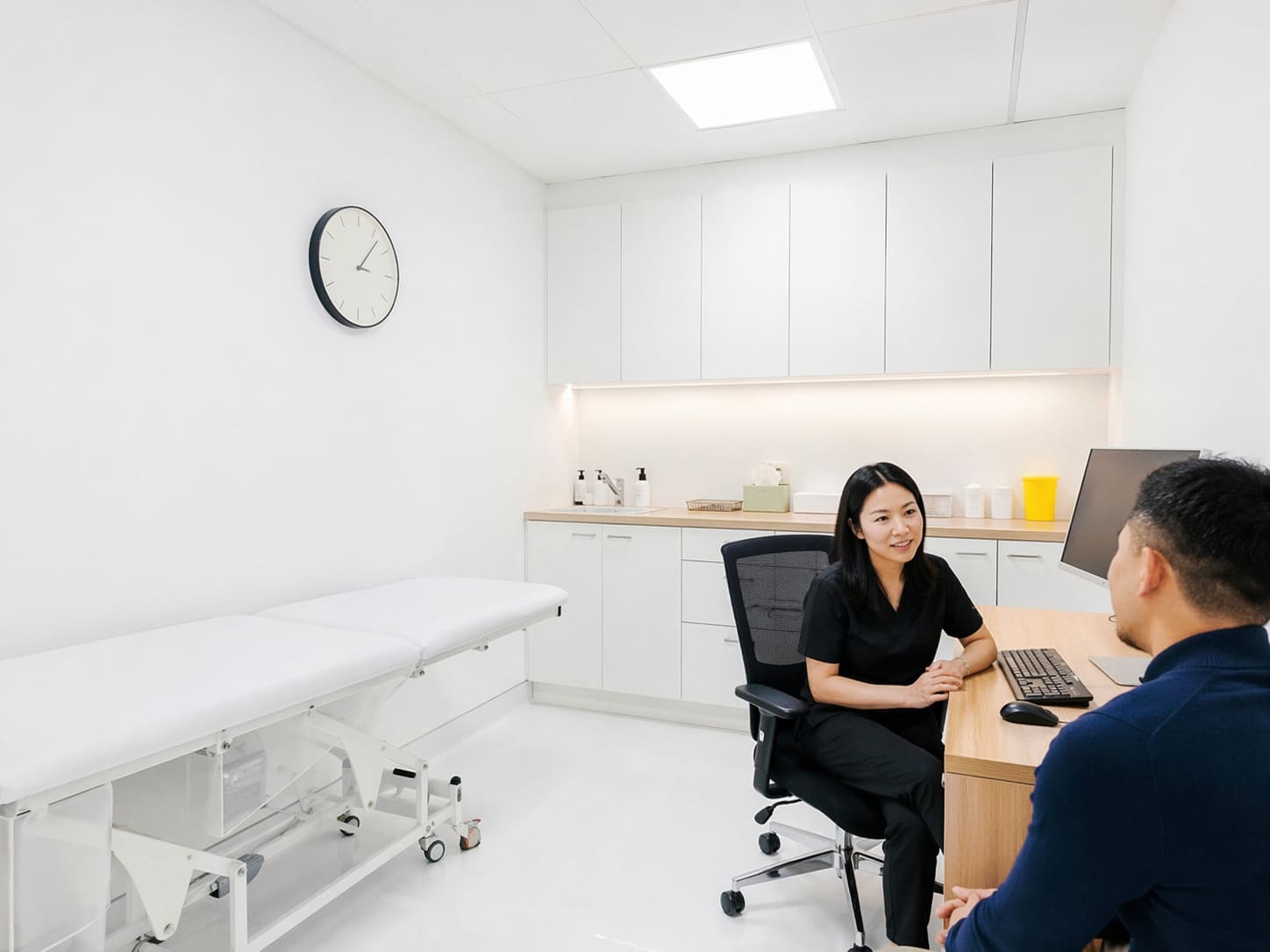
Appointment – Illustrative Image
What Is In This Article
A GP and a paediatrician are answering different questions
The right clinician depends on what needs deciding, not on the fact that the patient is a child.
| Private GP | Consultant paediatrician |
|---|---|
| First look at a new or unclear problem | Specialist assessment where the problem is already known to need it |
| Works out what is going on and what should happen next | Investigates complex, persistent or unusual presentations in depth |
| May treat, arrange tests, review, or refer onward | May give a specialist opinion and set out further investigation |
| Right when you need someone to decide the route | Right when the route is already clear and the expertise is the point |
A referral can be an outcome of the GP appointment rather than something you have to organise first. Whether one is needed, and where it goes, comes out of what the assessment finds.
Some symptoms need 999 or A&E, not an appointment
No scheduled appointment, however quickly available, is the right answer for a child who is seriously unwell now.
Call 999 or go straight to A&E if your child is struggling to breathe, is grunting with each breath, is sucking in hard under the ribs or at the neck, has skin that looks blue, mottled, pale or ashen, is very difficult to wake or will not stay awake, or is not responding to you the way they normally would.
Fever needs reading alongside age. NICE, which covers England, treats a temperature of 38°C or above in a baby under three months as a high-risk sign of serious illness, and 39°C or above between three and six months as at least an intermediate-risk sign. Over six months, how your child is in themselves tells you more than the thermometer does. A child who is drinking, responsive and interested in things is a different proposition from one who is floppy and uninterested at the same temperature.
Between those two extremes sits a large middle ground, and that is where a same-day GP assessment earns its place: a child who is clearly unwell, clearly not an emergency, and needs someone to look at them today.
Whatever route you take, you should leave knowing what to expect over the next day or two, what would change the picture, and who to contact if it does. That is what safety-netting means, and it is reasonable to ask for it explicitly.
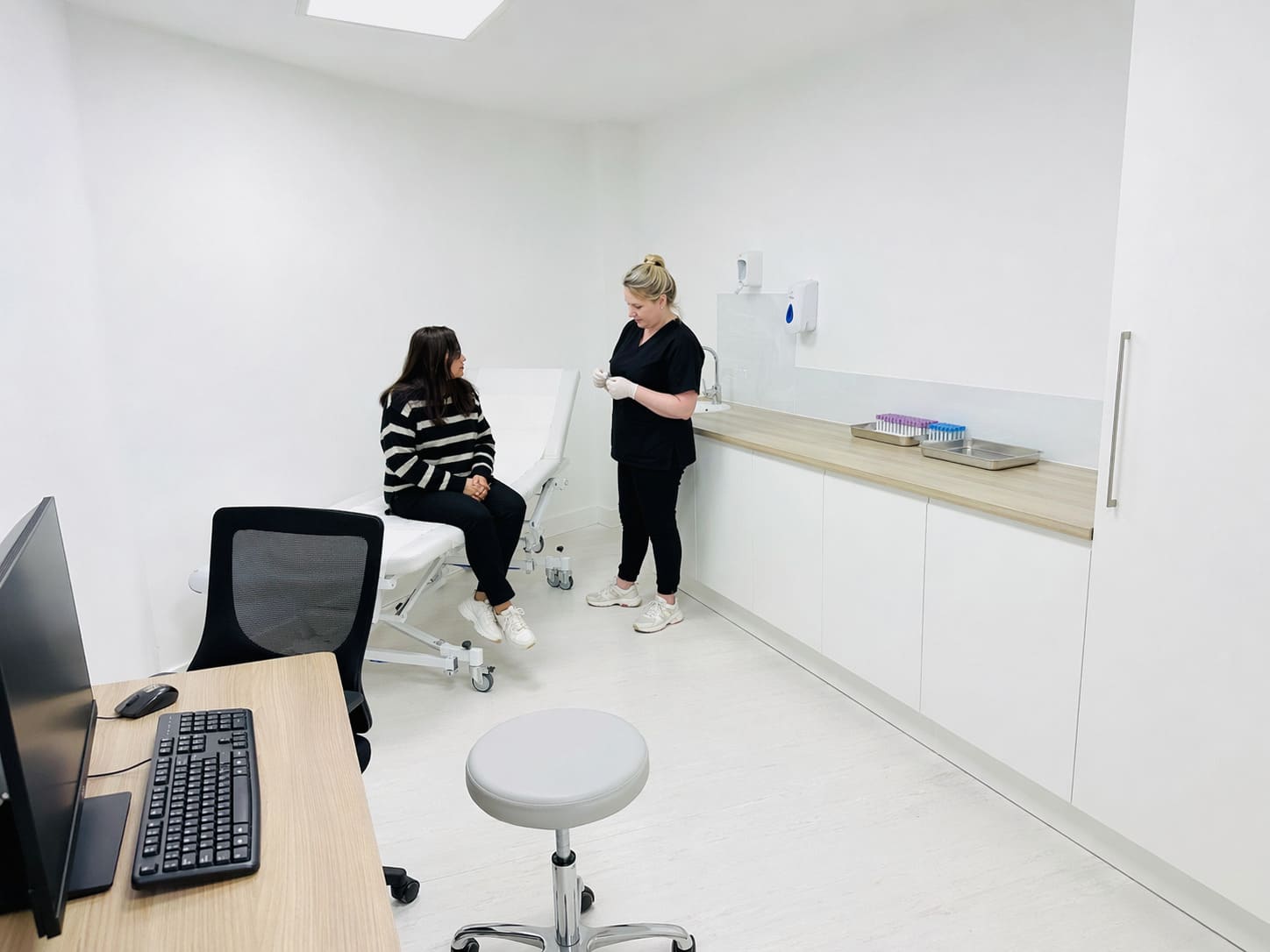
Referral Explanation Scene – Illustrative Image
Book the length that fits what you need to discuss
One new symptom with a short history is a different appointment from three concerns, a recurring pattern, or a question about medication that has already been tried. The shortest slot is not the most efficient one if you end up needing a second.
We offer GP consultations at 15, 30 and 60 minutes, so you can pick the format that matches the conversation rather than squeezing the conversation into the format.
A few minutes of preparation makes a noticeable difference to what the appointment achieves:
- Write down the timeline. When it started, what changed and when, and any temperatures you took, with the times.
- List the medicines. Everything your child currently takes, including anything over the counter, plus known allergies.
- Bring the paperwork, or a photo of it. Previous diagnoses, clinic letters and recent test results. A picture on your phone is perfectly adequate.
- Decide your priority. If you have several concerns, know which one you most need answered, so the important thing is not the one you run out of time for.
Doing that leaves the clinician’s time for assessing your child rather than reconstructing the last fortnight.
After the assessment there may be treatment, tests, a review or a referral. Ask in advance how prescriptions, medicines, tests, referral letters and any insurance authorisation are handled, because those often sit outside the consultation fee.
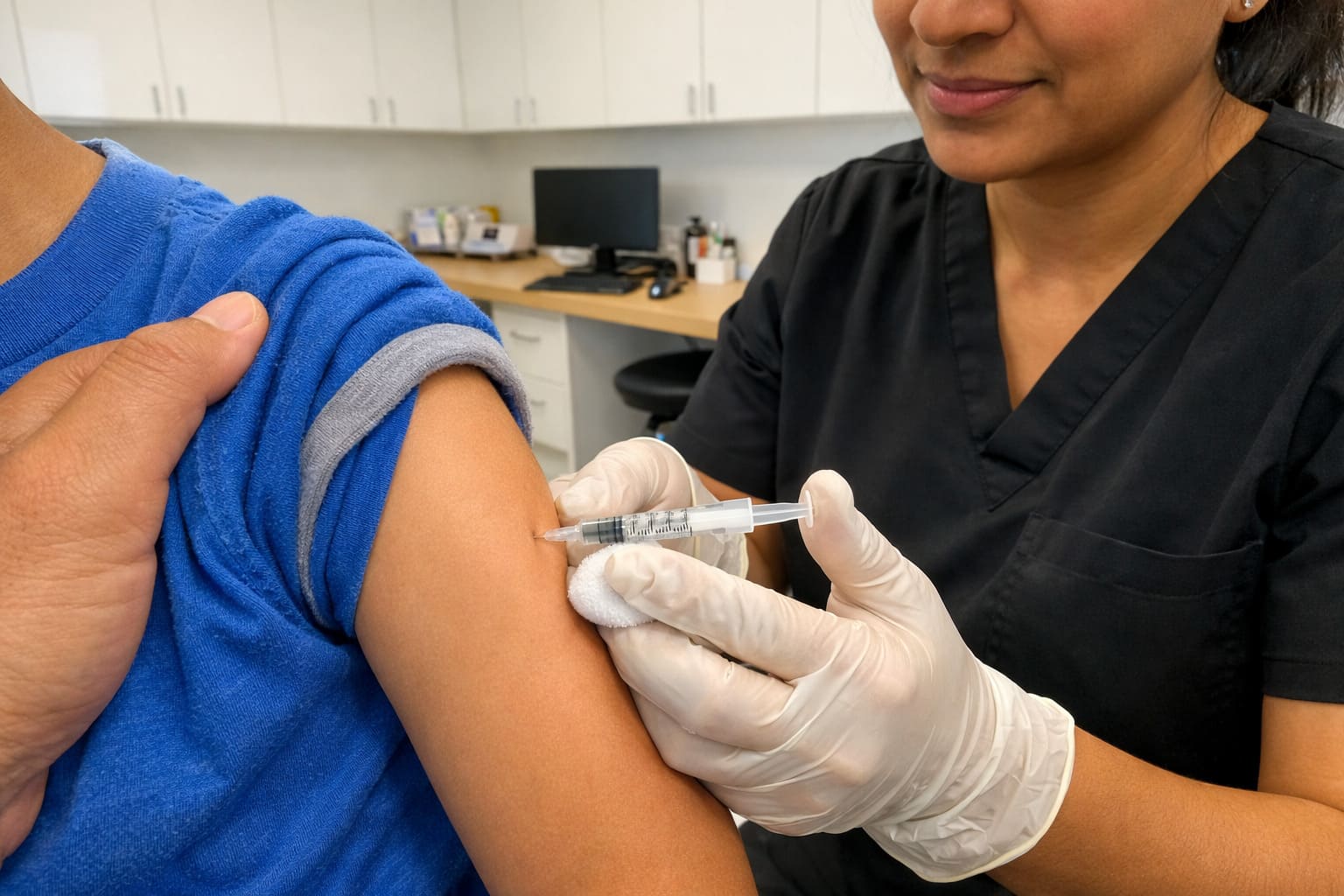
Referral Consultation Wide View – Illustrative Image
Sort out consent, confidentiality and follow-up before you leave
An appointment for a child has a clinical plan and a communication plan, and the second one is the part people discover too late.
A parent with parental responsibility can consent where a child cannot make the decision themselves. Older children and young people can make their own decisions where they have enough maturity and understanding, which is judged case by case rather than by birthday.
Your child should be part of the conversation
The General Medical Council is clear that children and young people should be involved in discussions about their care as far as their maturity and understanding allow. In practice that means the clinician explaining things in language your child follows, and leaving room for them to ask their own questions.
Confidentiality applies to children too. An older child may want part of the consultation without you in the room, and that is a normal and appropriate thing for a GP to offer. What can be shared afterwards depends on the young person’s ability to decide, their best interests, and the need to protect them from serious harm.
Private and NHS records do not talk to each other
Unless someone actively shares the information, the two run in parallel. Before you leave, establish who gets the consultation summary, how any results will reach you, and who is responsible for arranging a review.
We set out the follow-up arrangement at the end of the consultation, including how results are communicated and how any review or referral is organised, and you get a written record of what was found and what happens next.
Once you know the age policy, the right clinical route and the follow-up arrangement, you can judge a private appointment on what it actually delivers rather than on how soon it is available.
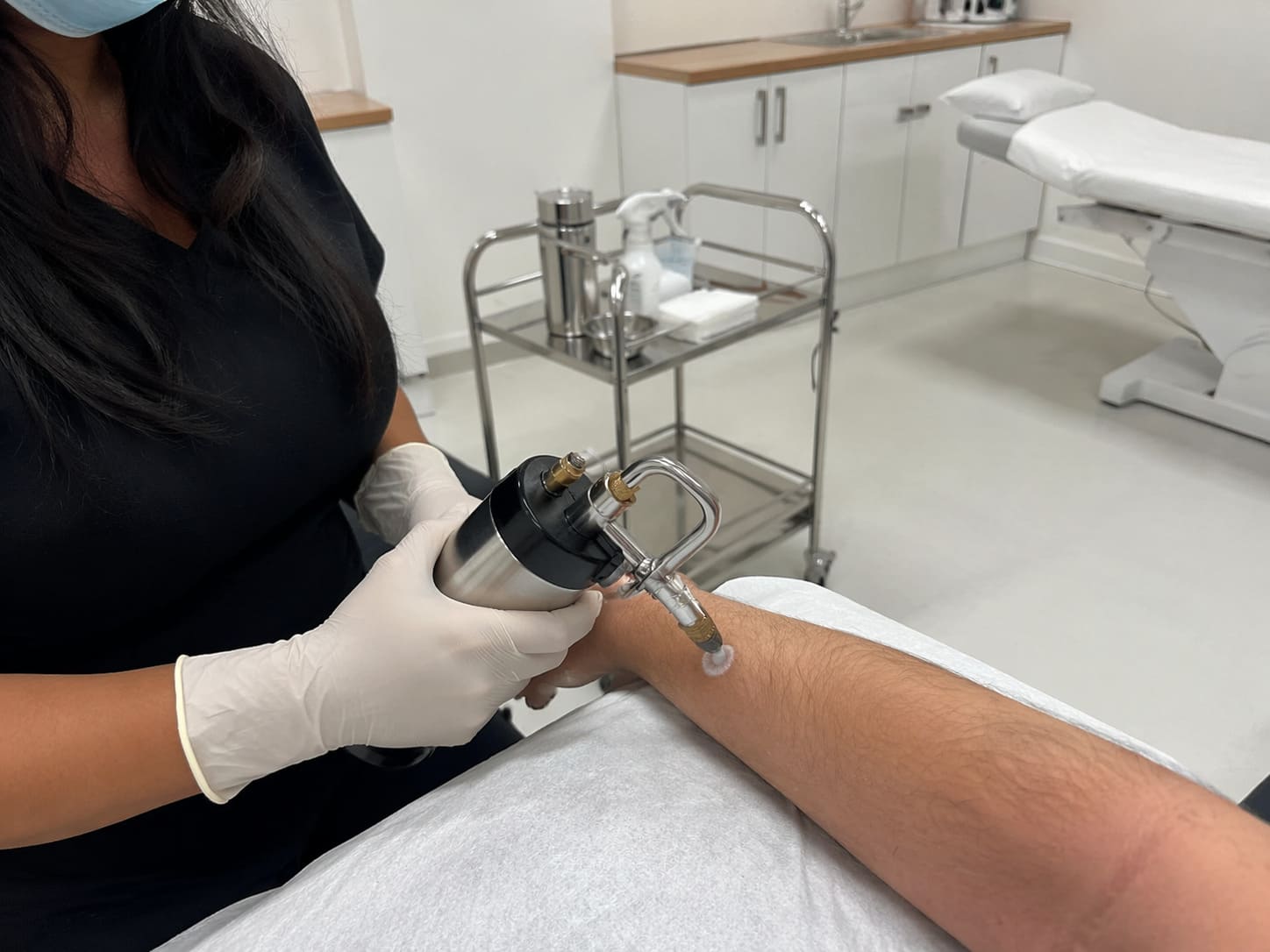
Prescription Outcome Detail – Illustrative Image
Questions we get asked about private GP appointments for children
Can a private GP prescribe medicine for my child?
Yes, where the assessment calls for it. Ask how the prescription itself and the medicine are charged, since those are often separate from the appointment.
Do I need a referral before seeing a private GP with my child?
No. A GP appointment is a first assessment in its own right, and a referral onwards is one of the possible outcomes rather than a prerequisite.
Can my teenager speak to the GP alone?
Yes, and often they should. A young person can have part of the consultation privately where it supports their care, with the clinician judging their maturity and understanding.
What happens if my child needs tests after the appointment?
The clinician will explain which tests are appropriate and how the results will reach you. Confirm whether the tests carry a separate charge and who is reviewing the result when it comes back.
Can a child be seen quickly by a private GP in Central London?
Often, though it depends on clinical suitability and the day’s schedule. If your child needs help now rather than soon, that is an emergency route rather than an appointment.
This is general information, not medical advice.
Reviewed by Fang He, BSc MSc, Advanced Nurse Practitioner and Chief Executive Officer at Future Care Medical, member of the Faculty of Sexual and Reproductive Healthcare.