How much should you expect to pay for a child private GP appointment in London?
A child private GP appointment in London is best costed as the appointment fee first, then any extras the GP recommends. In-person London fees commonly sit around £130, with local prices varying by appointment length, what is included, and whether prescriptions, tests or referrals are needed.

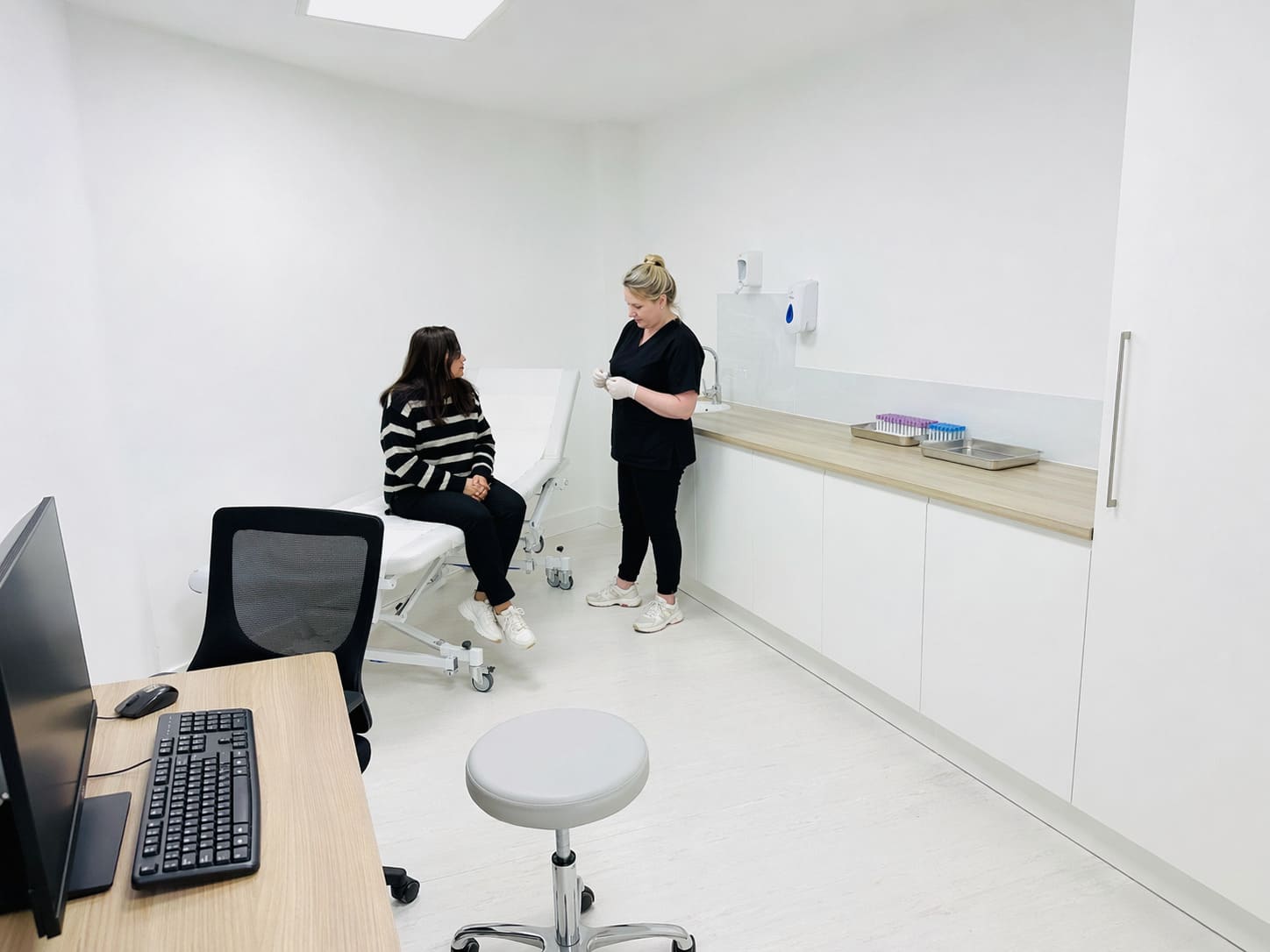
Referral Consultation Room – Illustrative Image
What Is In This Article
Baseline private GP prices
Parents often compare the cheapest headline GP price without checking the appointment length or what the fee includes. That is the wrong comparison. A short appointment and a longer appointment are different products, especially for a child who may need a parent’s account, past records and a proper examination.
Across London, private GP prices sit within a wide range, so the most useful number is the clinic’s own published fee by appointment length. Future Care Medical lists GP appointment fees of £105 for 15 minutes, £160 for 30 minutes and £240 for 60 minutes, with prescription included in those listed GP appointment prices.
Here is the practical way to read those fees.
| Appointment length | Published GP fee | When it may make sense for a child |
|---|---|---|
| 15 minutes | £105 | A focused concern, such as one clear symptom or a simple medication query |
| 30 minutes | £160 | A fuller child GP consultation where the GP needs more history and examination time |
| 60 minutes | £240 | Several concerns, a longer history, previous records or a more detailed care plan |
A headline private GP cost for children in London is only the baseline consultation cost. The final bill can change if your child needs tests, a referral letter, immunisations or follow-up, so the fair comparison is fixed appointment pricing plus any clinically recommended extras.
For parents working around Liverpool Street, Bank or London Wall, the location matters for a different reason. A City of London appointment can fit around work and school pickup, but convenience does not replace clarity on what the fee covers.
Appointment length drives cost
Appointment length is a clinical fit decision as much as a price decision. A focused problem suits a shorter slot; a layered history needs more time.
A rash that appeared recently, ear pain or one prescription question may be suitable for a short private GP appointment for a child. The GP still needs enough time to take a history, examine the child where needed and explain the plan clearly.
Ongoing abdominal symptoms, repeated illness, medication review or several concerns in one visit create a different cost decision. Choosing the lowest price can be false economy if the appointment cannot cover the problem properly and another consultation becomes necessary.
For a parent or guardian, the useful test is simple: choose the shortest slot that can safely cover the issue without rushing the assessment. That keeps the fee controlled and gives the GP enough room to make a proper decision.

Work travel medical consultation in London
Included costs vary by need
The consultation fee covers the GP appointment, but your child’s needs decide what else may be required. That distinction matters because private GP prices London parents see online do not all include the same items.
Prescriptions are a good example. Future Care Medical states that prescription is included in its listed GP appointment prices, which gives parents a clearer baseline than a fee where the prescription position is unclear. That does not mean every possible item is included in the appointment fee.
Blood tests, imaging, referral letters, immunisations and follow-up appointments should be treated as separate cost questions unless a provider clearly says otherwise. A GP may assess your child and decide that no test is needed, or the GP may recommend one because the result would change the plan.
Immunisations need the same careful reading. Adult and child immunisation services can sit alongside private GP services, covering routine, seasonal and travel needs, but vaccination pricing and suitability need their own confirmation.
A private GP fee is therefore the start of the cost, not a promise that the whole episode of care is finished inside one price. The better question is what the appointment includes today and what could sit outside it if the GP recommends further care.

FCM Team
GP and paediatrician roles differ
Parents can be pulled off course by the word “private” and assume a private child appointment must mean a paediatric consultant. In practice, a private GP and a paediatric consultant do different jobs, and choosing between them affects both cost and clinical fit.
Private GP assessment
A private GP is often the right first clinician for common, focused child health concerns. The GP can assess symptoms, examine your child, issue a prescription where appropriate and decide whether a specialist referral is needed.
That GP route can be sensible for problems where the first question is broad: what is going on, does this need treatment, and does the child need another clinician? The answer may be simple, or it may lead to a referral.
Paediatric specialist care
A paediatric consultant is the more specialist route for complex, ongoing or child-specific medical concerns. That route may be appropriate where a child has persistent symptoms, a condition already under specialist review or a problem that clearly sits outside general practice.
A GP appointment is a first assessment and management appointment with a different role. For a seriously unwell child, urgent care is the safer frame, and a private GP appointment should not be used as a substitute for emergency help.
Booking checks prevent surprises
Before booking a child private GP appointment, the strongest cost question is whether the appointment matches your child’s problem. Price matters, but the wrong slot or the wrong clinician can cost more in time, repeat appointments and uncertainty.
Use these checks before comparing children’s private GP fees:
- Child suitability. Confirm that the service can assess children and whether any age limits apply, especially for babies or very young children.
- Appointment length. Match the slot to the problem. One clear concern needs less time than several symptoms or a medication review.
- Inclusions. Check whether the fee includes prescription, and ask separately about referral letters, tests, immunisations and follow-up.
- Teenager privacy. Older children and teenagers may raise consent and confidentiality points, so the clinic should explain how parent involvement is handled.
- Clinical governance. Care Quality Commission registration, clear records and proper consent processes matter in private healthcare, just as they do elsewhere.
The General Medical Council’s guidance for children and young people covers care from birth to the 18th birthday, including capacity to consent and family involvement in decisions. In plain terms, a competent clinic should know how to handle parent questions, records and confidentiality without turning the appointment into a legal lecture.
Gillick competence is the term used when deciding whether a child has enough maturity to make a specific healthcare decision. Parents do not need to arrive fluent in that language, but they do need a setting where older children and teenagers are handled properly.
A clinic such as Future Care Medical, with fixed GP appointment lengths and a structured clinical process, gives the parent a clearer baseline before extras are considered. The decisive cost factor is clinical fit: the right appointment length with clear inclusions beats the cheapest headline fee because it is the price most closely matched to what your child actually needs.

FCM Team in London
Common questions about child private GP costs
Can a private GP see children in London?
Some private GP services assess children, but you should confirm child suitability before booking because services and age policies differ. The appointment also needs to fit the child’s symptoms, age and level of need.
Are private GP prescriptions included for children?
Prescription inclusion depends on the provider’s stated fee structure. Some published fees include prescription, but you should not assume this unless the clinic says so clearly.
Do private GP appointments include blood tests for children?
Blood tests are generally a separate cost question unless the provider states they are included. A GP will recommend tests only where they are clinically relevant to the child’s symptoms.
Can a private GP refer a child to a specialist?
A private GP can assess your child and make a specialist referral where the clinical picture supports it. Referral does not mean every child needs a consultant appointment.
Can teenagers see a private GP without a parent present?
Older children and teenagers can raise consent and confidentiality issues, and the GP must handle those appropriately. Parent involvement depends on the child’s maturity, the clinical situation and professional guidance.
This is general information, not medical advice.