What is usually included in a full private blood test in London?
A full private blood test in London usually includes a core group of routine investigations such as a Full Blood Count, kidney and liver function, cholesterol markers, blood sugar markers, and often thyroid function. The exact panel varies between clinics because “full” is not a fixed medical term, so what is included depends on the clinical purpose, the patient’s history, and whether the testing is part of general screening or a symptom-led assessment.

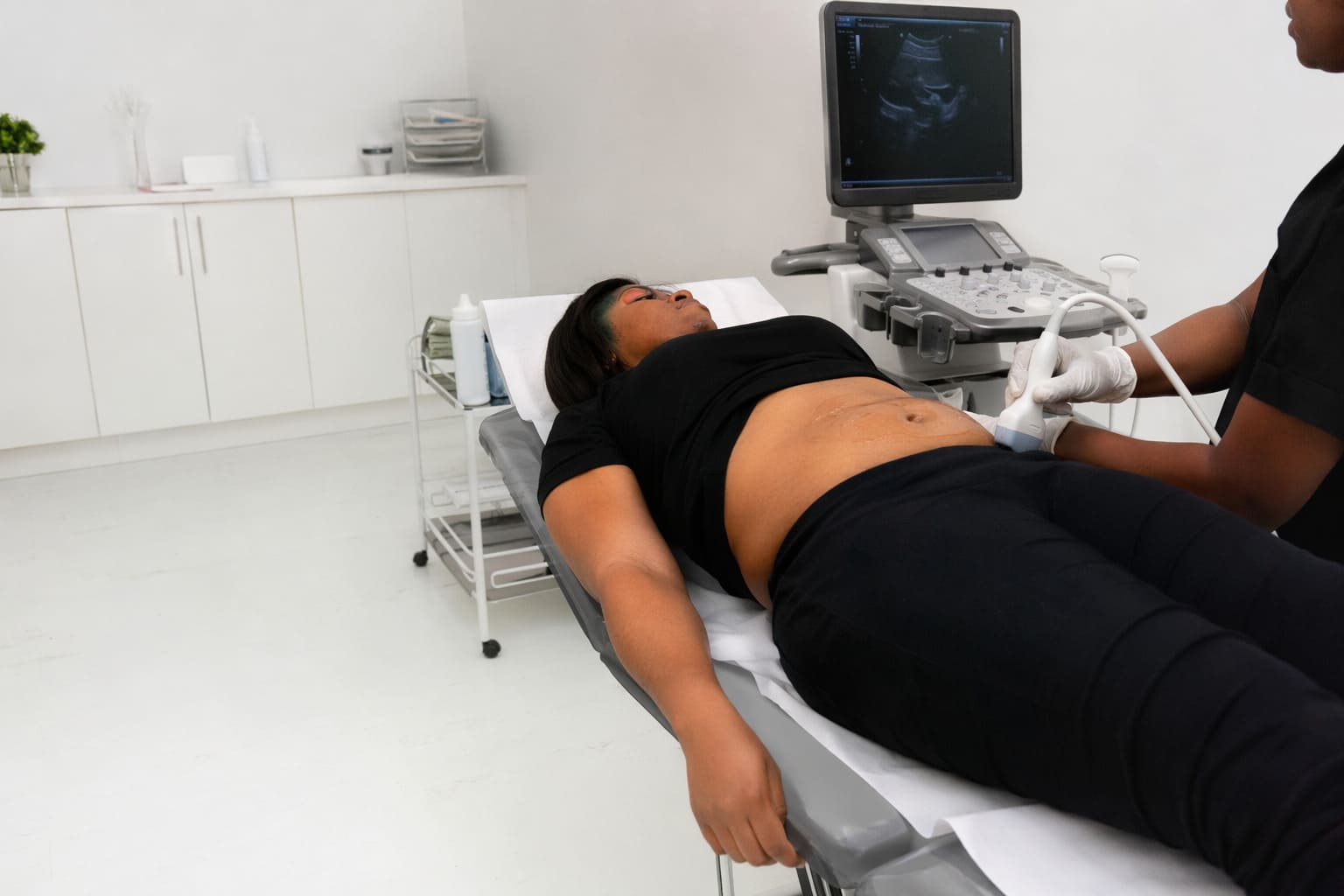
Women’s Health – Blood and Hormonal Test Room Illustrative Image
What Is In This Article
Dispel the Myth That All Blood Tests Are the Same
Most people assume that a “full” blood test means the same thing everywhere. It does not.
Across private clinics in London, the term “full” is used loosely. One provider may mean a basic screening panel. Another may mean a broader package with metabolic, hormonal, or cardiovascular markers added in. Clinical guidelines, GMC-led professional standards, and CQC-regulated practice shape safe decision-making, but none of them create one universal definition of a “full” blood test.
A panel can sit in very different categories, including:
- Basic screening bloods, such as a Full Blood Count and core biochemistry
- Full blood tests, including cholesterol, blood sugar, thyroid, and organ function
- Executive or extended panels, which may add selected hormone tests or other investigations if clinically indicated
That variability matters because test selection should follow clinical rationale, not label design. Age, symptoms, family history, medication use, and known risk factors all affect panel composition. A person with fatigue, for example, may need a different set of markers from someone booking preventative private blood screening before an annual health review. “Full” rarely means exhaustive, and assuming otherwise can leave people with a false sense of what has actually been checked.
Pinpoint the Core Tests That Define a “Full” Private Blood Panel
Most full blood test panels are built around common, useful markers that can identify patterns worth interpreting further. Those blood test components usually focus on blood cells, organ function, metabolism, and cardiovascular risk.
Typical core groups include:
- Full Blood Count, which looks at red cells, white cells, and platelets
- Liver Function Tests, which assess markers linked to liver health and biliary function
- Kidney Function, often listed as U&E, which measures electrolytes and waste products related to renal function
- Lipid profile, which looks at cholesterol and triglycerides
- HbA1c, which gives an average picture of blood glucose over time
- Thyroid function, usually through TSH and sometimes related markers depending on context
A Full Blood Count sits at the centre of many routine blood test panels because it can point to anaemia, inflammation, infection patterns, or platelet abnormalities. It does not diagnose a condition on its own, but it often shows whether further assessment is needed.
Biochemistry markers, including liver and kidney tests, help assess how major organs are functioning at the time the sample is taken. Those results can also be relevant before prescribing medication, during health screening bloods, or when symptoms such as tiredness, swelling, or unexplained weight change need a structured review.
Metabolic markers have a different role. A lipid profile and HbA1c are often included because they can reveal cardiovascular and diabetes-related risk before symptoms appear. Thyroid tests are common too, particularly where fatigue, palpitations, mood change, or weight fluctuation are part of the picture.
Hormone tests, cancer markers, and infection screening are where confusion often starts. Some readers expect them to appear automatically in a private blood panel London clinics describe as “full”. In practice, those tests are usually added only with a clear indication. Reference ranges need careful interpretation, screening and diagnostic use are not the same thing, and a broader panel is not always a better panel.
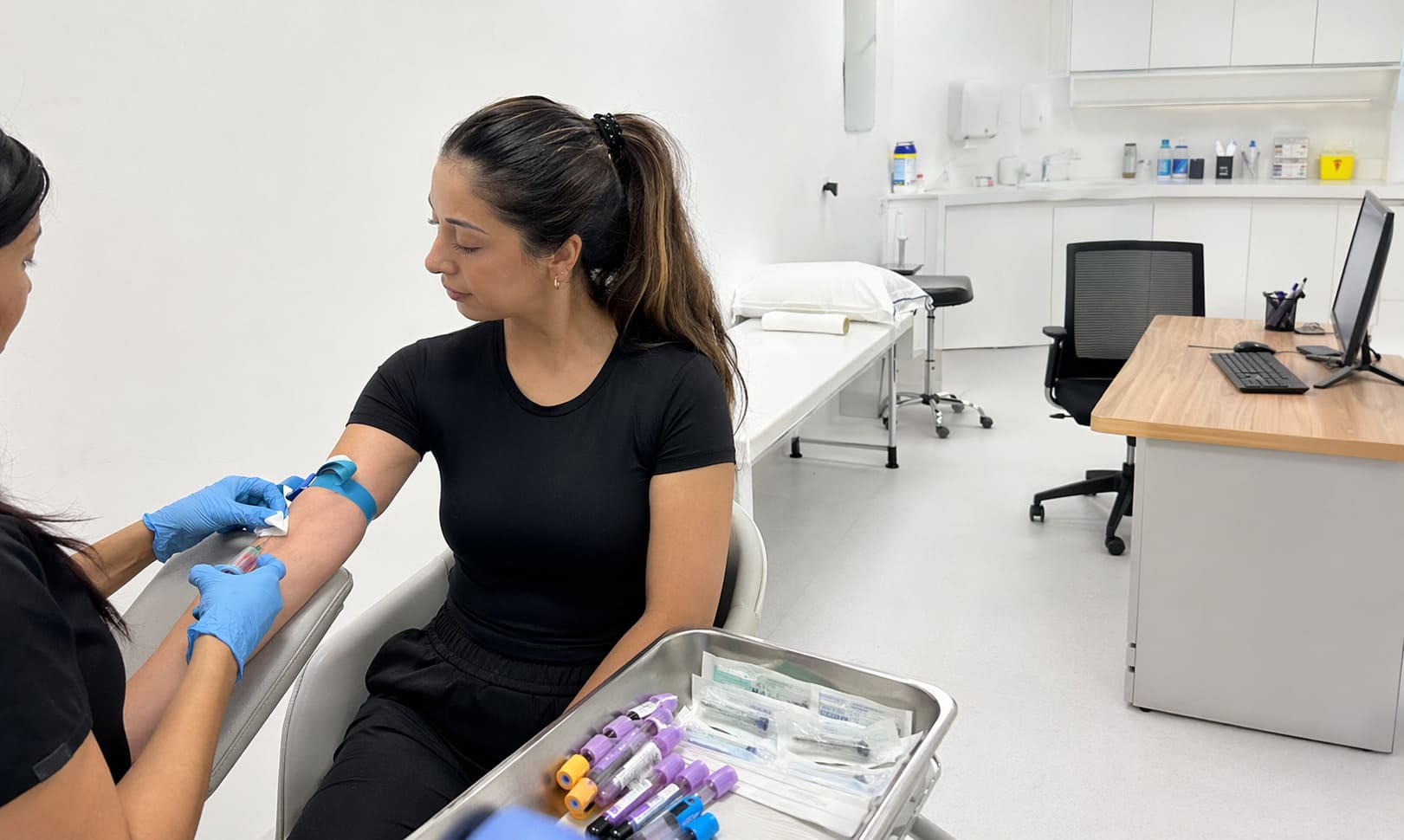
Women’s Health – Blood and Hormonal Test – Blood Test In Progress – Illustrative Image
Distinguish Between “Full” and Bespoke Blood Testing
Imagine two patients attending on the same morning in Central London. One wants a broad preventive check before a busy quarter at work. The other has new symptoms, takes regular medication, and has a family history of thyroid disease. Giving them the same panel may be convenient, but it would not necessarily be sensible.
A standard panel works well when the aim is general screening. It covers the markers most likely to give useful baseline information and is often enough for a straightforward review of current health status.
Bespoke testing is different. A GP or consultant-led assessment may add or remove tests according to symptoms, past results, age, sex, medication exposure, or known risk. Personalised risk screening can include add-on tests, but those additions should be based on a reason, not on the idea that more data always improves care.
At Future Care Medical, that distinction fits a structured approach to blood testing rather than a menu-only model. The decision about a custom blood panel should come from the consultation, the indication for testing, and the likely follow-up pathway if a result falls outside the expected range.
Cost can change with a broader panel, and process can change too. Some tests need specific timing, some may require fasting, and others only make sense if interpreted alongside symptoms or previous results. A tailored blood screening plan is therefore most useful when it answers a defined clinical question, such as investigating tiredness, monitoring metabolic risk, or checking treatment effects.
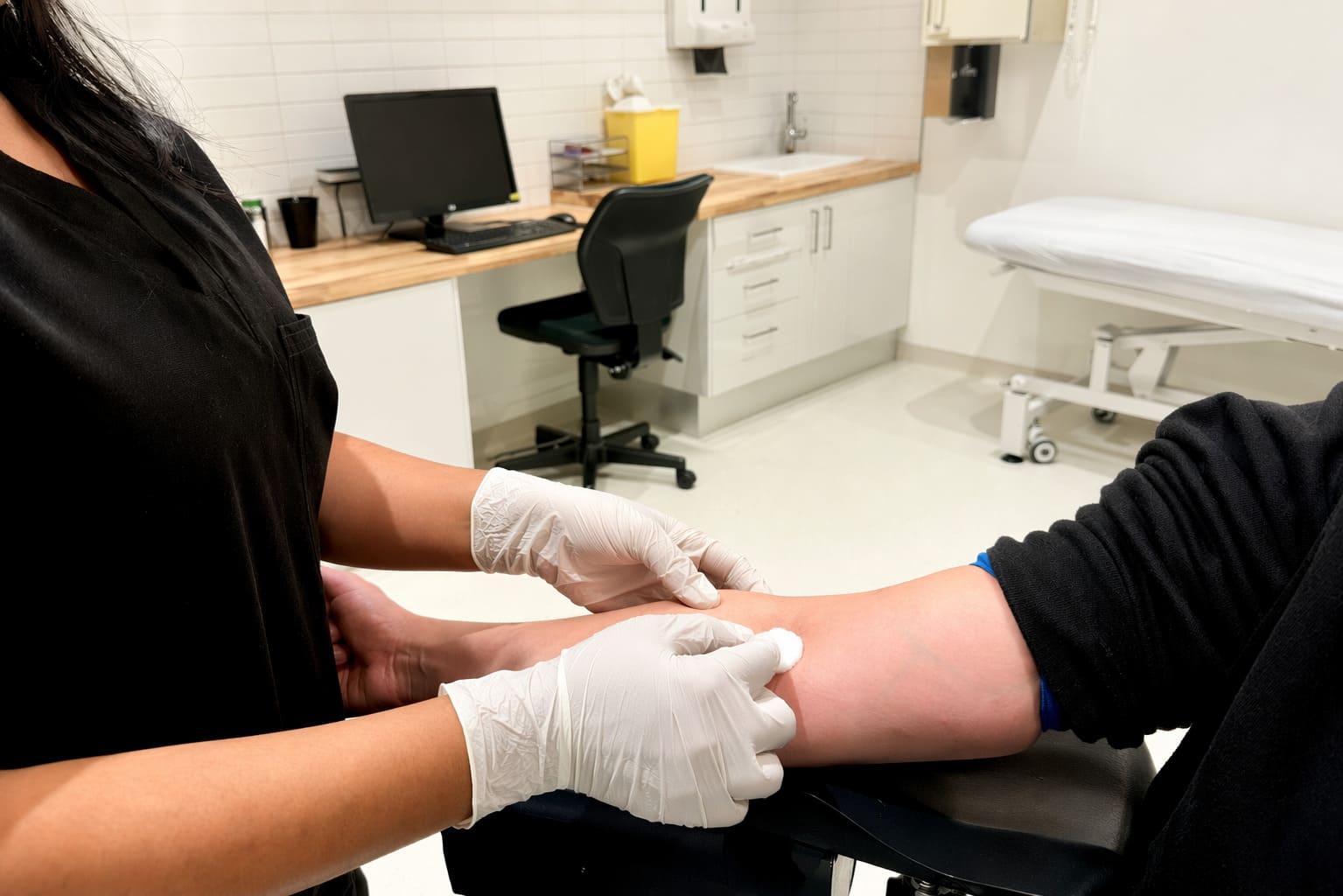
Women’s Health – Blood and Hormonal Test – Post Blood Draw Detail (2) – Illustrative Image
Understand What Happens Before, During, and After Your Private Blood Test
Uncertainty about the process often has less to do with the needle and more to do with timing, preparation, and what happens once the results arrive. In a central London setting, many patients want a clear, efficient sequence they can fit around work.
- Booking and preparation A same-day appointment may be available, although timing depends on the clinic and the tests requested. Some blood test preparation instructions are simple, such as arriving well hydrated, while others may involve fasting or checking whether medication should be taken as usual. Any instruction should match the specific tests ordered.
- The appointment and phlebotomy During the visit, a clinician or trained phlebotomist confirms identity, checks the requested panel, and takes the sample. Phlebotomy itself is usually brief. Sample collection can take only a few minutes, although the overall appointment may be longer if it includes consultation, consent, or discussion of symptoms.
- Laboratory analysis and reporting After collection, samples go for laboratory analysis. Blood test results turnaround depends on the markers involved because some are processed quickly and others take longer. Routine bloods may come back within a short timeframe, whereas specialist assays can require more time.
- Result delivery and interpretation Results may be shared through a patient portal, secure message, or follow-up consultation. The important part is not just receiving the figures but understanding them in context. A result outside the reference range is not automatically serious, and a result within range does not always close the matter if symptoms continue.
For patients using a City of London clinic such as Future Care Medical, convenience often comes from having consultation, phlebotomy, and result review within one pathway. That matters most after the blood draw, when interpretation determines whether the findings are routine, need repeat testing, or point to a more focused next step.
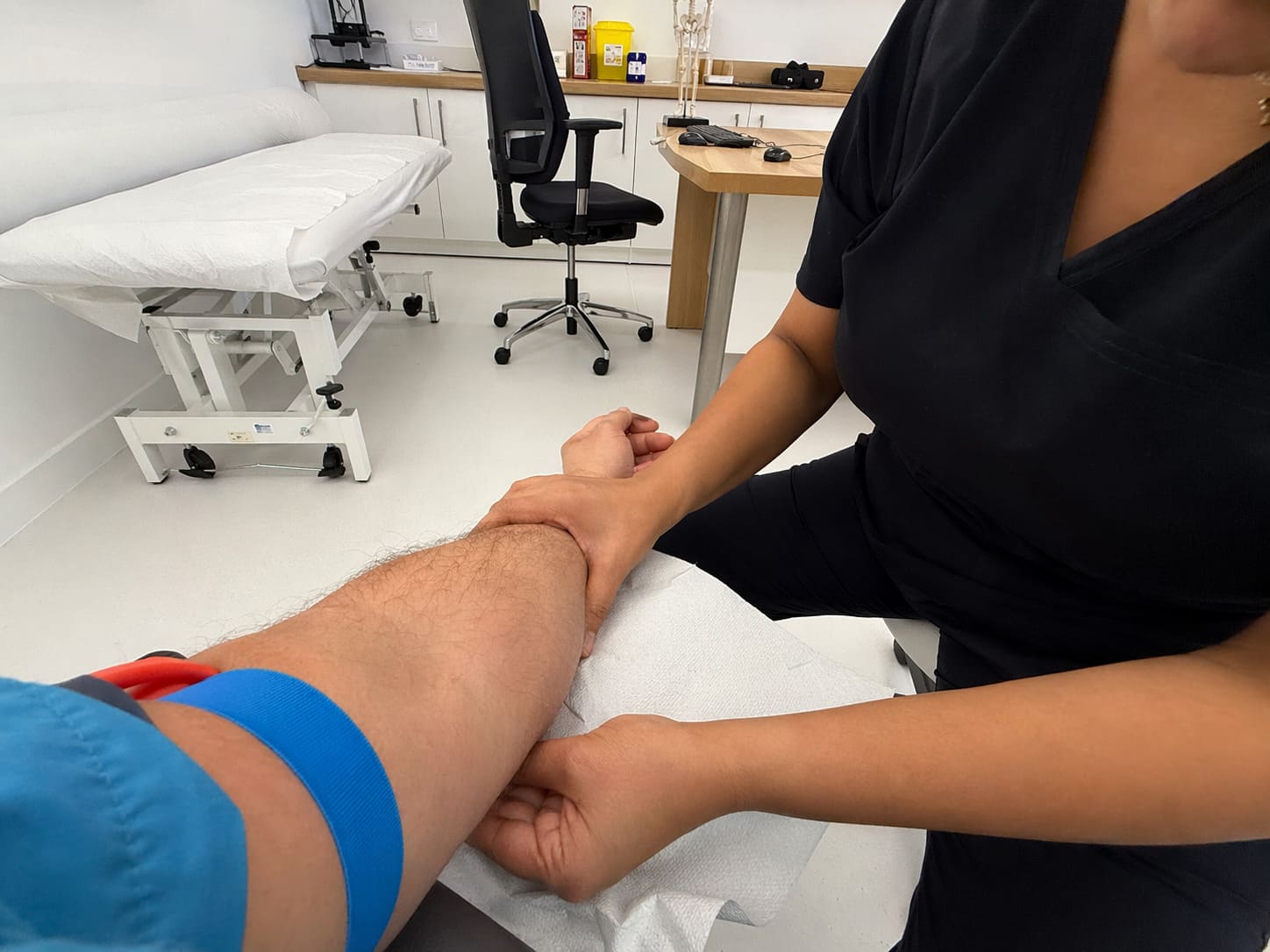
Comprehensive Health Check – Blood Test Preparation – Illustrative Image
Confront the Misconception That a “Full” Blood Test Is a One-Off Health Solution
A full blood test is not a permanent health clearance.
Blood results show a snapshot of what is happening at the time of testing. Preventative health works best when results are read alongside symptoms, risk factors, previous results, and any need for clinical follow-up. A normal panel today does not rule out changes six months later, particularly if medication changes, weight shifts, blood pressure rises, or new symptoms appear.
Longitudinal monitoring matters because health trends often emerge over time rather than in one isolated set of numbers. Periodic screening can be useful for cholesterol, blood sugar, or other markers where pattern and direction matter as much as the single value on the page. Screening without context can create false reassurance just as easily as it can identify a genuine issue.
One common misconception is that a “full” blood test checks for everything important. It does not. No single panel covers every condition, every risk, or every stage of disease, which means that assuming it does can cause people to overlook symptoms that still need proper assessment.