When should men in their 40s and 50s start taking prostate concerns seriously?
Men in their 40s and 50s should start paying closer attention to prostate health before major symptoms appear, especially if they have a family history of prostate disease, are of Black ethnicity, or notice gradual urinary or sexual changes. Concern does not always mean alarm, but it does mean seeking proper assessment instead of relying on assumptions.
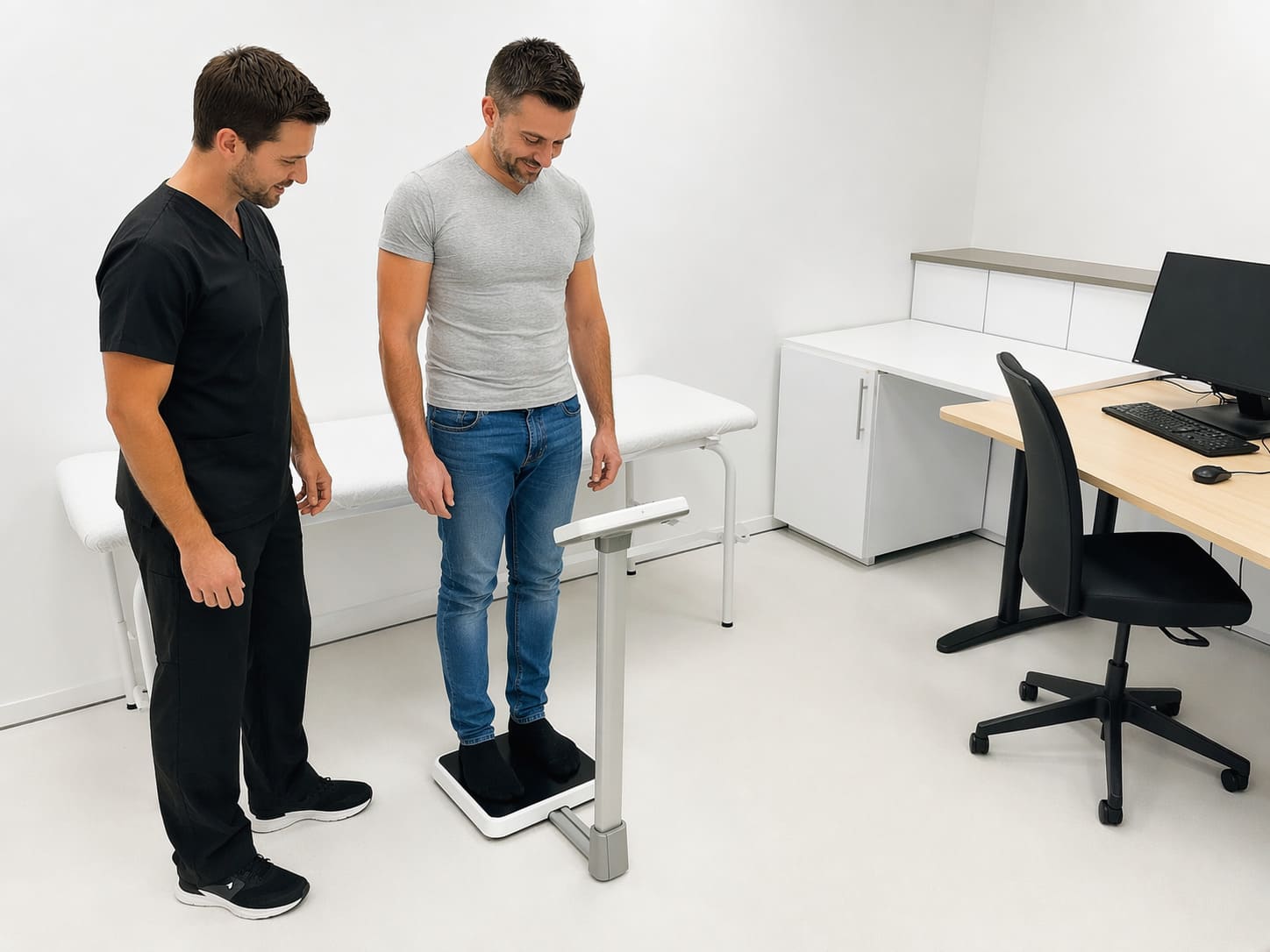
Men’s Health – Sexual Health Testing Preparation – Illustrative Image
What Is In This Article
The Gap Between What Most Men Assume and What Prostate Health Actually Demands
A man in his mid 40s can feel entirely well, book the occasional general health check, and assume prostate problems belong to a later stage of life. That assumption is common. It is also where the gap begins.
Most men think prostate issues arrive with obvious warning signs and old age. In reality, risk can shift earlier than expected, and symptom onset does not always match what is happening in the prostate itself. Some changes develop quietly, which means that waiting for something dramatic can create a false sense of reassurance.
Public information often reflects that tension. NHS advice and guidance from bodies such as the British Association of Urological Surgeons encourage men to think in terms of risk, symptoms, and family history together, not age alone. A man with an affected father or brother may face a different risk picture from someone of the same age with no known inherited factors. Ethnicity matters too, because Black men are generally recognised as having a higher risk of prostate cancer.
That is why “no symptoms” and “no concern” are not interchangeable. Reassurance comes from a proper look at personal risk and, where appropriate, structured assessment. Clarity is different from comfort, and for many men in their 40s and 50s, clarity is what actually matters.
The Tension Between Subtle Symptoms and ‘Wait-and-See’ Approaches
Minor urinary changes are easy to explain away. A man starts getting up once or twice in the night, notices a weaker stream, or finds that passing urine takes longer to start. He puts it down to stress, ageing, coffee, poor sleep, or a busy routine.
Some of those explanations may be reasonable. Lower urinary tract symptoms, often shortened to LUTS in clinical settings, can have several causes, including benign prostate enlargement, bladder issues, fluid intake patterns, or medication effects. The difficulty is that symptoms do not neatly separate themselves into harmless and serious categories.
Gradual change creates its own problem. When something worsens over months, self-assessment becomes unreliable because each small shift feels manageable on its own. A man may adapt without realising how much has altered, particularly if the issue is not painful. The same applies to erectile changes or altered ejaculation, which can be linked to several factors, including prostate changes, vascular health, medication, or hormonal patterns.
What should prompt action is not a single perfect symptom but a pattern that persists, progresses, or starts to affect daily life. Recurrent hesitancy, a sense that the bladder is not emptying properly, frequent night waking to pass urine, visible blood in the urine or semen, pelvic discomfort, or new urinary urgency all deserve proper review. NICE guidance supports structured assessment of these symptoms because the point is to sort out what is causing them, not to guess from home.
Watchful waiting has a specific meaning in clinical practice. It does not mean ignoring symptoms and hoping they fade. It means symptoms have been assessed, risk has been considered, and a clinician has decided that active monitoring is appropriate for that situation. Without that framework, “wait and see” is often just delay with a calmer name.

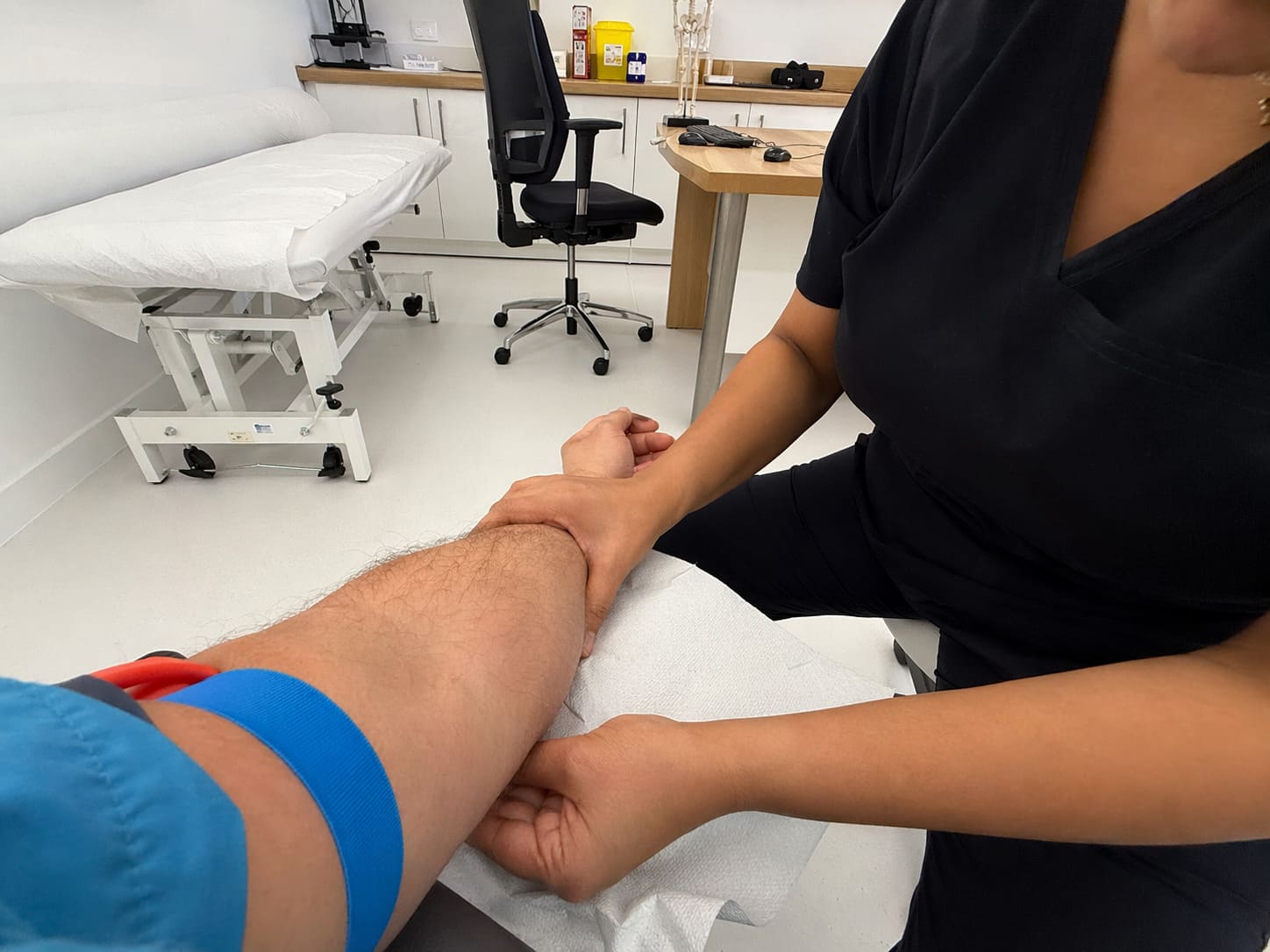
Men’s Health – Men’s Blood Test Room – Illustrative Image
The Divide Between Standard Checks and Personalised Risk Assessment
Picture two men aged 48. One has no urinary symptoms, no known family history, and no other obvious concerns. The other also feels well but has a father who was treated for prostate cancer in his early 60s and is of Black ethnicity. A standard check may look similar on paper. Their actual risk does not.
Routine screening conversations can become too generic if they focus only on age or a single blood test. Prostate-specific antigen, or PSA, can be useful, but its meaning depends heavily on context. PSA levels can rise for several reasons, including benign enlargement, inflammation, infection, and cancer. A result on its own is rarely the whole story.
Personalised assessment adds the details that standard protocol can miss, including family history documentation, ethnicity, symptom pattern, previous PSA results, examination findings, and the timing of repeat testing where needed. Risk stratification models aim to place a result inside a fuller picture rather than treat every man in the same age bracket as clinically identical. In a structured setting such as Future Care Medical, that usually means the assessment follows a pathway instead of stopping at a single number.
The useful comparison is simple. Standard checks can tell you whether something obvious stands out today, but personalised screening is better at showing what your result means for you and whether follow-up should look different next year.

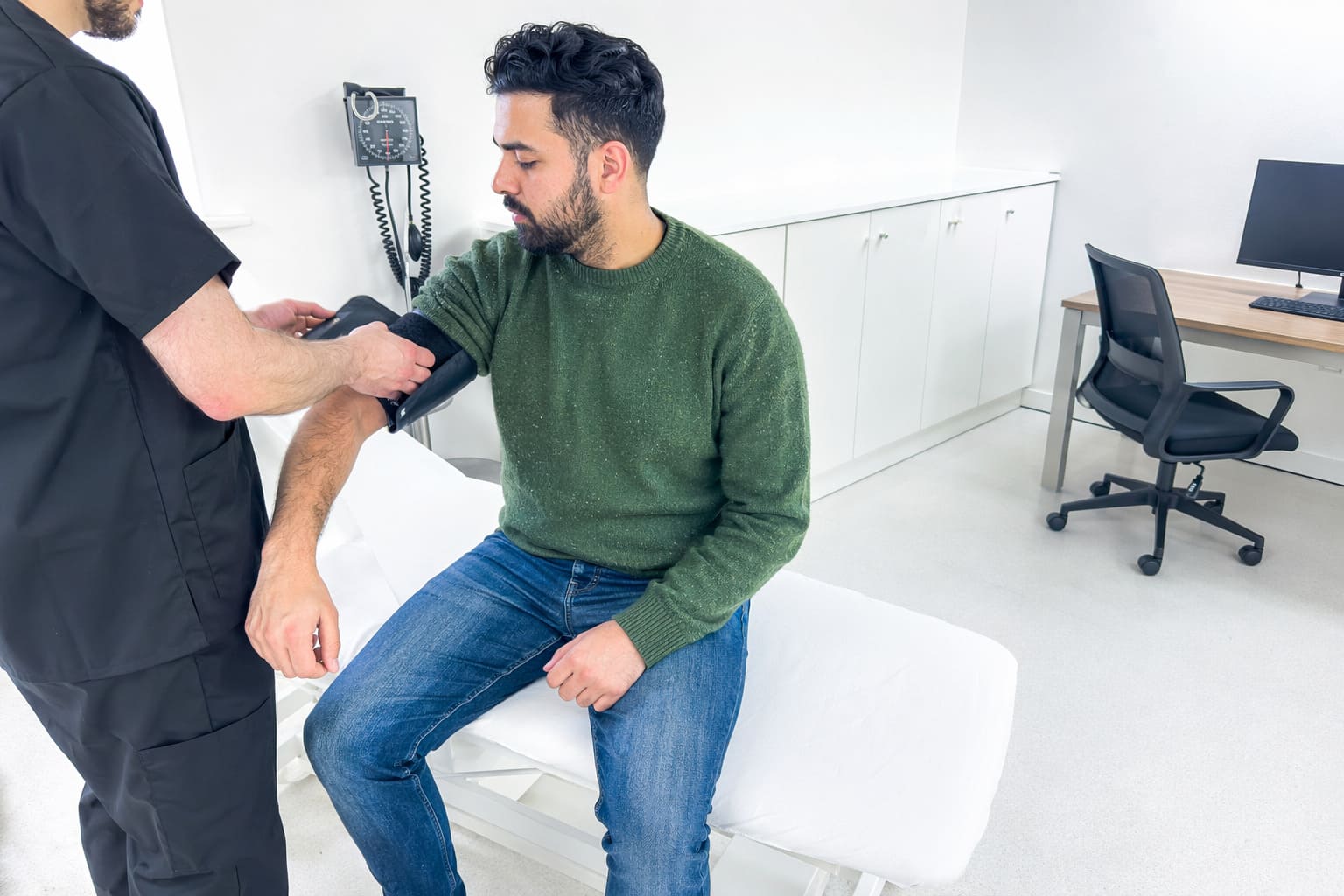
Mens Health – Sexual Health Guidance Consultation – Illustrative Image
The Contrast Between Rapid Access and Delayed Clarity
A busy professional in the City of London notices urinary changes, books an appointment, has a test, then waits. Days turn into weeks. One result leads to another appointment, and the next step stays unclear in the meantime.
For many, the real difference lies in how quickly those separate parts are joined up. Delayed pathways can be frustrating for practical reasons, but the larger issue is uncertainty. A symptom, a PSA result, or a referral note means less when nobody has yet placed it in a clear clinical context.
Consultant-led clinics with integrated diagnostics aim to shorten that gap between concern and interpretation. Rapid appointments, blood testing, examination, and planned follow-up can turn a vague worry into a defined pathway much sooner. For men working around Liverpool Street, Moorgate, Bank, or London Wall, access in central London can matter simply because convenience affects whether assessment happens promptly or keeps getting postponed.
At Future Care Medical, the value of the setting is less about speed for its own sake and more about continuity. A structured pathway allows the same issue to be assessed, investigated, and reviewed without unnecessary drift between steps. That does not guarantee a particular outcome, but it does reduce the period in which a man is left trying to interpret fragments of information on his own.

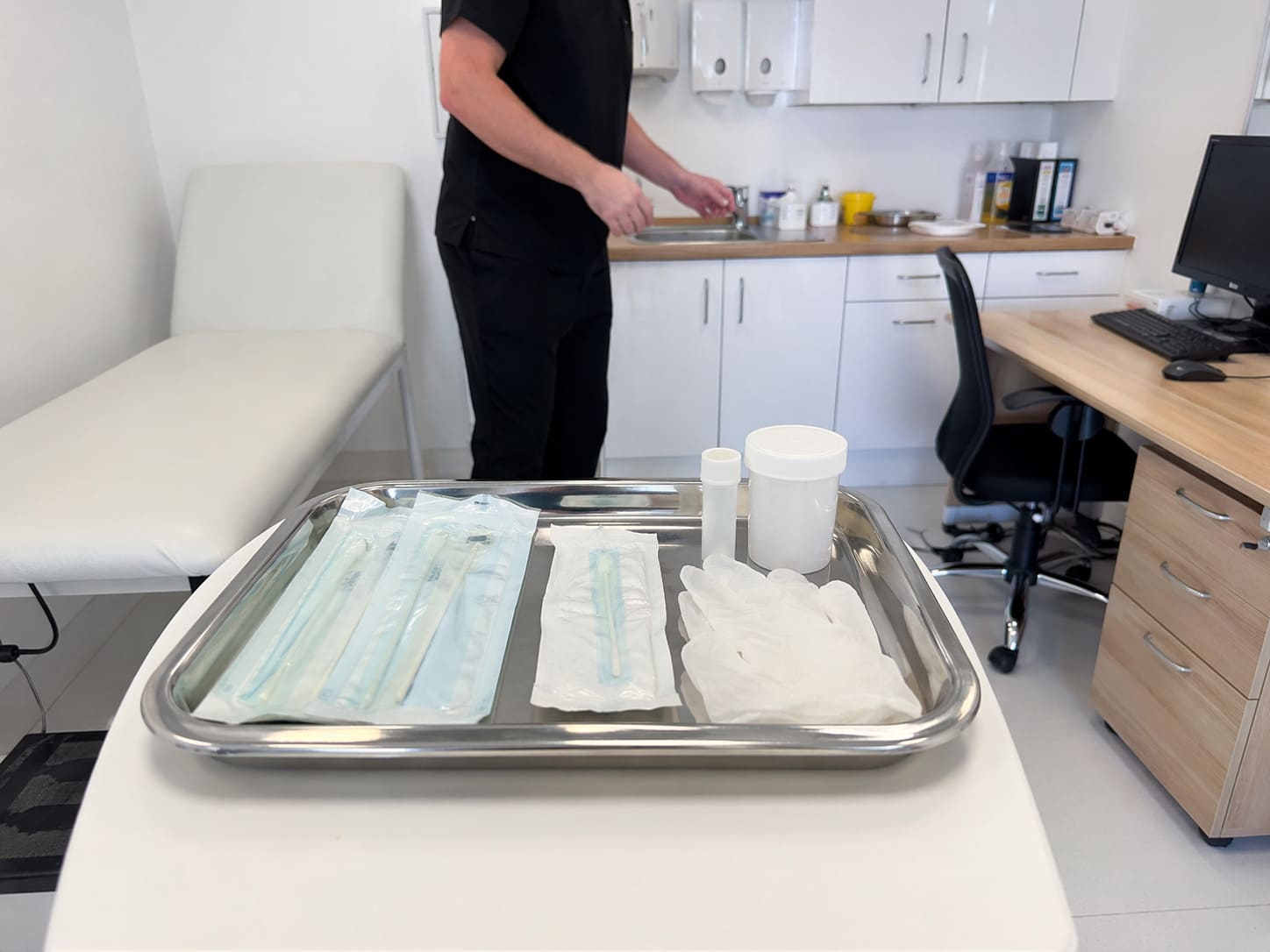
Men’s Sexual Health – Consultation Discussion – Illustrative Image
The Long View: Reactivity Versus Ongoing, Informed Oversight
Some men only deal with prostate health when a symptom becomes too disruptive to ignore. Others build it into regular health oversight, particularly once they reach their 40s or 50s and their personal risk profile becomes clearer.
Reactive care often follows a familiar pattern. A symptom appears, gets dismissed, returns, worsens, and finally triggers an appointment when it starts interfering with sleep, work, sex, or travel. At that point, the consultation is shaped by urgency, irritation, and uncertainty. Decisions tend to be made quickly because the problem now feels immediate, even if it has been developing for some time.
Ongoing oversight works differently. A structured health review can note baseline symptoms, family history, changes in PSA over time where testing is appropriate, and any shift in urinary or sexual function that might otherwise seem too minor to mention. Longitudinal care models are built around that accumulation of context. One isolated appointment can answer a question. Periodic assessment can show a pattern.
The psychological difference is easy to overlook. Men who rely on episodic checks often move between two unhelpful states: dismissing symptoms because they seem mild, then worrying once they become harder to ignore. Men who have regular monitoring usually have a steadier sense of where they stand, even when follow-up is needed, because the next step has already been thought through inside a preventative medicine framework.
Consider the contrast between noticing a weaker urinary stream at 46 and mentioning it only at 51 when night waking becomes frequent, versus raising it early, recording the baseline, and reviewing whether it changes over time. The first approach turns five years into a blur of assumption. The second turns the same five years into usable clinical information.
Long-term outcomes tend to be better served by informed oversight than by reaction to disruption. One approach waits for the body to force the issue. The other pays attention early, adds context as the years pass, and leaves far less room for guesswork.