Do you need a doctor’s letter to travel with prescription medication this summer?
Most travellers do not need a doctor’s letter for every routine medicine, but you may need one when the medicine is controlled, injectable, a liquid over United Kingdom airport security limits, hard to replace abroad, or restricted by your destination. A good letter links you, the medicine, the dose, quantity and travel dates.

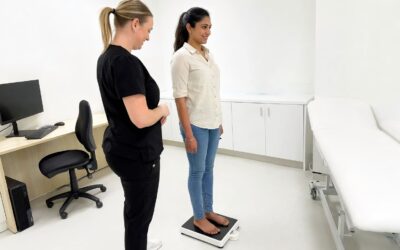
Referral Consultation Wide View – Illustrative Image
What Is In This Article
A travel medication letter has to match your medicine and route
A doctor’s letter for prescription medication works best as targeted evidence. A vague note that says you take medication is much less useful than a document that matches your prescription, your trip and the rules that apply to that medicine.
For many routine medicines, sensible baseline evidence means keeping the medicine in its original pharmacy packaging and carrying a copy of the prescription. TravelHealthPro also advises travellers taking regular medication to prepare well in advance and to carry a prescriber’s letter where appropriate. That point matters for summer travel planning, because problems rarely arise when everything is straightforward. They arise when the medicine is in a form or category that prompts extra questions.
Risk increases where the medicine contains a controlled drug, needs injection equipment, comes as a larger liquid container, or may be difficult to replace abroad. Destination restrictions can also change the position. A medicine prescribed in the United Kingdom may still face different import rules elsewhere.
Treat the prescription medication letter for travel as part of your evidence, alongside the label, prescription record and country checks. It supports the case that the medicine is yours and prescribed for you, but it does not replace the rules of the country you enter.
A useful letter gives specific prescription and travel details
Someone carrying a labelled inhaler for a short trip may need less documentation than someone travelling with an injection medicine or a controlled-drug prescription. The quality of the letter sits in the detail, because border control and overseas clinicians need to see exactly what the medicine is and why you have it.
A useful doctor letter for medicines abroad should normally include:
- Your full name, matching your passport or travel document.
- The travel dates, so the quantity being carried makes sense.
- Medicine details using the generic medicine name, since brand names can differ between countries.
- Dose, strength and quantity, written plainly enough for a non-specialist official to read.
- The prescriber’s details and signature. For controlled substances and injection medications, TravelHealthPro advises using letterhead stationery.
For controlled-drug medicine, GOV.UK says proof can be either a prescription or a letter from the doctor. Where a proof letter is used, GOV.UK says it should include the traveller’s name, travel dates, a list of medicines with quantity, dose and strength, and the prescriber’s signature.
That standard gives your general practitioner, or GP, a clear basis for the document. The GP still needs to review the prescription and your information before writing anything clinically appropriate.

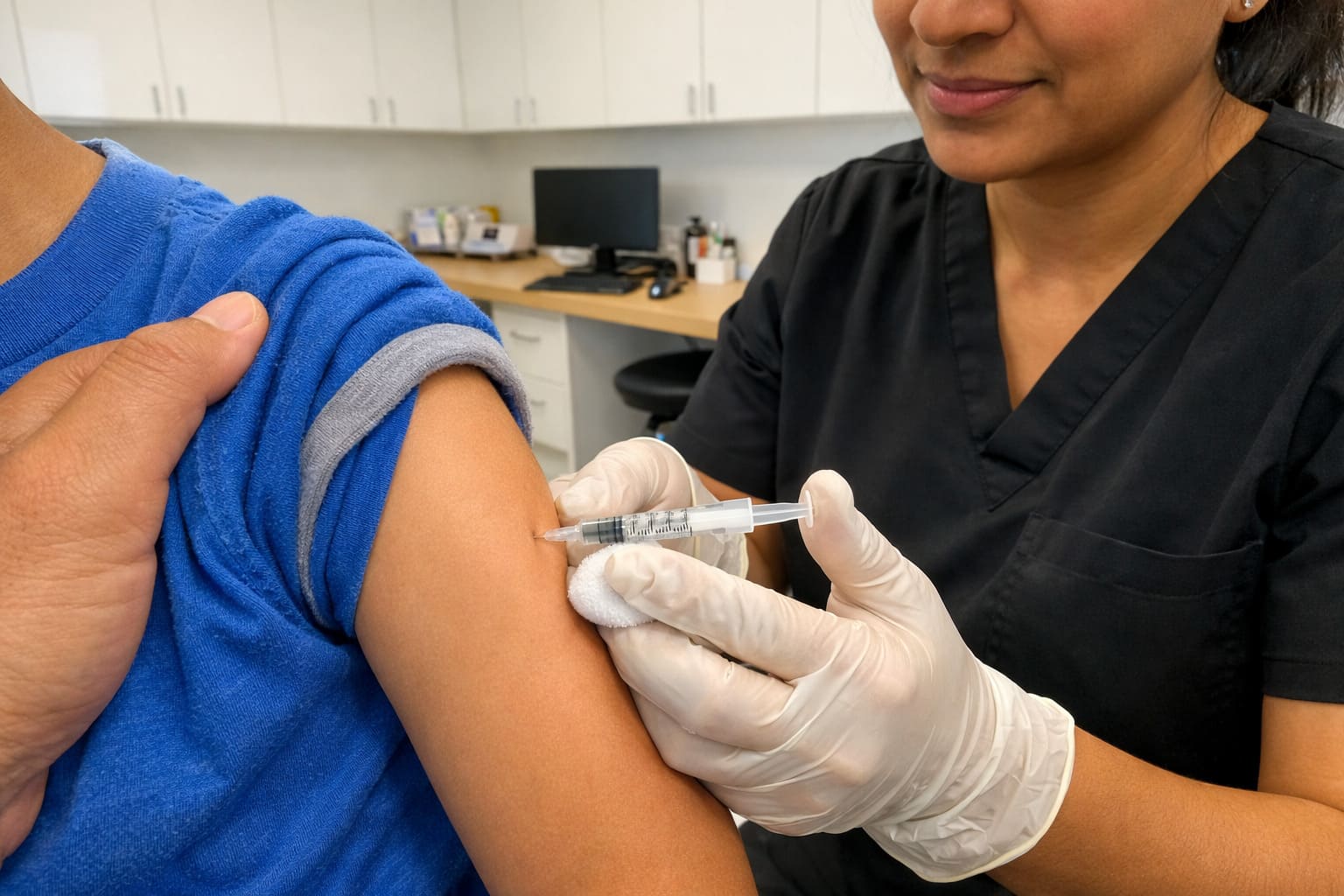
Prescription Consultation Discussion – Illustrative Image
Airport security, controlled-drug proof and destination rules are separate checks
Three checks can sit inside one journey, but each one asks a different question. Airport security looks at what you carry through screening, controlled-drug rules look at proof that the medicine belongs to you, and destination rules look at whether the medicine can enter that country.
United Kingdom airport security deals with liquid proof
United Kingdom airport hand luggage rules are often the simplest part of the issue. GOV.UK says proof that medication is prescribed is needed at airport security if the medicine is both in liquid form and in a container larger than 100ml. That proof can be a doctor’s letter or a copy of the prescription.
Tablet medication and smaller liquid containers do not create the same security proof requirement under that rule, although controlled-drug medicine has a separate set of checks. Keep the distinction clear, because a security screening rule does not answer customs or destination-country import questions.
Controlled-drug proof links the medicine to you
Controlled drugs are medicines that contain substances controlled under United Kingdom misuse of drugs law. Some people associate this only with strong pain medicine, but the category can also include other prescribed medicines depending on the substance.
For controlled-drug medicines, GOV.UK says travellers entering or leaving the United Kingdom must carry them in hand luggage, and border staff may take them away if prescribed ownership cannot be proved. Before taking medicines abroad, ask your doctor or pharmacist whether the medicine contains a controlled drug. If it does, the destination country’s rules need checking before you travel.
A prescription may be enough in some cases, but a GP letter for medication abroad can make the evidence clearer because it ties the medicine to your identity, dose and travel dates.
Destination-country rules decide what can enter
Country-specific rules are where many travellers lose time. Some countries do not allow entry of certain medicines, and some require permission before the medicine can be brought in. That applies to prescription medicines and to some medicines available over the counter in the United Kingdom.
Embassies, consulates and high commissions are the right route for destination-specific medicine import rules. Transit countries matter as well, because a connection can put you under another country’s rules even if you do not leave the airport.
A prescription medicine travel letter is useful only when it sits beside these checks. A strong letter can prove what the medicine is and why you carry it; it cannot change a destination country’s permission rules.

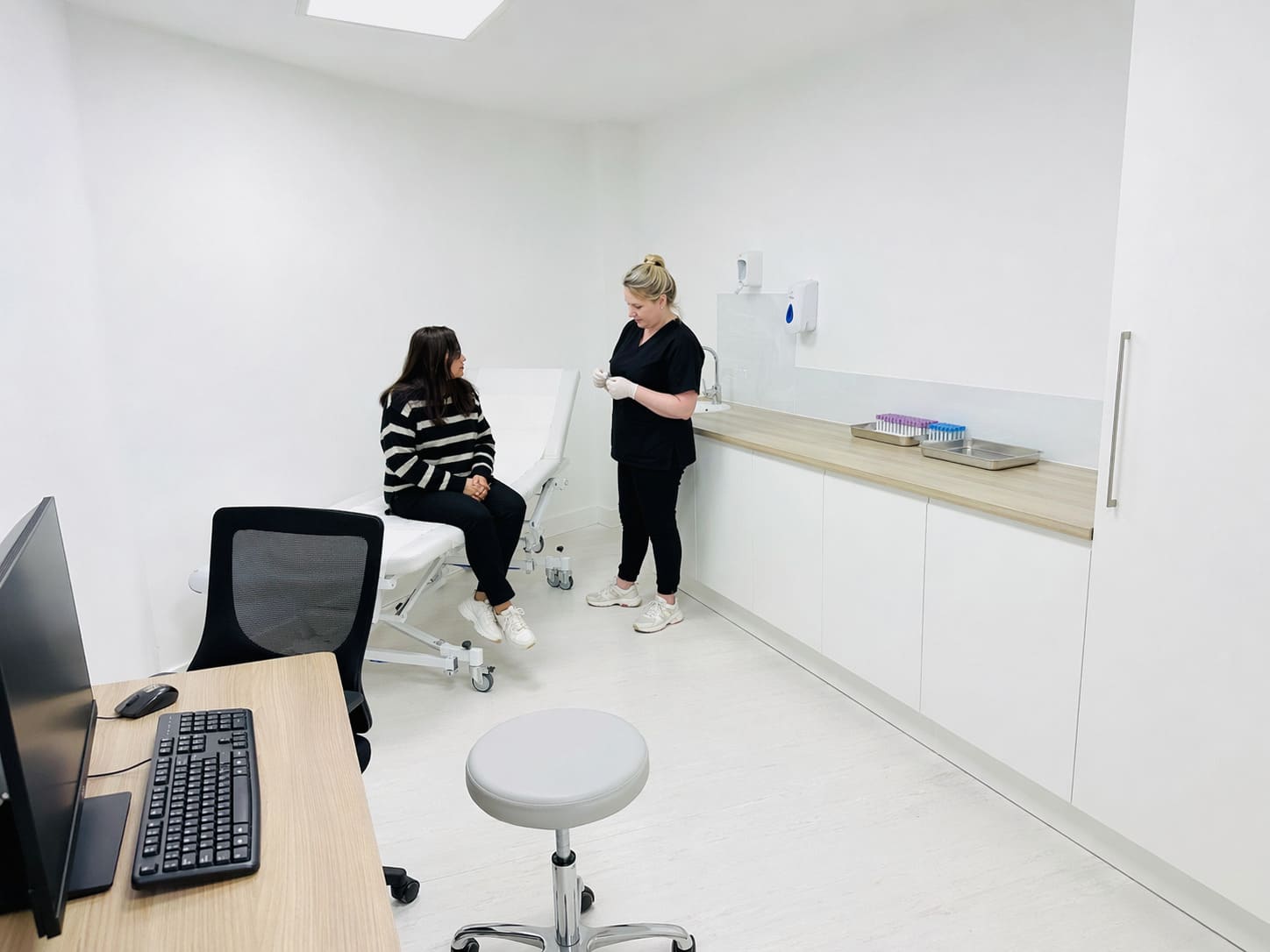
Prescription Advice Consultation – Illustrative Image
A GP appointment works best when your details are ready
When departure is close and you realise a letter may be needed, the appointment should be treated as a documentation review, not a request for a signature. Missing details can lead to a vague letter, and vague paperwork is exactly what you are trying to avoid.
For a GP appointment for a travel medication letter, prepare the following before you attend:
- Bring the medicine details. Include the medicine name, generic name if available, strength, dose and the quantity you plan to carry.
- Bring proof of prescription. The original pharmacy packaging, prescription label, repeat prescription record or other available medical information helps the GP verify the details.
- Write down your route. Include travel dates, destination country and any transit country, because the route affects what needs checking.
- Flag controlled-drug concerns early. GOV.UK advises asking a doctor or pharmacist whether the medicine contains a controlled drug, so raise this directly if you are unsure.
- Bring any destination guidance you have found. Embassy, consulate or high commission information can help the GP write a letter that reflects the actual travel issue, rather than producing a generic note.
For patients working near London Wall, Liverpool Street, Moorgate or Bank, Future Care Medical is a City of London option for a focused private GP consultation and medication travel documentation review. The clinic states that patients are often asked for a brief reason for attendance and any available medical information before a private GP appointment, which is exactly the information a letter depends on.
Clinical review still comes first. A GP can issue a letter only where the prescription, evidence and purpose support it.
Structured review beats a rushed generic note
Last-minute travel preparation often pushes people toward the fastest document they can obtain. Speed matters when you have work, flights and family plans to manage, but a quick letter with thin detail can fail at the point where it is needed most. The stronger route is a structured review that checks the medication, route and evidence before the letter is written.
A private GP appointment gives space for that review. Future Care Medical states that a private GP consultation generally includes assessment, discussion of the issue, relevant examination where needed and a plan, which may include treatment, follow-up or a letter where clinically appropriate. Its published GP consultation prices are £105 for 15 minutes, £160 for 30 minutes and £240 for 60 minutes, with appointment length depending on the issue and whether records need review.
For a straightforward prescription medication letter London patients may need a shorter review. More complicated medication histories, controlled-drug questions or missing records may need longer. The deciding factor is not the label “travel letter”; it is the amount of clinical and prescription information the GP has to check before writing safely.
Two approaches are common. One is to assemble packaging, screenshots and a loose note at the last moment, then hope each checkpoint reads them the same way. The better long-term approach is to have the medicine, dose, quantity, travel dates and route checked in a proper clinical appointment, then carry accurate documentation alongside the prescription evidence and country checks. Convenience fades fast at a border desk; accuracy still has work to do.

Prescription Outcome Detail – Illustrative Image
Common questions about travelling with prescription medication
Can a pharmacist tell you whether your medicine is a controlled drug?
Yes. GOV.UK advises travellers to ask their doctor or pharmacist whether a medicine contains a controlled drug before taking it out of the United Kingdom.
Do transit countries matter for prescription medication rules?
Yes. A transit country can matter because you may pass through its controls or rules during the journey. Check the medicine rules for the final destination and any country you travel through.
What if my medicine has a different brand name overseas?
A prescriber’s letter should use the generic medicine name where possible. Generic names help officials and overseas clinicians identify the medicine even when local brand names differ.
Can a private GP issue a travel letter without reviewing my medication?
A private GP should review the prescription details and relevant medical information before issuing a letter. The letter needs to be clinically appropriate and accurate, especially for controlled drugs, injections or medicines with destination restrictions.
Does attention deficit hyperactivity disorder medication need a travel letter?
Some attention deficit hyperactivity disorder medicines may be controlled depending on the substance. Ask your doctor or pharmacist to confirm the status, then check the destination country’s rules before travel.
This is general information, not medical advice.