What can a medical clinic do for persistent facial redness or suspected rosacea?
A medical clinic can separate rosacea from other causes of facial redness, then match treatment to the pattern: flushing, fixed redness, visible vessels, inflammatory bumps or eye symptoms. Skincare may calm irritation, but assessment identifies whether prescriptions, device-based treatment, eye review or monitoring belongs in the plan.
Women’s Ear Clinic Consultation – Illustrative Image
What Is In This Article
Persistent facial redness is a clinical pattern, not a skincare category
Persistent facial redness is not automatically rosacea, even when the redness sits across the cheeks and nose. Rosacea becomes more likely when redness, facial flushing, visible blood vessels, sensitivity, burning, stinging or acne-like bumps continue despite sensible product changes.
The British Association of Dermatologists describes rosacea as a long-term skin condition that mostly affects the face and can fluctuate from mild to severe. It commonly affects the cheeks, forehead, chin and nose, and it can appear as persistent redness, dilated blood vessels, bumps and pus-filled spots.
Product response tells you less than people think. Barrier irritation can settle when you remove a harsh cleanser, but ongoing redness needs a different question: what pattern is present, and what else could look similar? Rosacea can appear in any skin type, although it is seen more in fair skin, so skin tone alone should not decide whether assessment is worth doing.
Some people keep buying redness products because they assume medical care will offer the same advice in different packaging. Proper assessment does something more useful. It separates redness into features that can be examined, named and matched to a treatment route.
The redness pattern directs the treatment route
A clinic does not treat all facial redness as one problem. The visible pattern matters because fixed redness, flushing, visible vessels, inflammatory bumps and eye symptoms do not all respond to the same approach.
The BAD 2021 rosacea management guideline uses a phenotype-based approach, which means classifying rosacea by its visible and reported features. In plain terms, the clinician asks what kind of redness you have before deciding what belongs in the plan.
| Pattern you notice | What it may suggest clinically | Why it changes the route |
|---|---|---|
| Fixed central redness across the face | Fixed centrofacial erythema, which means lasting central facial redness | Redness control and vascular treatment discussions may be relevant, depending on suitability |
| Flushing episodes | Facial flushing and trigger-linked redness | Trigger review and symptom pattern matter before choosing treatment |
| Visible small blood vessels | Telangiectasia, meaning visible dilated vessels | Device-based options may enter the discussion where suitable |
| Red bumps or pus-filled spots | Papules and pustules linked with inflammatory rosacea | Prescription treatment is often the main route to discuss |
| Burning, stinging, dryness or swelling | Sensory and skin-surface features that can overlap with irritation | Product irritation, dermatitis and rosacea features need separating |
| Eye irritation or eye redness | Possible ocular rosacea | Eye symptoms need direct attention and may need an eye specialist review |
| Skin thickening, especially nose changes | Phymatous change, meaning thickened skin change | The plan differs from ordinary flushing or spots |
One face can show more than one pattern. A person may have fixed redness and visible vessels, then flare with papules during a stressful week. Another person may have stinging and dryness that looks like rosacea but is being driven by irritation from products or medication.
Eye symptoms deserve their own line in the assessment, not a passing mention. Painful eye inflammation involving the front of the eye can occur in rosacea, so irritated or painful eyes should be treated as clinically relevant rather than folded into ordinary facial redness.
Women’s Ear Clinic Follow-Up – Illustrative Image
A medical assessment narrows the cause before treatment starts
Someone whose cheeks stay red after changing cleanser and using sun protection has reached the point where another product swap may waste time. A medical assessment looks at the pattern, checks for lookalike conditions and decides whether skincare support is enough or whether treatment should move into prescription or procedural territory.
Rosacea is often diagnosed by appearance, and specific tests are not usually required. That does not make the assessment casual. The value lies in how the clinician reads the distribution, duration, flare pattern and associated symptoms, then checks for other explanations such as acne, eczema, dermatitis, lupus-like rashes, medication-related flushing or steroid-induced redness.
A structured assessment usually follows a clear order:
- History first. The clinician asks when the redness started, what makes it flare, whether it burns or stings, and whether bumps, pustules or eye symptoms are present.
- Product and medication review. Skincare, steroid creams, active ingredients and recent medication changes can all alter the face and confuse the pattern.
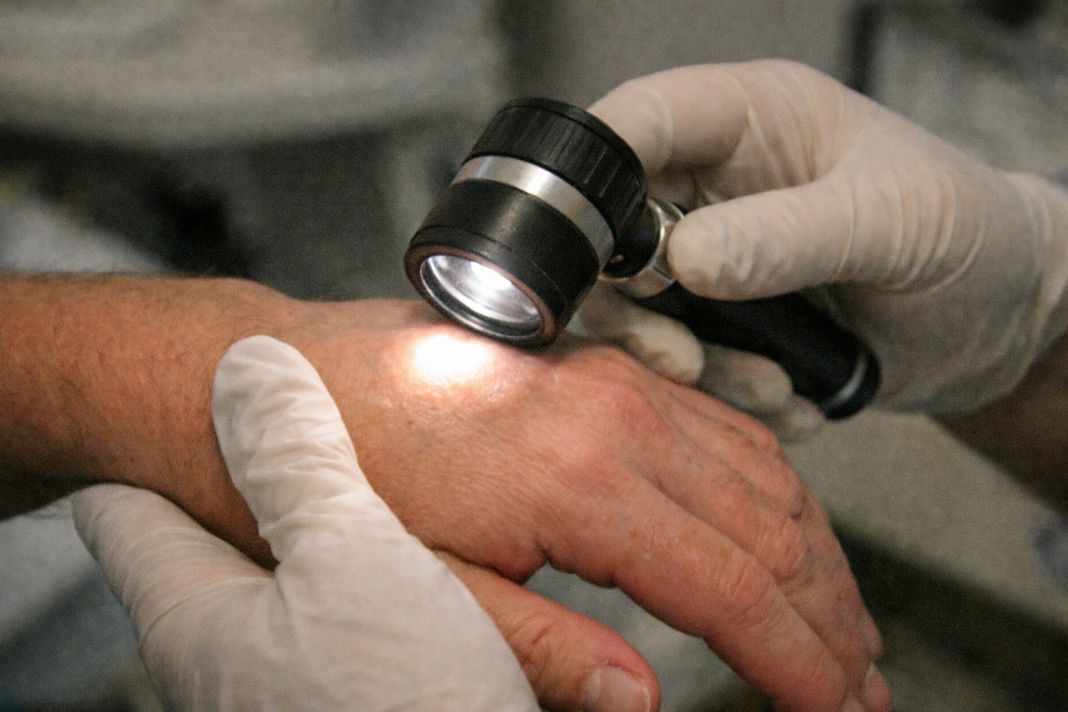
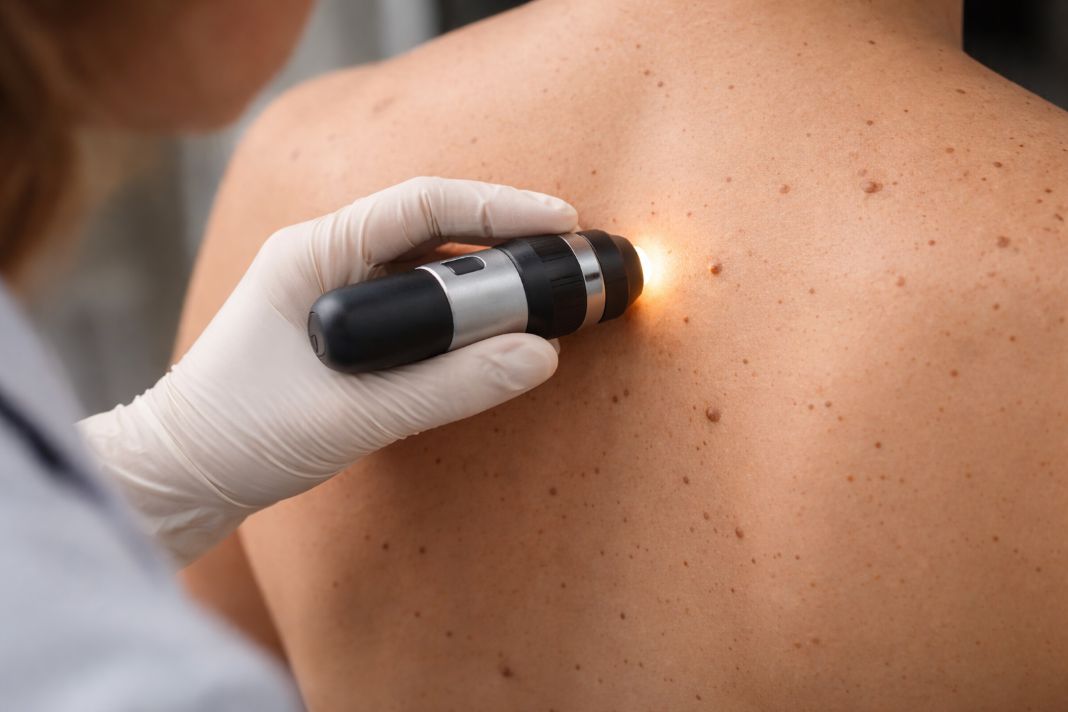
- Skin examination. The clinician looks at where the redness sits, whether vessels are visible, and whether inflammatory lesions are present.
- Differential diagnosis. Lookalike conditions are considered before rosacea treatment is chosen, because treating the wrong cause delays useful control.
- Plan selection. The outcome may be skincare support, prescription treatment, device-based discussion, eye review or monitoring with follow-up.
For someone working around Liverpool Street, Bank or Moorgate, location matters because review and treatment planning need to fit real working patterns. Future Care Medical is a London Wall clinic where GP services, dermatology and doctor-led medical aesthetics sit within one setting. That is useful when redness needs both medical diagnosis and careful discussion of procedural suitability.
That order matters. Treatment chosen before diagnosis is guesswork with nicer packaging.
Men’s Ear Clinic Follow-Up – Illustrative Image
Treatment beyond skincare depends on the dominant feature
Yes, options exist beyond skincare, but they are not interchangeable. The right treatment route depends on whether the dominant problem is inflammation, fixed redness, visible vessels, flushing, eye involvement or a mixture of features.
Skincare still has a place. Gentle cleansing, barrier support and sun protection reduce avoidable irritation, but they do not replace diagnosis when redness persists. Medical treatment starts when the pattern has been classified.
Prescription routes for inflammation
Papulopustular rosacea, which means rosacea with red bumps and pus-filled spots, is the pattern where prescription treatment is often most relevant. BAD recommends ivermectin, metronidazole or azelaic acid as first-line topical options for this inflammatory form.
More severe papulopustular rosacea may need an oral antibiotic. That does not mean rosacea is simply a bacterial infection. Antibiotics are used in this setting for their anti-inflammatory effect, and long-term oral antibiotic use is avoided where possible.
Facial erythema, meaning persistent facial redness, sits in a different category. Topical brimonidine may be considered where facial erythema is the main feature, but it needs careful explanation because reports of redness flaring after stopping treatment are part of the discussion.
Device-based routes for redness and vessels
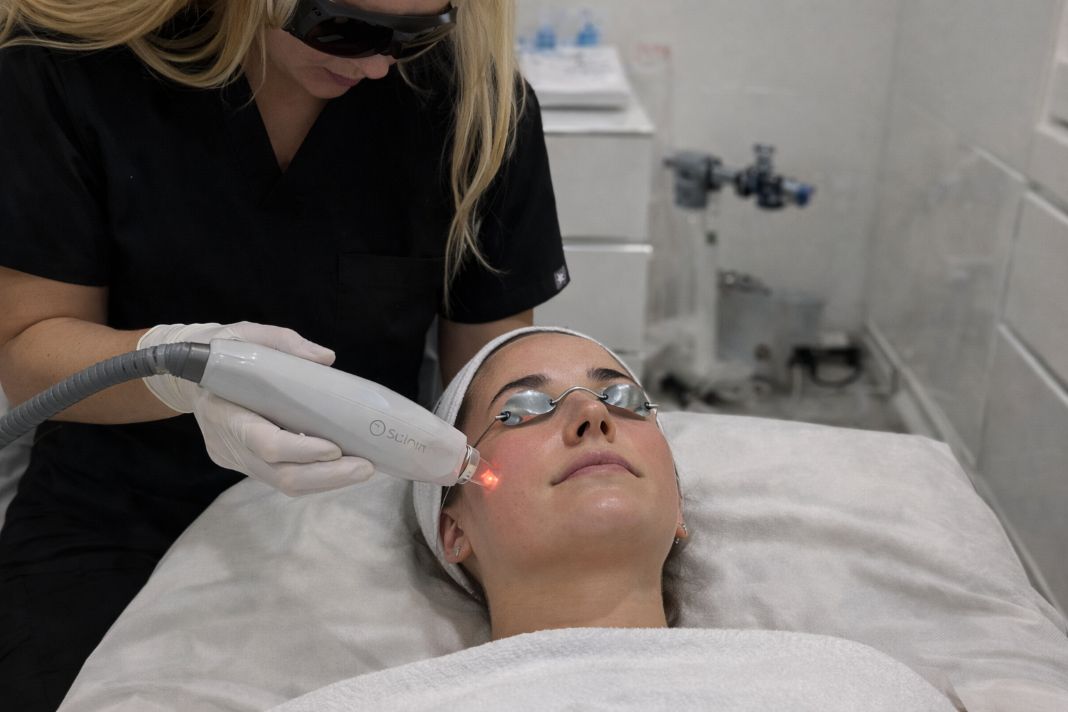
Persistent facial redness and visible vessels may lead to a discussion about pulsed dye laser, Nd:YAG laser or intense pulsed light, often called IPL. These options are considered for vascular redness where the main feature is persistent erythema, and safe practice requires an appropriately qualified laser practitioner.
Device-based treatment is not a universal rosacea answer. It will not replace prescription treatment for active inflammatory bumps, and it should not be presented as a permanent cure. The trade-off is simple. Vascular features may suit a procedural route, inflammatory features usually need a prescription-led plan, and mixed presentations need sequencing.
Future Care Medical’s relevant strength here is its medical setting, because dermatology and doctor-led medical aesthetics overlap in rosacea care. Suitability, consent and follow-up matter most when a treatment could sit on either side of that line.
Follow-up turns rosacea care into a managed plan
Repeated flare-ups can make rosacea feel as if every treatment has failed. The better reading is usually that rosacea needs review because it is long-term, fluctuating and influenced by triggers as well as skin treatment.
The BAD Patient Hub is clear that rosacea cannot be cured, but long-term treatments can be helpful. For the inflammatory element, topical treatment may take at least 8 weeks before its effect becomes evident, so an early judgement can be misleading if the plan is otherwise sound.
Trigger management still earns its place. Alcohol, exercise, hot and cold temperatures, hot drinks, spicy foods, stress and sun sensitivity can make rosacea worse, so tracking flares gives the clinician more useful information than a vague memory that the face is always red.
Follow-up is where the plan becomes sharper. If bumps settle but fixed redness remains, the discussion changes. If eye symptoms appear, the plan must account for that. If a topical treatment irritates the skin, the next decision is adjustment, not simply pushing through.
The point to prioritise is classification before treatment, because the wrong category of redness leads to the wrong plan.
Men’s Ear Clinic Consultation – Illustrative Image
Common questions about persistent facial redness and rosacea
Why is my face always red even when I am not hot?
Ongoing redness can come from rosacea, irritation, dermatitis, medication-related flushing or another skin condition. Rosacea is more likely when redness is persistent and sits with flushing, visible vessels, bumps, pustules, burning or stinging.
Is rosacea the same as acne?
Rosacea can cause acne-like bumps and pustules, but it is not the same condition as acne. The surrounding redness, flushing, visible vessels and sensitivity often point the assessment in a different direction.
Do you always need antibiotics for rosacea?
No. Antibiotics are considered for more severe papulopustular rosacea, and they are used for their anti-inflammatory effect in this setting. Mild or different patterns of rosacea may need other routes.
Does laser treatment help all rosacea symptoms?
Laser and intense pulsed light may be considered for persistent redness or visible vessels where suitable. They are not the main answer for inflammatory bumps, eye symptoms or every flushing pattern.
What should you bring to a facial redness appointment?
Bring the names of products you use, any recent medication changes and a clear note of what triggers flares. Photos from flare days can also help show a pattern that is not visible during the appointment.
This is general information, not medical advice.