What does private menopause and HRT care in London usually cost?
Private menopause and HRT care in London is best priced as a pathway, not a single appointment. Your total cost is shaped by the first consultation, follow-up, any blood tests that are clinically needed, prescription handling, medication from the pharmacy and any extra investigations if risk factors or symptoms need checking.

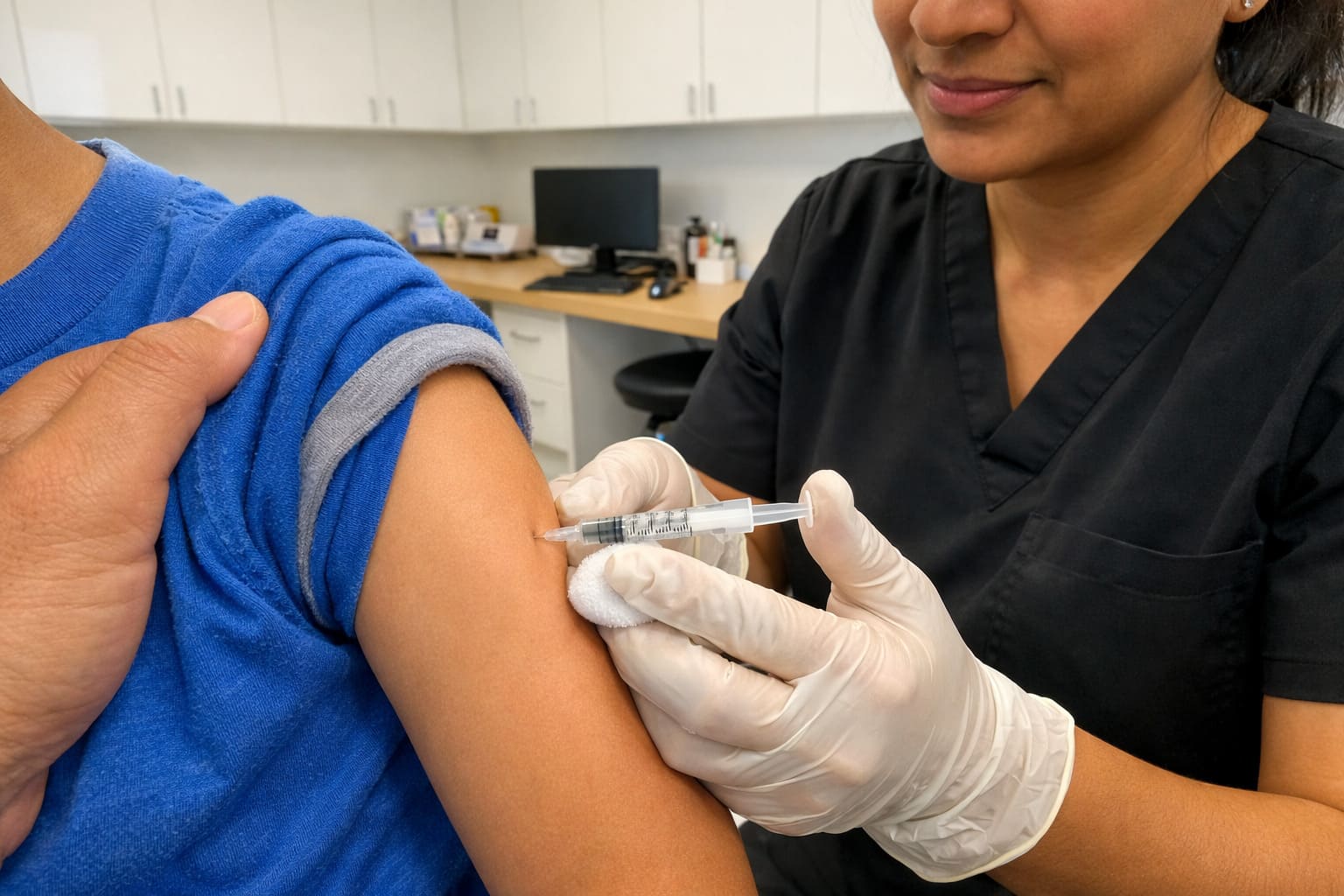
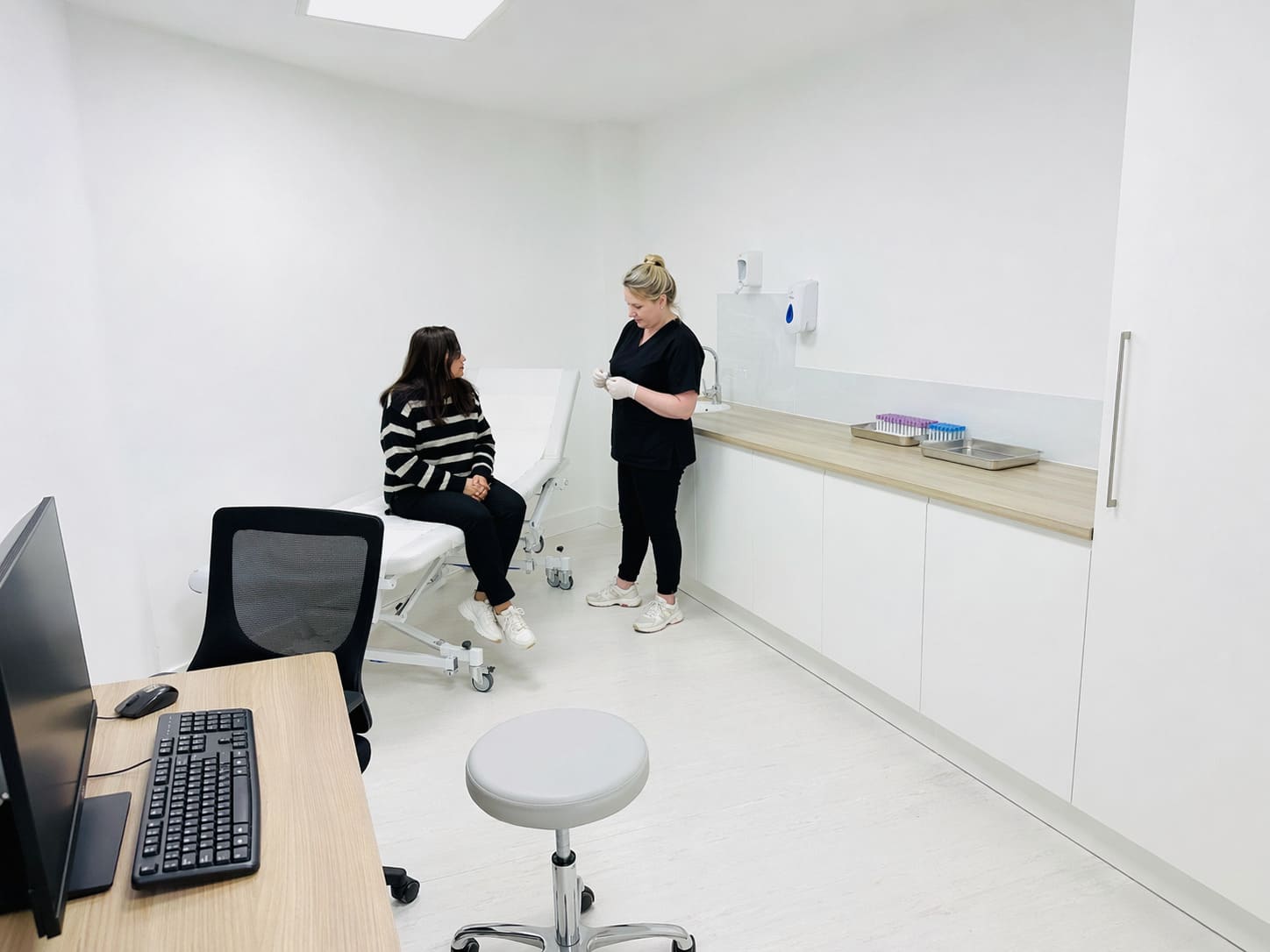
Menopause Consultation Room – Illustrative Image
What Is In This Article
Private menopause care has a cost stack, not one fixed fee
Private HRT cost in London is made up of separate parts, so a low headline appointment fee does not tell you the whole spend. A proper menopause consultation cost should be judged alongside review plans, testing decisions, prescription arrangements and the cost of the medication itself.
Future Care Medical lists private GP consultations at £105 for 15 minutes, £160 for 30 minutes and £240 for 60 minutes, with prescription included on its GP services pricing. That gives a clear starting point for a Central London appointment, but the actual cost of private menopause care depends on what the clinician needs to assess, prescribe and review safely.
Across current UK private HRT cost guidance, initial appointments sit at about £150 to £465 and follow-up appointments at about £85 to £250. First-year private HRT service costs are commonly estimated at £620 to £1,800, excluding medicine costs charged by the dispensing pharmacy.
| Cost component | What it covers |
|---|---|
| First appointment fee | Symptom history, medical history, risk review and discussion of treatment options |
| Follow-up review | Checking response, side effects, dose fit and whether the plan needs changing |
| Blood tests | Used when they answer a clinical question, such as an unclear presentation or broader health check |
| Prescription issue | The prescription itself, which may be included or charged separately depending on the provider |
| Medication cost | The HRT supplied by the pharmacy, charged separately from the consultation in many cases |
| Further investigation | Used when bleeding, risk factors or another concern needs checking before or during treatment |
Baseline hormone panels are commonly priced at about £80 to £150, with follow-up hormone levels often listed at about £50 to £100. Those tests have a place, but paying for a panel does not automatically make care safer or clearer.
Cost control comes from knowing which parts of the pathway are clinically needed, not from stripping out assessment and review.
A private menopause consultation is a decision-making appointment
A private menopause consultation should establish whether your symptoms fit perimenopause or menopause, whether HRT is suitable, and what would make one plan safer than another. The appointment should lead to a clinical view, not a rushed product choice.
Periods can still be present during perimenopause, so the clinician will not rely on a single label. Hot flushes, sweats, sleep change, mood change, vaginal dryness and low libido can all matter, but the way those symptoms fit with your cycle pattern, medical history and current medicines is what shapes the plan.
A practical consultation sequence looks like this:
- Symptom and cycle review. The clinician asks what has changed, how long it has been going on and whether periods have become irregular or stopped.
- Medical risk check. Your history is reviewed for factors that could affect HRT suitability, including breast cancer history and venous thromboembolism risk, which means the risk of a blood clot in a vein.
- Current medicines are checked, because some prescriptions and conditions affect what is safe or sensible.
- Bleeding and contraception discussion. Bleeding patterns, pregnancy risk and contraception matter during perimenopause, even when symptoms strongly suggest hormonal change.
- Uterus status. People with a uterus usually need combined HRT, which includes oestrogen and a progestogen. People who have had a total hysterectomy are usually considered for oestrogen-only HRT.
- The clinician then links symptoms, risk and preference into a treatment plan, which may include HRT, local treatment, further checks or a review before prescribing.
NICE recommends offering HRT to people with vasomotor symptoms associated with menopause, such as hot flushes and sweats, but suitability still has to be assessed. That distinction matters because a prescription is only useful if the route, dose and review plan make sense for you.
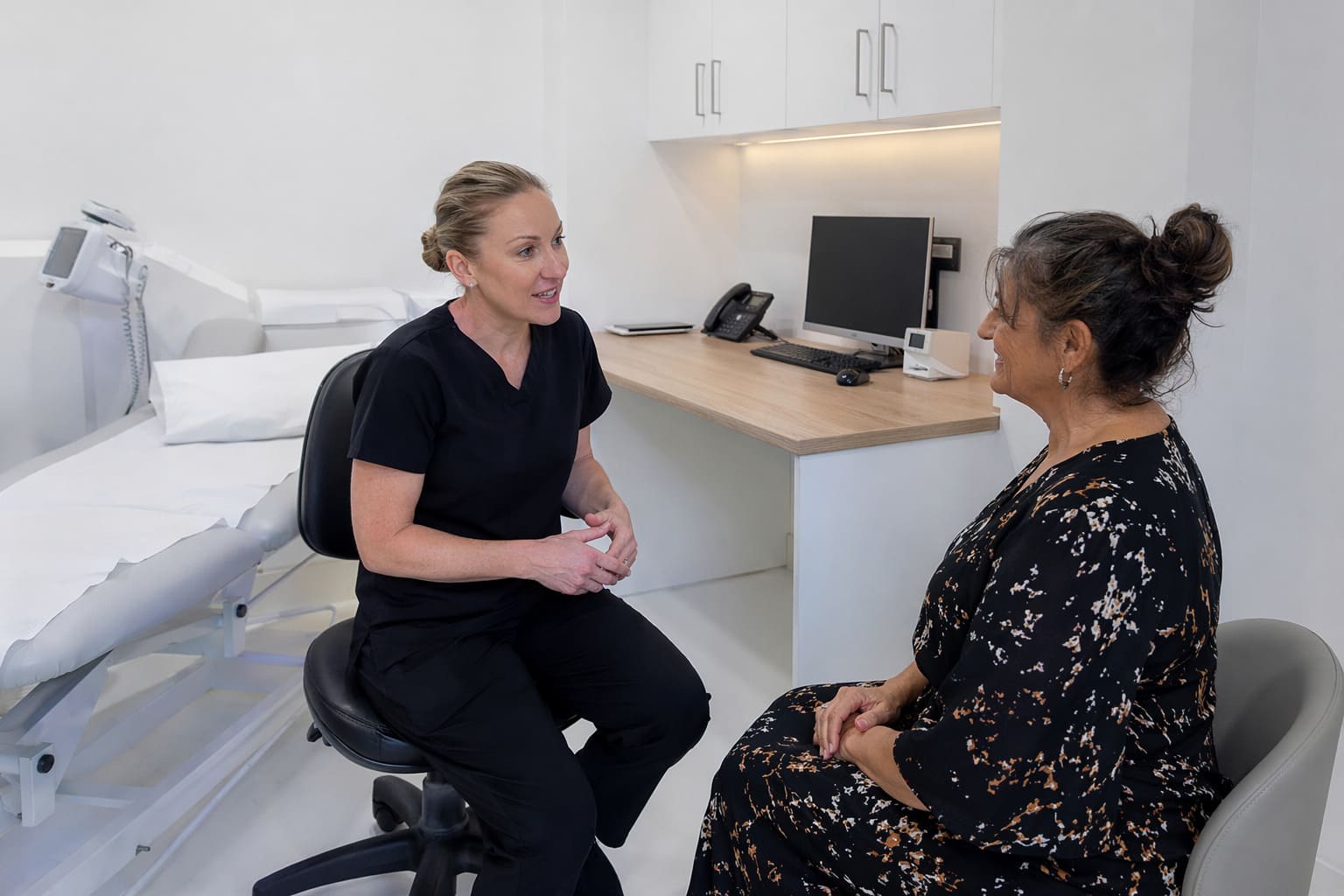
Menopause Follow-Up Consultation – Illustrative Image
Blood tests should answer a clinical question
Hormone blood tests are not a universal gateway to HRT. For many otherwise healthy people aged 45 or over with menopause-associated symptoms, NICE guideline NG23 says perimenopause and menopause should be identified without laboratory tests.
That point is often missed in private care marketing. A hormone panel can look precise, but a single result can be hard to interpret in perimenopause because hormone levels fluctuate. A result that falls within a laboratory range does not settle the question if your symptoms and cycle changes point in a different direction.
Testing becomes more useful when the clinical question is specific. NICE says follicle-stimulating hormone testing, often shortened to FSH testing, should only be considered to confirm menopause in people aged 40 to 45 with symptoms and cycle change, or in people under 40 when menopause is suspected. In younger people, that can include concern about premature ovarian insufficiency, which means loss of normal ovarian function before 40.
Blood tests can also support wider medical assessment, especially when symptoms could have another cause or when treatment safety needs checking. The useful test is targeted testing with a purpose. Routine hormone panels for everyone add cost without always changing the decision.
A safe HRT plan explains the reason for each choice
A safe HRT plan should make the prescribing logic clear. The clinician should be able to explain the type of HRT, the route, the starting dose, the symptom target and the review point in language you can repeat back later.
Future Care Medical frames menopause and hormone care as a doctor-led clinical pathway, which is the right model for this sort of decision. The value sits in how the plan is reasoned through, especially for women working around the City of London who need clarity without repeated vague appointments.
Systemic HRT choices
Systemic HRT means treatment that works through the body, for symptoms such as hot flushes and sweats. Current clinical guidance expects discussion of combined versus oestrogen-only HRT, transdermal versus oral HRT, types of oestrogen and progestogen, sequential versus continuous combined HRT, dose and duration.
Those terms sound dense, but the practical meaning is straightforward. Transdermal HRT goes through the skin, such as a patch, gel or spray. Oral HRT is taken by mouth. Sequential combined HRT gives progestogen for part of the cycle, while continuous combined HRT gives oestrogen and progestogen continuously.
Risk can affect the route. For people with increased risk of venous thromboembolism, including those with a body mass index over 30 kg/m², current guidance recommends considering transdermal HRT instead of oral HRT. If a person chooses HRT, the lowest effective dosage should be used.
The words body-identical and bioidentical need careful handling. Body-identical HRT usually refers to regulated preparations with hormones that match human hormones in structure. Bioidentical is sometimes used for compounded hormone products, and that label should not be treated as proof of better safety or effect.
Local symptoms and add-on options
Local symptoms need a separate conversation because systemic HRT does not always deal with them fully. Genitourinary symptoms associated with menopause include vaginal dryness, pain with sex, vulvovaginal discomfort or irritation, and discomfort or pain when urinating.
Vaginal oestrogen can be offered for those symptoms, including for people already using systemic HRT. That is a local treatment decision, and it should sit inside the same plan rather than being treated as an afterthought.
Testosterone has a narrower role. It can be considered for low sexual desire associated with menopause if HRT alone is not effective. It should not be presented as a general fix for tiredness, work pressure or every change that happens in midlife.
A plan is a clinical rationale, not a product list.

Menopause Consultation Discussion – Illustrative Image
Follow-up and City of London access shape whether the plan works
A working-day review near London Wall, Liverpool Street, Moorgate or Bank can make the difference between a plan that is checked properly and one that drifts. Follow-up is part of the treatment because HRT needs review after it starts.
NICE recommends reviewing each menopause symptom treatment at 3 months to assess efficacy and tolerability, then annually unless an earlier review is clinically indicated. In plain terms, the clinician checks whether symptoms have improved, whether side effects are acceptable and whether the dose or preparation needs changing.
Unscheduled bleeding is one reason review matters. NICE says vaginal bleeding is common during the first 6 months of systemic HRT or within 3 months of changing dose or preparation, and medical help should be sought promptly if unscheduled bleeding continues beyond those timeframes.
Convenient Central London access is not a cosmetic detail for busy patients. If you work in or commute through Zone 1, care is easier to maintain when review, GP input and diagnostic access sit within a defined clinical pathway rather than scattered appointments.

Women’s Health – Personalised Care Discussion – Illustrative Image
Structured menopause care outlasts a quick prescription
One approach chases the fastest private HRT prescription. The other starts with assessment, explains suitability, uses tests only where they answer something useful, and sets a review point before the plan is left to run.
The faster route can look efficient at the beginning, especially if you already know the words oestrogen, progesterone and HRT. Problems appear later when bleeding, side effects, dose questions or contraception have no clear place to go. A prescription without a review plan is a thin form of private care.
Structured menopause care takes a little more discipline. It separates consultation fees from medicine costs, clinical reasoning from hormone panel noise, and preference from safety. Over the long term, the better approach is the one that tells you why each decision was made and when it needs to be checked again.
Common questions about private menopause and HRT care
Can a private GP prescribe HRT?
A private GP can prescribe HRT when it is clinically suitable and within the scope of the consultation. The decision should follow a symptom review, medical history check and discussion of risks, benefits and review.
Is HRT suitable if periods are still happening?
HRT can be considered during perimenopause, even if periods have not fully stopped. Cycle pattern, contraception needs and bleeding history still need review because they affect the safest plan.
What is the difference between body-identical and bioidentical HRT?
Body-identical HRT usually refers to regulated medicines with hormones that match human hormones in structure. Bioidentical is sometimes used for compounded products, and the term should not be taken as proof that a product is safer or more effective.
Can testosterone be used for menopause symptoms in the UK?
Testosterone can be considered for low sexual desire linked to menopause if HRT alone has not worked. It is a defined clinical option, not a general treatment for all menopause symptoms.
What extra costs can come after the first menopause appointment?
Extra costs can include follow-up reviews, blood tests, prescription fees, pharmacy medicine costs and further investigations if symptoms or risk factors need checking. Asking what is included in the first appointment helps you compare total pathway cost, not only the first fee.
This is general information, not medical advice.