Why am I still tired when my blood tests are normal?
Because a standard blood panel checks a fairly short list, and most of the common causes of persistent tiredness are not on it. Normal results are genuinely useful information. They rule out several conditions. They do not explain why you are exhausted, and they are not the end of the investigation.
The things that most often turn out to be responsible, disrupted or disordered sleep, a medicine you have been taking for years, mood, or a pattern where activity itself makes you worse, do not show up in a blood sample at all. They are found by asking the right questions.
So the next step is usually not a bigger panel. It is a proper review of what was already tested, and a clear description of what your tiredness actually does to you.
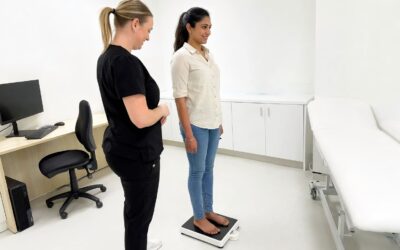
Men’s Health – Blood Pressure Check – Illustrative Image
What Is In This Article
What a standard blood panel does and does not cover
Ask which tests were run. An initial panel often covers a small group of common causes, typically anaemia and thyroid function, and stops there.
A full blood count and a ferritin test answer different questions. The first looks at your blood cells, the second at your iron stores, and it is possible for one to look fine while the other has not been checked at all.
Be wary of anything suggesting your results are “normal but not optimal”. Reference ranges exist for a reason, and a result sitting near one end of the range needs interpreting alongside your symptoms and history rather than being treated as a target to correct.
The word tired covers four different problems
Low energy, falling asleep, losing strength and running out of breath are four separate symptoms, and they send the assessment in four different directions. Being precise about which one you have is the single most useful thing you can do before an appointment.
Timing matters too. Tiredness that is worst on waking, that arrives mid-afternoon, that follows a demanding week, or that turns up a day or two after activity all mean different things.
Low energy and falling asleep are not the same thing
Fatigue is a shortage of energy and stamina. Excessive daytime sleepiness is a tendency to actually doze off, in meetings, on the train, in front of the television, or worse, at the wheel.
Sleep-related breathing problems can present as fatigue even where obvious sleepiness is not the main feature, which is why the questions asked are about the night rather than the day: snoring, pauses in breathing that someone else has noticed, sleep that does not refresh you, headaches on waking, choking or gasping at night, broken sleep, getting up to pass urine, and trouble concentrating.
The Epworth Sleepiness Scale measures how likely you are to doze off. The STOP-Bang questionnaire adds the features associated with obstructive sleep apnoea. Both support the assessment and neither settles it on its own.
Weakness and breathlessness point somewhere else
Weakness means power has actually gone: struggling to rise from a chair, lift an arm above your head or grip properly. Fatigue makes starting things hard while the strength is still there once you begin. That distinction is worth getting right, because they lead to different examinations.
Breathlessness during ordinary activity, chest symptoms, or a clear drop in what you can manage physically all warrant a focused cardiovascular and respiratory assessment. New focal neurological symptoms direct things towards the nervous system instead.
Describe these in terms of what you can no longer do. “I get breathless on the stairs I used to run up” tells a clinician considerably more than “I feel exhausted”.
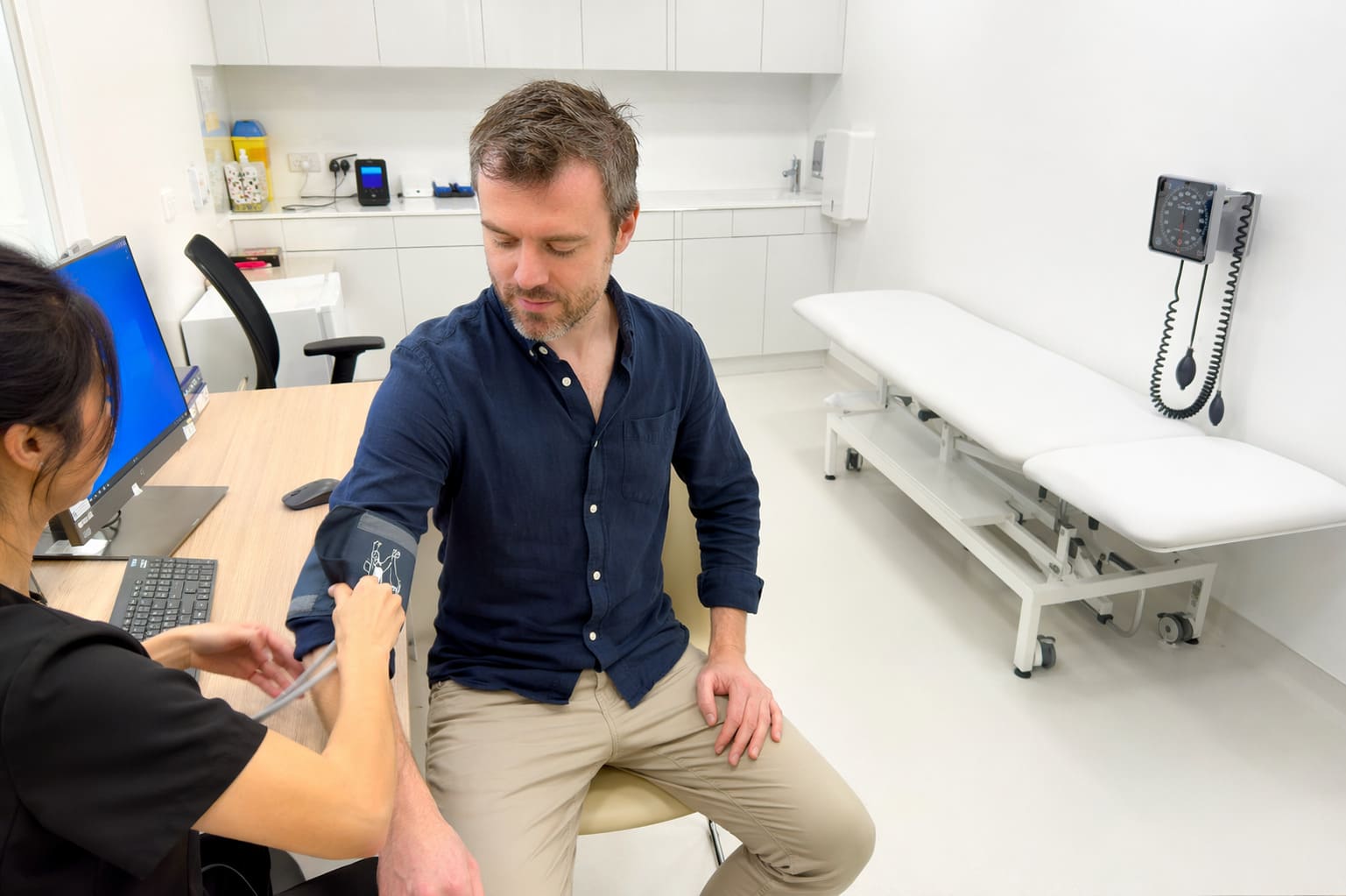
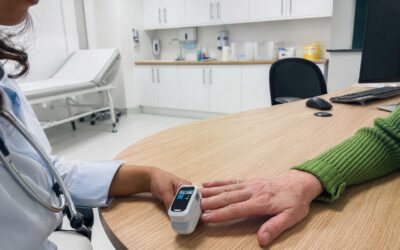
Comprehensive Health Check – Blood Pressure Check – Illustrative Image
A good review starts with the results you already have
The most common version of this problem is someone who has had the standard tests, been told everything is fine, and whose symptom pattern actually points at sleep, or their medication, or something a physical examination would pick up.
A thorough review runs roughly like this:
- Previous results first. What has been tested, when, and whether those results fit the symptoms you have now.
- The pattern of the tiredness. When it arrives, how bad it gets, and what it stops you doing, so it can be sorted into energy, sleepiness, weakness or breathlessness.
- The daily contributors. Shift work, long travel, alcohol, recreational substances and disrupted sleep all affect energy, and all are easier to identify than to guess at.
- The medicines. Sedatives, antidepressants, blood pressure medicines and antihistamines can all contribute, including ones you have taken without trouble for years.
- Mood and work pressure. The PHQ-9 and GAD-7 questionnaires screen for depression and anxiety alongside the physical assessment, not instead of it.
- Then the examination, and only then the tests. A focused cardiovascular, respiratory, endocrine and neurological examination usually decides whether the next step is bloods, a sleep study or a referral.
Two things make that appointment considerably more productive: bring your previous results, and bring a complete list of what you take, including anything over the counter. If you can, note for a fortnight beforehand when the tiredness is worst and what preceded it.
We provide rapid GP assessment and integrated diagnostics where the history and examination support them. You can see your own GP about this, or arrange a private GP consultation directly.
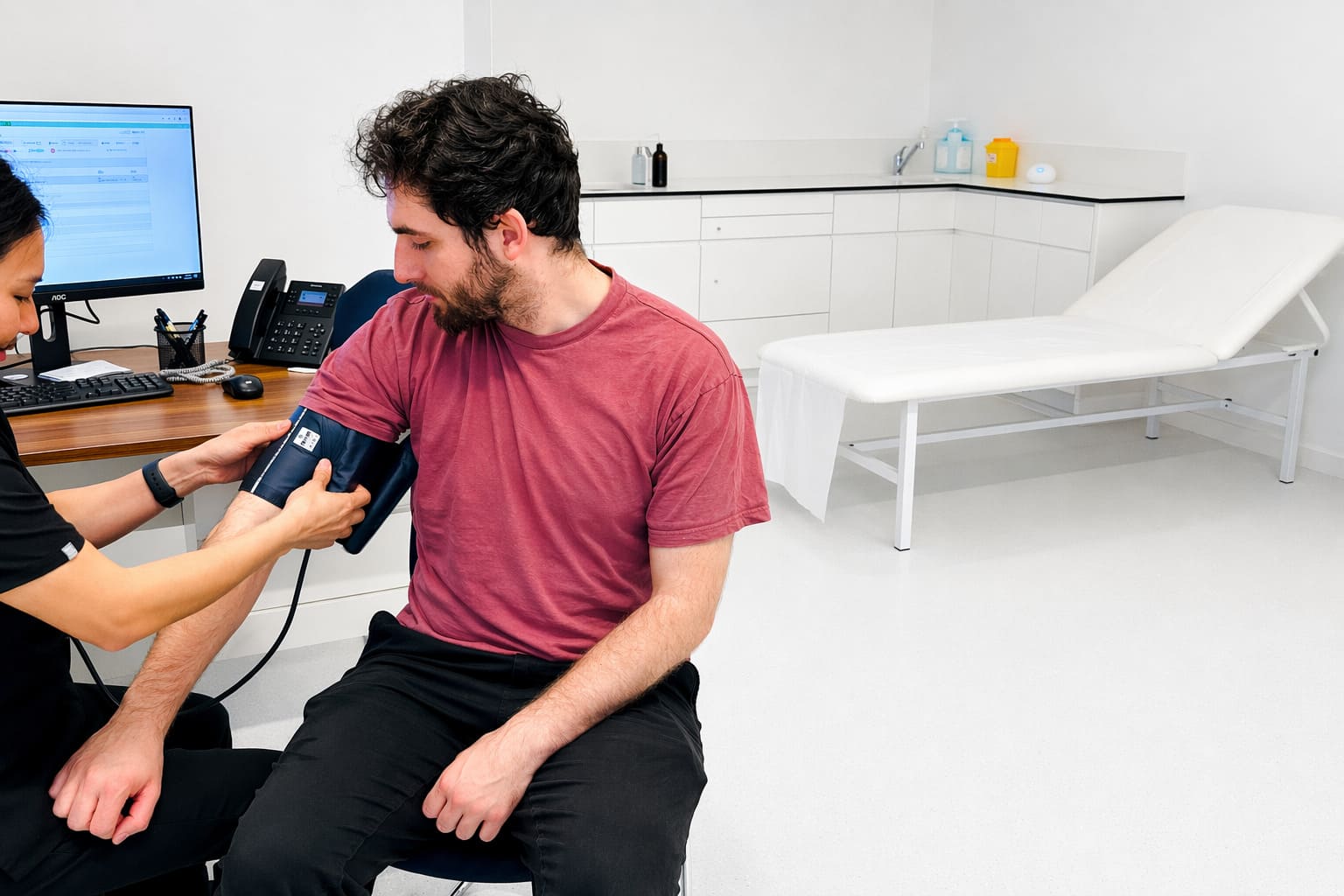
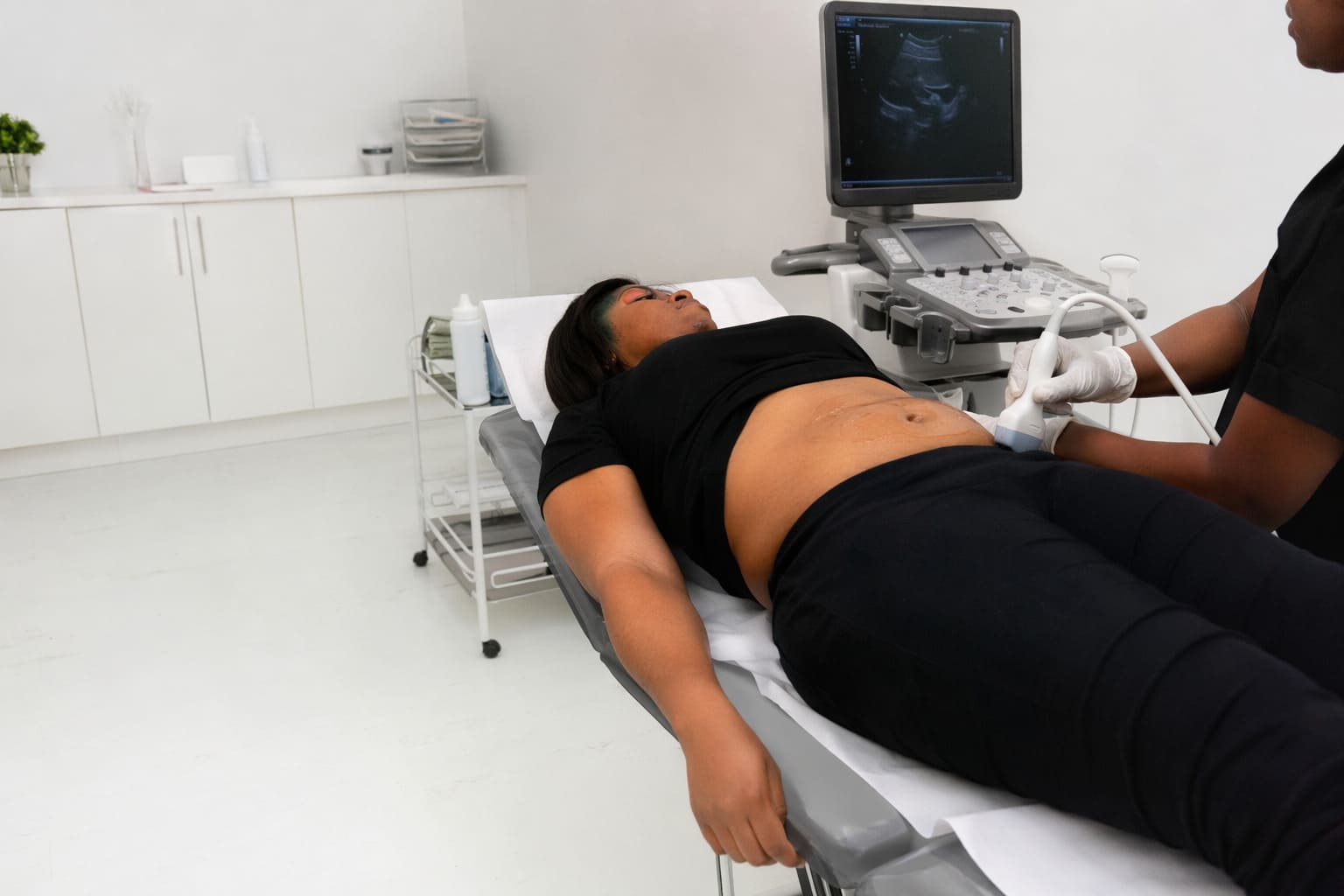
Essential Health Check – Blood Pressure Assessment – Illustrative Image
Some patterns need a different route entirely
Once the pattern is clear, the next check usually picks itself.
Sleep-related symptoms lead to a sleep study rather than more bloods. Home respiratory polygraphy, which records your breathing overnight at home, is the usual first investigation where the history suggests obstructive sleep apnoea. If that comes back negative and significant symptoms continue, further polygraphy or full polysomnography may be considered.
Post-exertional malaise is a disproportionate crash after physical, cognitive, emotional or social activity. It can start hours or even a day or two later, and it can take far longer to clear than ordinary tiredness after a busy week. It is a specific thing, not simply feeling shattered after a hard day.
NICE, which covers England, advises considering myalgic encephalomyelitis or chronic fatigue syndrome, known as ME/CFS, where activity-worsened fatigue occurs together with post-exertional malaise, unrefreshing or disturbed sleep and cognitive difficulty. In adults this can be suspected after six weeks of symptoms that substantially reduce what you were previously able to do, and diagnosed after three months where nothing else explains it.
While that is being assessed, keep activity within the energy limits you can feel. Programmes of fixed, incrementally increasing exercise are not part of the approach for diagnosed ME/CFS.
Symptoms that need looking at sooner rather than at a routine review: weight loss you did not intend, fever, night sweats, unexplained bleeding, marked breathlessness, chest symptoms or new focal neurological changes.
The useful shift is from asking what else could be tested to asking what your pattern actually points at. One targeted test chosen from clinical clues is worth more than a panel of forty ordered in hope.

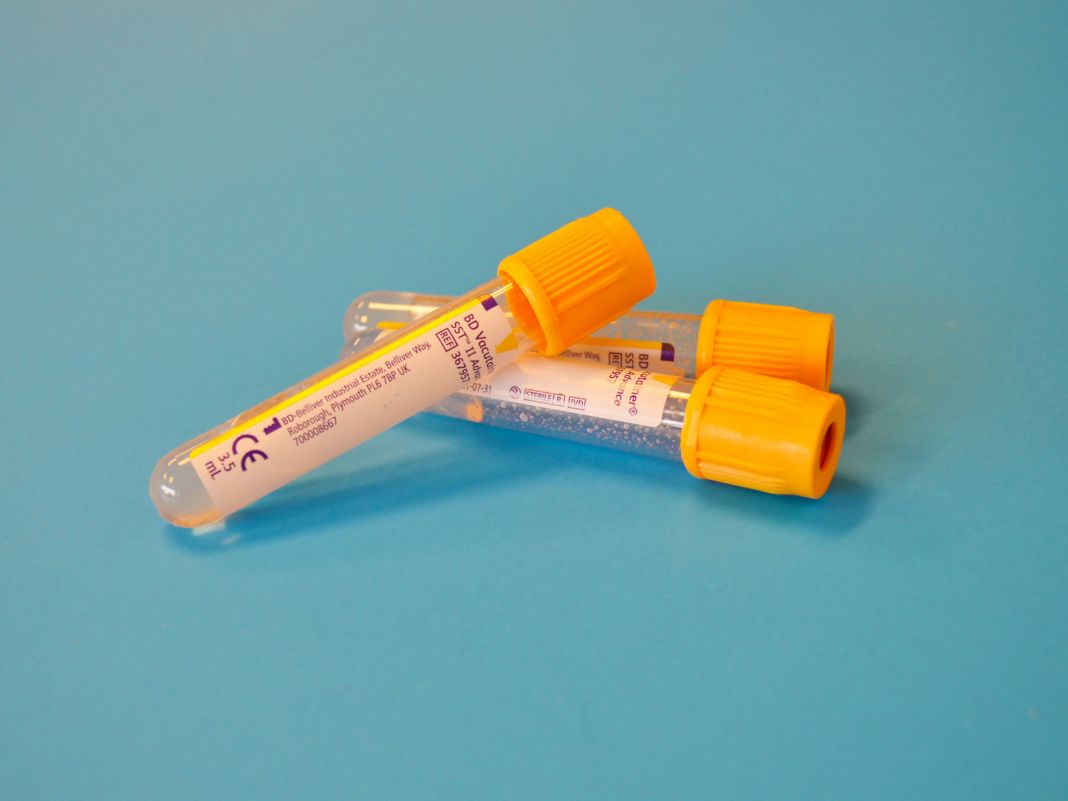
Women’s Health – Blood and Hormonal Test – Post Blood Draw Detail (2) – Illustrative Image
Questions we get asked about persistent fatigue
Can iron deficiency still matter if my full blood count is normal?
Yes, potentially. A full blood count and a ferritin test measure different things, and iron stores can be low before the blood count changes. Whether ferritin is worth checking depends on your symptoms and history.
Can medicines cause tiredness after years of use?
Yes. A medicine that suited you for a decade can start causing problems if the dose changes, if something new is added that interacts with it, or if how your body handles it shifts with age or a change in kidney or liver function. Length of use is not protection, which is why the whole list gets reviewed rather than just the recent additions.
Can sleep apnoea cause fatigue if I do not know that I wake up?
Yes, and that is the usual situation. The interruptions to breathing are brief and most people have no memory of them at all, which is why the condition is so often missed. A partner noticing snoring, gasping or pauses is frequently the first real clue, and waking unrefreshed despite a full night in bed is another.
Do PHQ-9 and GAD-7 questionnaires mean my fatigue is psychological?
No. They are screening tools used alongside the physical assessment, not a verdict on the cause. Mood and physical illness commonly occur together, and finding one does not remove the need to look for the other.
How long should I give it before asking for another review?
If tiredness is still limiting what you can do after the first round of tests, that is reason enough to go back. You do not need to wait for a new symptom to justify asking for a proper reassessment.
This is general information, not medical advice.
Reviewed by Fang He, BSc MSc, Advanced Nurse Practitioner and Chief Executive Officer at Future Care Medical, member of the Faculty of Sexual and Reproductive Healthcare.