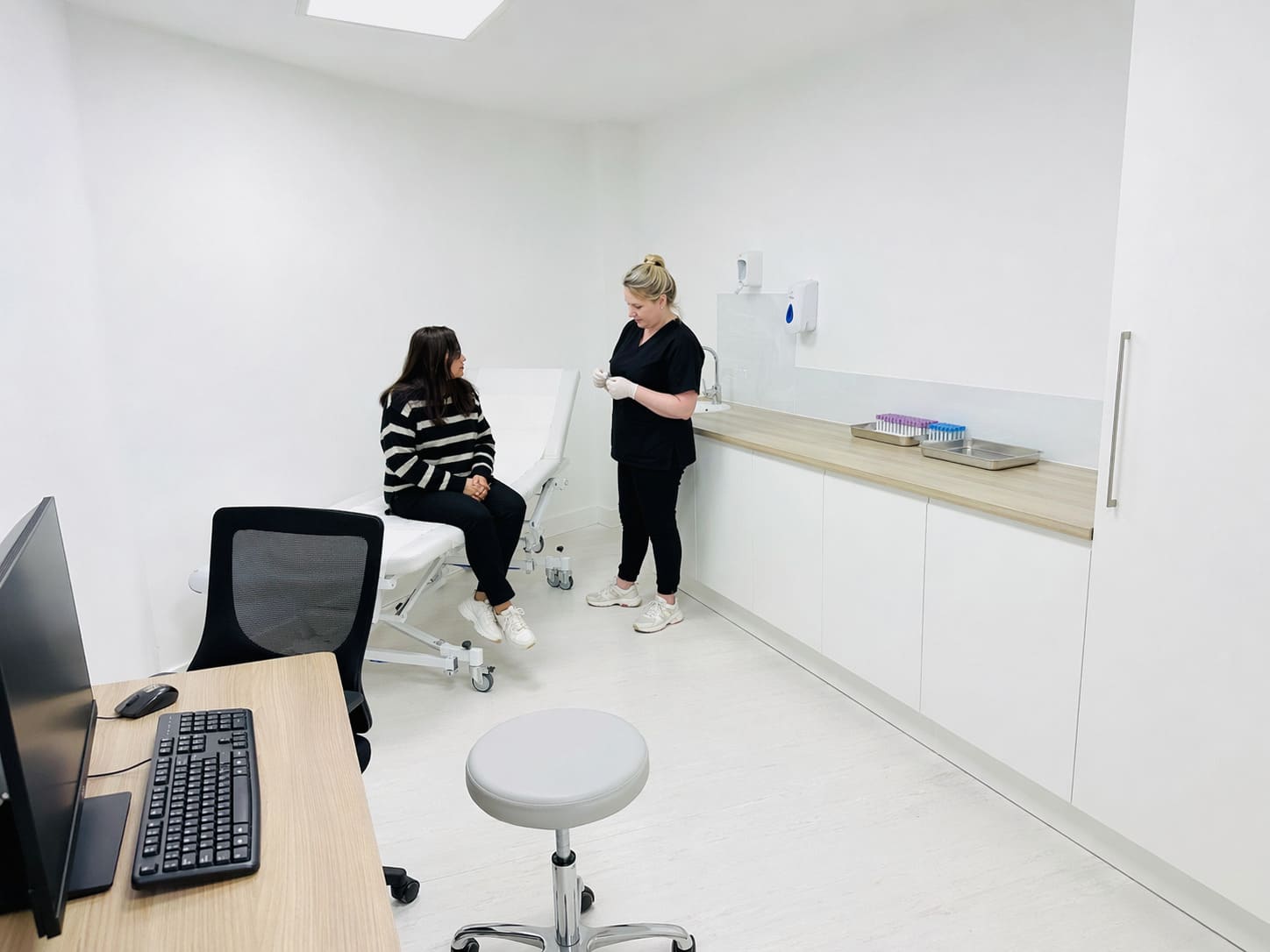
How does private GP care work for your family, and what will you pay?
Private GP care for a family is paid for by appointment, with the fee linked to consultation length. The fee covers the GP assessment and any included prescription writing, but medicines, blood tests, diagnostic procedures, referrals and follow-up can add separate costs. Choose the slot based on clinical need, not price alone.
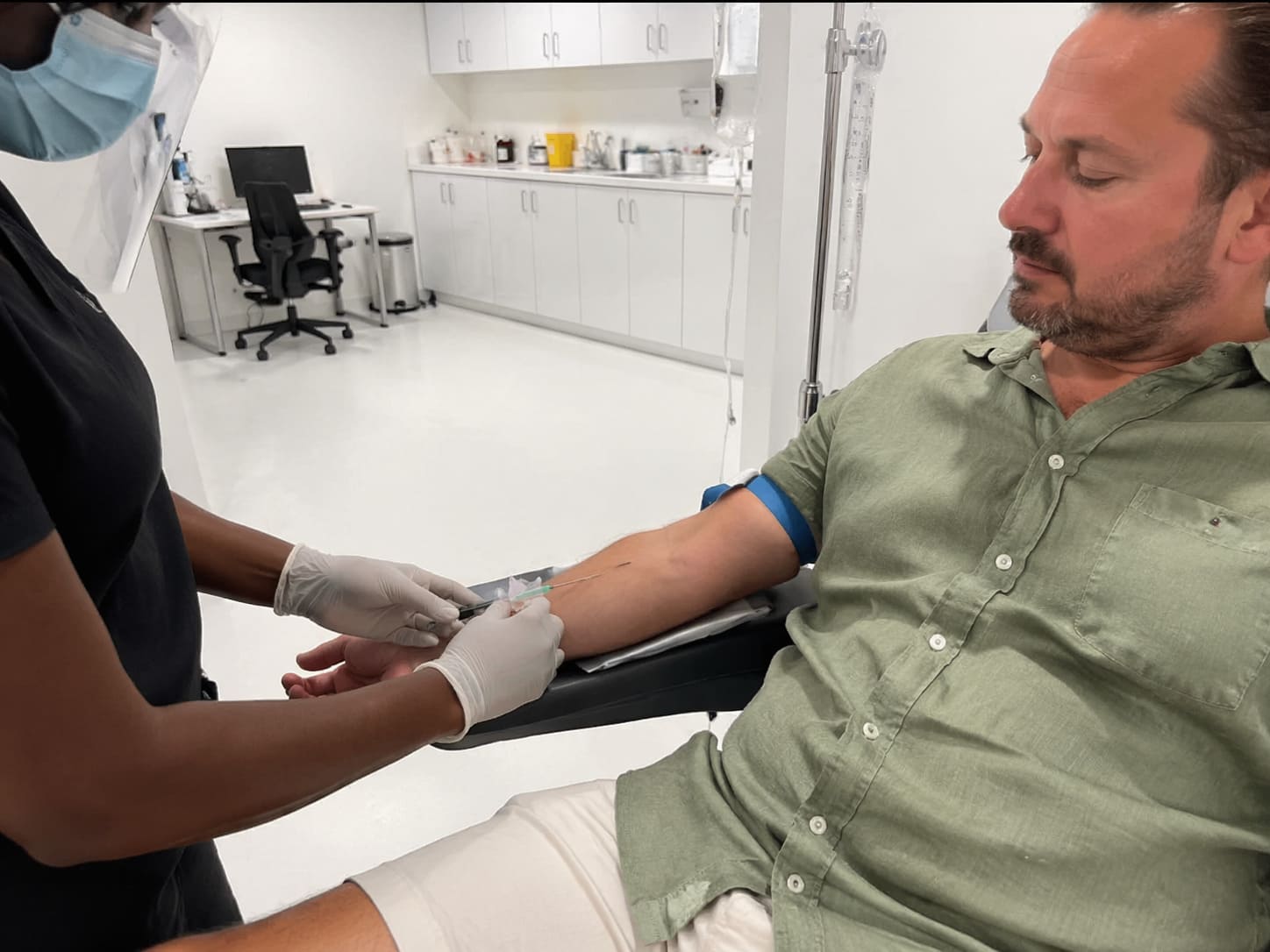
IV Cannulation in Progress – Illustrative Image
What Is In This Article
Private GP costs start with the consultation fee
Private GP appointment cost is best read in two parts: the consultation fee first, then any extra costs that follow from the GP’s clinical decision. Treating the appointment price as the whole cost of private GP care is the mistake that causes most confusion.
Future Care Medical lists these private GP consultation options:
| Appointment length | Price |
|---|---|
| 15 minutes | £105 |
| 30 minutes | £160 |
| 60 minutes | £240 |
Each listed option includes prescription writing. That point matters, because writing a private prescription and paying the pharmacy for the medicine are separate things. The GP can issue the prescription where it is clinically suitable, but the medicine itself has its own cost when it is dispensed.
Private GP prices in London vary by provider, so the useful comparison is not the headline fee alone. A short appointment can be good value for a focused issue, but it becomes poor planning if you need to discuss several symptoms, an older relative’s medicines or a child’s illness with a fuller history. Blood tests, diagnostic procedures, specialist appointments and some follow-up work sit outside many standard consultation fees.
For a family booking, the practical question is which appointment length fits the person and the problem.
Appointment length decides how much can be assessed
One child with a clear acute concern is a different appointment from an older parent with several medicines, mobility issues and a symptom that has changed over time. Both may need a General Practitioner, but they do not need the same amount of consultation time.
A focused private GP consultation can deal with a single concern where the history is simple and the decision is straightforward. Longer appointments give the GP more room to take a proper medical history, examine the patient where needed, review current medication and decide whether a prescription, referral letter or test is the right route. Shorter does not automatically mean more efficient if the concern needs more context.
For children, the GP may need information from the parent or carer, details of symptoms, current medicine and any relevant background. Consent and age-appropriate assessment also matter, and good practice does not rush those basics. For adults, the appointment may centre on a new symptom, a medication review, a referral discussion or work-related medical paperwork.
Older relatives often need the most careful appointment choice. Symptoms can overlap, previous diagnoses can change how a new concern is assessed, and medicines can interact. Time buys clinical clarity, not convenience alone.
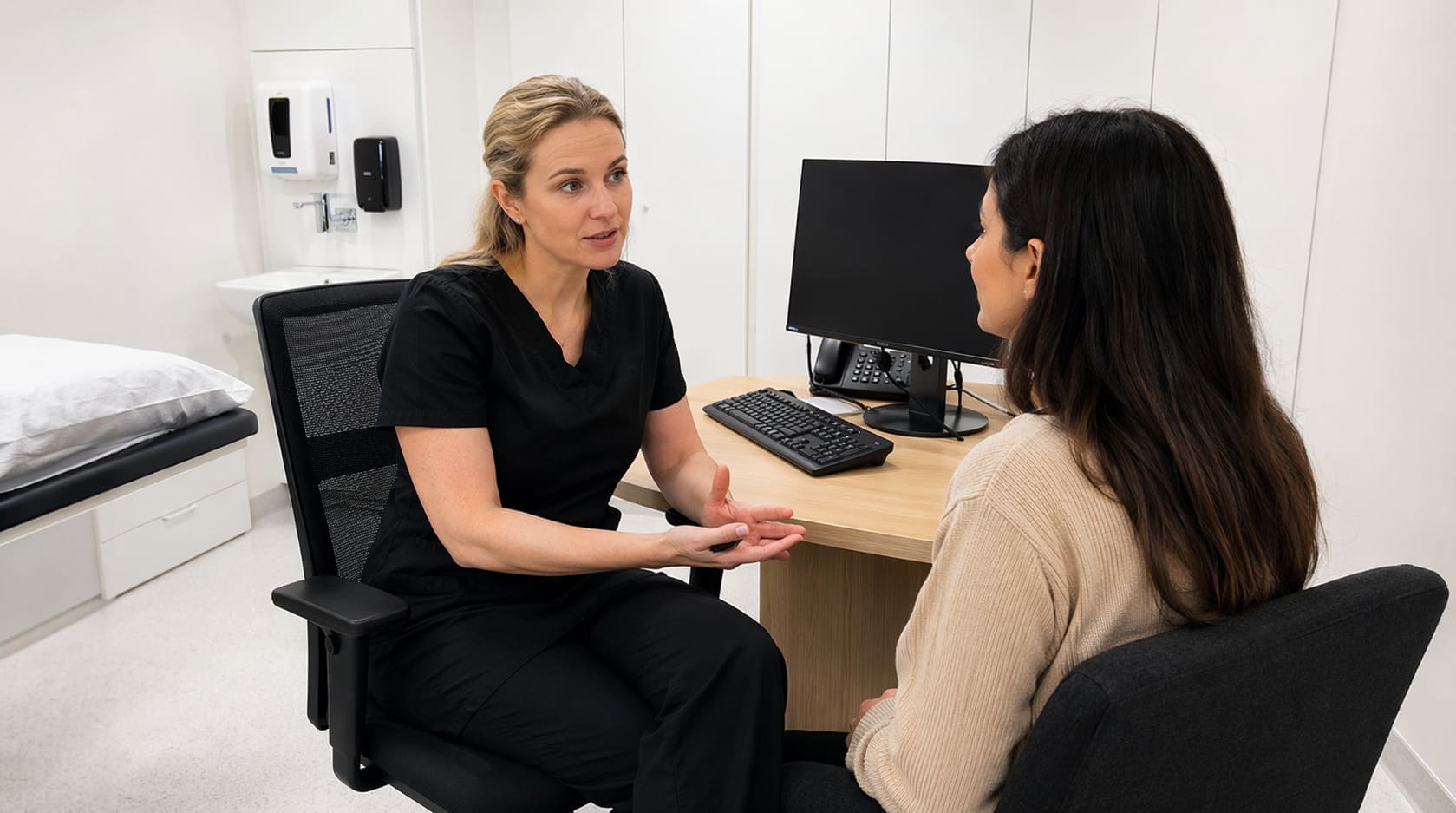
Women’s Health – Personalised Care Discussion – Illustrative Image
Family GP care changes with the person being seen
Family private GP care is not one standard appointment copied across every relative. The structure is the same, namely a booked consultation with a GP, but the content changes according to age, medical history and the question in front of the doctor.
Future Care Medical provides care for adults and children from its London Wall clinic. This makes the service relevant for City of London families balancing work around Bank, Moorgate and Liverpool Street with appointments for children, partners or older relatives.
Child appointments need parent or carer detail
A children’s GP appointment usually relies on a parent or carer giving a clear account of symptoms, timing and any medicines already used. The GP still assesses the child directly where appropriate, but the adult’s information helps make the consultation safe and useful.
Vaccination services for adults and children may also sit within family GP care where they are clinically suitable. Routine, seasonal and travel immunisations are a good example of a service where the same clinic may support different family members for different reasons.
Adult appointments are often about a decision
An adult private GP consultation may start with a symptom, but the value often lies in deciding what happens next. Some concerns end with advice and a prescription. Others need a referral letter, blood test or diagnostic procedure before the next decision is made.
Professionally active patients in the City of London often want the appointment to be direct and properly documented. That does not mean every concern needs a long slot, but it does mean the appointment length should allow the GP to cover the point properly.
Older relative appointments need more context
For an older relative, a GP may need extra time to make sense of current medicines, previous diagnoses and recent changes. A single symptom can carry different significance when it sits alongside an existing condition or a long medication list.
Booking a longer GP appointment for an older family member can reduce fragmented follow-up because the first consultation has space to gather the information that matters. The appointment should match the person, not just the diary gap.
Later costs come from what the GP recommends
A private GP consultation may end with advice only, but it may also open the door to further care. That is normal in primary care. The fee pays for the consultation, and separate charges can arise when the GP recommends something beyond the appointment itself.
Common extra-cost areas include:
- Medicines after a private prescription. Prescription writing may be included in the consultation fee, but the pharmacy cost of the medicine is separate.
- Blood tests. A GP may recommend blood testing where the clinical picture calls for it. Standard consultation fees should not be read as including every test.
- Diagnostic procedures, such as imaging or other investigations, can carry their own charge when they are needed.
- Referral letters. A referral letter is the document that directs care to a specialist or service. The specialist consultation or investigation that follows is a separate part of the pathway.
- Private medical insurance may cover some private GP care, but cover depends on the policy and any authorisation rules the insurer applies.
Cost clarity comes from separating the GP’s time from the items that follow the GP’s decision.
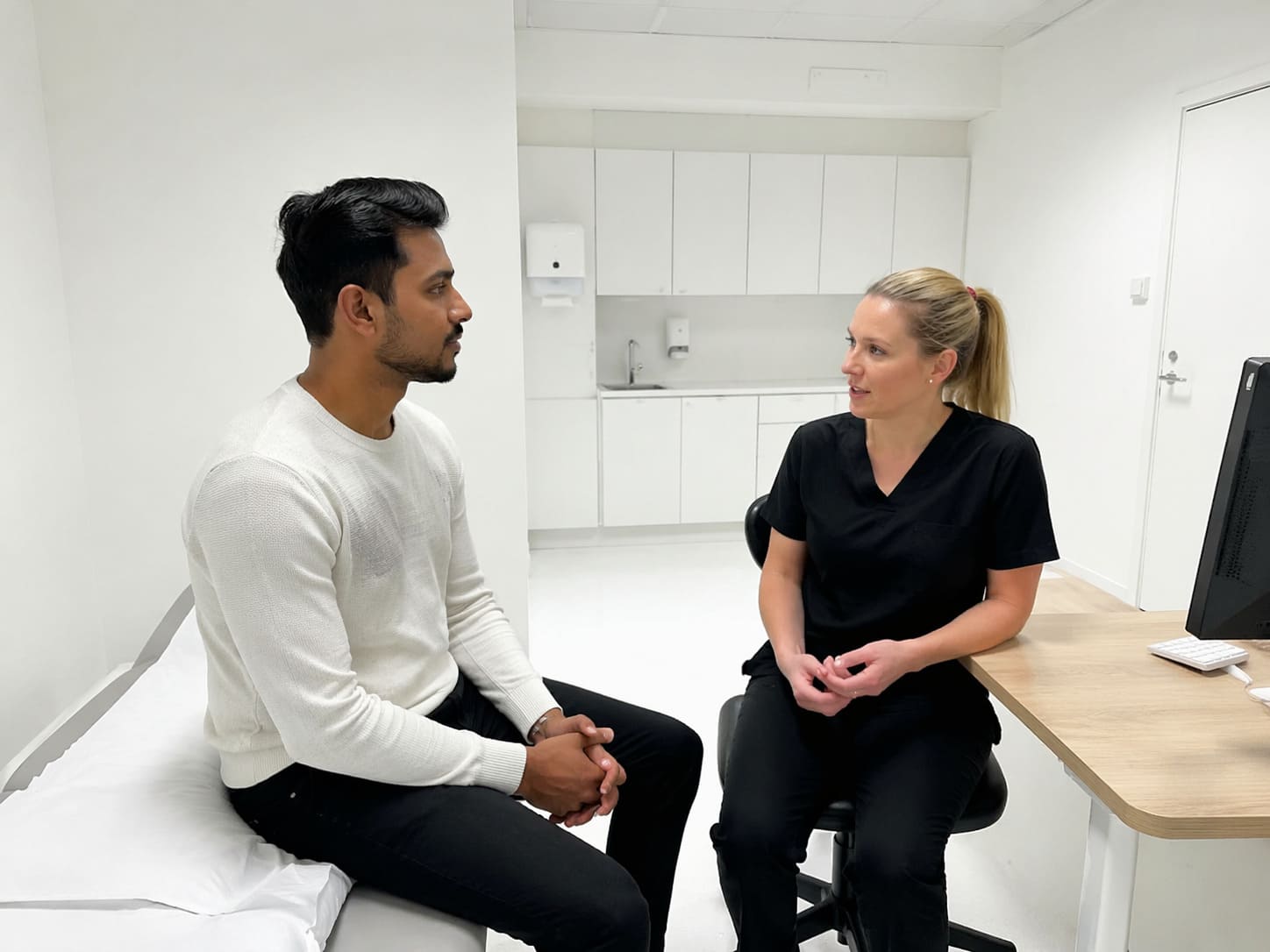
Cryotherapy Aftercare Consultation – Illustrative Image
Private and NHS care need a clear handover
When private care leads to tests, prescriptions or referrals, the route matters. Private and NHS care can sit alongside each other, but responsibility for arranging follow-on care needs to be clear.
British Medical Association guidance says patients may pay for private healthcare while continuing to receive NHS care, with private and NHS care kept clearly separate where possible. The same guidance says requests from private providers for NHS general practices to arrange tests or investigations sit outside NHS primary medical services.
A private GP recommendation does not automatically make your NHS GP responsible for arranging the test, issuing the prescription or taking over the referral. Some private specialists will ask for a GP referral letter, and some settings allow self-referral. Private providers can also make NHS referrals where the patient would be eligible for NHS referral.
For you, the practical point is simple: a good handover names who is responsible for the next part of care.
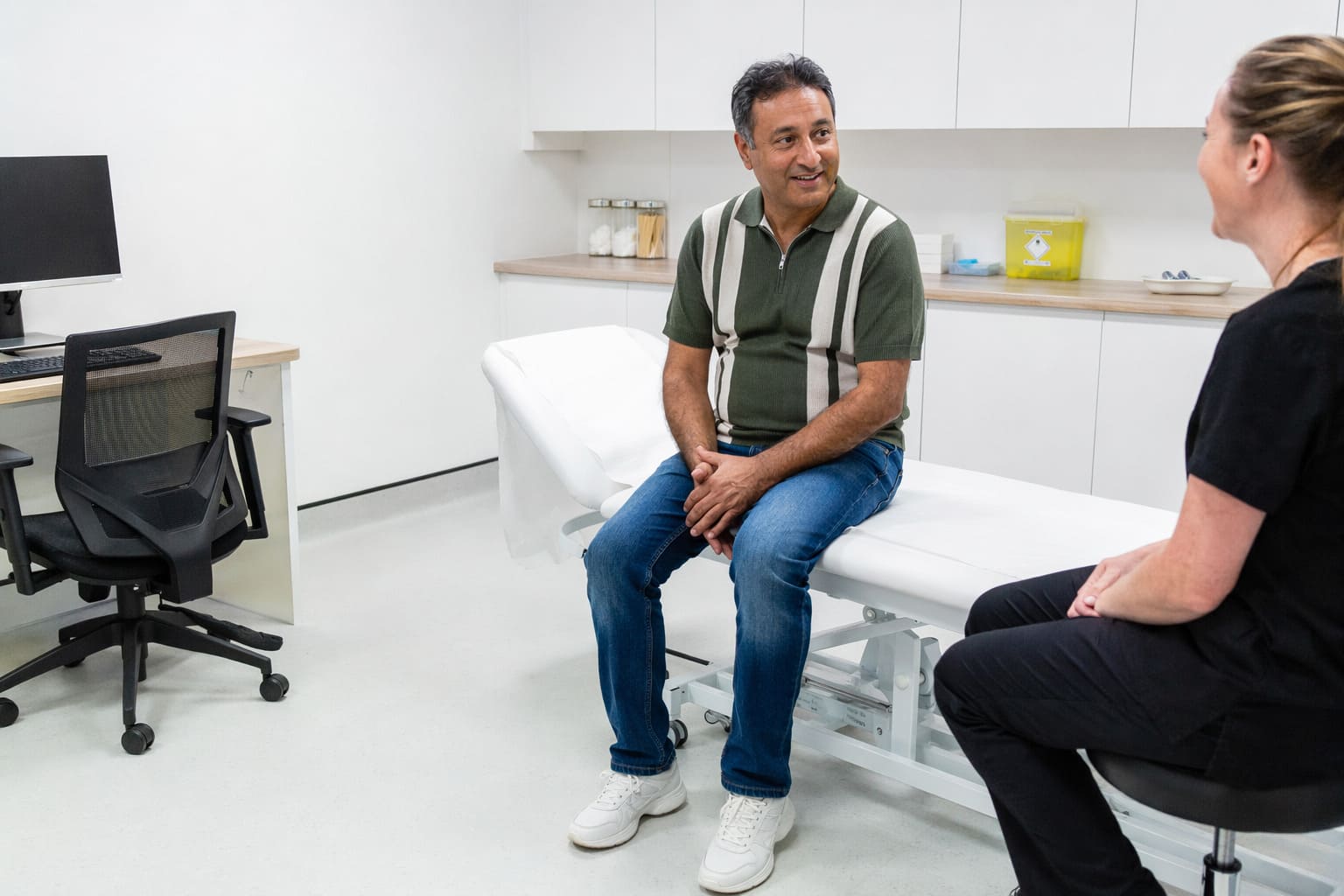
Prescription Advice Consultation – Illustrative Image
The better question is whether the route is clear
The cost question brings you in, but the appointment route is what decides whether private GP care works well for a family. A low fee is of limited use if the appointment is too short for the concern or if you leave unclear about medicine costs, tests, referral routes or follow-up.
For a family, continuity means the right relative being assessed in the right kind of slot, with a clear plan for what happens after the consultation. That is where a structured Central London clinic model has value, because GP care can connect with diagnostics, screening or referral decisions without turning the first appointment into an open-ended promise.
The better question is how much a private GP appointment costs, and whether the consultation gives your family a clear, clinically appropriate route from concern to decision.
Common questions about private GP care for families
Can one private GP appointment cover more than one family member?
Each patient needs their own clinical assessment, so one appointment is not a shortcut for several separate consultations. If more than one family member needs to be seen, the appointment structure should allow each person’s concern to be assessed properly.
Can a private GP see a child?
Yes, private GP care can include children where the service offers children’s appointments. A parent or carer should be ready to give details about symptoms, current medicines and relevant medical history.
Does private medical insurance cover private GP appointments?
Private medical insurance cover depends on the policy. Some policies include private GP access, and others require authorisation or exclude it, so the insurer’s terms decide what is paid.
How can you check whether a private GP provider is properly regulated?
You can check whether the practice is registered with the Care Quality Commission and whether the doctor is on the General Medical Council register. Those checks confirm that the provider and clinician sit within recognised UK healthcare oversight.
Can a private GP provide repeat prescriptions?
A private GP can review whether a repeat prescription is clinically suitable. The GP still needs enough medical information to prescribe safely, and the medicine cost remains separate from the act of writing the prescription.
This is general information, not medical advice.