When should you see a doctor if you still feel unwell after a holiday?
Get checked promptly if you develop fever, persistent diarrhoea, vomiting, jaundice, urinary symptoms, skin changes, anogenital symptoms, breathing problems, or symptoms that worsen after travel. Mild symptoms that are clearly improving can be watched briefly, but your travel history changes what a clinician needs to rule out.
Comprehensive Health Check – Breathing Review – Illustrative Image
What Is In This Article
The real decision is symptom pattern, not holiday recovery
Post-holiday illness often gets written off as tiredness, a change in food, or the body catching up after travel. That assumption is too blunt. The better test is whether your symptoms are settling, persisting, recurring, or becoming harder to explain.
Feeling run down after a long trip is different from fever after travel, ongoing diarrhoea, repeated vomiting, yellowing of the skin or eyes, pain when passing urine, a spreading rash, or symptoms affecting the genital or anal area. The World Health Organization advises medical care after returning home if you are ill in the weeks after travel, especially with those kinds of symptoms.
Destination matters, but it is not the whole decision. A short city break can still be followed by an infection, and a familiar symptom can carry a different meaning after time abroad. For someone back at work in the City of London, the temptation is to fit illness around meetings and deadlines. Ongoing symptoms after coming back from holiday deserve a clinical decision, not diary juggling.
Why certain post-travel symptoms need same-day assessment
A fever at your desk after travelling abroad is different from ordinary end-of-week tiredness. Persistent diarrhoea after holiday travel also deserves attention when it is disrupting your day, continuing, or happening with other symptoms.
Use these symptom groups as a practical filter for same-day assessment:
- Fever or chills after travel, especially after time in tropical areas or places where malaria is a risk.
- Persistent diarrhoea, repeated vomiting, or signs that you are not keeping fluids down.
- Yellow skin or eyes, which can point to jaundice.
- Urinary symptoms such as pain, urgency, or changes that started after travel.
- Skin problems after travel, including a spreading rash, infected bite, or wound change.
- Anogenital symptoms, meaning symptoms around the genital or anal area, particularly after sexual exposure during travel.
- Breathing problems, chest symptoms, or any pattern that is getting worse instead of settling.
Malaria needs special caution because symptoms alone cannot confirm or exclude it. UK Health Security Agency guidance states that suspected malaria is a medical emergency and that suspected cases need urgent blood film diagnosis, which is a blood test examined for malaria parasites. Fever after return from the tropics should be taken seriously even if the trip was weeks or months ago.
Common infections still happen after holidays, but that does not make every symptom safe to ignore. A clinician’s job is to decide which causes are likely, which ones need testing, and whether you need urgent care rather than a routine post-travel GP appointment.
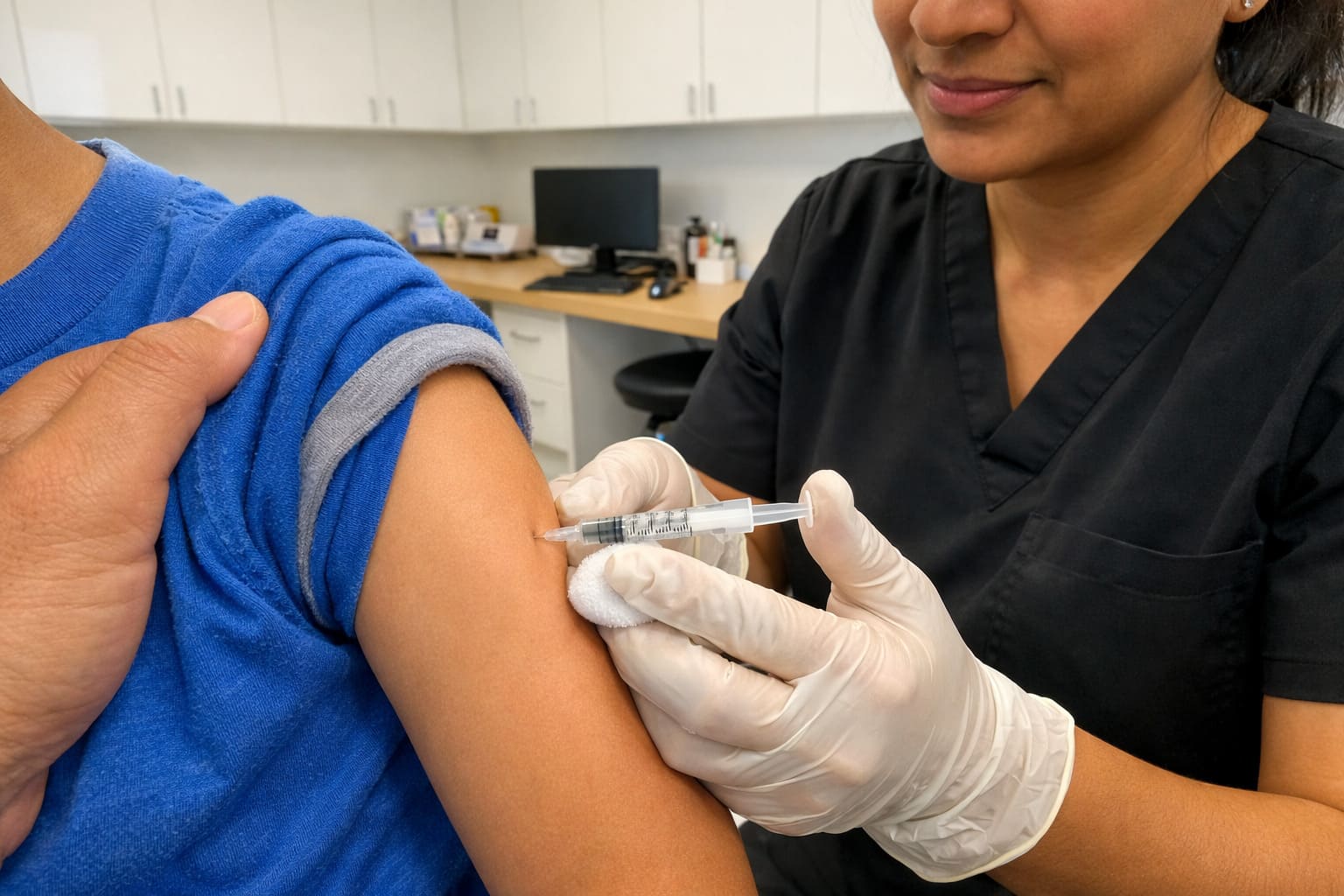
Women’s Health – Blood and Hormonal Test – Post Blood Draw Detail (2) – Illustrative Image
The symptoms that can be watched briefly still need boundaries
Many symptoms after travel are minor, but brief monitoring only makes sense when the direction is clearly better. A symptom that improves a little, returns, then brings new features is no longer behaving like simple recovery.
The diarrhoea and vomiting boundary
Diarrhoea after a holiday can settle without much intervention when it is mild and improving. Problems start when it keeps going, returns after seeming to settle, or comes with fever, vomiting, weakness, blood, or poor fluid intake.
Work adds another practical issue. If diarrhoea or vomiting is continuing, a clinician can advise whether it is sensible to return to a shared office, especially in a busy workplace around Liverpool Street, Moorgate, Bank, or London Wall.
The fever and mosquito-bite boundary
A mosquito bite by itself may be a local skin issue. Fever, chills, headache, marked fatigue, or widespread symptoms after travel change the meaning of that bite and move the decision into clinical territory.
Do not rely on how well you look between episodes. Fever that comes and goes still matters after travel, and a normal temperature during an appointment does not erase a clear recent history of fever or chills.
The rash, urinary and sexual exposure boundary
Skin changes deserve review when they spread, become painful, look infected, or appear with fever. Urinary symptoms after travel also need proper assessment, especially if they are new or worsening.
Sexual exposure abroad is relevant medical information, not a judgement. Genital or anal symptoms, discharge, ulcers, pain, or rash should be discussed plainly with a clinician, because the right tests depend on what happened and when symptoms started.
Essential Health Check – Appointment Wrap up – Illustrative Image
Why travel history changes the GP assessment
Travel history is clinical information, not background chat. Where you went, when symptoms started, and what happened during the trip can change the examination, the tests, and the urgency of the next step.
A structured GP assessment after travelling usually follows a clear sequence:
- The clinician takes a travel history. This includes destinations, dates, activities, food and water exposure, insect bites, sexual exposure, and any medical treatment abroad.
- Vaccination history and malaria prophylaxis are reviewed. Taking tablets or having vaccines matters, but it does not remove every risk.
- Basic observations are checked, such as temperature history, pulse, blood pressure, and general condition.
- Examination follows the symptoms. A stomach problem, rash, chest symptom, or urinary concern each needs a different clinical focus.
- Tests are chosen when the symptoms point to them. Blood tests are not automatic for everyone after a holiday, but they are important when the history, examination, or fever pattern supports them.
- Referral is arranged when symptoms need specialist input or urgent hospital assessment.
Future Care Medical sees this as a structured private GP assessment issue, particularly for people working in Central London who need examination, clinically indicated diagnostics, and onward referral kept within a clear route. The useful appointment is the one that connects the travel details with the current symptoms, because scattered tests without that context can miss the point.
The right check is a structured route, not scattered tests
The safest route after post-travel illness starts with choosing the right level of care. Red-flag symptoms need urgent assessment. Concerning but stable symptoms often fit a same-day GP review. Mild symptoms that are clearly improving can be monitored briefly, provided the boundary for review is clear.
For professionals working in the City of London, a private GP after travel can be a practical way to bring the consultation, examination, and relevant tests into one coherent route during the working week. Future Care Medical lists private GP consultations at £105 for 15 minutes, £160 for 30 minutes, and £240 for 60 minutes, with the appointment length chosen according to what the clinical problem needs.
The sharper question is not whether feeling unwell after holiday travel is normal. The question is whether your symptom pattern, timing, and travel history now need clinical interpretation.
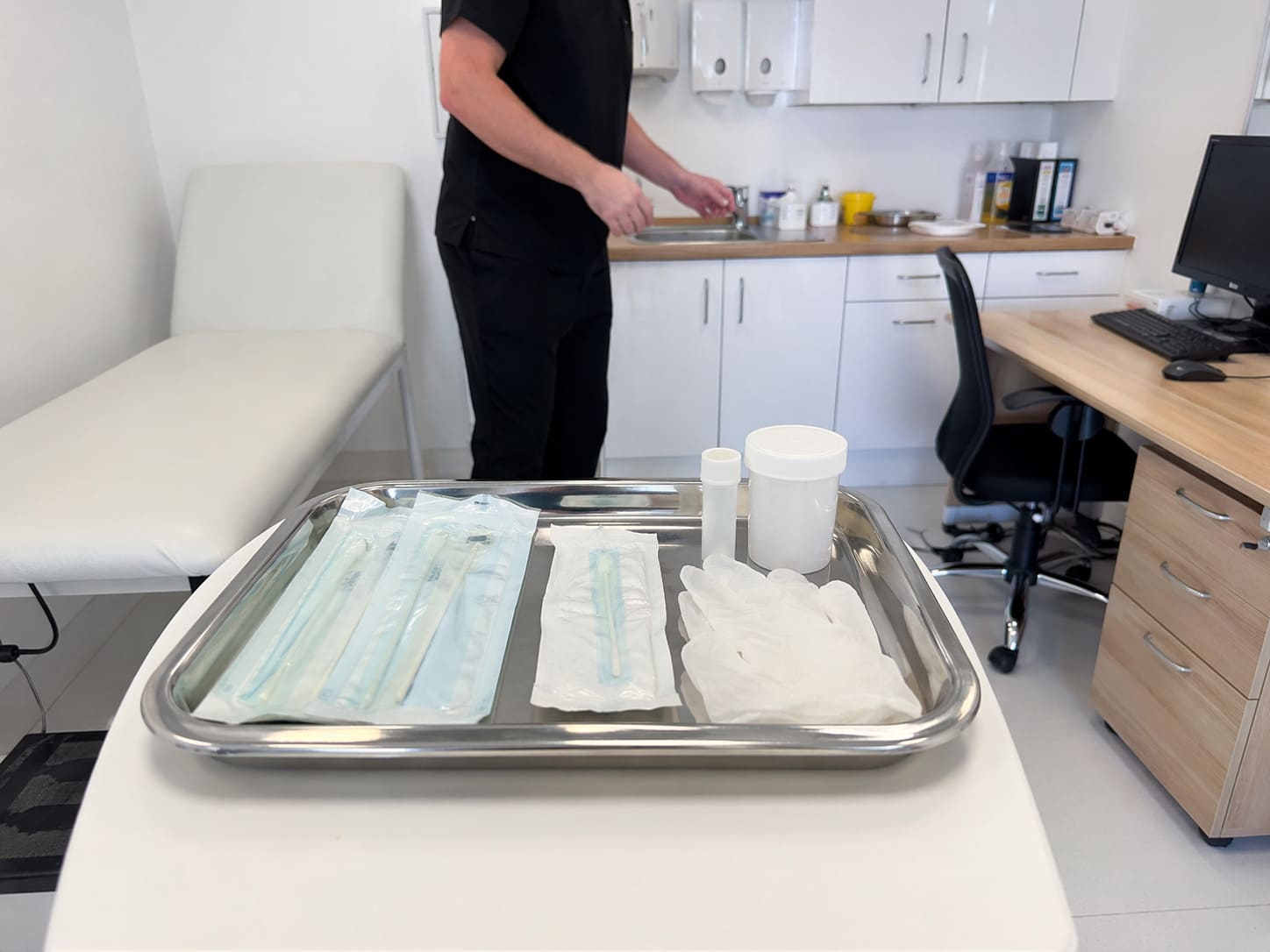
Men’s Health – Sexual Health Testing Preparation – Illustrative Image
Common questions about feeling unwell after travel
Can malaria symptoms start after I get home?
Yes. UK guidance says malaria should be considered in an ill person who has returned from the tropics within the previous year, especially within the previous three months. Fever or chills after such travel need urgent clinical assessment.
Do I need blood tests after coming back from holiday?
Blood tests depend on your symptoms, travel history, examination, and possible exposures. A clinician may arrange them when they help answer a clear clinical question, such as checking for infection or investigating fever after travel.
What should I tell a GP if I feel ill after travelling?
Tell the GP where you went, your travel dates, when symptoms started, what vaccines you had, and whether you took malaria prophylaxis. You should also mention insect bites, sexual exposure, medical treatment abroad, and any symptoms that have changed since returning.
Is diarrhoea after a holiday always food poisoning?
No. Diarrhoea after travel has several possible causes, and the right assessment depends on the pattern and any linked symptoms. Persistent diarrhoea, vomiting, fever, blood, or poor fluid intake should be assessed promptly.
Can I return to work if I still have vomiting or diarrhoea?
Ongoing vomiting or diarrhoea can affect whether returning to a shared workplace is sensible. A clinician can advise based on your symptoms, your general condition, and whether others could be affected.
This is general information, not medical advice.