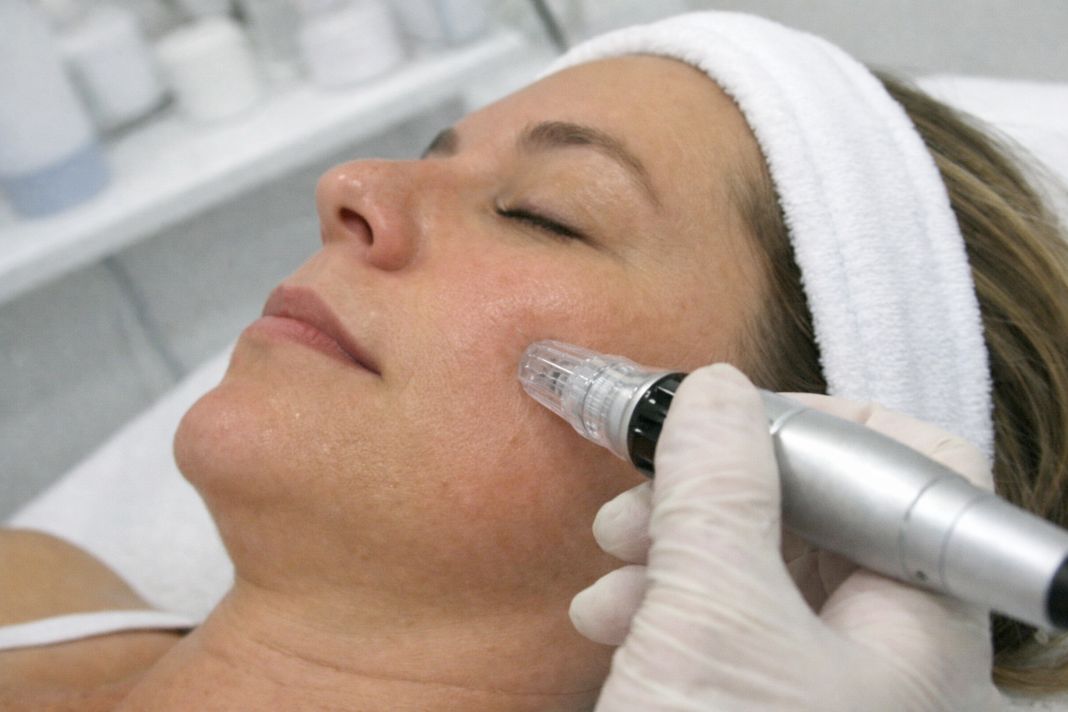
How long will anti-wrinkle injections last for you?
Most anti-wrinkle injection results last a few months, with product-specific evidence for Azzalure showing reduced frown line severity for up to 4 months. The effect does not appear instantly. Your timing depends on the prescribed product, dose, treatment area, muscle movement and how your clinician reviews the result.

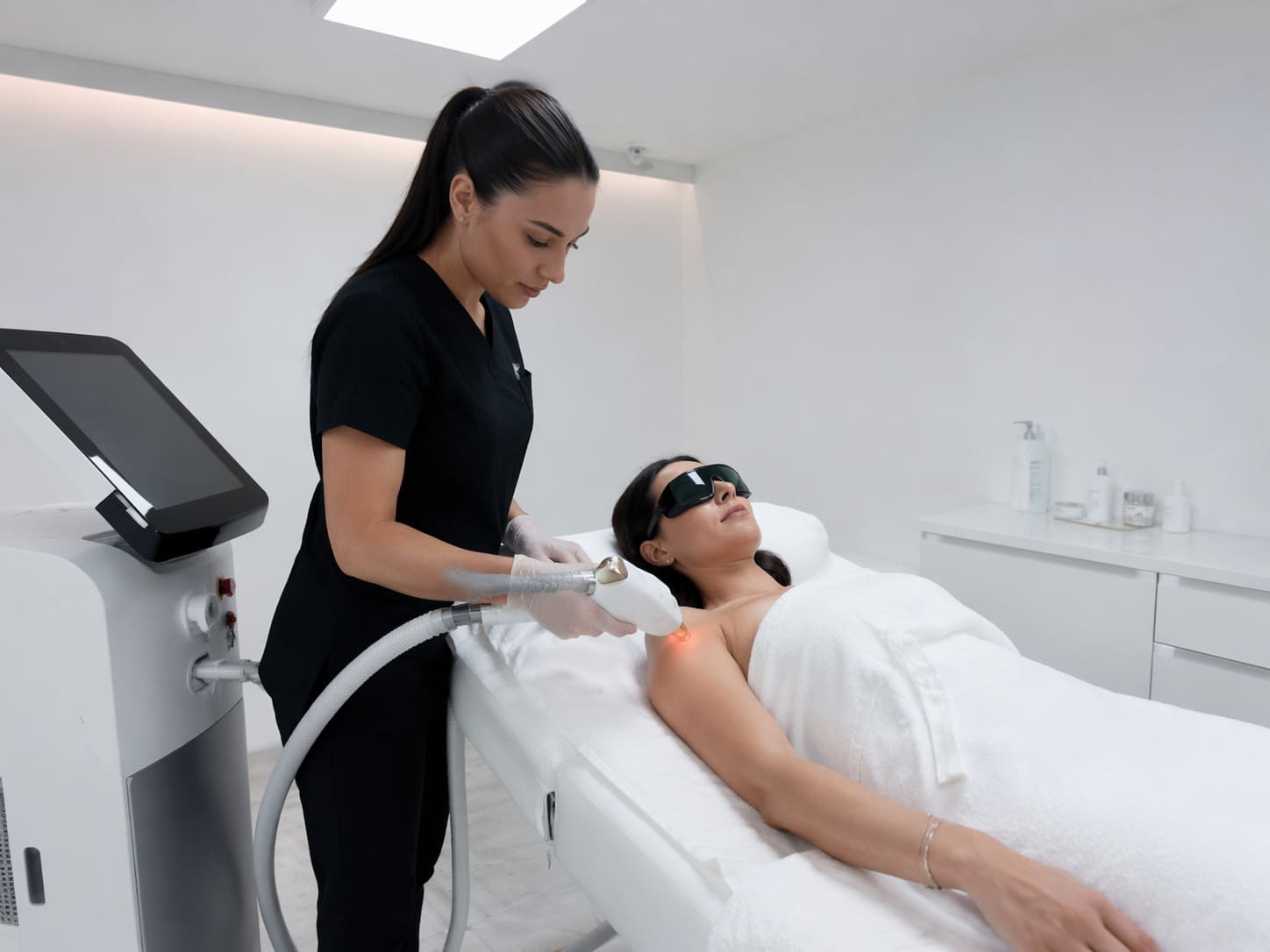
Women’s Ear Clinic Consultation – Illustrative Image
What Is In This Article
Quick answer: anti-wrinkle injections are temporary
Many first-time patients judge anti-wrinkle injections by a single question: how many months will they last? That question matters, but it misses the point if it is separated from assessment, prescribing and follow-up.
Anti-wrinkle injections use botulinum toxin type A to temporarily relax selected facial muscles. Patients often use Botox as a general word for this treatment, although Botox, Dysport and Azzalure are different prescription products. The effect is temporary, and the result does not appear instantly or last permanently.
For a grounded example, the electronic medicines compendium product information for Azzalure records median onset of response at 2 to 3 days in studies of glabellar lines, which are frown lines seen at maximum frown. Maximum effect was observed at day 30, and reduced severity was shown for up to 4 months.
Those timings explain why “lasting” and “settled” are separate ideas. You may notice change before the result is ready to assess properly, and movement can return gradually rather than stopping on one neat date. Repeat treatment also needs judgement, since the stated treatment interval for Azzalure should not be more frequent than every 3 months and depends on individual response after assessment.
Duration depends on more than the product
A result does not run on a fixed clock from the moment of injection. The same broad treatment can seem to wear differently because the prescriber has to account for the area treated, the strength of muscle movement, the dose plan and the product used.
Dose numbers also need care. Azzalure uses Speywood units, and those units are specific to that preparation. They cannot be swapped directly against the units used for another botulinum toxin product, so comparing dose figures between brands is misleading.
Here is the useful way to read duration claims before a first anti-wrinkle injection consultation.
| What people often focus on | What matters clinically |
|---|---|
| Product name | Product-specific indication, dose and units |
| Number of areas | Facial movement and the treatment aim |
| Headline duration | Onset, maximum effect and gradual return of movement |
| Top-up expectation | Individual response and review timing |
A person asking why their Botox has worn off after 2 months is really asking whether the first treatment was planned, dosed and reviewed in the right way for their movement pattern. That answer should come from a clinical review, not from guessing at home or booking an automatic repeat treatment.
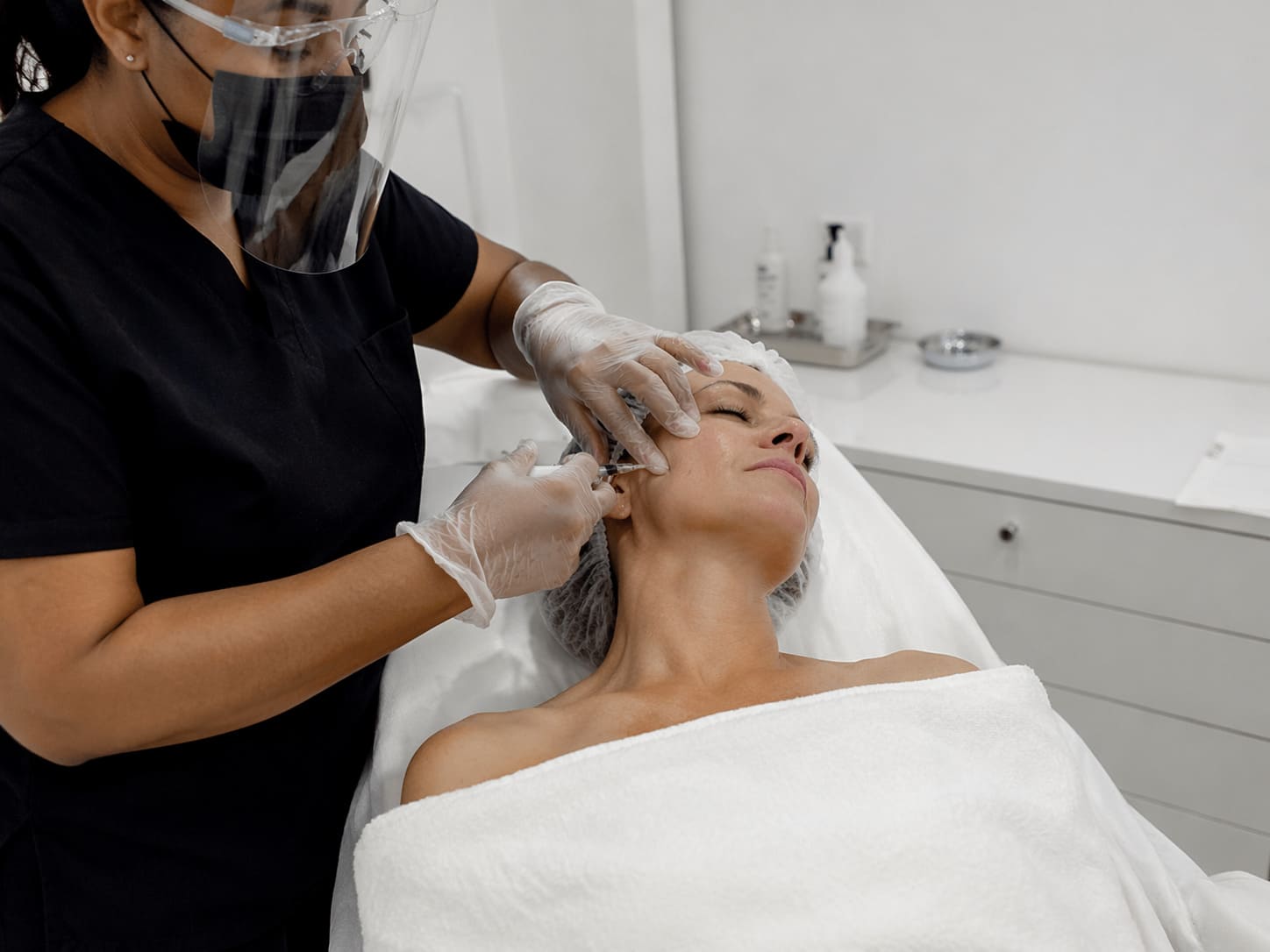
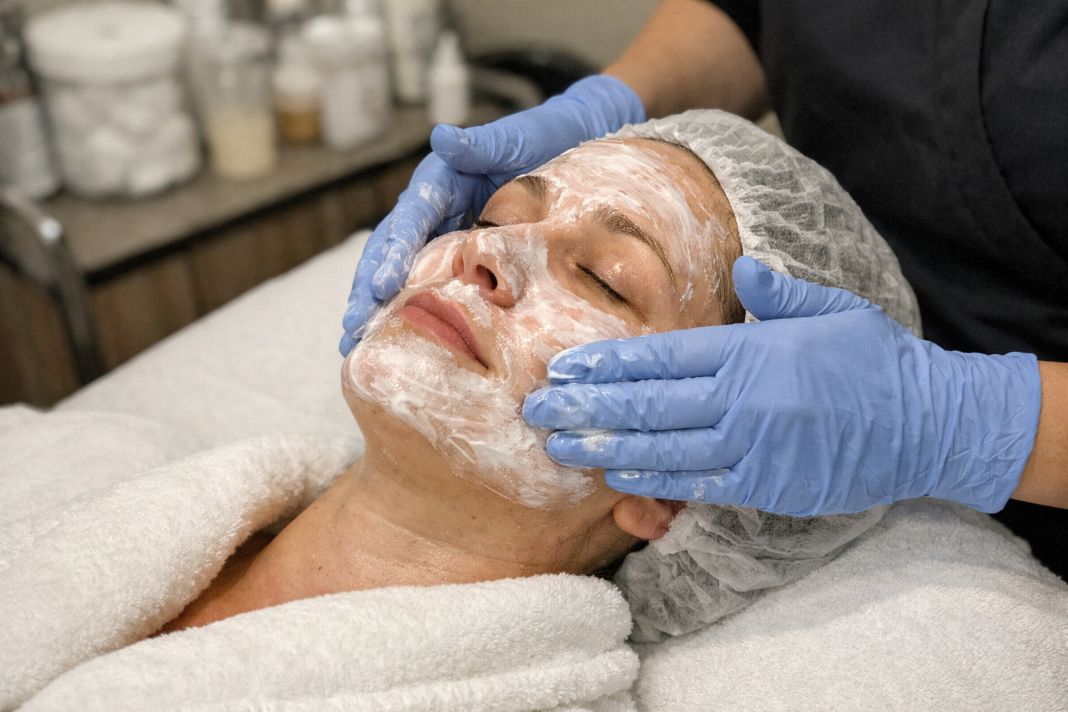
Mesotherapy Injections in Progress – Illustrative Image
The first appointment is an assessment, not a menu choice
Fitting a first Botox appointment around work in the City of London should still mean a proper medical consultation. Convenience near London Wall, Liverpool Street, Moorgate or Bank is useful only if the appointment checks whether treatment is suitable in the first place.
The NHS states that botulinum toxin injections such as Botox or Dysport are prescription-only medicines. They can only be prescribed after a consultation between you and a healthcare professional, such as a doctor or nurse, and the prescriber must be satisfied that the injector is trained and safe to perform the procedure.
A proper first anti-wrinkle injection appointment should usually work through the following sequence:
- Medical history and medicines review. The clinician needs to know about relevant health conditions, current medicines, previous aesthetic treatments and whether there are reasons to delay or avoid treatment.
- Discussion of aims and temporary outcomes. Your clinician should clarify the change you are looking for and explain what botulinum toxin can reasonably do.
- Facial movement assessment. The assessment looks at how your muscles move at rest and during expression, because dosing without this step is poor practice.
- Suitability and prescribing decision. Treatment is not suitable for everyone. Product information for Azzalure lists contraindications including infection at the proposed injection site and certain neuromuscular conditions.
- Treatment plan, consent and review expectations. Before treatment, you should know what area is being treated, what product is being used and how follow-up will be handled.
Future Care Medical’s doctor-led anti-wrinkle consultations sit within a medically governed central London clinic, which is the right setting for a prescription treatment that needs assessment before any injection plan is agreed.

Prescription Consultation Discussion – Illustrative Image
Treatment day is brief but not casual
The injection appointment may be short, but the procedure still needs clinical preparation. Speed should come from an organised pathway, not from skipping checks.
During the injections
Before treatment, make-up is removed where needed and the skin is disinfected. Product information for Azzalure states that treatment should be administered by a healthcare practitioner with suitable qualifications and expertise, using the required equipment and a sterile suitable gauge needle.
The clinician selects injection points based on the agreed treatment plan and facial movement assessment. The injections are placed into targeted muscles, so the plan must be precise enough to reduce selected movement without treating the face as a standard template.
Immediately afterwards
Many people return to normal work after treatment, but that should not be sold as a promise that nothing visible or inconvenient can happen. Short-term marks, local reactions or temporary effects can affect how you plan the rest of the day.
Aftercare advice is there to reduce avoidable disruption around the treated area. Your clinician may advise you to avoid rubbing the area or strenuous activity for a period after treatment, and you should follow the instructions given for your specific treatment.
Safe prescribing is the real first-time check
The first-time decision is wider than how long Botox lasts. The safer question is who assesses you, who prescribes the medicine, who performs the injections and how the clinic handles review.
Recent UK safety warnings have made this point harder to ignore. The MHRA reported 41 confirmed cases of botulism in England between 4 June and 6 August 2025, linked to suspected use of unlicensed botulinum toxin products. That does not make properly prescribed treatment a scare story, but it does make product legitimacy and clinical setting worth checking.
Before treatment, you should be able to confirm these points without awkwardness:
- The prescriber is involved before treatment and the medicine is prescribed for you as an individual patient.
- The injector is trained to perform the treatment and works within a clinical pathway.
- Treatment takes place in a proper clinical setting with suitable equipment.
- Follow-up is available if the result needs review or if you have a concern after treatment.
- Suspected side effects or complications are taken seriously, including reporting through the MHRA Yellow Card Scheme where appropriate.
Future Care Medical places anti-wrinkle injections within a medical aesthetics service that is part of a broader private medical clinic, so the treatment is approached as a prescription pathway rather than a casual cosmetic appointment. Once you know that, the question changes: you are no longer just comparing headline duration, because you know to check prescribing, suitability, product handling and review before deciding whether treatment is right for you.

Women’s Health – Smear Test Consultation Appointment Wrap up – Illustrative Image
Common questions about anti-wrinkle injections
Are anti-wrinkle injections the same as dermal fillers?
No. Anti-wrinkle injections use botulinum toxin to relax selected muscle activity, while dermal fillers are used in a different way to add volume or support tissue structure.
Is Botox the same as botulinum toxin?
Botox is a brand name, although many patients use the word informally for anti-wrinkle injections. Other prescription botulinum toxin products include Dysport and Azzalure.
Do you always need a top-up after your first treatment?
No automatic top-up should be assumed. A review should look at the treated area, your response and the original plan before any further treatment is considered.
Can you have anti-wrinkle injections if you take regular medicines?
Your medicines need to be reviewed during consultation. The prescriber decides whether treatment is suitable after checking your medical history and any factors that could affect safety.
What symptoms need urgent help after botulinum toxin treatment?
Difficulty swallowing, slurred speech or breathing difficulty after recent botulinum toxin treatment need urgent medical help. The MHRA advises that botulism symptoms after cosmetic procedures can take up to 4 weeks to develop.
This is general information, not medical advice.