What is Fotona 4D laser treatment, and how is it different from other skin rejuvenation treatments?
Fotona 4D is a doctor-led laser skin rejuvenation protocol that uses several laser stages in one session to target skin texture, laxity and overall skin quality. It differs from other options because it combines internal and external laser treatment, whereas alternatives such as radiofrequency microneedling, pigment-focused laser treatment or LED phototherapy use different mechanisms and suit different concerns.
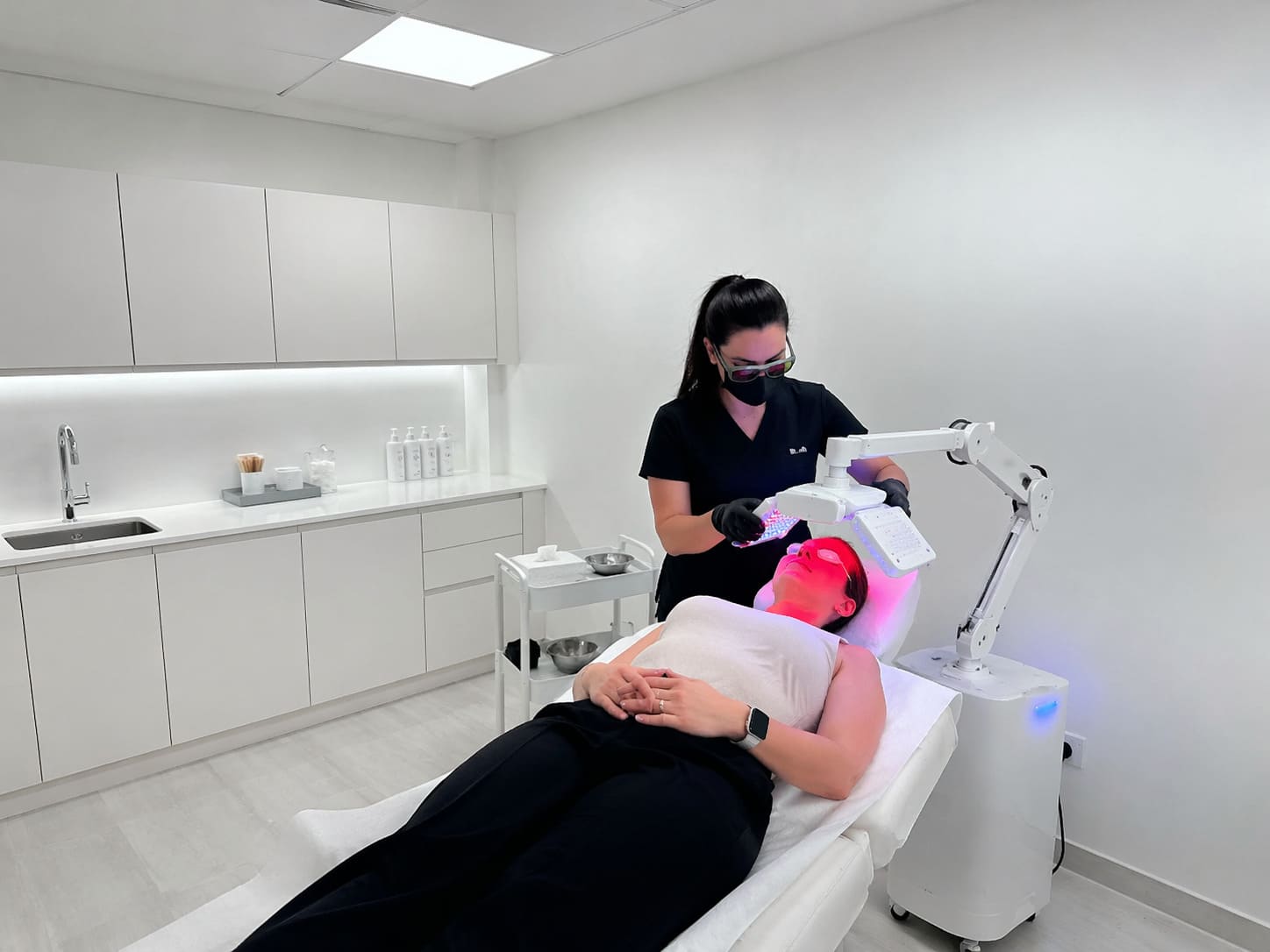
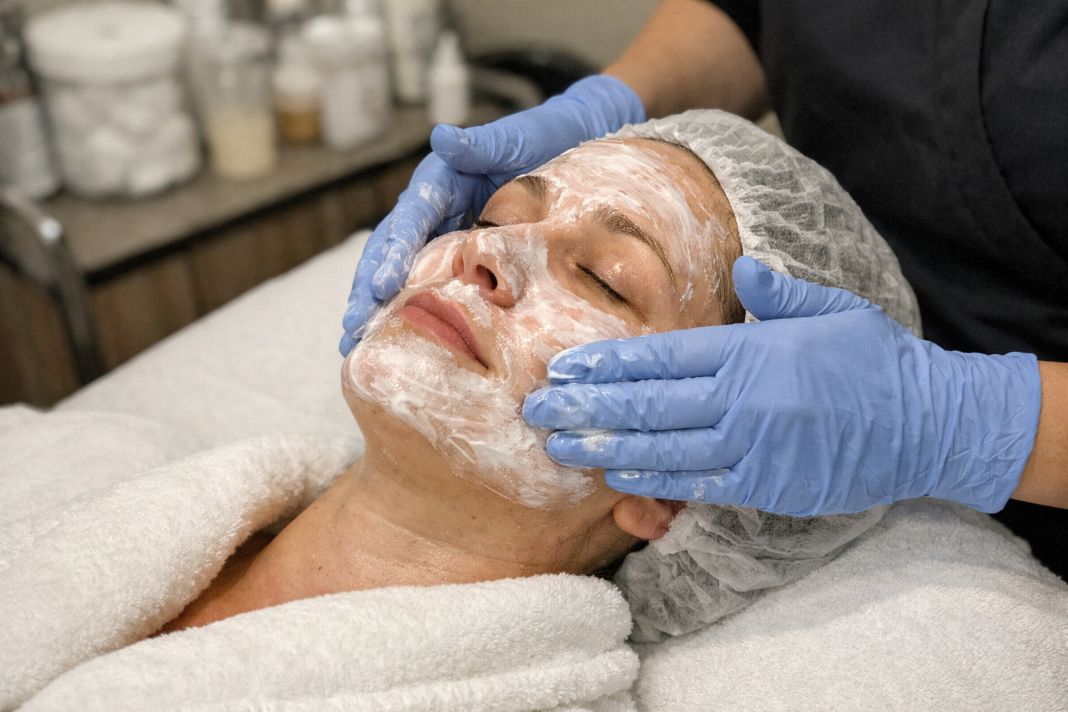
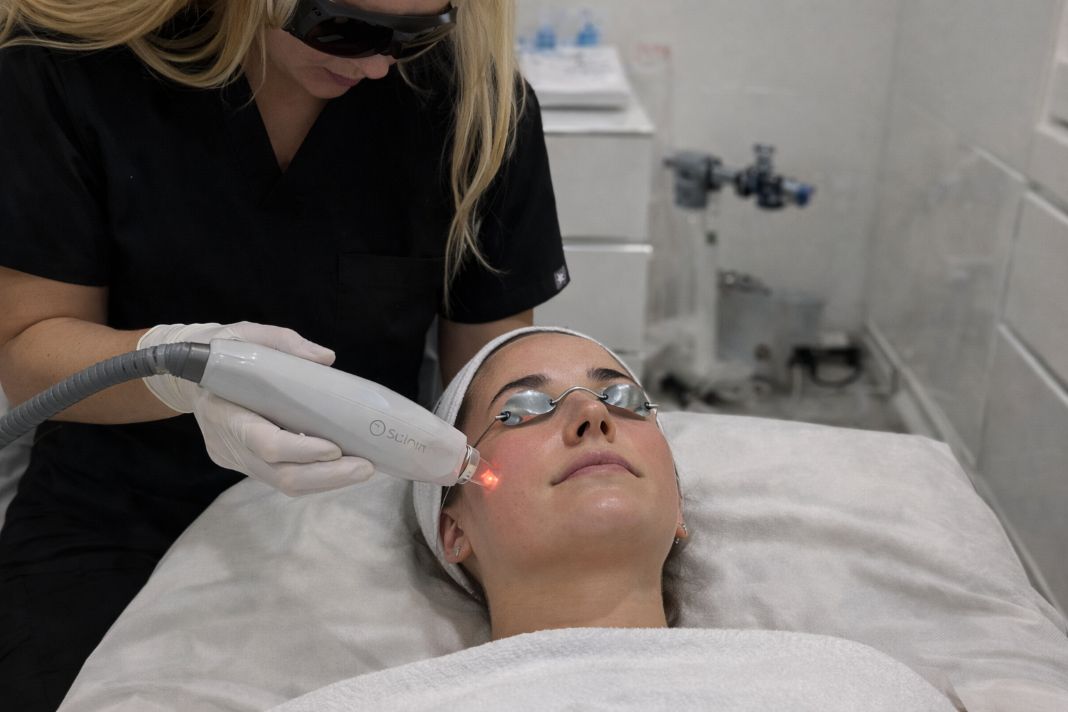
LED Phototherapy Treatment – Illustrative Image
What Is In This Article
Understanding Fotona 4D Laser Treatment
Fotona 4D is a non-surgical skin treatment used in medical aesthetics to support collagen remodelling and improve signs of skin laxity, uneven texture and reduced skin firmness. The name refers to a four-step laser protocol, with each stage directed at a different tissue depth or treatment goal.
Unlike a facial offered in a non-clinical setting, Fotona 4D is a medical laser treatment that depends on patient assessment, skin analysis and a structured treatment plan. Suitability is usually based on the person’s skin concerns, medical history, current skin condition and any factors that may affect healing or laser safety.
A typical Fotona 4D session may include:
- An intraoral laser stage, which treats from inside the mouth area to target tissue in the lower face.
- A fractional laser stage, which works more directly on skin texture and superficial irregularities.
- A more detailed heating stage, which aims to support non-surgical skin tightening.
- A finishing stage, which addresses the surface of the skin and overall tone.
Each step has a distinct purpose. Some parts focus on controlled heating in more detailed layers, while others work closer to the skin surface. That combination is why Fotona 4D is often discussed as a full-face rejuvenation protocol rather than a single-purpose laser.
Patients usually consider this type of treatment for concerns such as early skin laxity, fine lines, changes in tone or a general decline in skin quality. A consultant dermatologist or another appropriately trained medical practitioner may also consider whether a different treatment would better match the pattern of ageing, pigmentation, vascular change or scarring present on the skin.
The Clinical Process: What to Expect with Fotona 4D
Most people want to know what actually happens on the day. In a clinical setting, the process starts before the laser is used.
A medical aesthetics consultation usually includes a review of patient history, skin concerns, medications, previous procedures and any contraindications. Active infection, some skin conditions, recent sun exposure and certain medicines may affect timing or suitability. At Future Care Medical, this assessment sits within a structured clinical pathway rather than a cosmetic walk-in model.
Once treatment is agreed, the session tends to follow a clear sequence:
- The skin is examined and prepared.
- Protective measures are put in place, including eye protection where required.
- The laser stages are carried out in order, based on the treatment protocol.
- The skin is reviewed immediately afterwards and aftercare advice is given.
Sensations vary across the four stages. Some people describe warmth, a prickling feeling or brief moments of discomfort, particularly during the more active surface treatment stages. The intraoral component feels different again because it is delivered inside the mouth, which can be unfamiliar even if it is well tolerated.
Session length depends on the areas treated and the protocol used, although combination laser treatments generally take longer than single-step procedures. Downtime is usually limited, but it is not absent in every case. Redness, warmth or temporary swelling can follow treatment, and superficial textural change may appear for a short period after fractional laser passes. For someone planning around a working week in central London, that practical detail often matters as much as the technical mechanism.
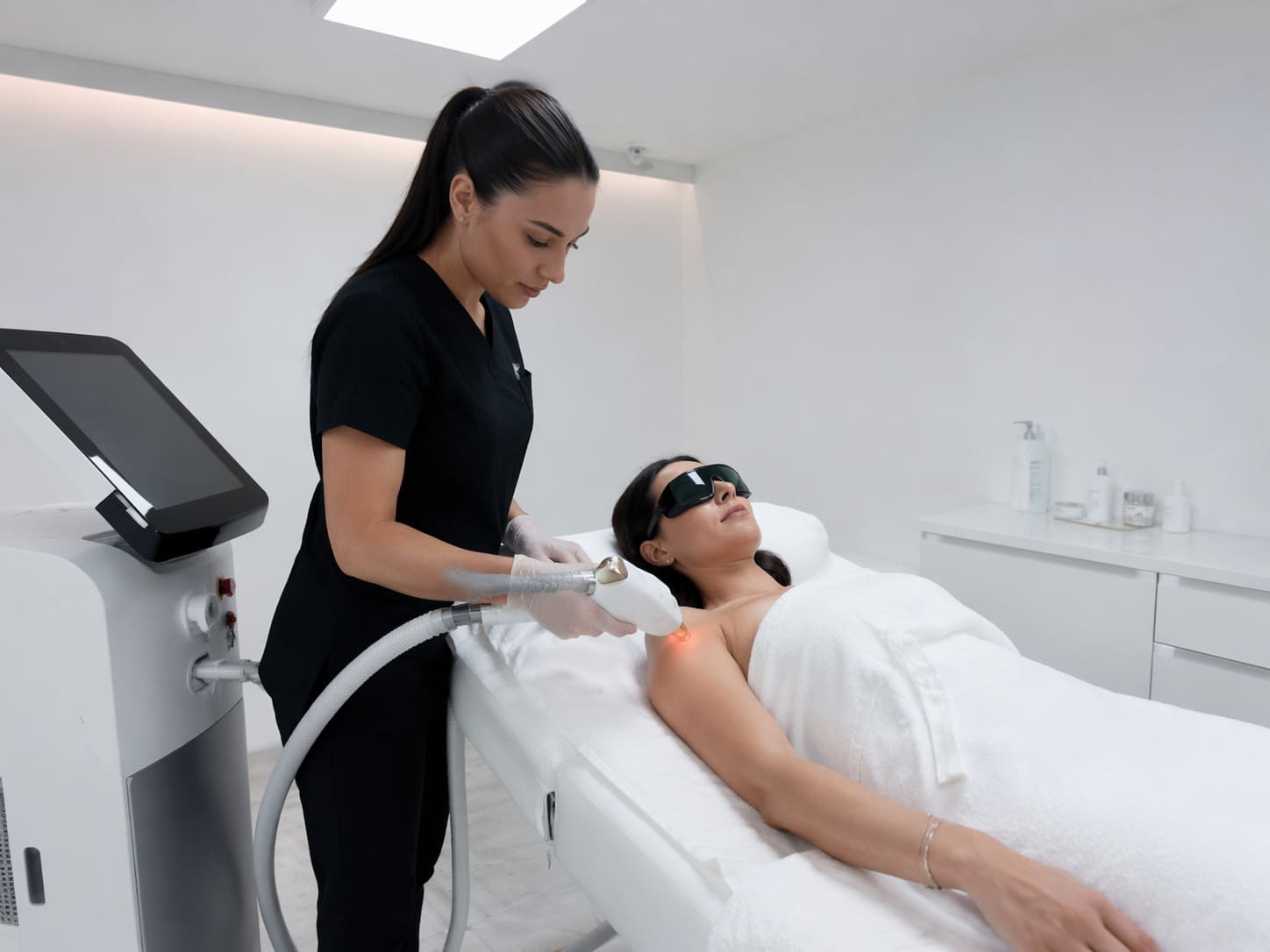
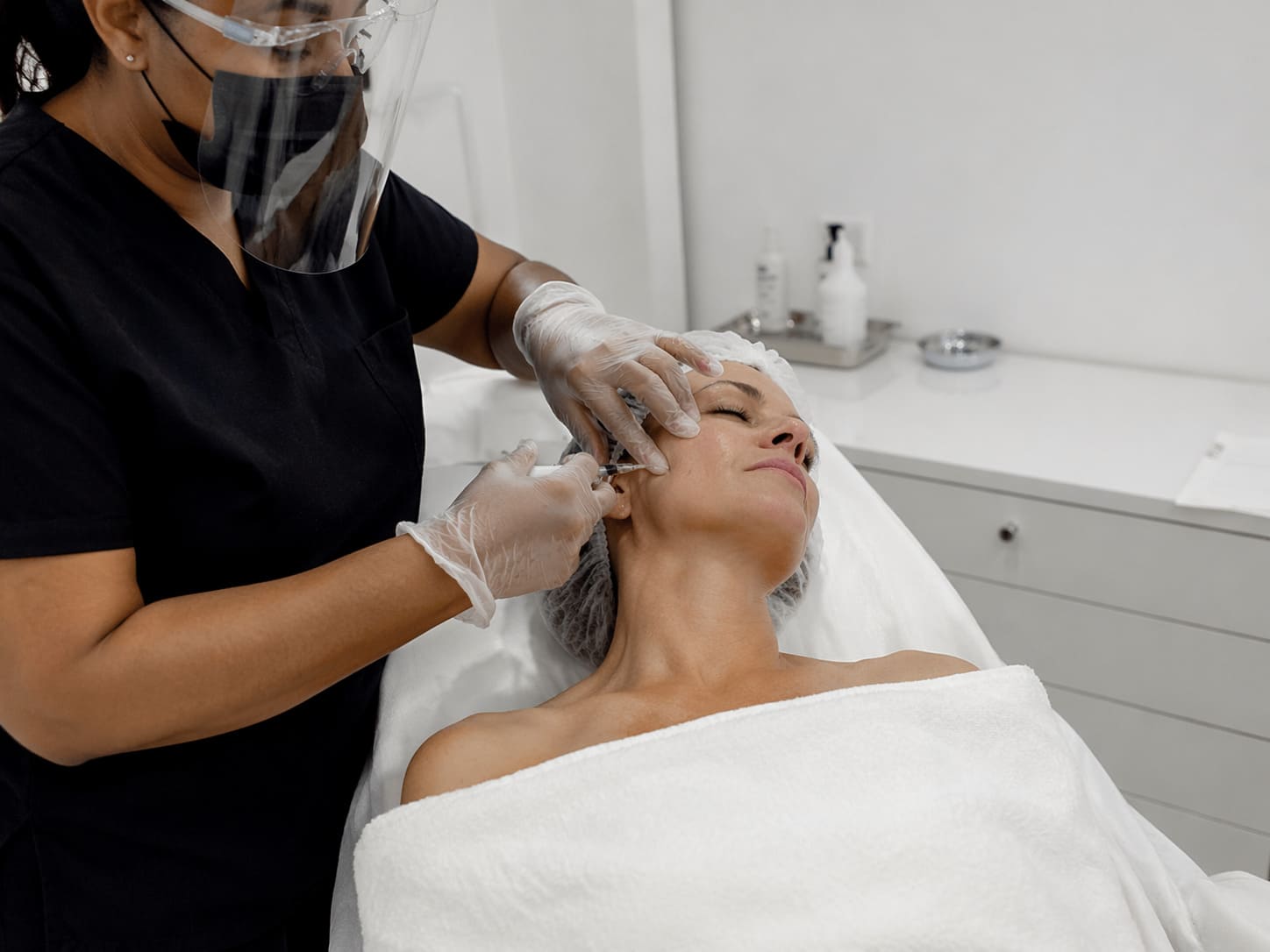
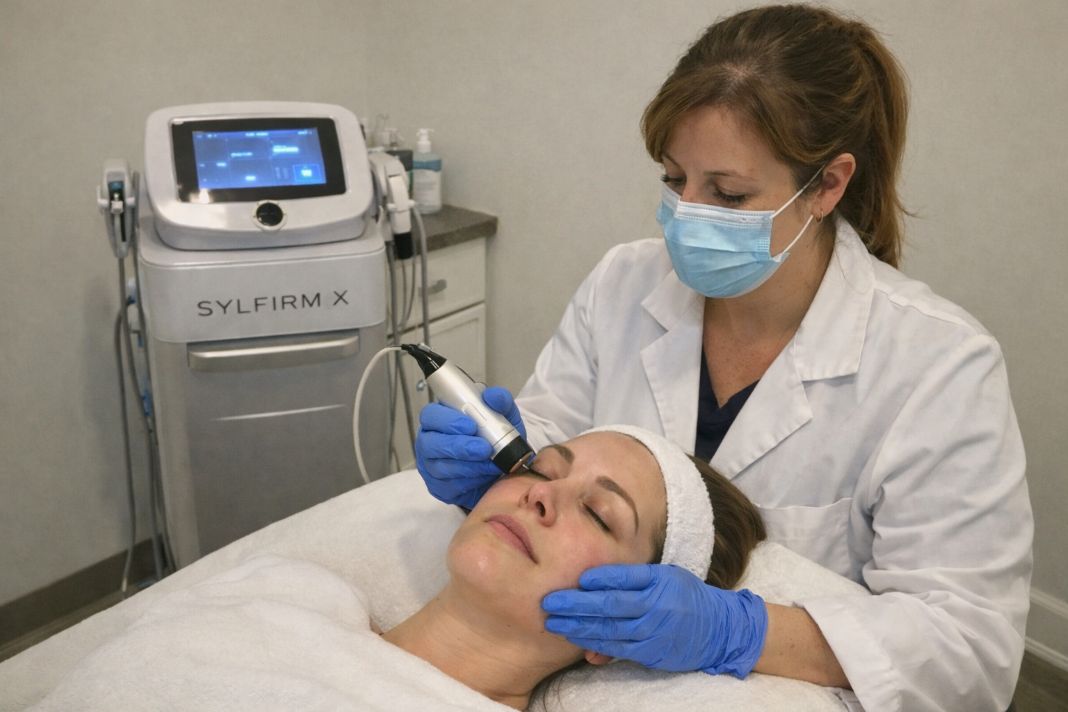
LASER Treatment Session – Illustrative Image
Comparing Fotona 4D to Other Skin Rejuvenation Options
Skin rejuvenation is a broad category, and the treatments inside it are not interchangeable. Fotona 4D uses laser energy across multiple stages, but other clinically supervised options rely on radiofrequency, microneedling, pigment-targeting laser systems or light-based support.
A simple comparison helps:
| Treatment | Main mechanism | Typical focus | Downtime profile |
|---|---|---|---|
| Fotona 4D | Multi-step laser protocol | Skin laxity, texture, tone, collagen stimulation | Usually mild to moderate, depending on settings and stages |
| SylFirm X | Radiofrequency microneedling | Texture, redness-related concerns, scarring, remodelling | Often short, with temporary redness |
| PicoSure Pro | Picosecond laser | Pigment irregularity, some textural concerns | Varies by indication and intensity |
| LED phototherapy | Light-based support | Recovery support, inflammation management, adjunctive care | Minimal |
Fotona 4D and SylFirm X are often compared because both are used for collagen stimulation and skin texture improvement. The difference lies in delivery. Fotona 4D uses laser energy, including an internal oral stage and external passes, whereas SylFirm X uses fine needles with radiofrequency energy. That distinction affects sensation, treatment planning and the type of skin concern being prioritised.
PicoSure Pro sits in a different category in many cases. It is more commonly discussed where pigmentation or selected textural issues are part of the clinical picture. LED phototherapy is gentler and often used as a supportive treatment, including after more active procedures, but it does not function like a full laser resurfacing or tightening protocol.
Patient selection matters more than treatment popularity. Someone with mild skin laxity and diffuse texture change may be considered for Fotona 4D, while another person with acne scarring, redness or pigment-led concerns may be better assessed for a different approach. At Future Care Medical, Fotona 4D is priced at £530.00, SylFirm X at £620.00, PicoSure Pro at £480.00 and LED Dermalux at £90.00, which gives a practical sense of how these options sit alongside one another without suggesting they serve the same purpose.
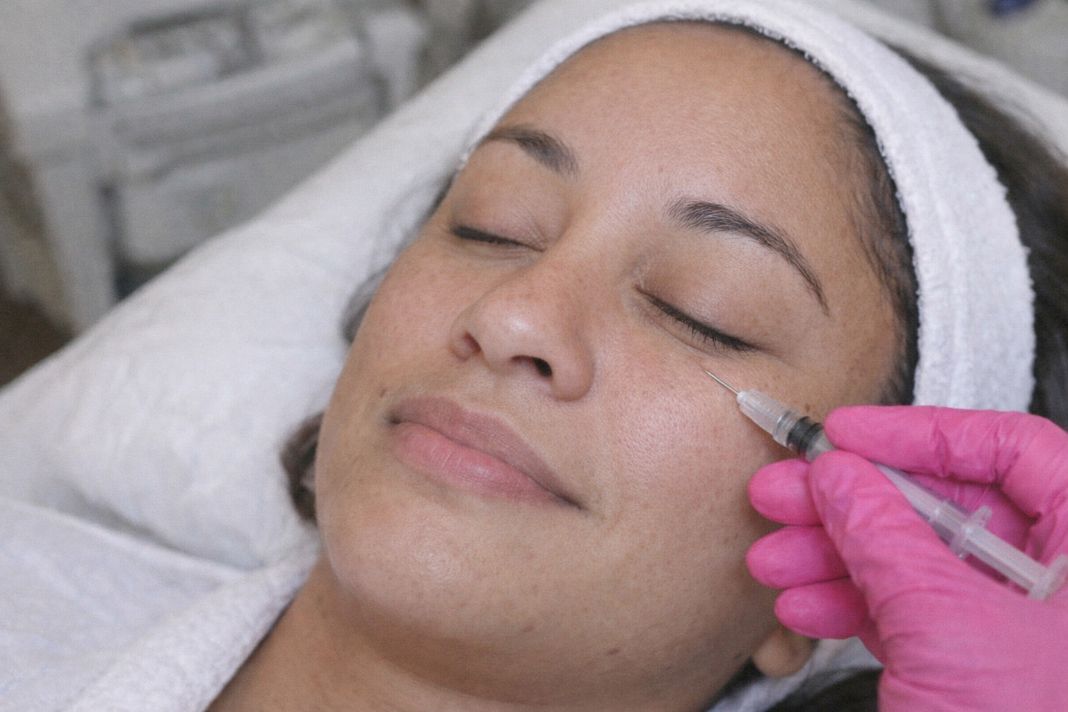
LASER Treatment Room – Illustrative Image
Safety, Suitability and Clinical Oversight
Safety starts with selection. Any laser or energy-based skin treatment should be matched to the patient in front of the clinician, not chosen from a menu without assessment.
Medical assessment usually covers skin type, current skin condition, medical history, previous reactions, medication use and the specific concern being treated. Informed consent depends on that review, because expected benefits, limitations and possible adverse effects need to make sense for the individual case.
Common reasons to delay or avoid treatment can include active infection, impaired healing, irritation in the target area or recent procedures that leave the skin more reactive. Certain treatment combinations also need spacing. A person considering injectables, peels or another device-based procedure may need a different sequence or interval so that the skin can be assessed properly between appointments.
Follow-up also has a clinical role. Some treatments need review to judge response, decide whether another session is appropriate and record any delayed reaction. That process is one reason consultant dermatologist input or doctor-led oversight can be valuable in medical aesthetics, particularly where the line between cosmetic concern and dermatological condition is not always obvious at first glance.
Pricing and Practical Considerations
Pricing is only one part of treatment planning, but it does affect how people compare options. For laser skin rejuvenation in a clinical setting, cost usually reflects the device used, the challenge of the protocol and the appointment time involved.
Relevant prices include:
| Treatment | Price |
|---|---|
| Fotona 4D | £530.00 |
| SylFirm X | £620.00 |
| PicoSure Pro | £480.00 |
| LDM | £140.00 |
| Mark Vu | £65.00 |
| LED Dermalux | £90.00 |
Time commitment also varies. A light-based session such as LED phototherapy is generally easier to fit into a lunch break than a multi-stage laser appointment. More active treatments may also involve a short period of visible redness afterwards, so the calendar matters as much as the fee.
For professionals based around London Wall, Liverpool Street, Bank or Moorgate, location can influence whether follow-up is realistic. A central City of London clinic may be easier to access before work, between meetings or on a return commute, especially where treatment intervals are part of the plan. Practical planning often comes down to three points: how long the appointment takes, whether there is visible recovery time and how many sessions are likely to be discussed.
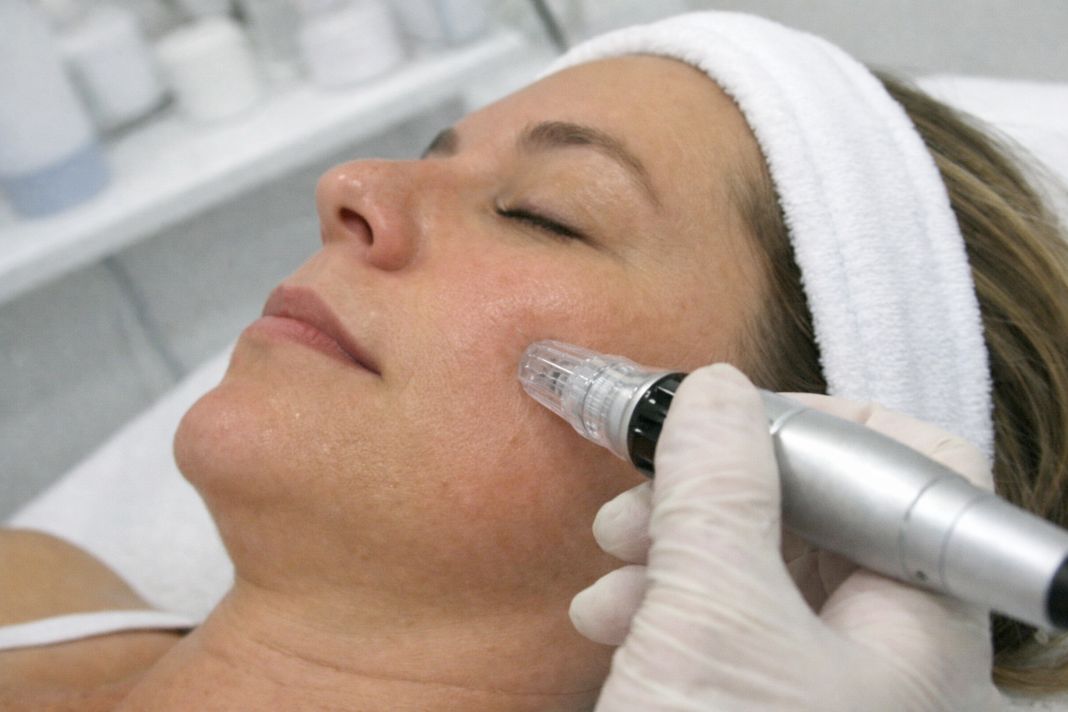
LASER Treatment Room (2) – Illustrative Image
Common Misconceptions and Forward-Looking Considerations
One common misconception is that laser skin rejuvenation produces the same result for every face. In practice, outcomes depend on the underlying issue, the technology used, the treatment settings and the skin’s capacity to respond through collagen remodelling and healing.
Another misunderstanding is that non-surgical means no recovery and no risk. Treatments without incisions can still involve downtime, aftercare and the possibility of adverse effects. The phrase non-invasive treatment describes the method, not an absence of clinical judgment.
Some people also assume that one session settles every concern permanently. Skin continues to age, sun exposure continues to matter and treatment plans often involve review over time. Maintenance is not always required at fixed intervals, but expectation management remains part of good patient education.
Clinical skin care is also becoming more precise. Better imaging, more refined treatment settings and stronger protocol-based assessment are making it easier to match treatment type to skin concern. For patients, that means the most useful question is often less about which device sounds strongest and more about which mechanism fits the problem being treated.