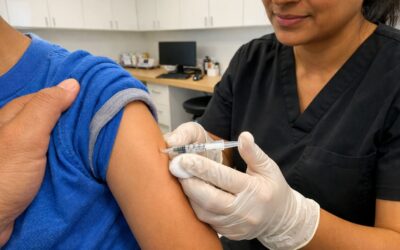
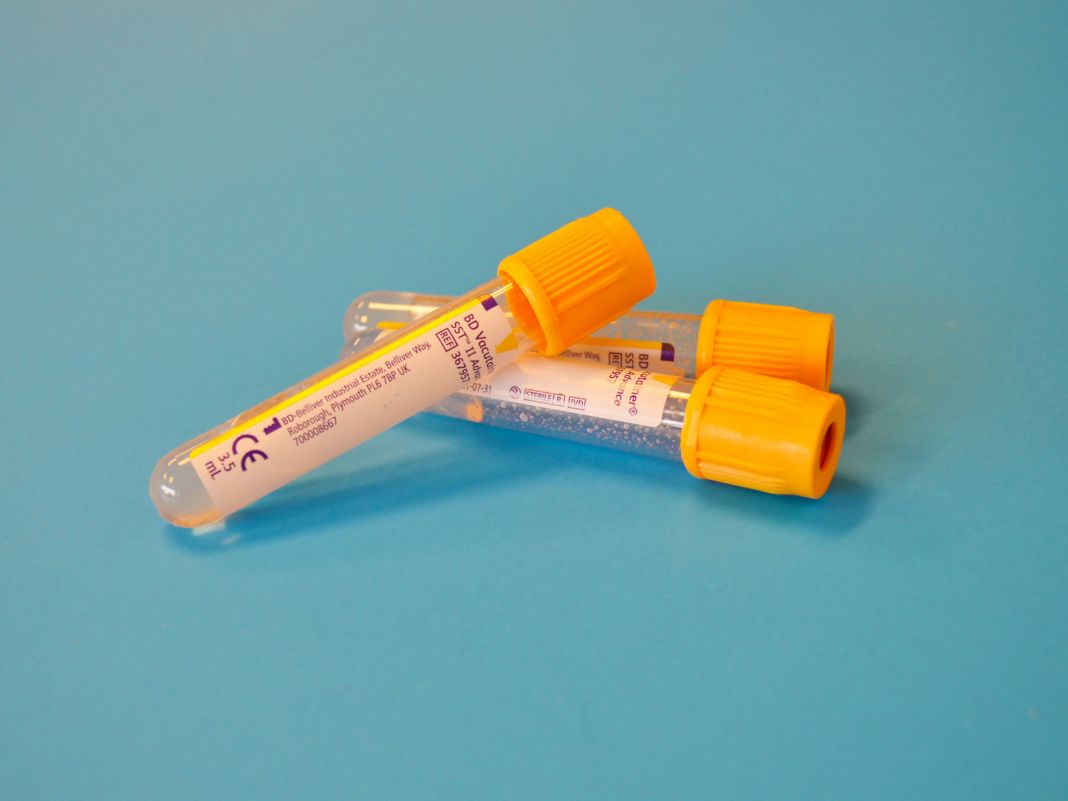
Could a simple blood test show pre-diabetes before you feel unwell?
Yes. Pre-diabetes often develops without obvious symptoms, which means that a blood test can reveal raised blood sugar and metabolic risk before daily life gives you any clear warning. Tests such as HbA1c and fasting glucose are used to spot early changes that might otherwise remain hidden.

Women’s Health – Blood and Hormonal Test Room Illustrative Image
What Is In This Article
Most People Misjudge Their Own Risk
A finance professional in the City of London feels broadly well, gets through long meetings on coffee, eats late more often than planned, and assumes that serious health issues would announce themselves. A routine screen then shows blood glucose sitting in a range that suggests pre-diabetes risk. Nothing dramatic happened. That is exactly the point.
Feeling functional is not the same as being metabolically well. Early insulin resistance can build quietly in the background, especially when work patterns normalise missed meals, poor sleep, low movement, and constant mental load. Many people do not ignore warning signs because they are careless. They miss them because there may be very little to notice.
The NHS, NICE, and the World Health Organization all frame diabetes prevention around risk identification and early action, not around waiting for obvious illness. In practice, assumptions do a lot of damage. “I am busy, therefore I am just tired” is a common one. “I would know if something was wrong” is another. Both can hide undiagnosed pre-diabetes in plain sight, particularly in City of London workplaces where being tired, sedentary, or irregular with meals can seem ordinary.
Symptoms Are a Poor Guide
Waiting for symptoms is a flawed strategy.
Pre-diabetes is often asymptomatic, and early blood sugar changes do not always produce sensations that stand out from a normal working week. People often expect a clear signal. Clinical reality is less tidy. What they notice, if they notice anything at all, may be vague enough to dismiss by lunchtime.
A few common misattributions tend to delay action:
- Fatigue gets blamed on work pressure or poor sleep.
- Increased thirst is put down to caffeine, travel, or a warm office.
- Weight change is treated as a temporary routine issue, not a metabolic warning sign.
General practitioners see this pattern regularly. By the time symptoms feel distinct, the window for the earliest intervention may already be narrowing. Guidance linked to diabetes prevention has long reflected that problem, which is why symptom-watching on its own is a weak method for judging risk. The absence of obvious signs tells you very little about what your blood sugar has been doing over recent months.
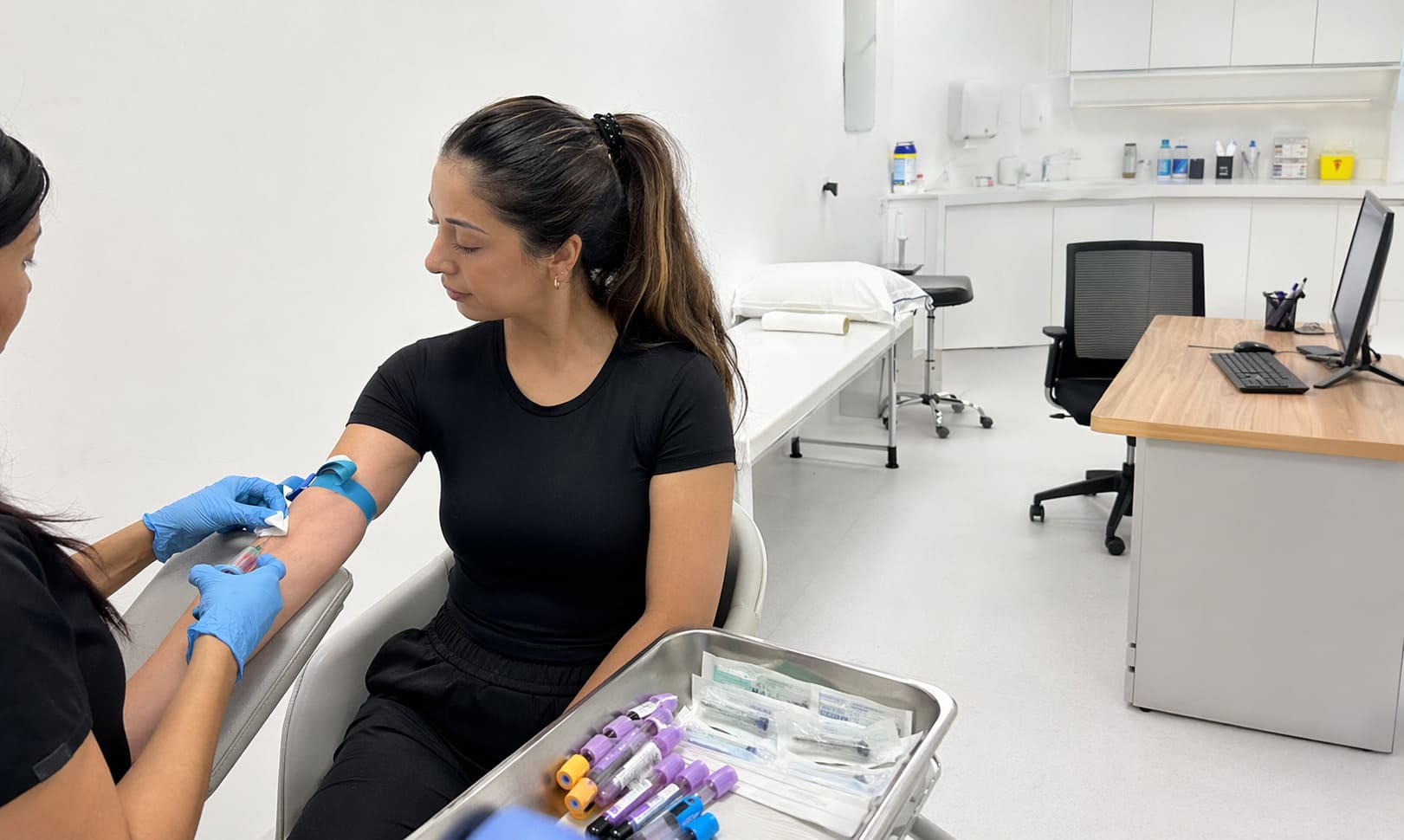
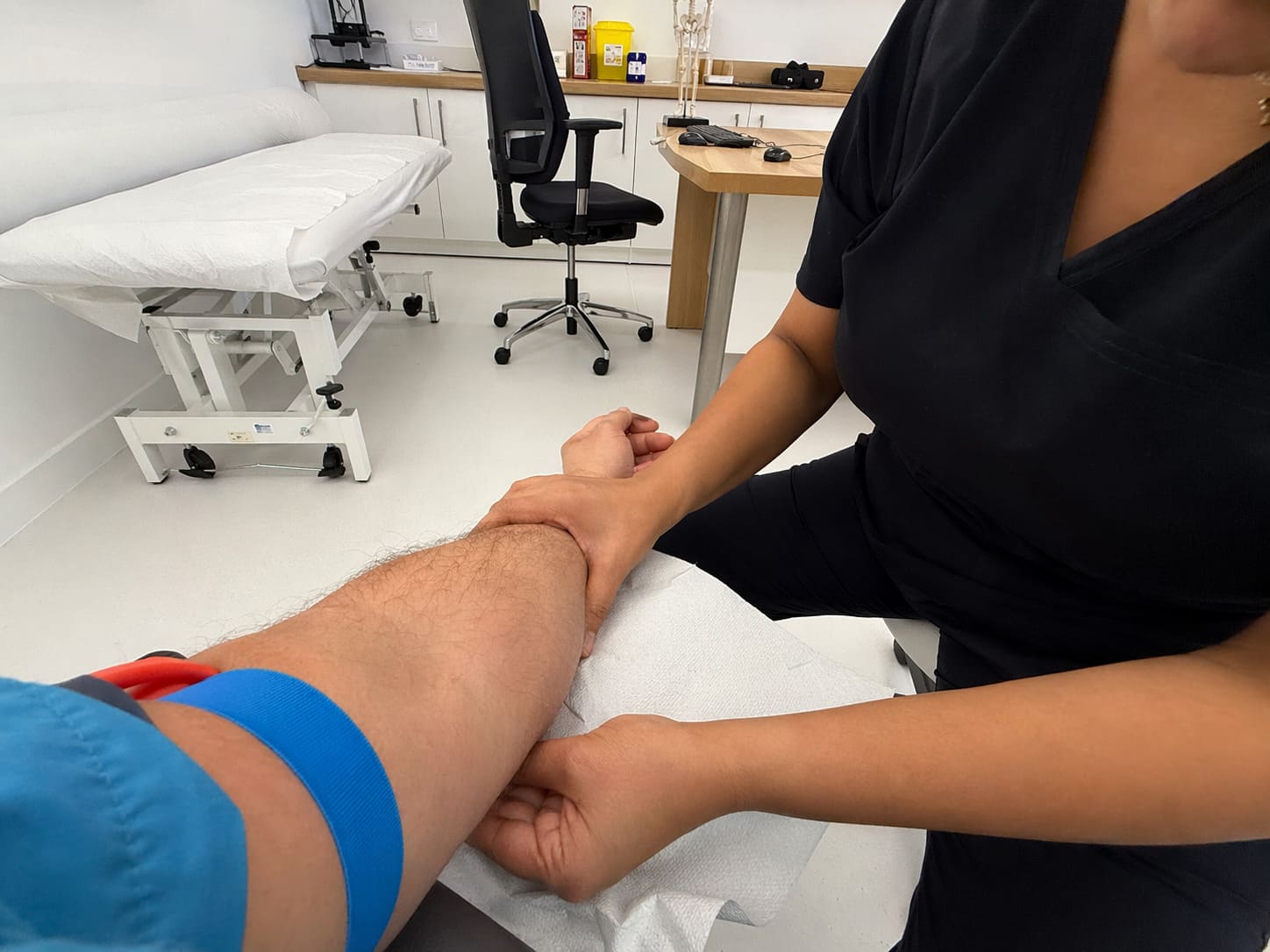
Women’s Health – Blood and Hormonal Test – Blood Test In Progress – Illustrative Image
Routine Blood Tests Are Underused
Blood tests are for people who feel unwell. They are also a practical screening tool for people who want a clearer view of metabolic health before problems become harder to manage.
For a time-limited professional in central London, that distinction matters. Preventative screening usually starts with a clinical review of risk factors, followed by blood testing where appropriate. Depending on the setting, that may include an HbA1c test, a fasting glucose test, or a broader health screen that places blood sugar results in context with other markers.
At Future Care Medical, that process sits within a structured pathway rather than an isolated test result. The aim is simple: identify whether raised blood sugar is present, assess how it fits with broader metabolic risk, and decide whether monitoring or further action is sensible. In a city where many people seek medical advice only once something interferes with work or sleep, routine testing can provide clarity much earlier.
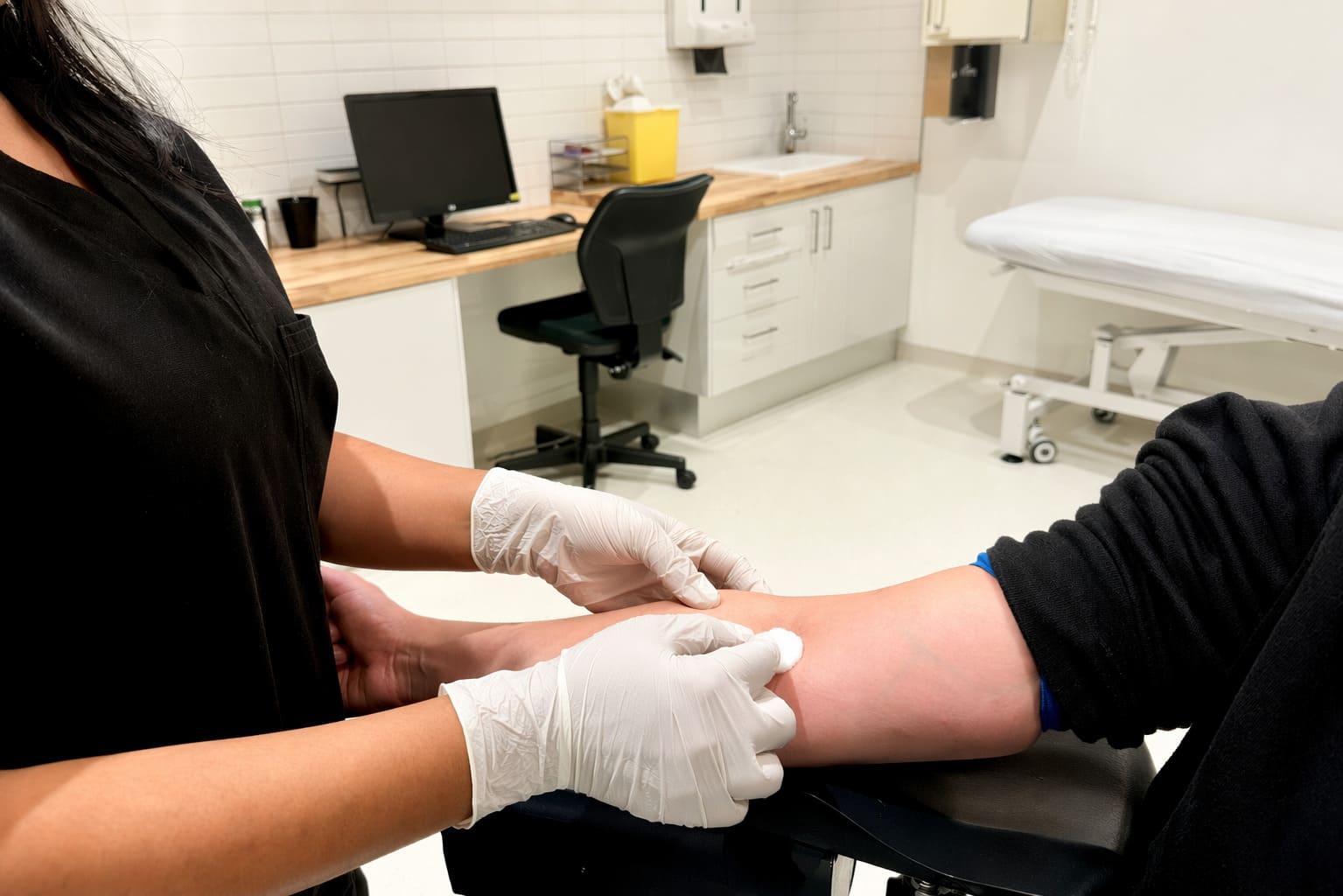
Women’s Health – Blood and Hormonal Test – Post Blood Draw Detail (2) – Illustrative Image
One Test, Many Answers
HbA1c is a blood test that shows average blood sugar over the previous two to three months. It does this by measuring glycated haemoglobin, which reflects how much glucose has been attached to red blood cells over time.
That makes it different from a single glucose reading taken at one moment. A one-off result can be useful, but HbA1c offers a trend rather than a snapshot. For pre-diabetes, that longer view is often what matters most, because the question is rarely whether blood sugar was high once. The real question is whether it has been running high often enough to signal a pattern.
A simple comparison makes the difference clearer:
- HbA1c shows longer-term blood sugar trends.
- Fasting glucose shows what blood sugar looks like after a period without food.
- Both may be used together if a clinician needs a fuller picture.
UK clinical guidelines use defined thresholds to interpret these results, but numbers are only part of the story. Age, family history, weight pattern, blood pressure, activity level, and other results all shape what a raised HbA1c actually means for future diabetes risk. A mildly abnormal result does not function like a label. It functions more like an early map.
Early Detection Changes Outcomes
Once screening suggests pre-diabetes, the next step is not guesswork. A process-led pathway usually begins with a consultation, then moves into interpretation, risk assessment, and follow-up planning.
In practical terms, that often looks like this:
- A GP consultation reviews personal history, family history, symptoms, and risk factors.
- Blood tests assess markers such as HbA1c and, where needed, fasting glucose.
- Results are interpreted in context, with attention to wider metabolic risk.
- Follow-up is arranged to monitor change and guide prevention.
That structure matters because raised blood sugar rarely exists in isolation. Someone may also have changes in weight, blood pressure, cholesterol, or waist measurement that shift the overall risk picture. A defined pathway keeps those pieces connected instead of treating each result as a separate event.
For patients using private care in central London, pricing can also shape decision-making, so clear figures are useful. A 15-minute GP consultation is £105, and health checks start at £350. At Future Care Medical, those services sit within a broader consultant-led and GP-led model that links screening with interpretation and next-stage planning. The value of that arrangement is not speed for its own sake. It is the ability to move from a blood result to a clinically grounded plan without losing continuity between steps.

Men’s Health – Blood Test in Progress – Illustrative Image
The Quiet Edge
Experienced patients and clinicians tend to say a similar thing in calmer language than you might expect: they wish they had known their numbers earlier. Early clarity gives you room to think, room to adjust, and room to act before blood sugar changes become harder to reverse.
That is the quiet advantage. Knowing where you stand is not an expression of anxiety. It is a way of keeping more options open. What experienced people in this space wish they had known earlier is that a simple blood test can give you useful use long before illness forces the issue.