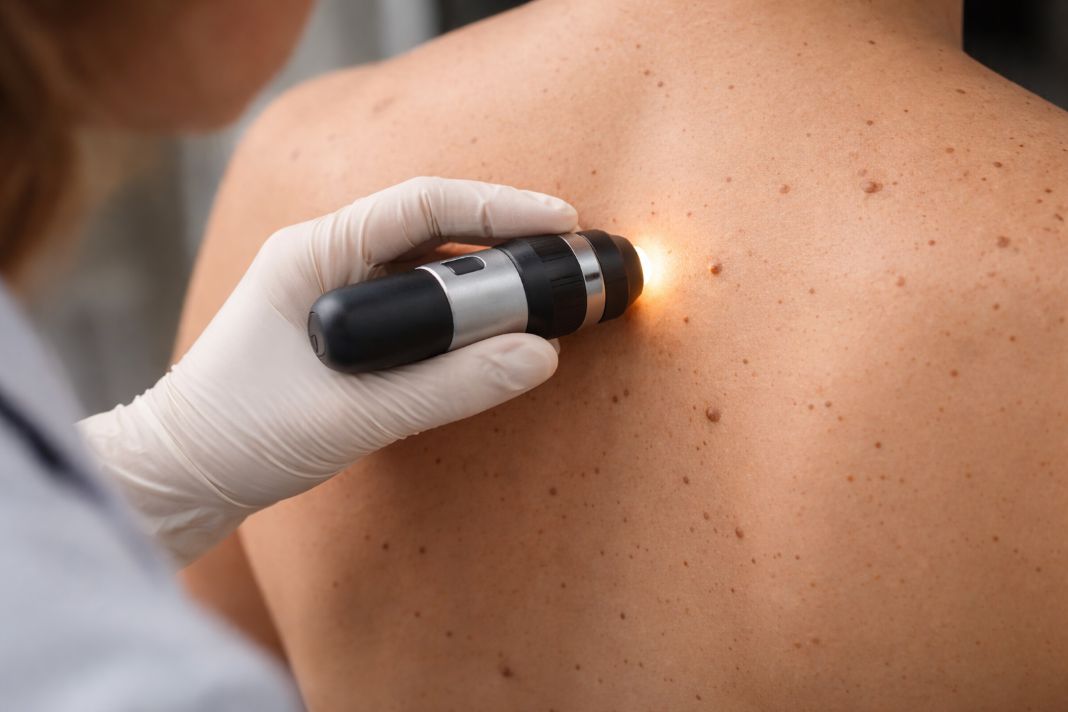
What actually works for melasma and dark patches in summer?
Effective treatment starts with diagnosis, because melasma, sun spots and post-inflammatory pigmentation can look similar but respond differently. In summer, the best plan usually combines strict sun and visible-light protection with assessed topical treatment, then considers peels, microneedling or laser only after skin type and relapse risk are reviewed.
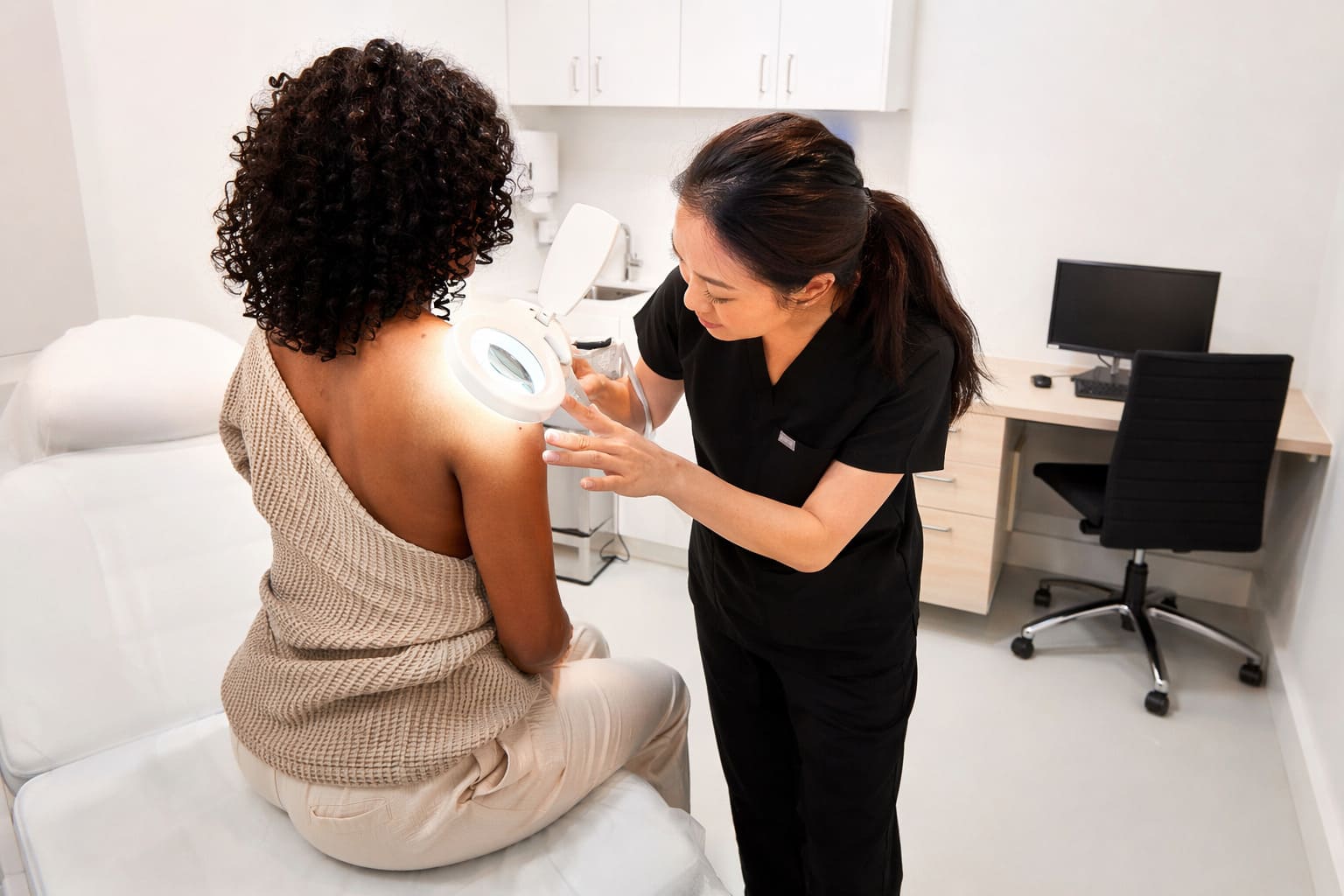
LASER Treatment Room – Illustrative Image
What Is In This Article
The first treatment decision is the diagnosis
Two people can arrive with similar cheek pigmentation and need different plans. One may have melasma, a common adult skin condition where brown or greyish patches usually develop on the face. Another may have post-inflammatory pigmentation after acne, a sun spot, freckles, lentigines or a lesion that needs medical assessment before any cosmetic treatment is discussed.
That difference matters. A broad label such as facial pigmentation treatment does not tell you whether a cream, peel, laser or observation is the right move. Pattern, timing, previous inflammation, pregnancy history, hormonal medication, skin type and past procedures all change the risk calculation.
The British Association of Dermatologists notes that melasma is more common in women, people of colour and people who tan quickly. That does not make every dark patch on the face melasma, and it does not mean every brown patch suits the same plan.
At Future Care Medical in the City of London, pigmentation care is framed around assessment before treatment choice, including skin assessment, advanced skin analysis where relevant, baseline photography and clinical review. That order is sensible. The first useful appointment is an assessment, not a device booking.
Why summer sun changes the treatment plan
Summer changes the risk calculation because light exposure can keep pigmentation active. Melasma usually becomes more noticeable in summer and can improve in winter, so timing affects what is sensible, how strong treatment should be and how carefully your skin needs to be protected between reviews.
Sun protection for melasma needs to cover ultraviolet light and visible light. A broad-spectrum sunscreen with sun protection factor, or SPF, of 30 or above and high ultraviolet A, or UVA, protection is the baseline. Tinted sunscreen containing iron oxides can add protection against visible light, which is relevant because high-energy visible blue light from sunlight may contribute to melasma.
Work patterns in the City of London make this practical rather than theoretical. A short walk from Liverpool Street to Bank, stepping outside between meetings or sitting near strong daylight all affect exposure. Treatment can reduce pigment, but unprotected light exposure keeps reactivating it.
Sunscreen has to be used like part of the treatment plan. Apply it before sun exposure, refresh it when you are outdoors for long periods and avoid sunbeds. Photoprotection supports treatment, not the afterthought.
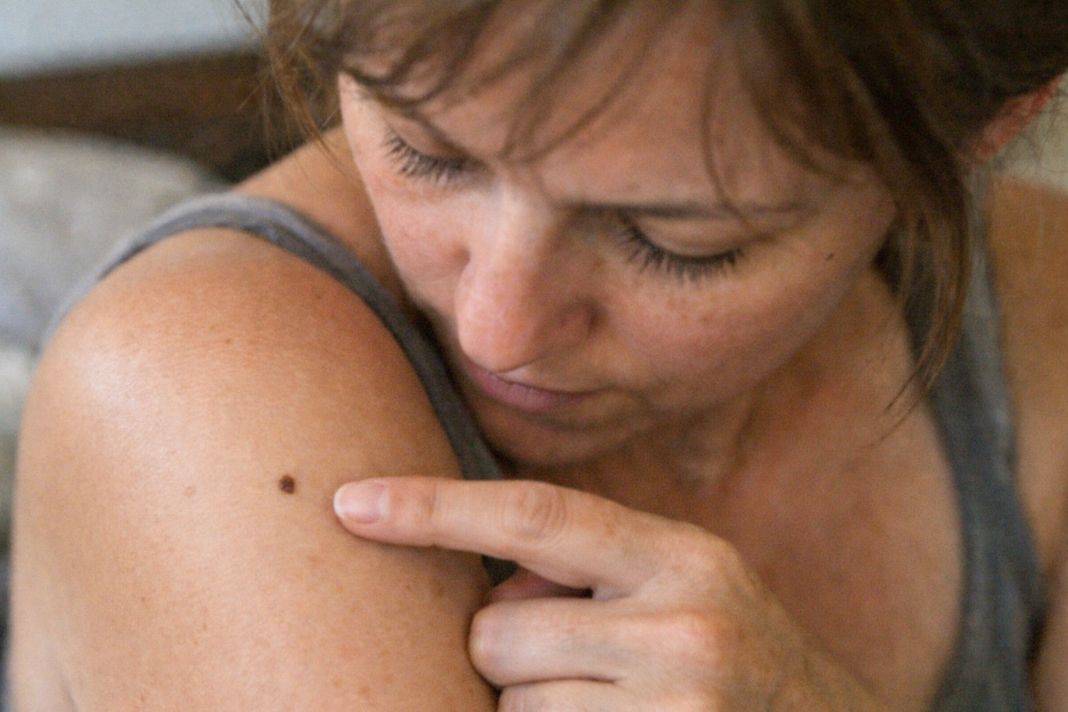
Cryotherapy freezing lesion treatment – Illustrative Image
The working treatments are usually layered
Melasma management is usually layered because pigment can be switched back on after it has faded. The plan starts with trigger control, then moves to pigment suppression, then considers procedures only where the skin and timing make sense.
- Diagnosis and trigger review come first. The clinician needs to identify whether the patch is melasma, post-inflammatory hyperpigmentation, sun damage or another concern before stronger treatment is used.
- Photoprotection and visible-light control sit underneath every other option. Without that, creams or procedures are working against daily light exposure.
- Active or prescription topical treatment can reduce pigment production. Hydroquinone prevents pigment cells from producing melanin, but it can irritate skin, can only be prescribed by doctors and should only be used for a few weeks at a time. It may occasionally make skin darker, so medical supervision is not a formality. Combination creams with hydroquinone, a retinoid and a weak steroid may be used under prescription, although hydroquinone and retinoid creams should be avoided in pregnancy.
- Tranexamic acid can be considered in selected patients. It may be used as a tablet or cream, but suitability depends on clinical review rather than preference alone.
- Procedural treatment comes later, if appropriate. Chemical peels, microneedling and laser therapy are options for some patients, but they belong after diagnosis, skin tolerance and relapse risk have been reviewed.
Skin camouflage also has a valid place. It can support day-to-day confidence while slower treatments are assessed, adjusted and maintained, especially during brighter months when pigment can shift.
Why lasers and peels need caution
A patient asking for laser before a summer holiday may receive a different plan after assessment. The visible pigmentation may be active melasma, the skin may be prone to post-inflammatory pigmentation, or the timing may make a peel or laser a poor first move.
Here is the practical comparison that matters.
| Option | Role in pigmentation care | Main caution |
|---|---|---|
| Chemical peels | Peels can improve melasma by removing outer skin cells that contain pigment. | Poorly chosen or poorly performed peels can worsen pigmentation, over-lighten skin or cause scarring. |
| Microneedling | Microneedling is a procedural option that may form part of a broader plan. | Suitability depends on diagnosis, skin type and tendency to pigment after inflammation. |
| Laser therapy, including pico laser | Laser may be considered for selected pigmentation concerns after assessment. | Laser success in melasma is variable and treatment can worsen pigmentation or cause lighter patches, particularly in people of colour. |
Laser does not deserve default status simply because it sounds stronger. The British Association of Dermatologists is clear that laser therapy for melasma has variable success and should be performed only by a highly experienced laser operator.
Regulation also deserves a plain mention. GOV.UK distinguishes between laser or intense pulsed light used to treat disease, disorder or injury, where registered medical practitioners must register with the Care Quality Commission, and laser or intense pulsed light used exclusively for cosmetic purposes, where Care Quality Commission registration is not required. Some local councils also require registration for these treatments.
Future Care Medical lists PicoSure Pro at £480 per session, with total treatment cost depending on the likely number of sessions discussed for the condition being treated. That price is useful only after suitability has been assessed, because the wrong procedure at the wrong time can cost more than money.
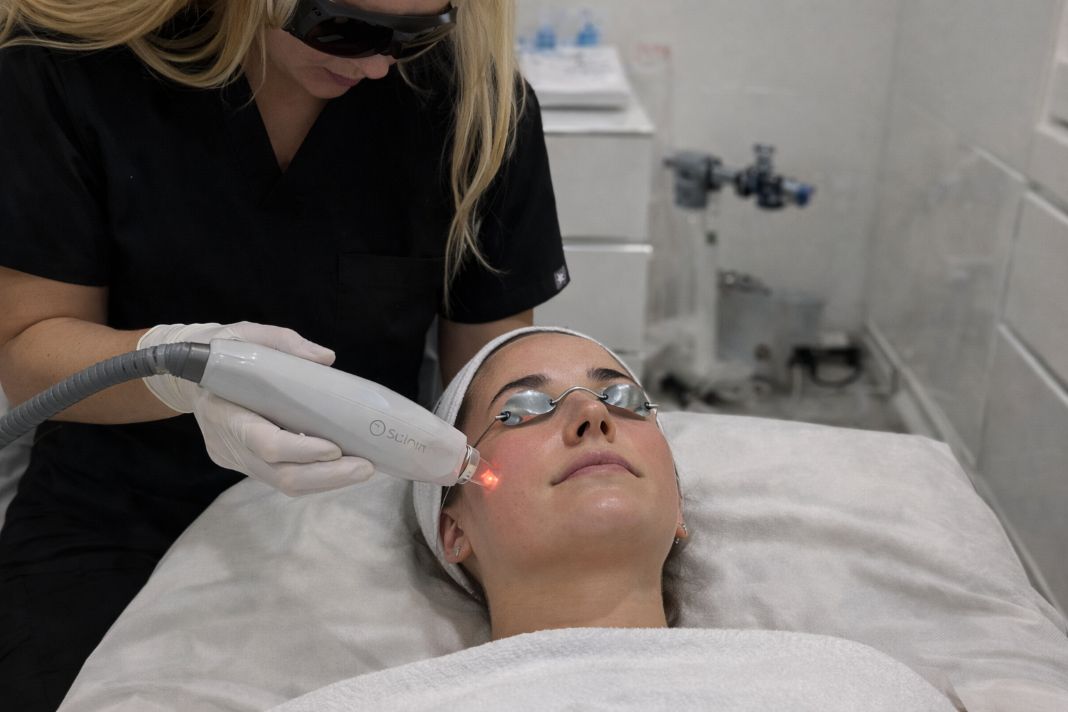
LASER Treatment Session – Illustrative Image
The London pathway should fit real follow-up
When pigmentation changes through summer, follow-up becomes part of treatment. A plan that starts near London Wall, Bank, Moorgate or Liverpool Street has practical value for a working day only if it keeps assessment, photography, prescription review and procedural suitability in one coherent pathway.
Baseline photography helps because memory is a poor way to judge pigment. Your skin can look different after a holiday, a change in sunscreen use or a period of stronger light exposure. Comparing images gives the clinician a clearer way to judge whether treatment is helping or whether irritation is adding to the problem.
A structured assessment should also make clear what is being treated now and what is being deferred. A topical plan may start before any device is considered. A peel may wait until the skin is calmer. Laser may be ruled out or delayed if the chance of worsening pigmentation is too high.
Local access is useful when the clinical plan is clear.
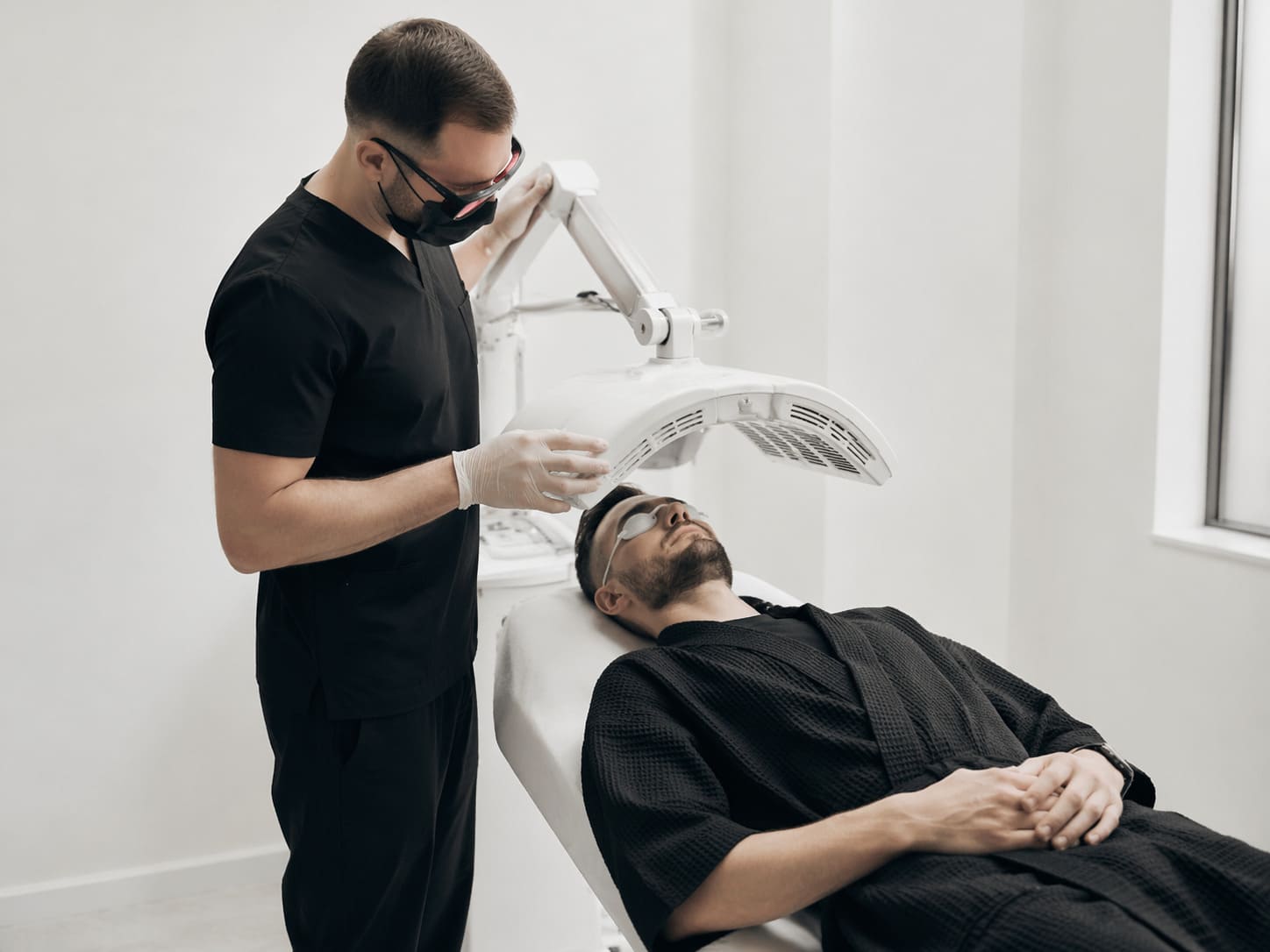
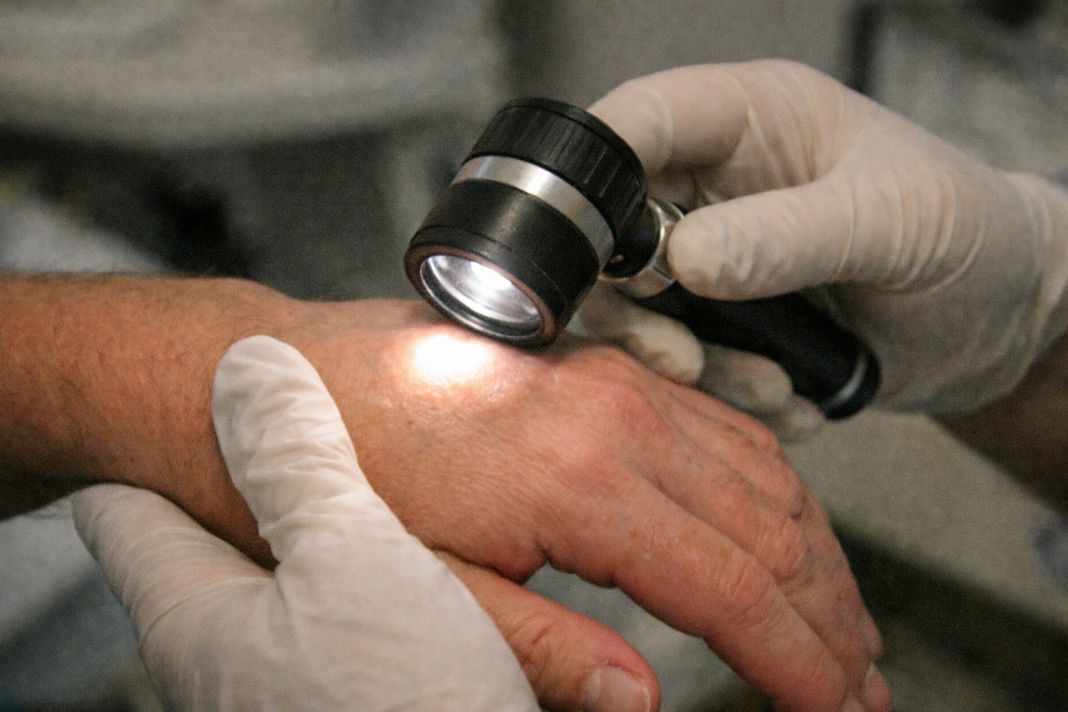
LASER Consultation – Illustrative Image
The real question is not which treatment is strongest
Strength is the wrong yardstick for summer pigmentation. The better standard is whether the treatment matches the diagnosis, the season, your skin type and your tolerance for relapse risk.
Melasma can improve, but there is currently no cure, and it often returns after treatments stop. It is also not an infection, is not contagious, is not due to allergy, is not cancerous and will not develop into skin cancer. That combination calls for precision rather than panic.
Judge any proposed plan by the order of thinking behind it. The patch should be identified first, light exposure should be controlled, pigment suppression should be monitored and procedures should be used only when their benefit is worth the risk. For melasma and summer dark patches, the right answer is the best-matched pathway, not the strongest treatment on the menu.
Common questions about melasma and summer pigmentation
Can melasma be cured permanently?
Melasma has no current cure, although treatment can improve its appearance. Relapse is common when trigger control stops, especially with renewed sun exposure.
Is melasma dangerous or contagious?
Melasma is not an infection, is not contagious and is not cancerous. A new, changing or uncertain patch still deserves assessment because other skin concerns can look pigmented.
Can hydroquinone be used for brown patches during pregnancy?
Hydroquinone and retinoid creams should be avoided in pregnancy. Any pigmentation treatment during pregnancy needs medical review before prescription or active products are used.
Does blue light from phones make melasma worse?
High-energy visible blue light from sunlight may contribute to melasma. The British Association of Dermatologists says there is no evidence that blue light from personal electronic devices affects the skin.
How should sunscreen be used when you are outdoors?
Sunscreen should be applied 15 to 30 minutes before going into the sun and reapplied every two hours when outdoors. It should also be reapplied after swimming and towel drying, even when labelled waterproof.
This is general information, not medical advice.