Could a normal HbA1c still miss early insulin resistance?
Yes, and this is the part most people find surprising. Your pancreas can compensate for early insulin resistance by producing more insulin, which keeps blood glucose inside the normal range. The glucose test comes back fine. The extra work going on behind it does not show up.
HbA1c measures average glucose exposure over roughly the previous eight to twelve weeks. It is a good test, and it answers a narrower question than most people assume: how much glucose has been circulating, not how hard your body has been working to keep it there.
So a normal HbA1c is genuinely reassuring about glucose. It is not the same as being reassured about insulin.

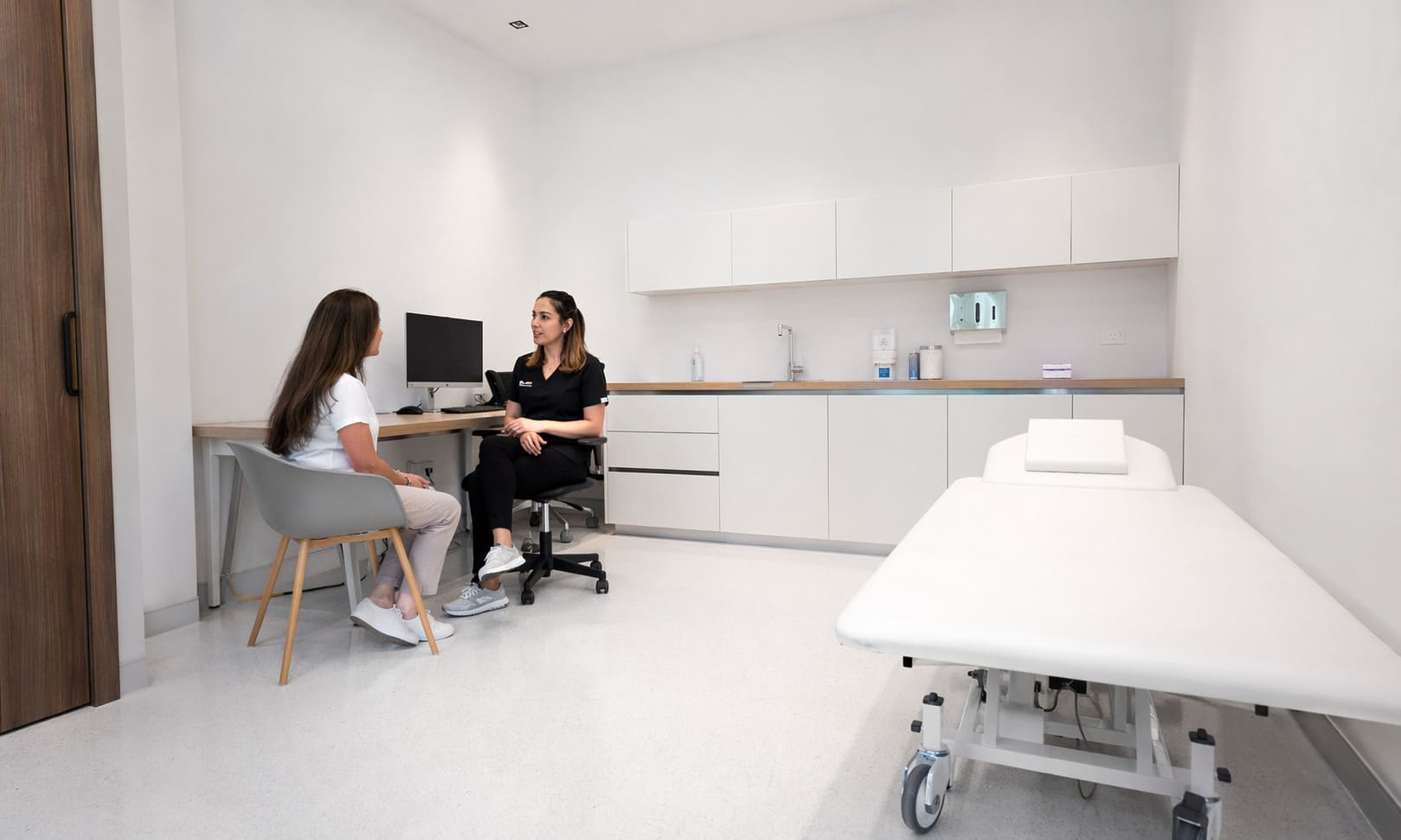
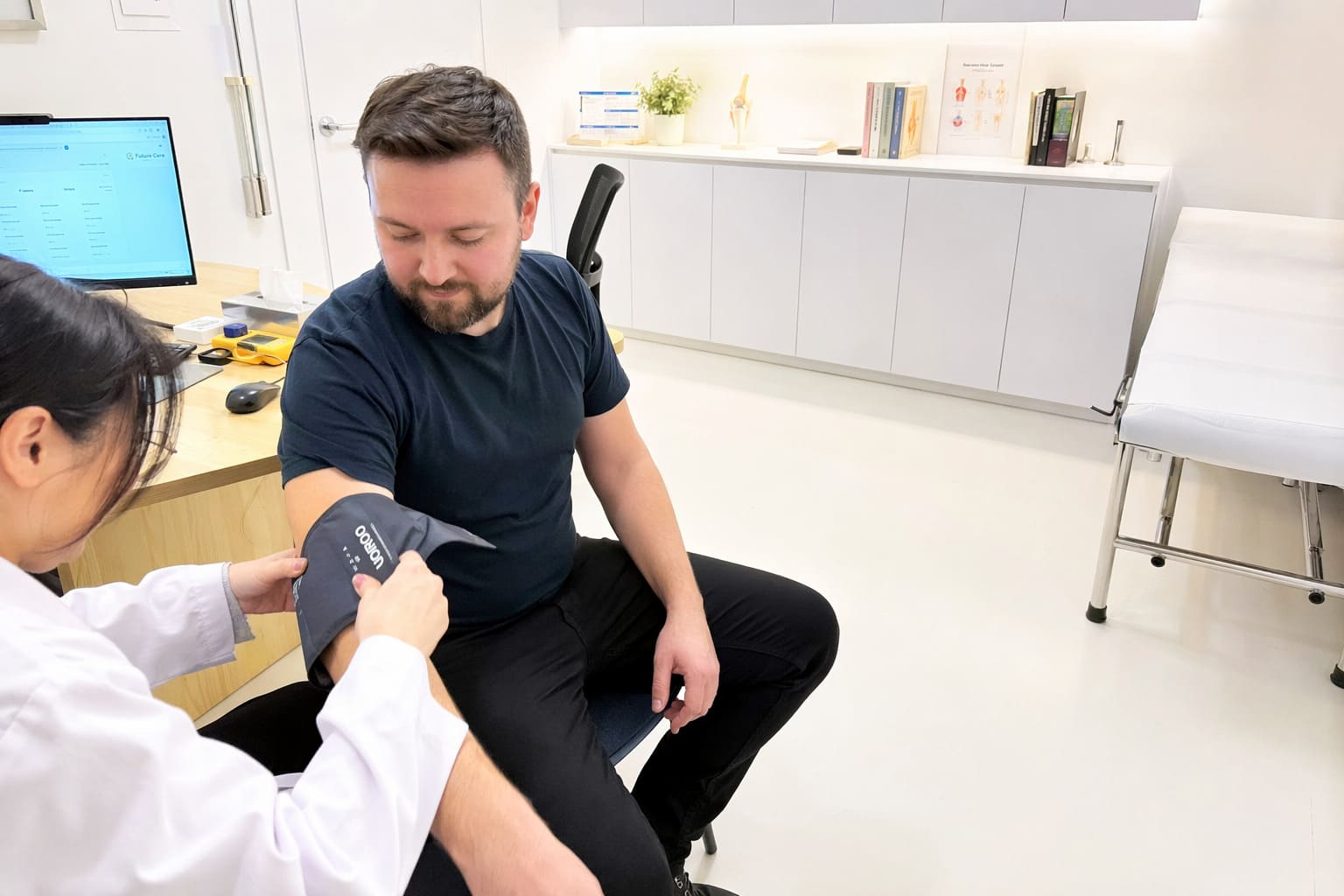
Women’s Health – Blood and Hormonal Test Room Illustrative Image
What Is In This Article
What insulin resistance actually is
Insulin is the hormone that moves glucose out of the bloodstream and into your cells. Insulin resistance means those cells respond to it less readily, so more insulin is needed to achieve the same effect.
For a while, the pancreas keeps up. It produces extra insulin, glucose stays normal, and nothing looks wrong on a standard test. That state, high insulin with normal glucose, is called hyperinsulinaemia, and it can go on for years.
Glucose only starts drifting upwards when the pancreas can no longer keep pace. By the time HbA1c moves into the high-risk range, the process has usually been running for some time. That is the whole reason people ask whether an earlier test exists.
The tests that come first, and what each one answers
Routine glucose testing is the sensible starting point, and it is what NICE, which covers England, sets out: assess risk first, then test with a venous HbA1c or fasting plasma glucose where the risk score is high.
- HbA1c gives average glucose exposure over eight to twelve weeks, with no fasting needed, which makes it the easiest to fit around a working day.
- Fasting plasma glucose measures glucose after an overnight fast, so it is a snapshot from that morning rather than an average.
- An oral glucose tolerance test measures fasting glucose, then glucose again two hours after a standard 75g glucose drink, showing how your body handles a load rather than how it sits at rest.
All three assess glucose regulation and diabetes risk. None of them measures insulin sensitivity, which is a separate question needing separate measurements.
The NICE high-risk ranges
An HbA1c of 42 to 47 mmol/mol, equivalent to 6.0% to 6.4%, indicates high risk of progressing to type 2 diabetes. The equivalent fasting plasma glucose range is 5.5 to 6.9 mmol/L. You will see this described as non-diabetic hyperglycaemia, meaning glucose above the usual range but below the diabetes threshold.
These are glucose risk criteria. They are not diagnostic thresholds for insulin resistance, and treating them as such is the most common misreading of a borderline result.
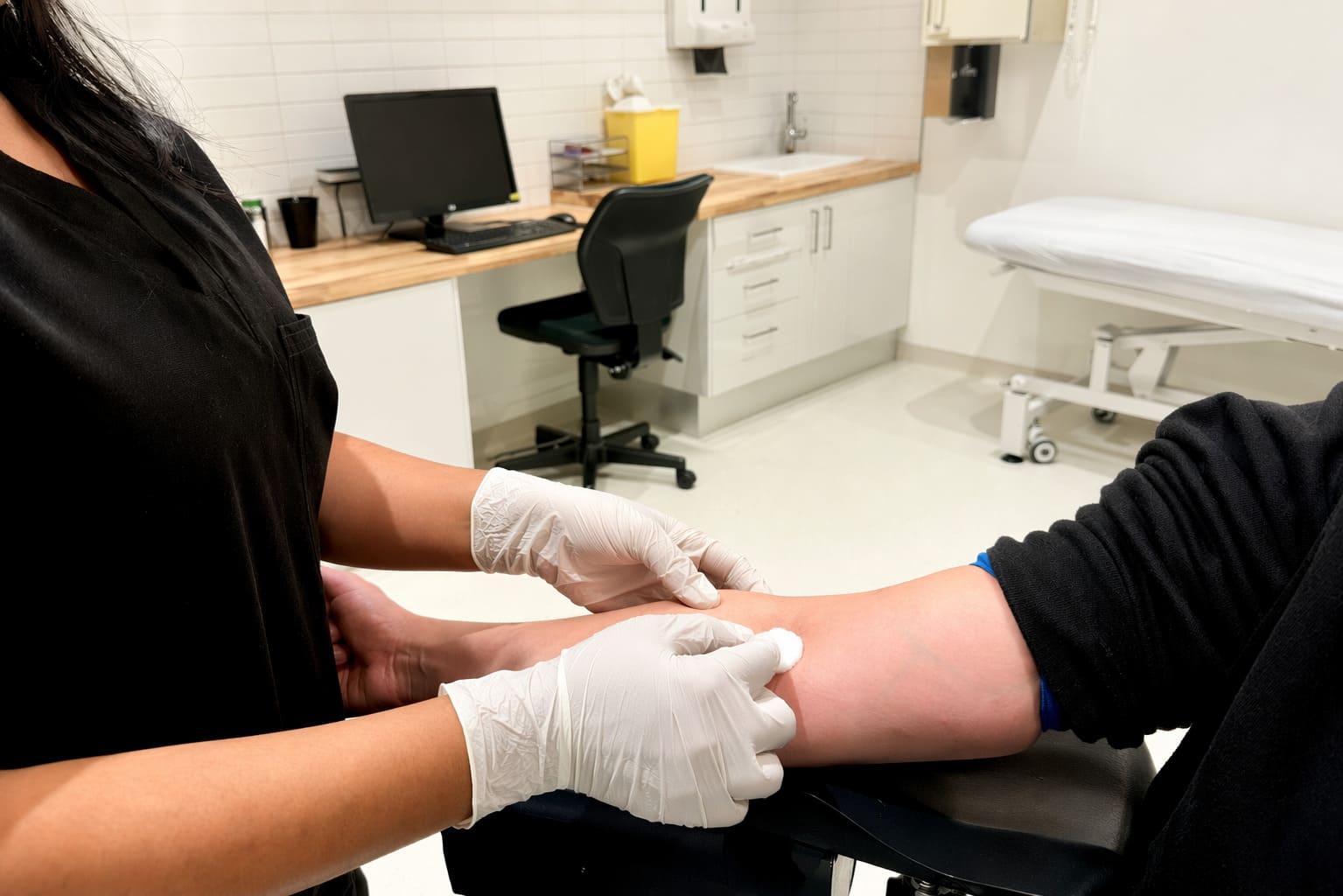
Women’s Health – Blood and Hormonal Test – Post Blood Draw Detail (2) – Illustrative Image
Fasting insulin and HOMA-IR are estimates, not verdicts
Fasting insulin measures the insulin circulating after an overnight fast. A raised result may indicate the compensation described above, though what counts as raised is where the trouble starts.
HOMA-IR, the Homeostasis Model Assessment of Insulin Resistance, calculates an estimate from fasting insulin and fasting glucose together. It is an indirect estimate rather than a measurement.
The direct measurement, the hyperinsulinaemic-euglycaemic clamp, is the research benchmark. It involves controlled infusions over several hours and exists in research settings rather than in any screening pathway, which is precisely why the surrogates are used at all.
The HOMA-IR cut-offs circulating online look far more authoritative than they are. There is no scientific consensus on a single figure that diagnoses insulin resistance in all adults, reference values shift with age, sex, ethnic background and cardiometabolic profile, and different insulin assays can return materially different numbers from the same blood sample. A HOMA-IR of 2.5 from one laboratory is not the same finding as 2.5 from another.
That does not make the tests useless. It makes them context-dependent, which is a different thing.
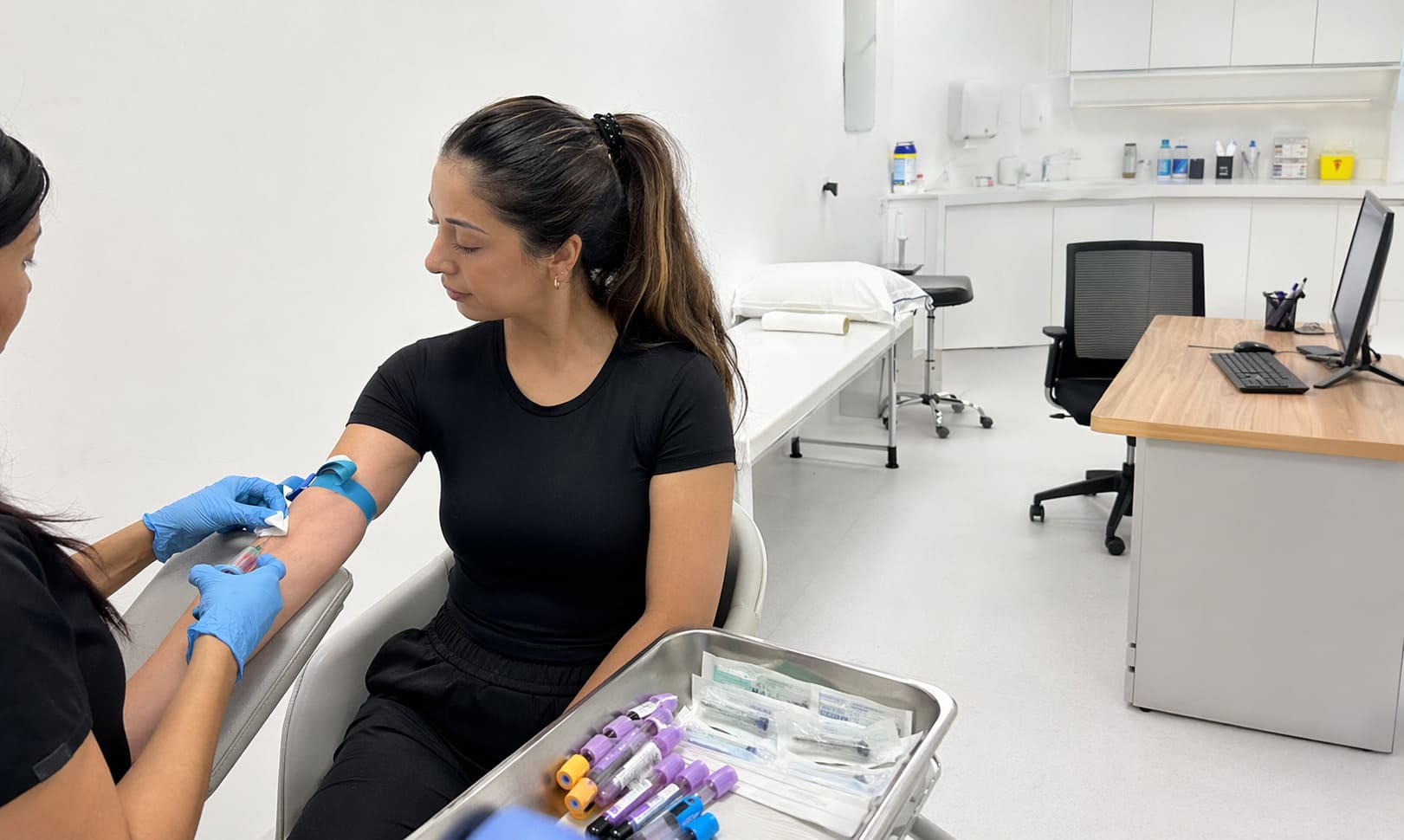
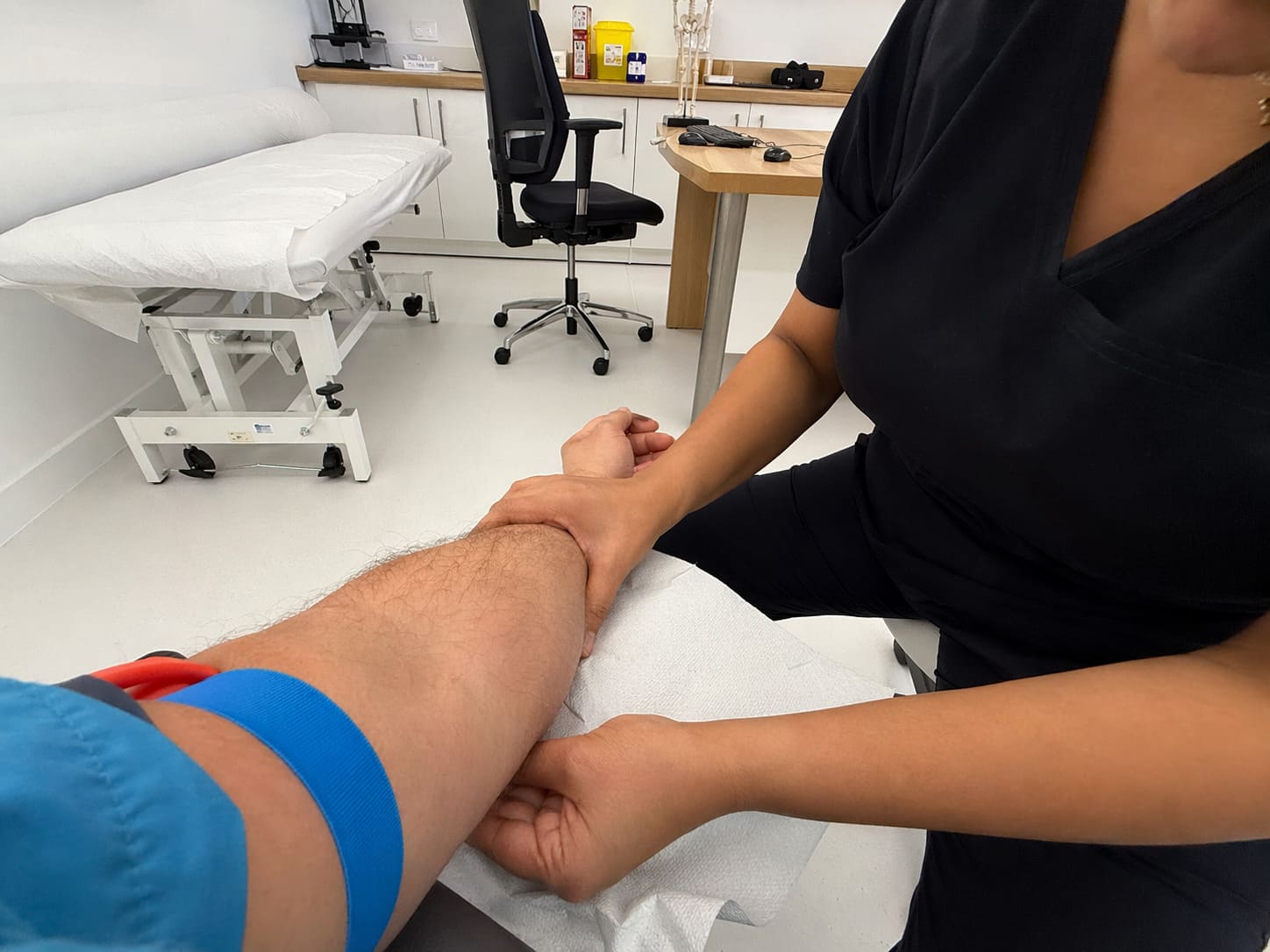
Women’s Health – Blood and Hormonal Test – Blood Test In Progress – Illustrative Image
One result never settles it
The same fasting insulin figure means different things in different people. Family history of type 2 diabetes, polycystic ovary syndrome, previous gestational diabetes, changes in weight, blood pressure, and the medicines you take all shift what a given number implies.
A lipid profile adds useful cardiometabolic context too, though lipid patterns support the picture rather than proving insulin resistance on their own.
We provide clinician-reviewed blood testing as part of a structured metabolic assessment at our London Wall clinic, with glucose results, insulin findings, blood pressure and health history reviewed together in one discussion rather than arriving as separate numbers.
Where screening throws up a possible diabetes result, an HbA1c of 48 mmol/mol or above or a fasting plasma glucose of 7.0 mmol/L or above, a second test is needed to confirm it. Once high risk is confirmed, NICE recommends blood testing at least yearly. Where the risk score is high but fasting glucose is below 5.5 mmol/L and HbA1c below 42 mmol/mol, reassessment at least every three years is the recommendation.
Your GP can review any of this, and you can also arrange a private consultation directly if you want the results interpreted alongside your wider risk profile sooner.
A single fasting insulin result answers almost nothing on its own. The pattern across your history, your glucose results and your other measurements is what actually answers the question.
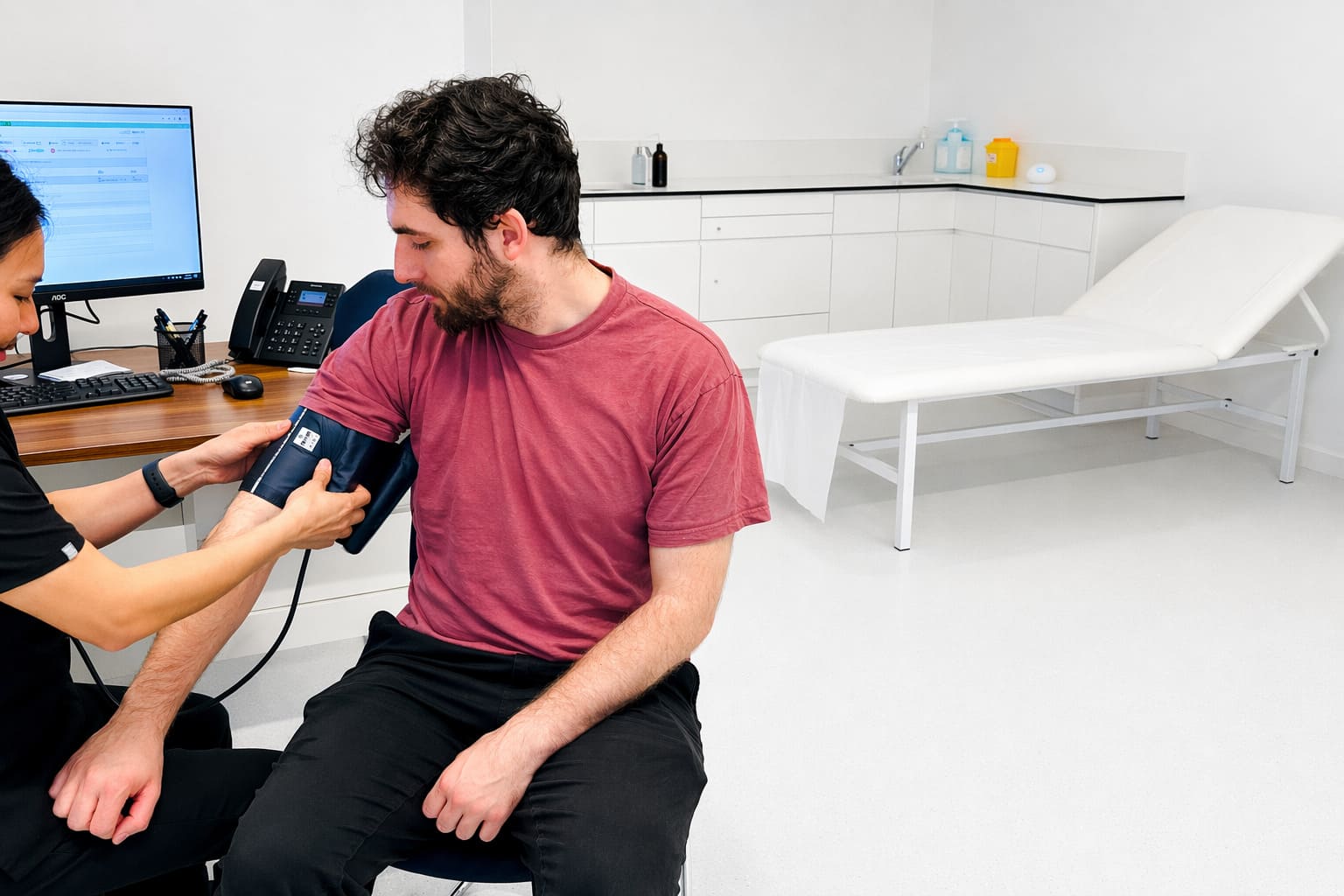
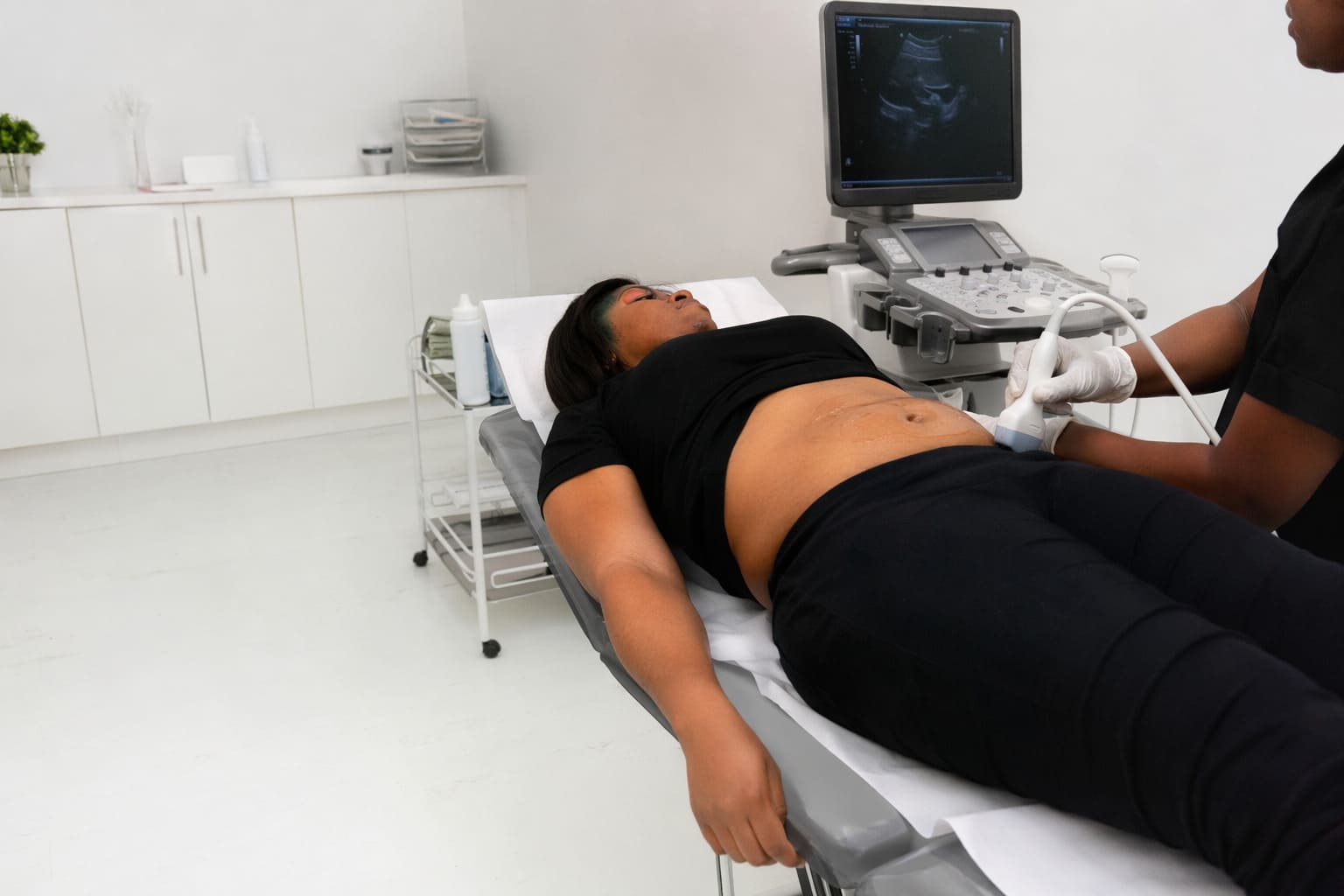
Essential Health Check – Blood Pressure Assessment – Illustrative Image
Questions we get asked about early insulin resistance blood tests
Do I need to fast for an HbA1c test?
No. HbA1c reflects average glucose over the previous couple of months, so the timing of your last meal makes no difference. Fasting plasma glucose is the one that requires it.
What happens during an oral glucose tolerance test?
A fasting blood sample first, then a standard 75g glucose drink, then a second sample two hours later. Expect to be at the clinic for the full two hours, since you cannot eat or wander off in between.
Can high triglycerides prove insulin resistance?
No. Raised triglycerides often accompany it and are worth noting, but they sit within cardiometabolic risk assessment rather than diagnosing insulin resistance by themselves.
Can a continuous glucose monitor diagnose insulin resistance?
No. It records glucose patterns over time, which can be informative alongside other findings, but it measures glucose rather than insulin and does not answer the sensitivity question.
Can insulin resistance occur at a healthy weight?
Yes. Weight is one factor among several, and family history, ethnic background, other medical conditions and certain medicines all contribute. A normal weight does not rule it out.
This is general information, not medical advice.
Reviewed by Fang He, BSc MSc, Advanced Nurse Practitioner and Chief Executive Officer at Future Care Medical, member of the Faculty of Sexual and Reproductive Healthcare.