How does PicoSure Pro compare with other laser treatments in clinical evidence?
PicoSure Pro is a picosecond laser, which means that it delivers energy in extremely short pulses. In clinical use, that difference matters because pulse duration, wavelength and the balance between thermal and photomechanical effects shape what a laser can treat, how skin responds, and how much recovery time may follow. Current evidence suggests that PicoSure Pro can be useful for selected concerns including pigmentation, tattoo removal and some aspects of skin texture, but the strongest choice still depends on the diagnosis, skin type and treatment goal rather than on the name of the device alone.
Here's What We Have Covered In This Article
Understanding Laser-Based Skin Treatments in Clinical Practice
Laser-based treatment has an established place in dermatology and medically supervised skin care. Clinicians use lasers to target specific structures in the skin, including pigment, blood vessels or water within tissue, depending on the device and the treatment aim.
One laser is not interchangeable with another. A picosecond laser behaves differently from a nanosecond Q-switched laser, and both differ again from fractional or ablative systems. Those technical distinctions affect safety profile, expected downtime and the kinds of clinical indications a doctor may consider.
In UK practice, device use sits within a wider framework of clinical governance, including MHRA oversight and medical device regulations. Guidance from bodies such as NICE and the British Association of Dermatologists may inform broader care pathways, although treatment decisions often rely on published studies, practitioner training and patient-specific assessment.
Three broad categories help explain the main differences:
- Picosecond lasers use very short pulse durations and are often discussed in relation to pigment, tattoo particles and selected skin texture concerns through a mainly photomechanical effect.
- Nanosecond Q-switched lasers also target pigment and tattoos, although their energy delivery differs and they may produce more thermal impact in some settings.
- Fractional and ablative lasers act more directly on skin tissue, often with a greater resurfacing effect, which can make them relevant for scarring or texture concerns where a longer recovery period may be acceptable.
Clinical laser use is therefore less about choosing a fashionable machine and more about matching mechanism to indication. A patient with post-inflammatory pigmentation, a person seeking tattoo clearance and someone with acne scarring may all be discussing laser skin treatments, yet the most appropriate technology could be entirely different in each case.
Pro Tip: Review the number of sessions and expected downtime for each laser modality before committing to a series of treatments.
Book a Laser Consultation
Discover if PicoSure Pro or another laser treatment fits your needs with a personalised clinical assessment.
PicoSure Pro: Mechanism, Indications and Clinical Application
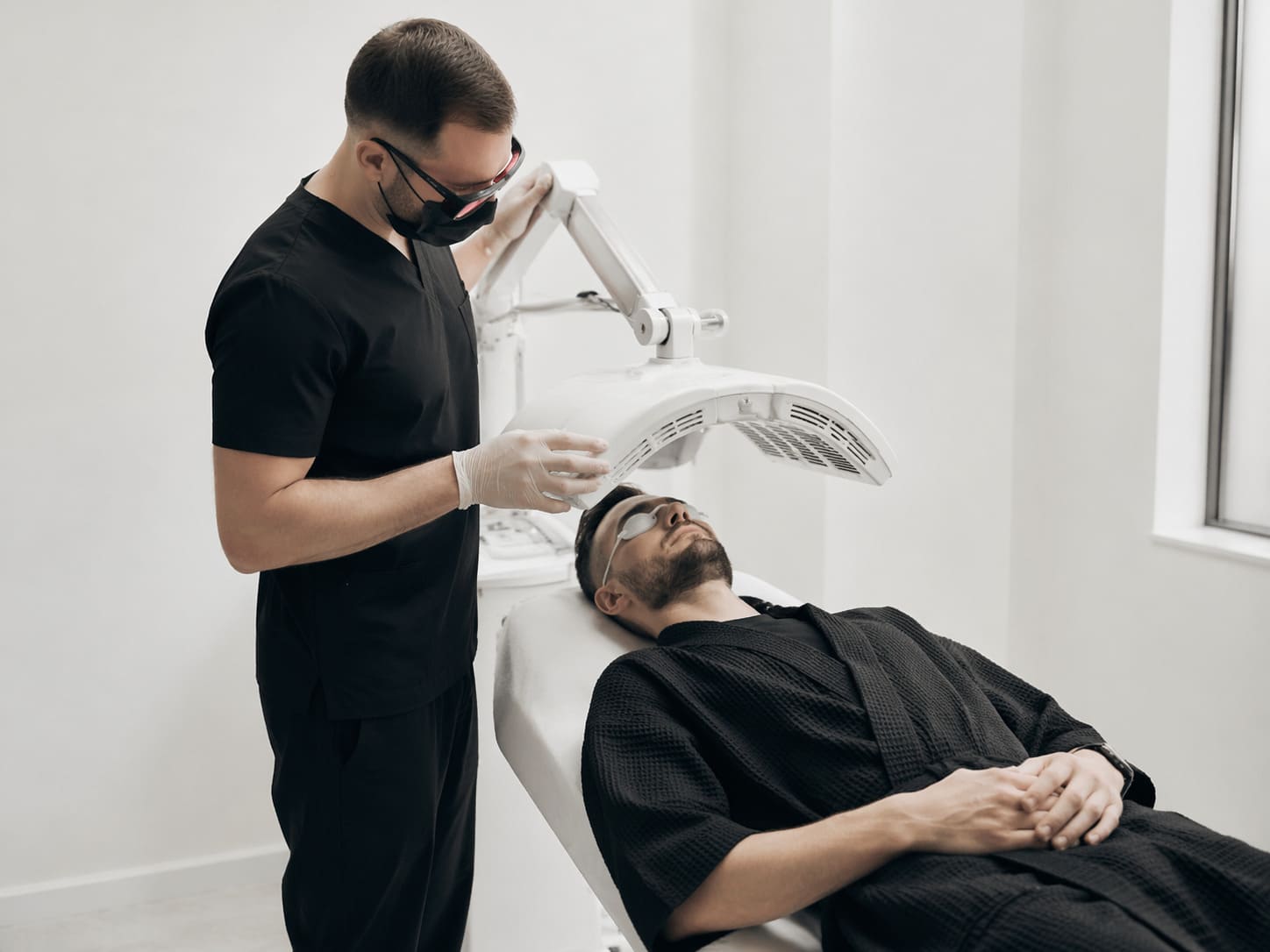
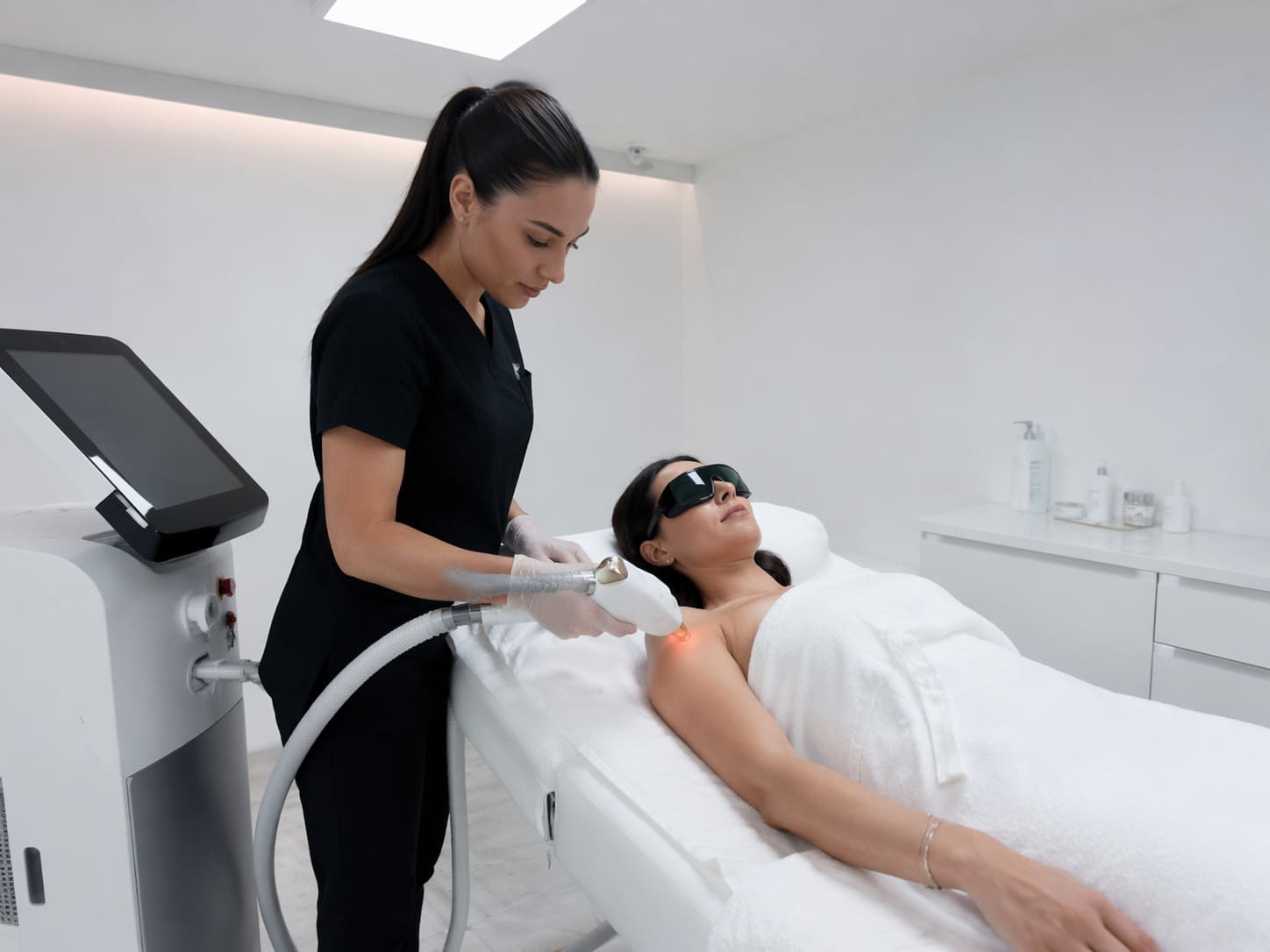
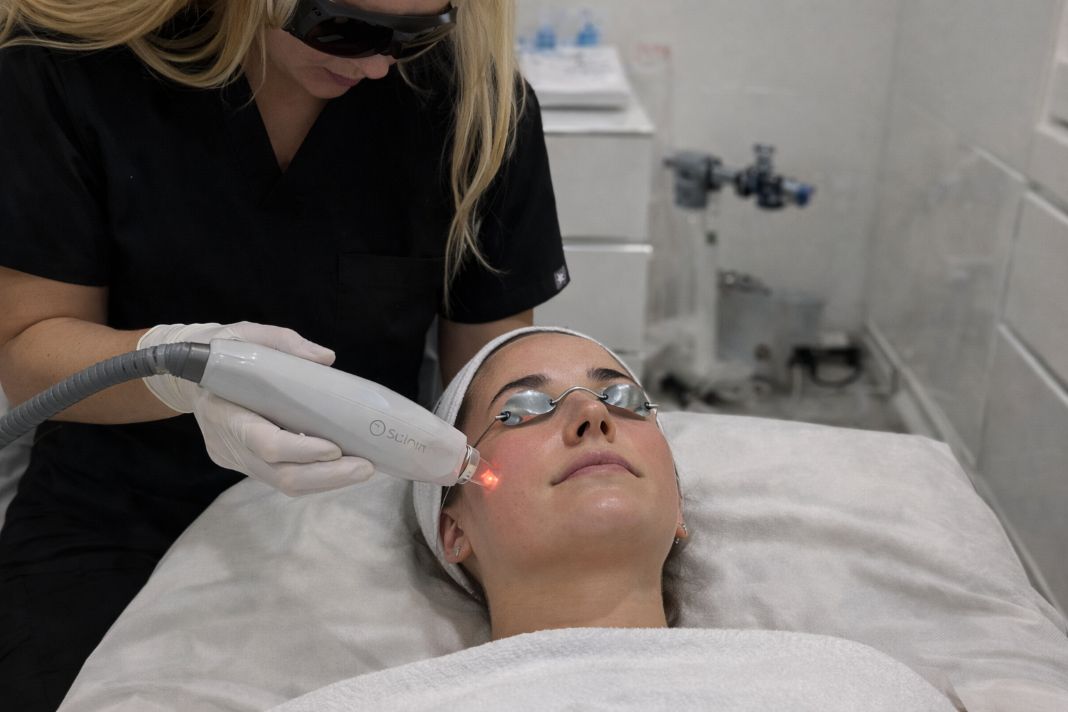
PicoSure Pro is a picosecond laser system used in medical aesthetics and dermatology-led settings for selected pigmentary concerns, tattoo removal and certain skin quality indications.
Its main distinction lies in pulse duration. Because the pulse is extremely short, the device is generally described as producing a strong photomechanical effect, which means that energy is delivered in a way that can disrupt pigment particles while limiting surrounding heat compared with longer-pulse systems in some applications. In plain terms, the target is hit quickly and precisely, with less reliance on prolonged thermal injury.
That mechanism has made picosecond laser technology particularly relevant in areas where melanin targeting or pigment fragmentation matters. Some protocols also use it to support collagen stimulation and remodelling, especially where texture and fine irregularities are part of the treatment goal.
Common clinical uses include:
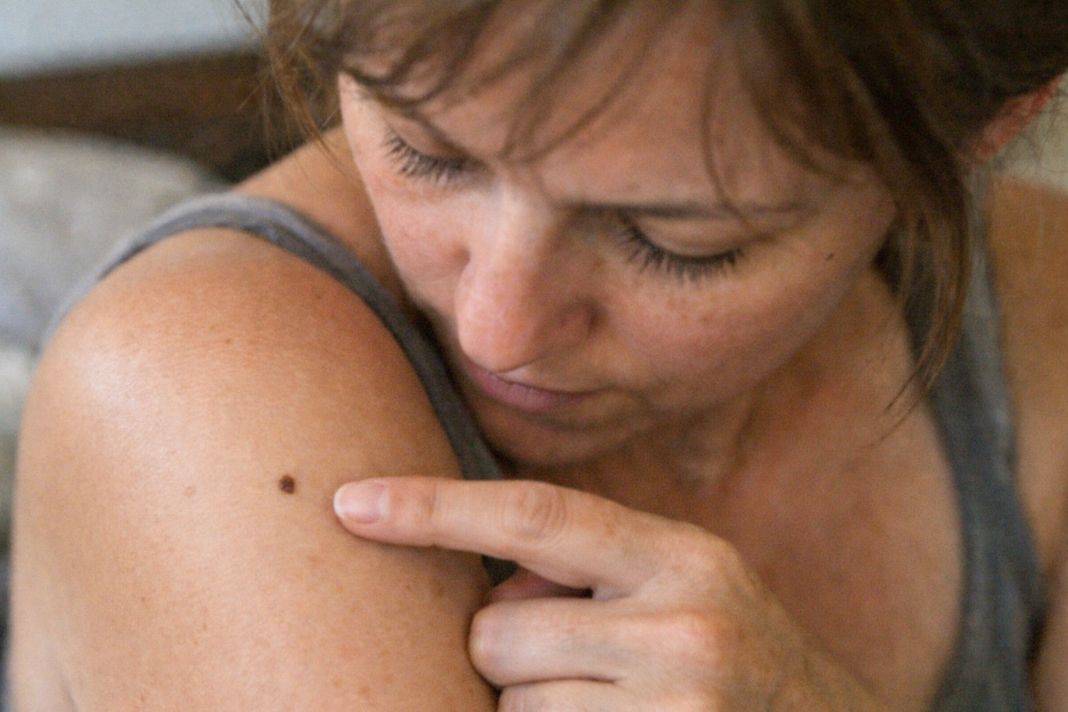
- Benign pigmented lesions and uneven pigmentation, where clinically appropriate
- Tattoo removal
- Selected acne scar and skin texture protocols
- Skin rejuvenation approaches that focus on texture and tone rather than resurfacing alone
Suitability still depends on proper assessment. Skin types, previous inflammation, active skin disease, recent sun exposure, pigment tendency and medication history can all affect whether a PicoSure Pro laser protocol is appropriate. A device with FDA clearance or CE marking does not remove the need for individual clinical judgement.
Within a structured pathway, the treatment usually follows diagnosis first, then device selection. At Future Care Medical, that approach would typically mean assessment of the presenting concern, review of contraindications, discussion of realistic outcomes and agreement on a treatment protocol before any session is planned.
Downtime varies by indication and settings used. Some patients experience short-lived redness or swelling, whereas others may need to account for more visible post-treatment change, particularly if pigment or textural concerns are being addressed over a series of sessions.
Comparing PicoSure Pro with Other Laser Modalities
A useful comparison starts with the fact that lasers are tools with different strengths, not versions of the same treatment. PicoSure Pro sits within one category of medical laser technology, whereas Q-switched and fractional systems sit within others.
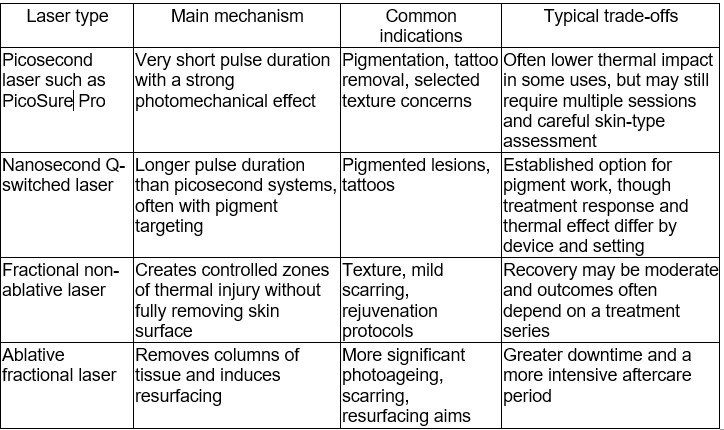
Pulse duration is one of the clearest distinctions. Picosecond and nanosecond systems may both be relevant for pigment and tattoos, yet the shorter pulse in a picosecond device changes how energy is delivered and can alter the balance between efficacy and unwanted heat. Fractional and ablative lasers, by comparison, are often chosen because tissue remodelling is the aim rather than pigment fragmentation alone.
Recovery time also differs in practical terms. Someone seeking treatment for a tattoo or discrete pigmentation may accept a protocol with repeated shorter sessions. A patient with significant textural change or scarring may instead consider a laser with more downtime if the clinical objective is resurfacing.
Guidelines and specialist opinion from groups including the British Association of Dermatologists support this principle of indication-led treatment. The question is usually not whether PicoSure is better than other lasers in every case. The more useful comparison is whether it is suitable for the actual skin issue being assessed.
What Does the Clinical Evidence Show? Efficacy, Safety and Outcomes
Clinical evidence matters because device claims and treatment popularity do not tell the whole story. The most reliable picture comes from peer-reviewed journals, comparative studies where available, adverse event reporting and the broader evidence hierarchy.
Published evidence on picosecond lasers suggests benefit in several areas, especially pigment-related treatment and tattoo removal. Studies have also examined acne scarring and general skin rejuvenation protocols, although methods and outcome measures vary. That variation makes direct comparison difficult because one study may measure physician-rated improvement, while another uses patient-reported outcomes, imaging or short follow-up intervals.
Across the literature, several themes appear repeatedly:
- Picosecond lasers have shown effectiveness for tattoo pigment fragmentation and selected pigmentary conditions in appropriately chosen patients.
- Some studies suggest benefit for acne scars and textural change, though protocols differ and head-to-head comparisons with other laser classes are limited.
- Safety profiles are generally acceptable when treatment is carried out with proper assessment, but adverse effects such as transient redness, swelling, blistering, dyspigmentation or post-inflammatory pigment change remain relevant.
- Evidence quality is uneven, with many small studies, varying endpoints and a shortage of long-term comparative data.
For PicoSure Pro specifically, clinicians often rely on evidence from the broader picosecond laser category as well as device-specific data where available. That is common in laser medicine, but it means that readers should be cautious about broad statements. A positive result in one protocol does not automatically transfer to every indication, skin type or treatment setting.
NICE does not usually produce detailed guidance for every aesthetic or dermatology laser protocol, so treatment decisions often draw on specialty literature, clinical trial registries and informed consent standards instead. In practice, evidence-based laser therapy means combining published data with diagnosis, contraindications and a realistic view of what the skin concern can actually respond to.
At Future Care Medical, an evidence-based protocol would involve that kind of filtering process rather than assuming that newer technology always translates into superior outcomes. That point matters because some conditions still respond better to other modalities, including fractional or ablative systems, depending on the treatment goal.
A final note on uncertainty is important. The evidence can support probable benefit and known risks, but it cannot predict an identical response from every patient. Skin biology, baseline pigmentation, scar pattern, aftercare and sun exposure all influence outcomes after treatment.
Pro Tip: Assess individual skin type and medical history thoroughly before choosing a laser protocol to minimise risk and optimise results.
Practical Considerations: Patient Experience, Suitability and Cost
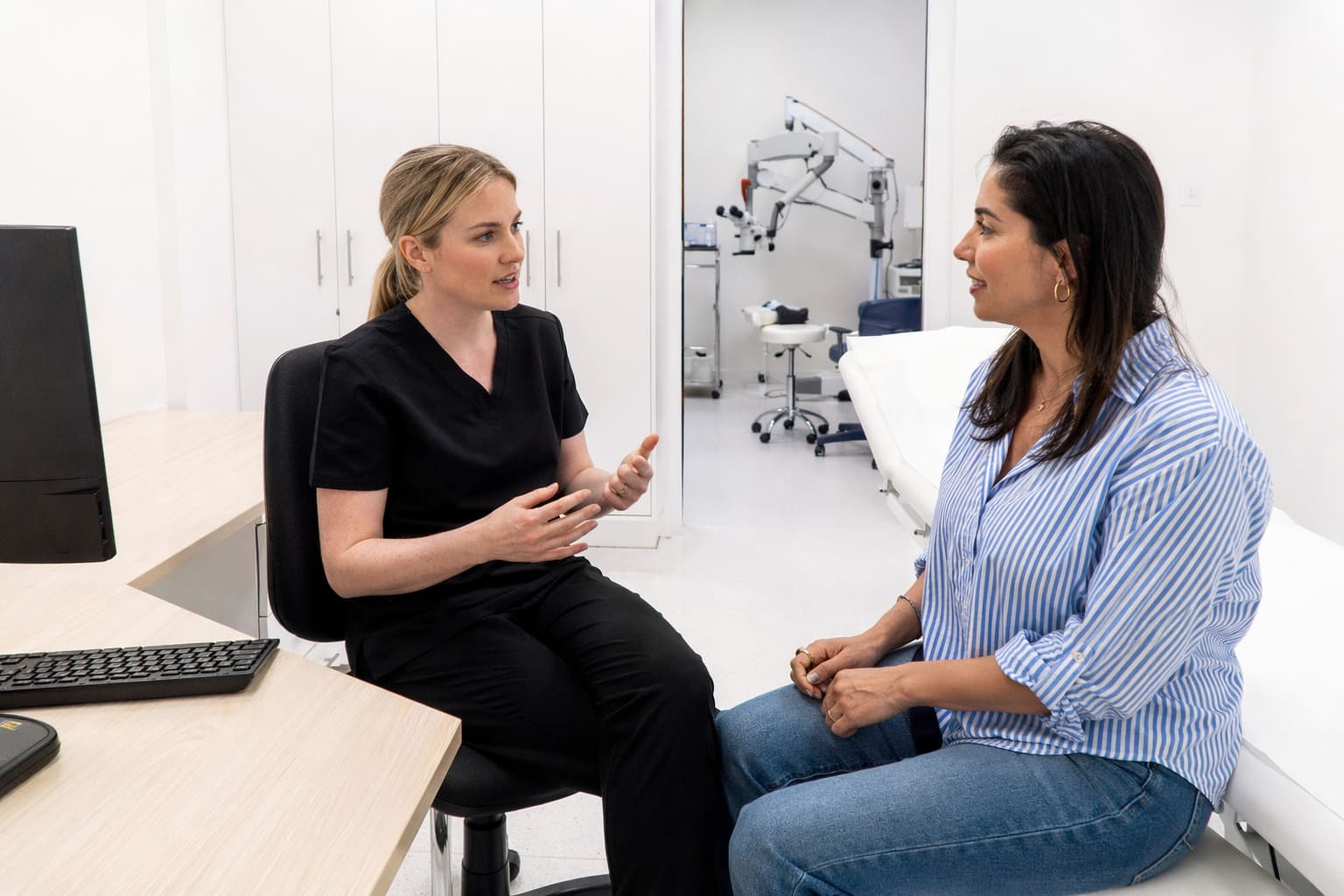
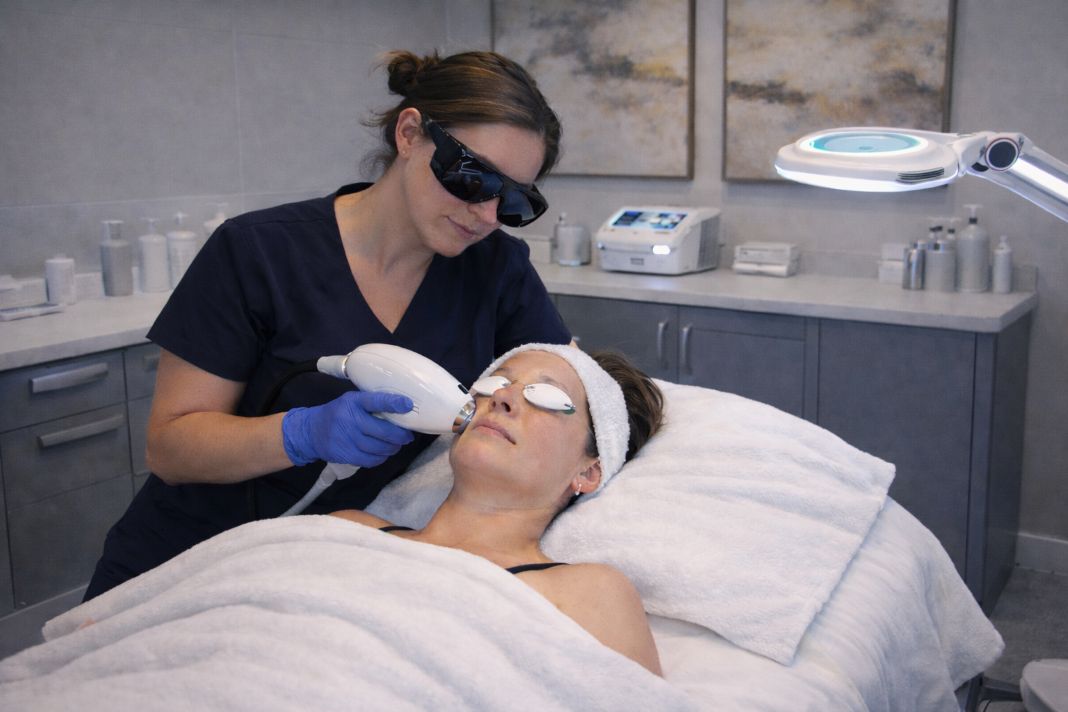
Patient experience starts long before the laser is switched on. A proper pathway usually begins with assessment of the skin concern, confirmation of what is being treated and review of whether laser therapy is suitable at all.
If a clinician considers PicoSure Pro or another laser appropriate, the process often follows a clear sequence:
- Consultation and assessment, including skin type, medical history, medication review and discussion of treatment goals.
- Explanation of expected benefits, likely number of sessions, possible side effects and downtime.
- Consent, photography where relevant, and practical preparation such as sun avoidance or adjustment of topical products.
- Treatment, followed by aftercare advice and review planning.
Suitability is rarely universal. Darker skin types, recent tanning, a history of pigment disturbance, active infection, certain medications and some inflammatory skin conditions may all affect the plan. In some cases, a clinician may advise delaying treatment, choosing different settings or using another modality altogether.
Recovery also depends on the indication. Pigment-focused treatment may produce temporary darkening before gradual improvement. Tattoo sessions can involve redness, swelling and local crusting. Textural protocols may leave the skin feeling warm or looking flushed for a short period, with aftercare aimed at barrier support and sun protection.
Cost is part of informed decision-making, although it should sit alongside diagnosis and evidence rather than replace them. At Future Care Medical, PicoSure Pro is priced at £480 per session. That figure is factual, but the total treatment cost can only be understood once the likely number of sessions is discussed in relation to the condition being treated.
A single session price therefore tells only part of the story. Pigmentation, tattoo clearance and scar work often follow different treatment protocols, and the practical commitment can vary as much as the technology itself.
Interpreting the Evidence: What Patients Should Know Before Deciding
Clinical evidence is a guide, not a guarantee. It can show where a treatment has been studied, what outcomes are realistic and which risks need to be discussed, but it does not replace diagnosis or individual assessment.
Many people understandably look for the newest device or the treatment described as best online. That approach can be misleading because laser choice should follow the skin concern, the skin type and the level of downtime a patient can realistically manage. A newer machine may be highly useful in one setting and less suitable in another.
A consultation is usually most useful when it clarifies points such as these:
- What exactly is being treated, and has the diagnosis been confirmed?
- Why is this laser being considered instead of another modality?
- What outcome measures are realistic for this concern and skin type?
- What side effects, downtime and pigment risks should be expected?
- How many sessions may be needed before the result can be judged fairly?
Shared decision-making works best when evidence is interpreted with context. A study result, a device name and a before-and-after image are all incomplete on their own. The stronger basis for decision-making is a discussion that connects the published evidence with your own skin, medical history and treatment priorities.
That is usually where the most sensible conclusion lies: the right laser is the one that fits the clinical problem in front of the doctor, with a protocol that respects both the evidence and the limits of what evidence can say.
Request a Treatment Plan Review
Unsure which laser protocol is right for you? Speak directly to a medical expert for tailored options based on your skin type and goals.