Why is medical oversight important for aesthetic treatments?
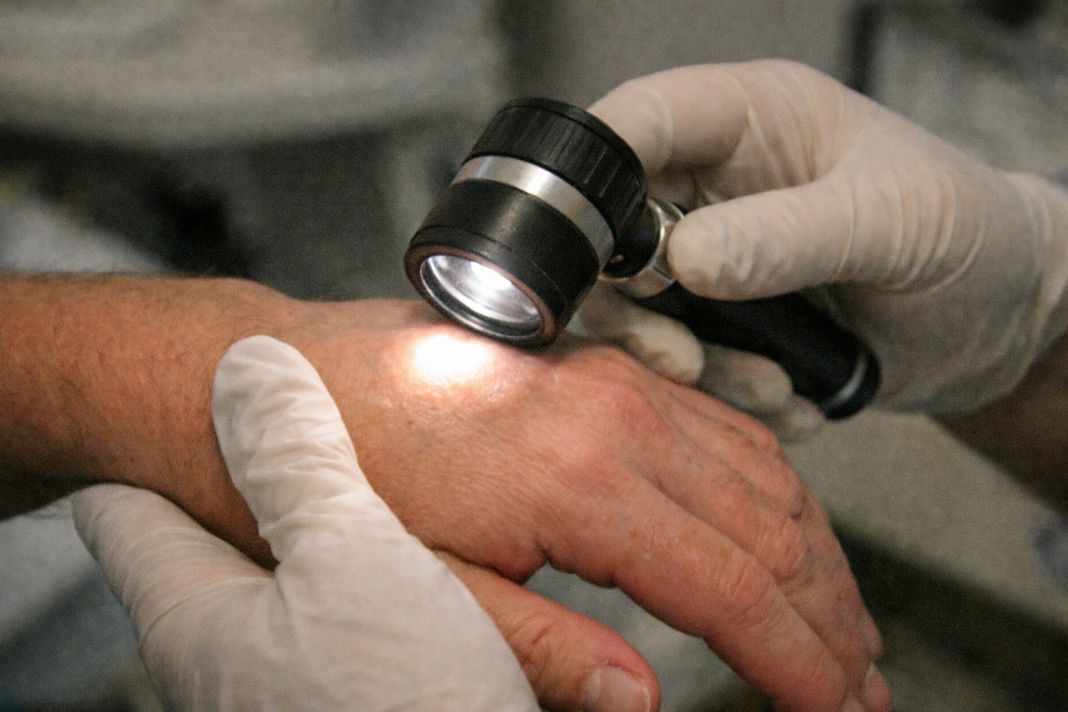
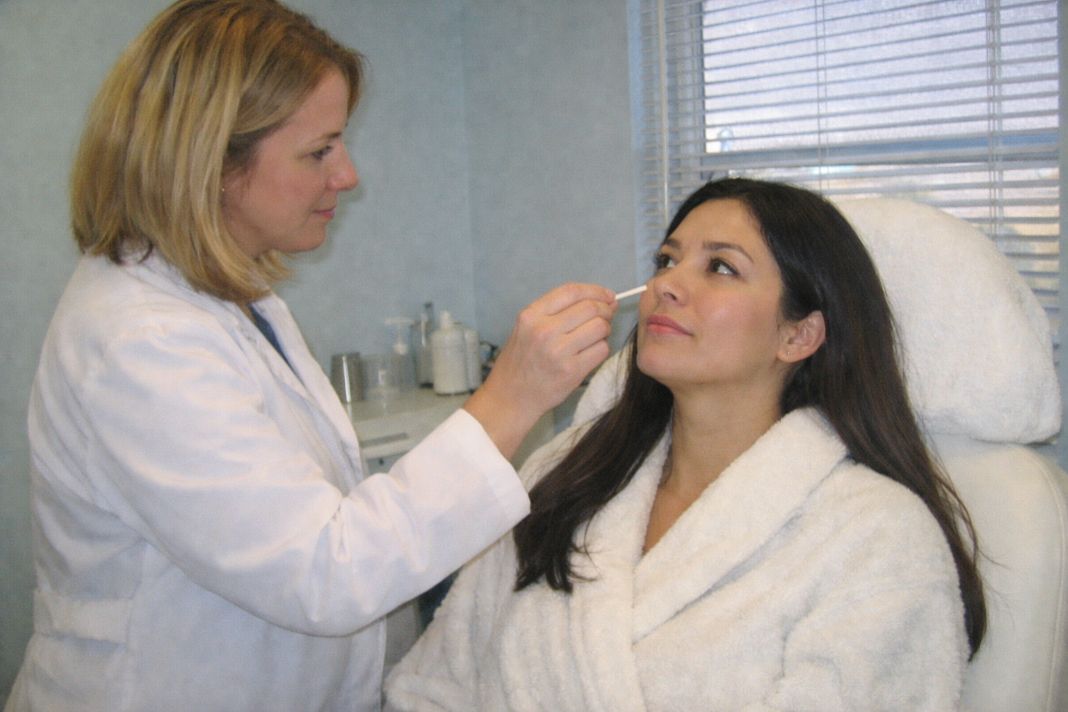
Medical oversight is important in aesthetic treatments because it ensures patient safety, accurate assessment, and proper management of risks. Doctor-led care provides clinical evaluation, consent, and response planning for any complications, helping protect patient wellbeing and upholding ethical standards.
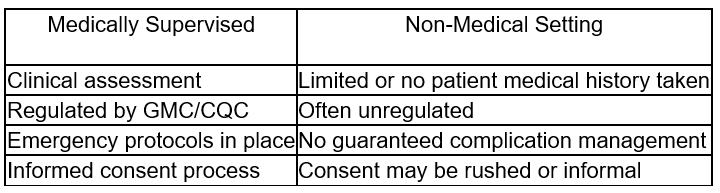
Aesthetic procedures may appear straightforward, but each carries inherent risks. Seeking care within a medical framework means treatments are governed by clinical protocols rather than beauty trends. Regulatory bodies such as the General Medical Council (GMC) and the Care Quality Commission (CQC) require medical clinics to uphold standards that prioritise patient safety.
Patients face distinct advantages when choosing medically supervised care:
Here's What We Have Covered In This Article
Medical oversight is not simply a box-ticking exercise, but a measure that maintains trust and integrity in aesthetic practice. The presence of healthcare professionals supports strong clinical standards and patient protection, making a tangible difference to both outcome and safety.
Common Types of Aesthetic Treatments and Their Clinical Risks
Aesthetic treatments offered in clinical settings include injectables, laser therapies, and skin rejuvenation procedures. Each type comes with its own set of potential clinical risks, particularly when performed outside a regulated medical environment.
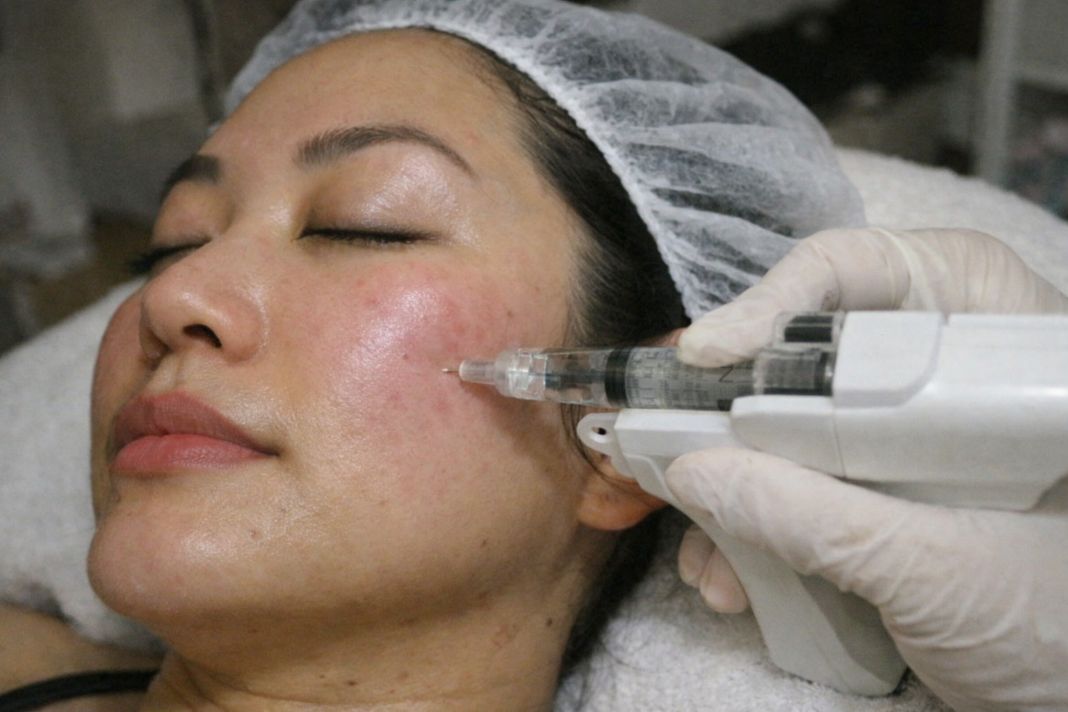
Injectable Treatments These include botulinum toxin injections and dermal fillers. Complications can involve local swelling, infection, allergic reactions, or, in rare cases, vascular occlusion which may require immediate intervention.
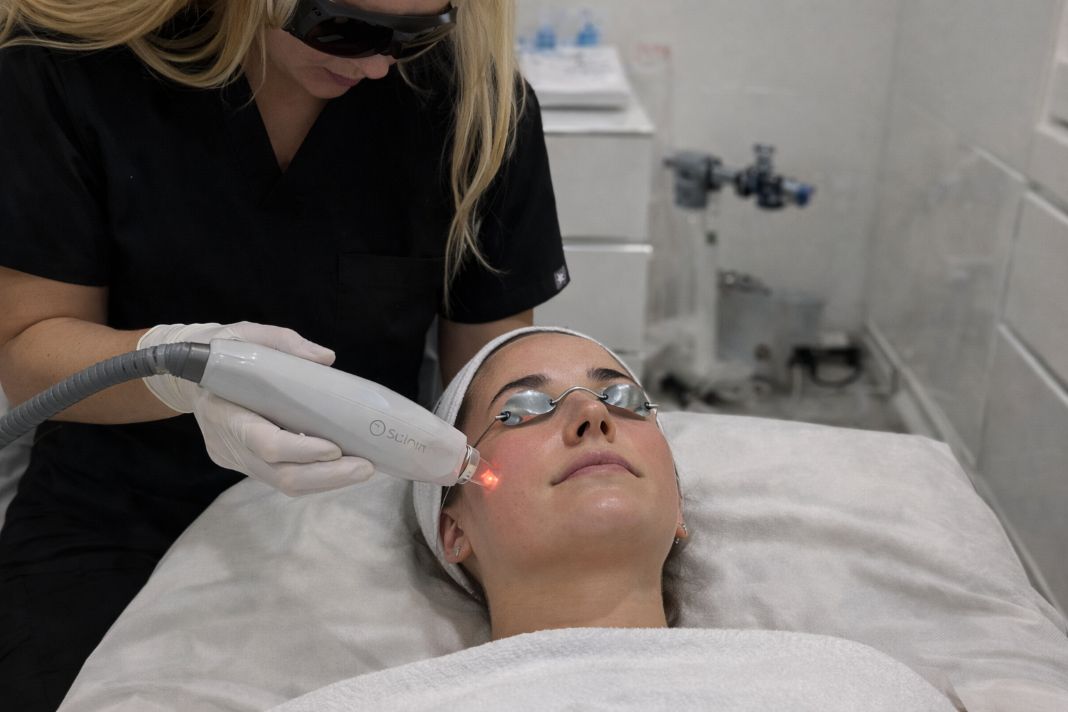
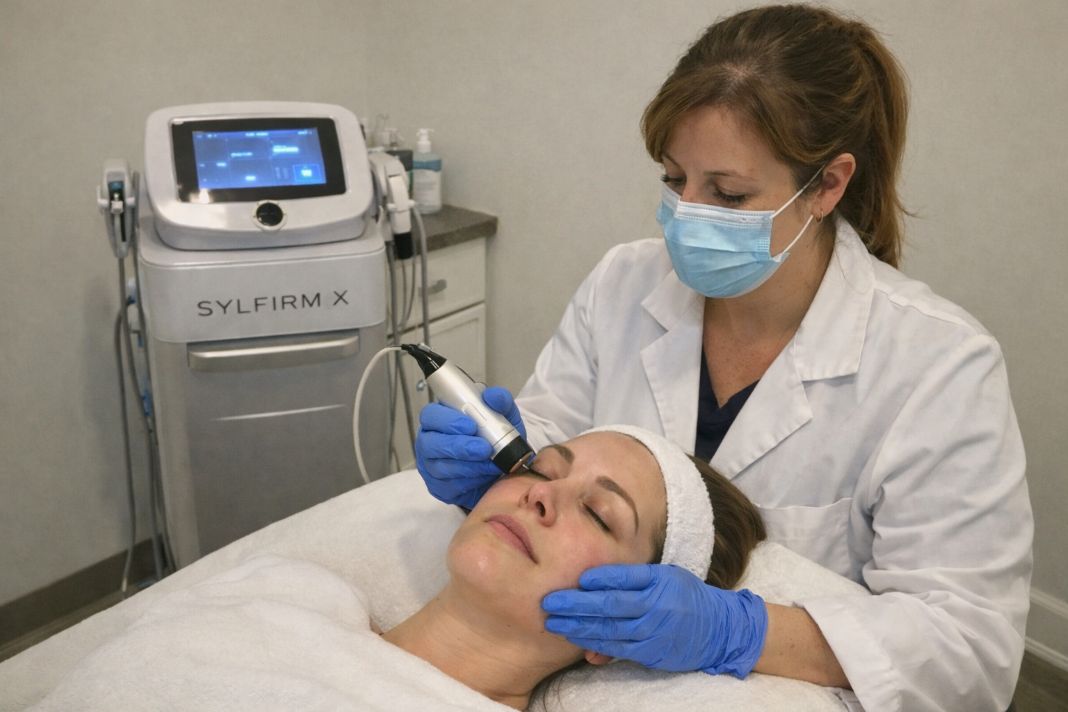
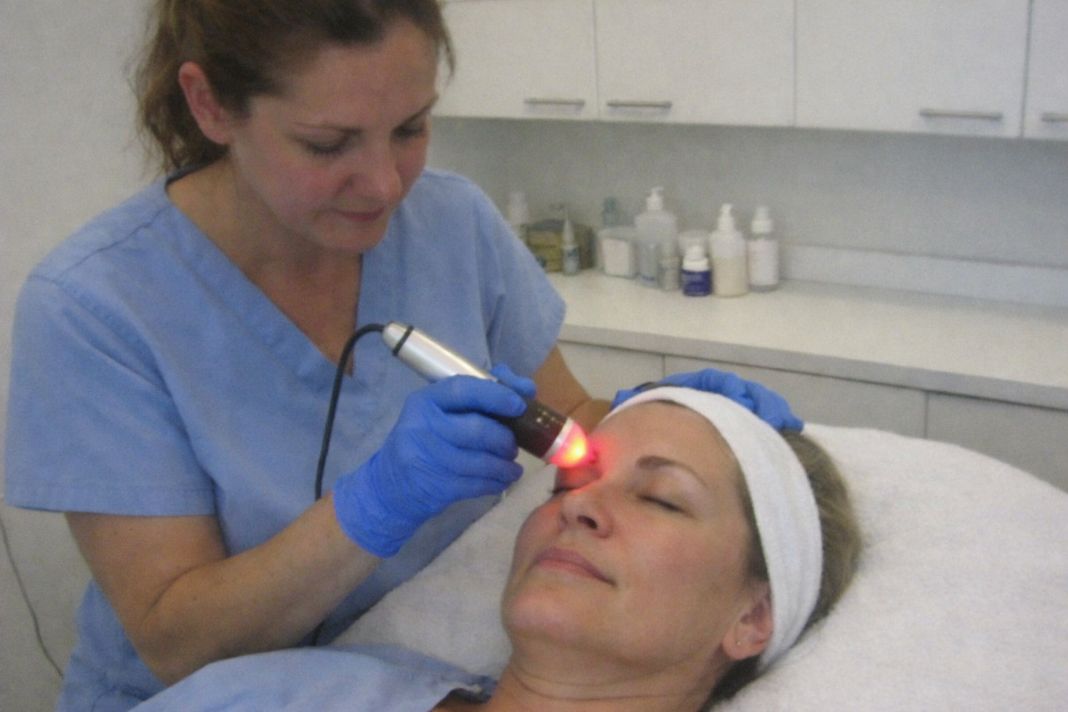
Laser and Energy-Based Therapies Treatments such as laser resurfacing, radiofrequency microneedling, and skin tightening can improve skin texture and tone. However, misuse or incorrect parameter settings may lead to burns, pigmentation issues, or scarring. Proper patient selection and skin assessment are important steps in reducing these risks.
Skin Boosters and Biostimulators Skin-boosting injections and advanced treatments to stimulate collagen, including biostimulators and exosome infusions, carry risks of overcorrection, bruising, or delayed allergic response if protocols are not followed.
Clinical assessment in medical aesthetics clinics typically includes patient history screening, identification of allergic tendencies, medication review, and suitability checks for each procedure. Clinics registered with healthcare bodies like the MHRA and governed by the CQC implement established processes for early complication management, prompt medical intervention, and structured follow-up.
Choosing a clinic that applies these protocols is the most effective defence against preventable adverse events.
Who Should Provide Aesthetic Treatments? Qualifications and Regulation
Practitioner qualifications and regulatory oversight play a central role in the quality and safety of aesthetic treatments in the UK. Both medical and non-medical practitioners may offer some cosmetic procedures, but their qualifications, regulatory responsibilities, and clinical governance differ significantly.
- Registered Doctors/Dermatologists: Regulated by the GMC. Extensive training in anatomy, complication recognition, and intervention. Can prescribe medication, manage emergencies, and operate within regulated clinics.
- Nurses and Pharmacists: Must be licensed in the UK, with additional accredited aesthetic qualifications. Registration with professional bodies such as the NMC or GPhC is required. Some can prescribe within their scope.
- Non-Medical Practitioners (e.g. Beauty therapists): May have training in basic treatments but are not permitted to administer prescription-only medicines. Regulation is more limited, and they are generally not governed by healthcare regulators.
Regulation is overseen by organisations including the GMC, CQC, Health Education England, and the Joint Council for Cosmetic Practitioners (JCCP). Verification of practitioner credentials should include checking GMC or NMC numbers on respective registers, ensuring the clinic is CQC registered, and confirming qualifications in aesthetics.
Pro Tip: For injectable treatments, ask about emergency protocols and aftercare support before booking.
Book a Medical Consultation
Experience patient-focused care with a structured clinical assessment and tailored advice.
Checklist: How to Verify Practitioner Credentials
- Ask for the practitioner’s GMC, NMC, or GPhC registration number and confirm it online.
- Ensure the clinic is registered with the CQC for medical oversight.
- Request details of their accredited training in aesthetic medicine.
- Look for evidence of ongoing professional development and clinical governance.
With this information, patients can make more informed choices and reduce the risk of complications or poor outcomes.
What Patients Should Expect from a Medically Led Aesthetic Consultation
A medically led consultation for aesthetic treatments is structured, transparent, and collaborative. Patients benefit from a systematic process designed to ensure both safety and realistic expectations.
The process typically includes:
- Initial Assessment: The clinician reviews medical and treatment history, examines current medications, and identifies any allergies or contraindications.
- Clinical Examination: The practitioner evaluates the skin or treatment area, records baseline photographs, and considers relevant health factors.
- Discussion of Options: Patients are given information about suitable treatment options, including specific benefits, limitations, and possible risks.
- Informed Consent: The clinician explains risks, side effects, and likely outcomes before obtaining signed consent.
- Treatment Planning: A tailored treatment plan is formulated with clear aftercare advice and scheduling of follow-up if required.
Aftercare is a standard part of doctor-led clinics such as Future Care Medical. Patients receive clear instructions, emergency contacts, and access to follow-up appointments to monitor results and respond promptly to any post-treatment concerns.
Costs, Access, and Making an Informed Choice in Central London
For professionals based in locations such as Liverpool Street, London Wall, or nearby City of London areas, accessing medically governed aesthetic care often combines convenience with transparency. Central clinics offer appointments that fit around busy schedules and are easily reached by public transport.
Doctor-led aesthetic treatments do involve specific costs. For example, medical aesthetics procedures at Future Care Medical such as Fotona 4D are priced at £530.00, with other treatments ranging according to procedure and challenge. Pricing should be structured, with full transparency and no hidden fees.
Patients considering clinics should look for the following:
- CQC registration for the clinic, confirming regulatory standards are met
- Clearly stated practitioner qualifications and credentials
- Transparent fee structure with all costs stated upfront
- Evidence of clinical protocols for patient assessment, consent, and aftercare
Checklist: Choosing a Medically Led Aesthetic Clinic in Central London
- Confirm central, well-connected location for appointment access.
- Check for CQC registration and regulated clinic status.
- Review practitioner qualifications and ongoing clinical training.
- Require transparent pricing with no unclear extras.
- Assess clinic protocols for consultation, consent, treatment, and aftercare.
Balancing convenience with clinical standards ensures both safety and peace of mind when seeking aesthetic care in a busy urban setting.
Pro Tip: When verifying a clinic, always check for visible CQC registration to confirm regulatory adherence.
Summary: Key Takeaways for Patients Considering Aesthetic Treatments
Medical oversight in aesthetic treatments is a safeguard that ensures each step, from assessment to aftercare, is governed by clinical protocols prioritising patient safety and wellbeing.
Key points to remember:
- Medically supervised aesthetic care reduces risk by applying structured clinical processes.
- Practitioner qualifications and regulatory compliance are central to a safe experience.
- Patients should expect a thorough assessment, clear communication, and documented consent before any procedure.
- Transparent clinic policies, pricing, and governance support informed decisions in busy areas like the City of London.
For those considering aesthetic treatment, choosing a regulated clinic with doctor-led care and open communication offers reassurance and supports the best possible clinical outcomes.
Verify Practitioner Credentials
Ensure your clinic meets the highest standards. Check qualifications and regulatory compliance today.