What defines a reputable medical clinic in London, and how do these clinics operate?
A reputable medical clinic in London is characterised by clinical governance, consultant-led care, integrated diagnostics, and transparent processes that support patient safety and clarity. These clinics are regulated, adhere to established clinical pathways, and prioritise rapid access for patients, especially those in central urban settings.
Here's What We Have Covered In This Article
Understanding the Role of Reputable Medical Clinics in London
A reputable medical clinic stands apart through its commitment to clinical leadership, regulated care, and clearly defined patient pathways. Clinics of this standard are registered and regularly inspected by the Care Quality Commission (CQC), ensuring compliance with rigorous safety and quality standards. Medical staff are registered with professional regulators such as the General Medical Council (GMC), and care is led by consultants who bring medical oversight and accountability.
Patient priorities often focus on rapid access to appointments, concise communication, and continuity of care. Unlike fragmented or shuttle-style services, reputable clinics establish integrated care models, where general practice works alongside diagnostics and specialist medicine under one roof. It is worth noting that these clinics are distinct from purely cosmetic or single-service providers.
Some key attributes these clinics share include:
- Consultant-led clinical governance
- Clearly documented consent and patient safety procedures
- Integrated diagnostics, such as on-site blood tests and imaging
- Multi-disciplinary teams ensuring smooth referrals and follow-up
In the context of London, accessible locations and efficient systems are important for serving professionals and residents who may need timely care without unnecessary delays.
Pro Tip: For faster appointments, complete your pre-visit questionnaire before attending the clinic.
Book a Consultation
Arrange your clinic appointment online or by phone for rapid, consultant-led care.
How Patients Access Services: Booking, Referrals, and Walk-Ins
Accessing services at a reputable clinic is usually straightforward, but processes can vary. Most clinics offer online systems and direct phone lines to simplify appointment booking. Walk-in services may sometimes be available, but pre-booking is generally advised for faster, more coordinated care.
Here is a typical pathway for accessing care:
- Choose your appointment type online or by phone.
- Register as a new patient with basic details, often through a pre-visit questionnaire.
- Receive appointment confirmation, including information on location, timing, and any required documents.
- Attend your appointment, where chaperones can be provided on request.
- If referrals are required, patients may either self-refer or receive guidance from a private GP, depending on the service.
Future Care Medical, based on London Wall, uses an online booking system and phone appointment service, enabling patients to secure same-day consultations when clinically appropriate. This model provides clarity and supports those with time-sensitive needs in the City.
Common misconceptions include the belief that all private clinics require GP referrals or that walk-in appointments guarantee immediate treatment. In reality, pre-registration and initial triage help align patient needs with available clinicians and resources.
Clinical Assessment and Consultation: What Actually Happens
A clinically led consultation is structured and transparent. Patients can expect a logical progression through the assessment, with each stage explained clearly. The consultative process is designed to support informed decision-making and efficient care planning.
Key stages include:
- Initial information gathering, where the clinician reviews your medical history and current concerns. This forms the clinical baseline.
- Physical examination, guided by presenting symptoms and tailored to address specific issues. Chaperones are available if required.
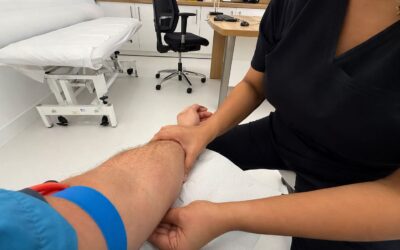
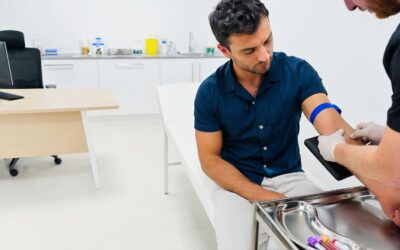
- Discussion of any immediate diagnostic needs, such as blood tests or ECGs, which may be organised during the same visit in many clinics.
- Documentation of findings, clear communication of next steps, and opportunity for questions or clarifications.
- Follow-up arrangements, which may include further investigations, prescription management, or referral to a specialist.
Consultation durations and pricing are made clear from the outset. At Future Care Medical, for example, a 15-minute GP consultation is priced at £105, with longer appointments available for more full reviews. Clinical confidentiality, patient consent, and data protection are embedded within every step, in line with GMC standards.
Pro Tip: Ask about immediate on-site diagnostics to reduce the need for separate testing visits.
Integrated Diagnostics and On-Site Services
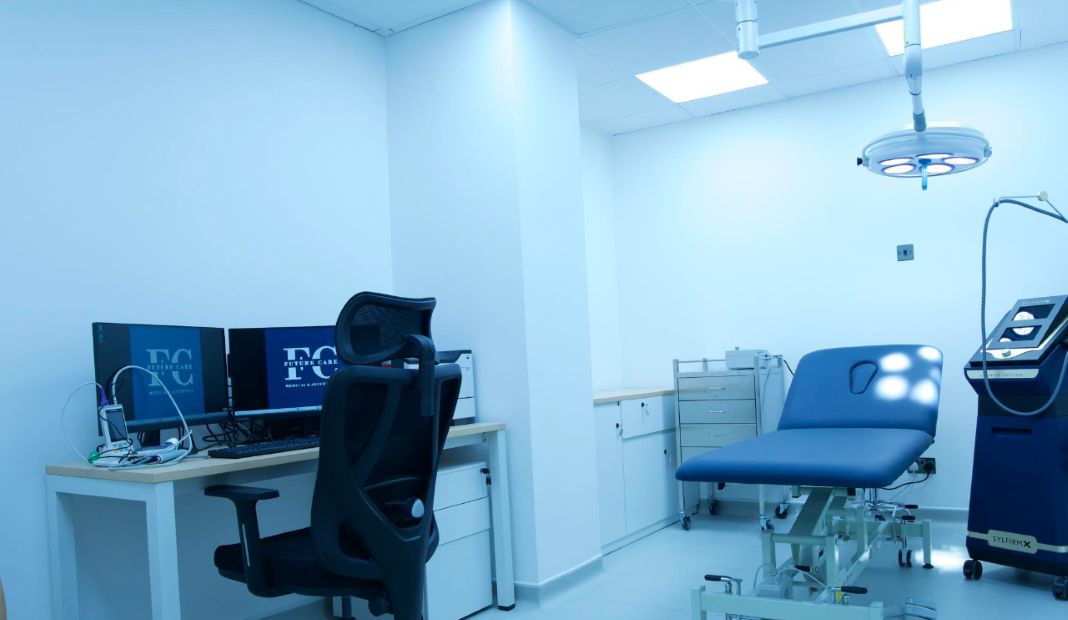
Integrated diagnostics are a defining feature of reputable clinics, supporting early detection and efficient care. Rather than sending patients elsewhere for tests, these clinics provide on-site blood testing, ECG, ultrasound, X-ray, and sometimes advanced imaging such as MRI. A structured approach means that results are efficiently tracked and communicated to both clinicians and patients.
Common diagnostic services include:
- Blood and metabolic screening
- Cardiovascular risk assessment
- Cancer screening protocols
- Diagnostic imaging: ultrasound, X-ray, MRI
The results from most common investigations, such as blood tests, are typically available within 24 to 48 hours, depending on challenge. Communication is direct and documented, often via secure patient portals or follow-up appointments. This structure supports rapid diagnosis and minimises uncertainty or delays.
Future Care Medical integrates all core diagnostics within the clinic, reducing logistical barriers for patients who need full assessment in a single, central location.
Specialist Services and Clinical Pathways
Beyond general practice, reputable clinics provide access to specialist medical care within defined pathways. This may include dermatology, medical aesthetics under medical supervision, and structured metabolic or weight management programmes.
Accessing specialist services follows a protocol:
- Referral from a GP or internal clinical lead, based on assessment and indication
- Specialist consultation, which may involve further diagnostics or review of previous investigations
- Clearly defined treatment protocols, ensuring suitability and safety
- Structured follow-up to monitor outcomes and adjust care as needed
Dermatology clinics within these practices are consultant-led, focusing on clinical assessment and minor surgery when necessary. Medical aesthetics are governed by strict protocols, ensuring patient consent, suitability, and evidence-based treatment choices. Pricing for procedures such as Fotona 4D (£530) and SylFirm X (£620) is published transparently and discussed as part of the consent process.
Medical weight management involves metabolic assessment, prescription-based treatment where appropriate, and regular monitoring for safety and efficacy.
By coordinating these services with general practice and diagnostics, reputable clinics avoid fragmentation and offer clear continuity of care.
View Health Packages
Explore health check and specialty packages with transparent pricing and efficient scheduling.
Patient Experience, Safety, and Confidentiality
Patient safety and confidentiality are at the foundation of every clinical process. Clinics regulated by the Care Quality Commission (CQC) are required to meet strict standards, including infection control, routine safety audits, and safeguarding protocols.
Confidentiality and data protection are managed in compliance with GDPR, which means that patient records are securely stored and only accessible to authorised personnel. Consent for treatment is always documented, and chaperones are available for personal comfort and safeguarding during examinations.
Feedback mechanisms are established, allowing patients to share their experiences or raise concerns. Clinics have transparent complaints procedures, and responses are documented and shared with patients as appropriate.
Checklist for patient safety and confidentiality in reputable clinics:
- Regulatory oversight by CQC and professional bodies
- Secure, confidential handling of patient records
- Documented consent and chaperone availability
- Standardised infection control protocols
- Accessible complaints and feedback channels
This environment supports patient trust and safeguards both clinical quality and personal privacy at every step.
Costs, Transparency, and What to Expect Financially
Reputable clinics ensure that patients have clear information about costs before any commitment. Pricing structures are transparent, often published on the clinic’s website or provided during booking.
Typical fee structure at clinics such as Future Care Medical includes:
- GP consultations: from £105 for 15 minutes, £160 for 30 minutes, and £240 for 60 minutes
- Health check packages: Important at £350, Full at £450, Executive at £615, Signature at £1,999
- Medical aesthetics: for example, Fotona 4D at £530, SylFirm X at £620
Billing processes are straightforward, with itemised invoices outlining what is included. Payment can be made by card or bank transfer, and clinics typically support both self-pay and private health insurance billing. Patients are informed in advance if further diagnostics, specialist referrals, or prescriptions may incur additional charges.
By communicating costs openly, these clinics reduce the risk of unexpected fees and enable patients to make considered decisions.
Location, Accessibility, and Convenience for Central London Patients
Convenience and accessibility reflect the needs of professionals and residents in the City of London. Clinics situated near key transport hubs such as Liverpool Street and Moorgate are particularly well-suited for individuals working in or commuting to central London. Appointment times are often structured to accommodate early morning, lunchtime, or evening schedules.
Key features supporting accessibility include:
- Central locations with proximity to Underground and mainline stations
- Step-free access and facilities to accommodate mobility challenges
- Online booking and rapid communication channels
- Flexible appointment durations to fit busy workdays
Future Care Medical, located on London Wall, exemplifies convenience for City workers who require efficient, consultant-led care close to their workplace or during commutes.
Summary: What Sets Reputable Medical Clinics Apart
Clinics of the highest standard in London are defined by integrated, consultant-led pathways, transparency in both process and pricing, and a focus on patient empowerment and safety. Clinical governance ensures reliable, evidence-based care, while practical accessibility supports professionals and residents in central locations. Patients can expect clarity about what will happen, what it will cost, and how their needs will be addressed, fostering informed confidence in the care they receive.