Is combining skin treatments better than spacing them out?
Sometimes, yes. Sometimes, no. The safer and more effective option depends on the treatment itself, the condition being treated, your skin history, how your skin heals, and what outcome is being assessed. In clinical practice, combining skin treatments can make sense when the treatments work well together and the timing is carefully controlled, but a sequential plan is often preferred when skin response needs to be monitored step by step.
Here's What We Have Covered In This Article
Understanding Skin Treatment Approaches: Combination vs. Sequential
People often compare two broad approaches to skin treatment planning.
- Combination treatment means two or more therapies are used within the same overall plan, and sometimes in the same appointment.
- Sequential treatment means one therapy is introduced first, followed by review, healing time, and then a decision on whether a second treatment is appropriate.
A combination approach may be considered for someone with more than one concern at the same time, such as uneven tone alongside textural change. A sequential skin therapy plan may be chosen for a person with reactive skin, a history of pigment change, or an unclear diagnosis where treatment response needs closer observation.
Clinical assessment matters because skin does not respond in a uniform way. A Consultant Dermatologist or medical aesthetics clinician will usually look at the diagnosis, current medications, inflammation, previous procedures, and the likely cumulative effects of treatment before recommending a route forward.
One common misconception is that more treatment in less time automatically produces better results. In reality, a sensible skin care approach is based on treatment sequencing, patient safety, and whether each step can be measured properly.
Pro Tip: Record your skin’s response after each session to provide accurate information at future appointments, supporting better treatment adjustments.
Book a Personalised Skin Consultation
Discuss your skin concerns and treatment goals with an experienced clinician who can create a plan that fits your needs.
Clinical Rationale: When and Why Treatments Are Combined
Combining skin procedures is usually done for a defined clinical reason, not for convenience alone. The main aim is to address different layers or features of a skin concern within one structured care plan.
In a medical setting, combination therapy skin plans are built around compatibility. One treatment may target pigment, while another addresses texture or collagen remodelling. Timing is central here, because treatments that are individually appropriate can still be unsuitable if placed too close together.
A straightforward example is a protocol where one procedure prepares the skin and another follows at a later point in the same cycle. Clinicians may consider pairings such as:
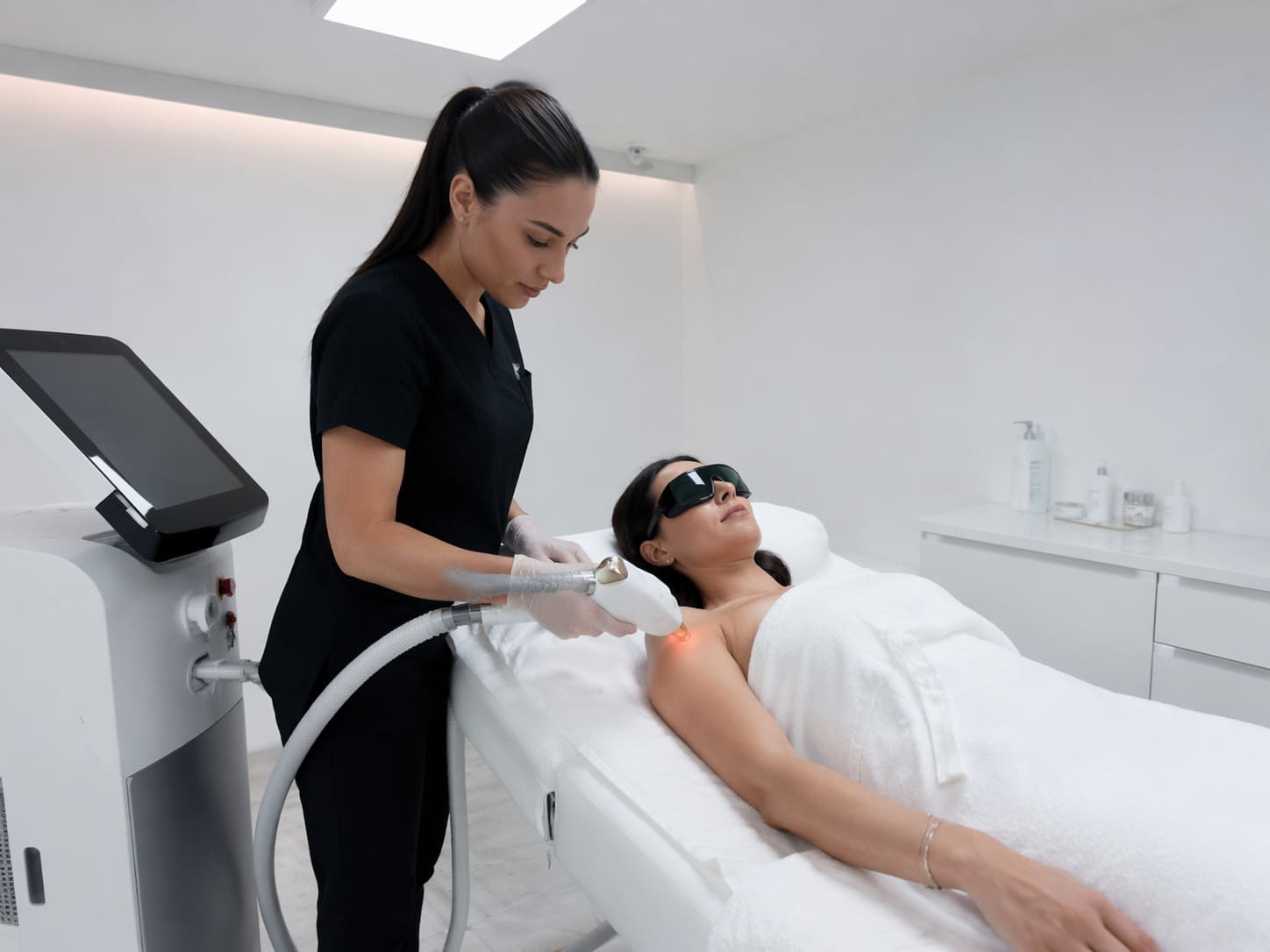
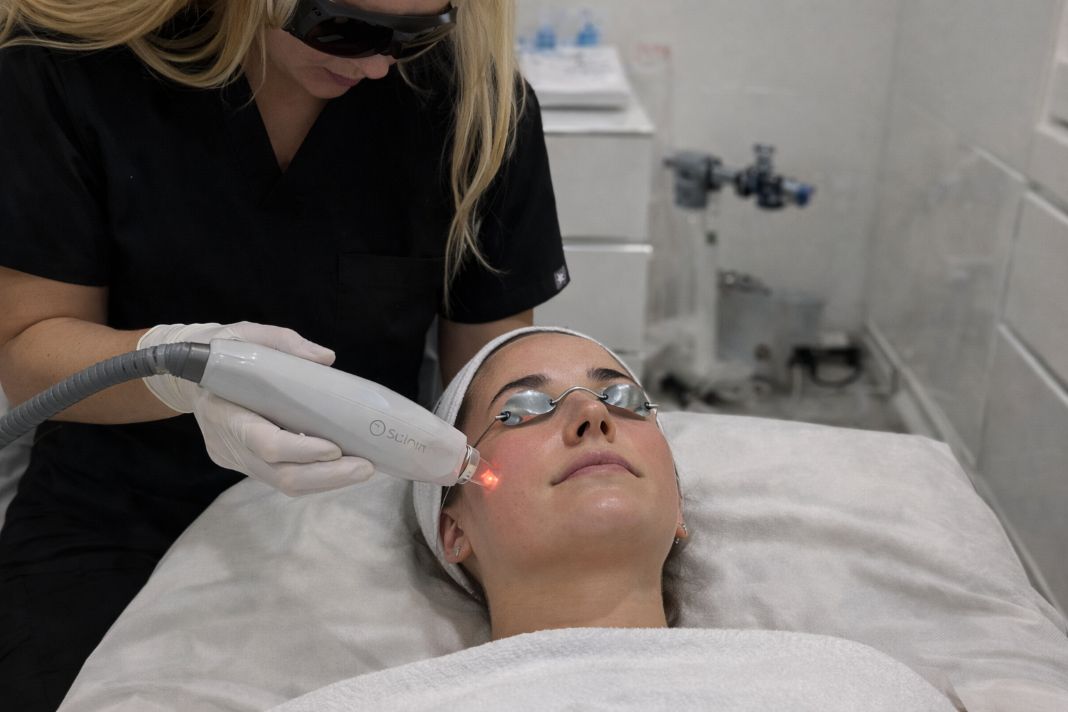
- laser-based treatment with doctor-led injectables
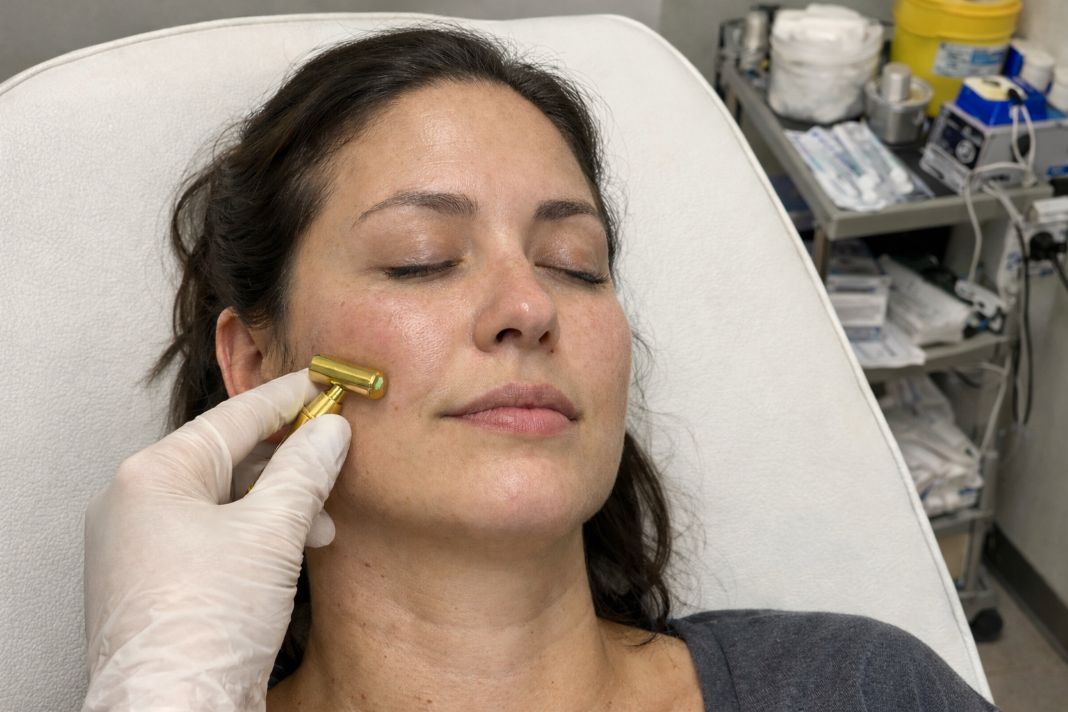
- radiofrequency microneedling with supportive light-based treatment
- lesion or pigmentation assessment followed by a separate medically indicated procedure
Each pairing requires risk assessment. Skin healing time, contraindications, active inflammation, and recent sun exposure can all alter the plan. A person with a history of post-inflammatory hyperpigmentation may need a more cautious sequence than someone with a stronger record of uncomplicated healing.
At Future Care Medical, a medical aesthetics consultation can be used to place treatment choices within a structured clinical pathway, which means that timing, aftercare, and review are considered before any multiple skin procedures are scheduled.
Suitability also varies by patient profile. Someone preparing for a professional event in the City of London may ask for a compressed treatment timetable, but a compressed timetable is only appropriate if skin response can be predicted with reasonable confidence and recovery demands are manageable.
The Case for Sequential Skin Treatments
If skin has been reactive before, or if the first priority is to see how it responds, a staged skin therapy plan often makes more sense than doing several things at once.
Sequential skin treatments give the clinician space to observe what each individual procedure is doing. That can be especially useful when the diagnosis is still being refined, when a patient has never had a particular treatment before, or when a prior reaction needs to be taken seriously.
Key benefits of sequential treatment include:
- clearer monitoring of skin recovery time after each session
- easier identification of adverse reactions or unexpected sensitivity
- better progress assessment before the next decision is made
An additional advantage is that treatment intervals can be adjusted in response to real skin behaviour, not assumptions. If redness lasts longer than expected, if pigment becomes more active, or if the result after one session is already sufficient, the structured treatment timeline can be changed without complicating the picture.
Speed is often misunderstood in this area. A single skin procedure followed by review may look slower on paper, yet it can lead to a more accurate plan because the next step is chosen using fresh clinical information rather than guesswork.
Practical Considerations: Safety, Scheduling, and Cost
Medical reasoning comes first, but practical realities still shape skin treatment planning. Work demands, travel, visible downtime, and cost all influence whether combined or sequential sessions are realistic.
For people working around Liverpool Street, Moorgate, Bank, or London Wall, appointment structure matters. A treatment with short recovery may fit into a busy week, whereas anything that risks swelling, peeling, or prolonged redness may need more careful scheduling around meetings, travel, or public-facing work.
Relevant pricing at Future Care Medical includes:
- Fotona 4D: £530.00
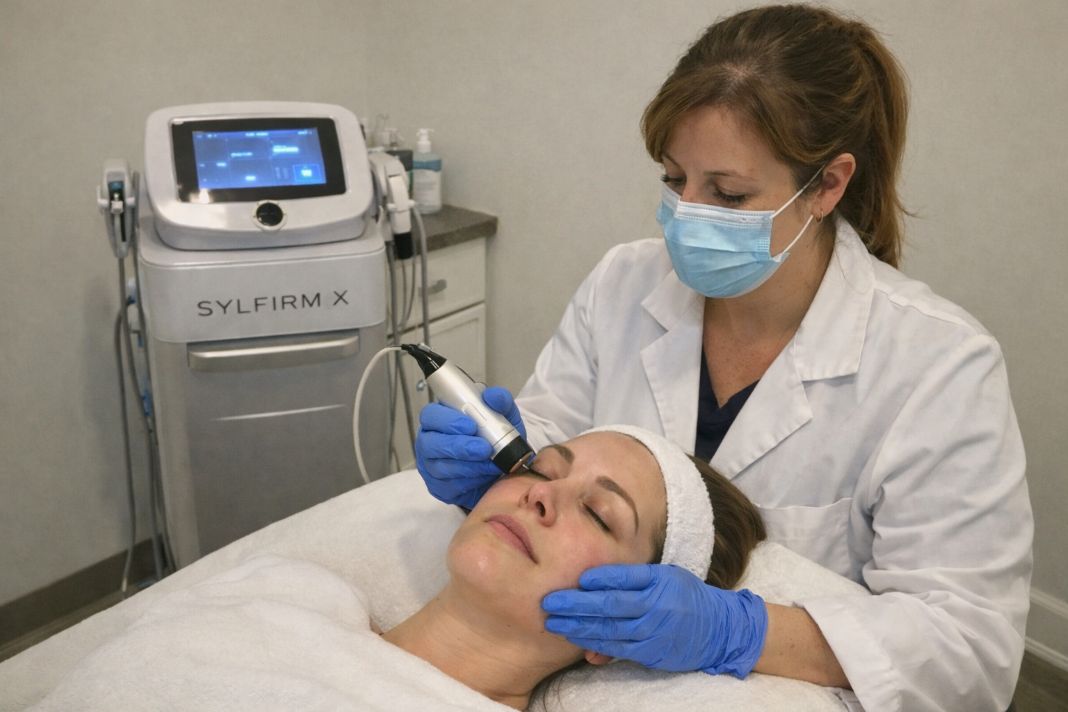
- SylFirm X: £620.00
- PicoSure Pro: £480.00
- LDM: £140.00
- LED Dermalux: £90.00
Those figures describe individual treatment prices rather than a universal package model. Combined care can sometimes mean fewer visits, but total cost still depends on which procedures are clinically indicated, whether review appointments are needed, and how much aftercare or monitoring is built into the plan.
Safety protocols remain the anchor point. Any private clinic skin care plan should account for recent treatments, medication use, active skin disease, sun exposure, and the possibility that downtime from one procedure may overlap badly with another. In central London, convenience is useful, but convenience should not set the protocol.
Pro Tip: Schedule treatments after discussing recent sun exposure and all current medications, as these factors influence both safety and outcome.
Making an Informed Decision: Clinical Assessment and Personal Goals
The best choice usually emerges from assessment, not preference alone.
A skin treatment consultation tends to follow a clear sequence:
- Review the skin concern, medical history, medications, and previous procedures.
- Examine the skin type, current inflammation, pigmentation pattern, scarring, or textural change.
- Define the main goal, such as diagnosis, lesion assessment, texture improvement, pigment management, or a broader personalised skin care plan.
- Decide whether one treatment should be trialled first or whether a combined protocol is clinically reasonable.
- Set treatment intervals, aftercare expectations, and a review point for outcome measurement.
Goals matter because different aims call for different pacing. Someone seeking clarification about a changing lesion needs diagnostic assessment before any aesthetic procedure is discussed. Someone focused on gradual improvement in texture may be suited to a planned series, whereas a patient with uncertain skin tolerance may need a more cautious start.
Open discussion is part of good planning. A clinician needs to know if you have an upcoming event, frequent travel, prescription retinoid use, a history of keloid scarring, or difficulty managing downtime. Those details can change the order, spacing, or choice of treatment more than people expect.
Common Misconceptions About Combining Skin Treatments
Confusion often comes from marketing language that treats all procedures as interchangeable. Medical skin care facts are more restrained.
- Myth: Combining skin treatments always gives faster results. Fact: Some combinations are useful, but others increase irritation or make it harder to judge what is working.
- Myth: If each treatment is safe on its own, they are safe together. Fact: Timing, skin barrier status, and healing capacity affect whether combining skin procedures safely is possible.
- Myth: Sequential treatment means a clinician is being overly cautious. Fact: A one-at-a-time plan can be the most informative option where response, tolerance, or diagnosis needs proper monitoring.
- Myth: Every patient with the same concern should follow the same protocol. Fact: Patient suitability depends on skin type, inflammation, pigment tendency, medical history, and treatment goals.
- Myth: Cosmetic and medical skin care planning are basically the same. Fact: Medical aesthetics protocols and dermatology-led decisions are based on diagnosis, risk management, and evidence-based practice, not appearance alone.
Professional assessment is the difference between a sensible combined protocol and an overloaded one. The question is never whether more can be done. The question is whether more should be done, in that order, for that patient, at that point in time.
Changing Approaches to Skin Treatment Planning
Skin treatment planning is becoming more precise as clinicians bring diagnosis, treatment sequencing, and follow-up into the same integrated care pathway.
Better imaging, clearer review protocols, and more structured outcome tracking all support a more personalised approach. Patient-centred care also plays a larger part now, because work patterns, recovery tolerance, and previous treatment history can shape the safest timetable just as much as the device or injectable itself.
That shift matters. The future of skin treatment is likely to involve fewer assumptions, more measured adaptation, and a stronger link between what the skin is doing clinically and what the patient actually needs from the plan.
Request a Treatment Assessment
Explore which combination or sequential therapies may be right for your skin by arranging a clinical assessment at our London clinic.