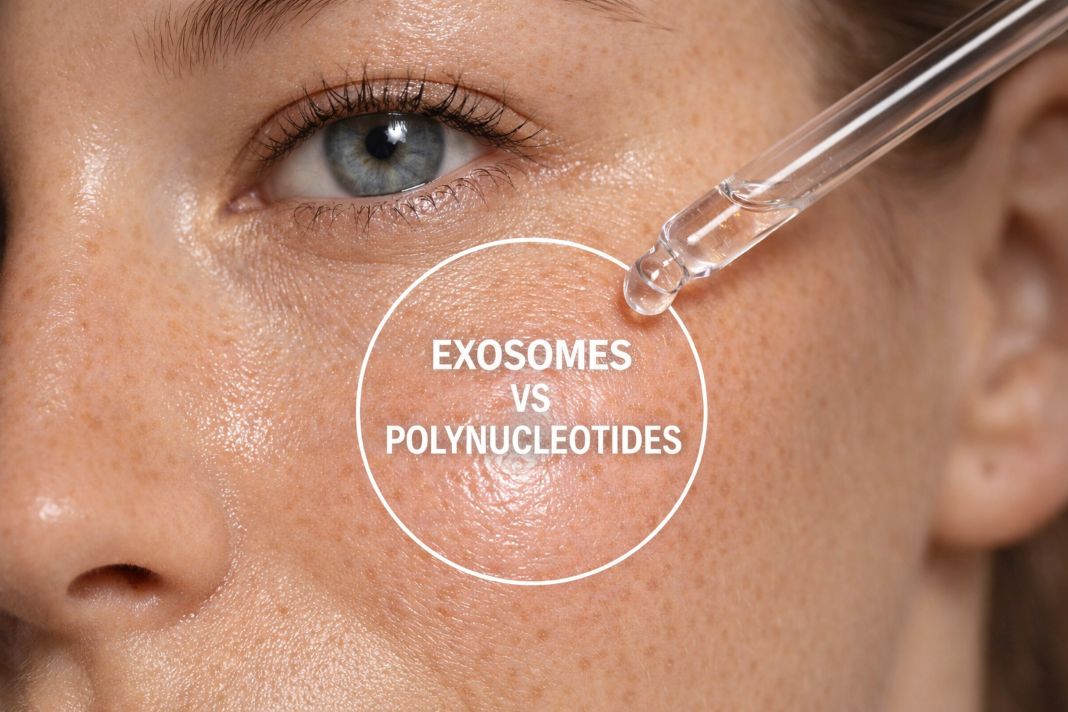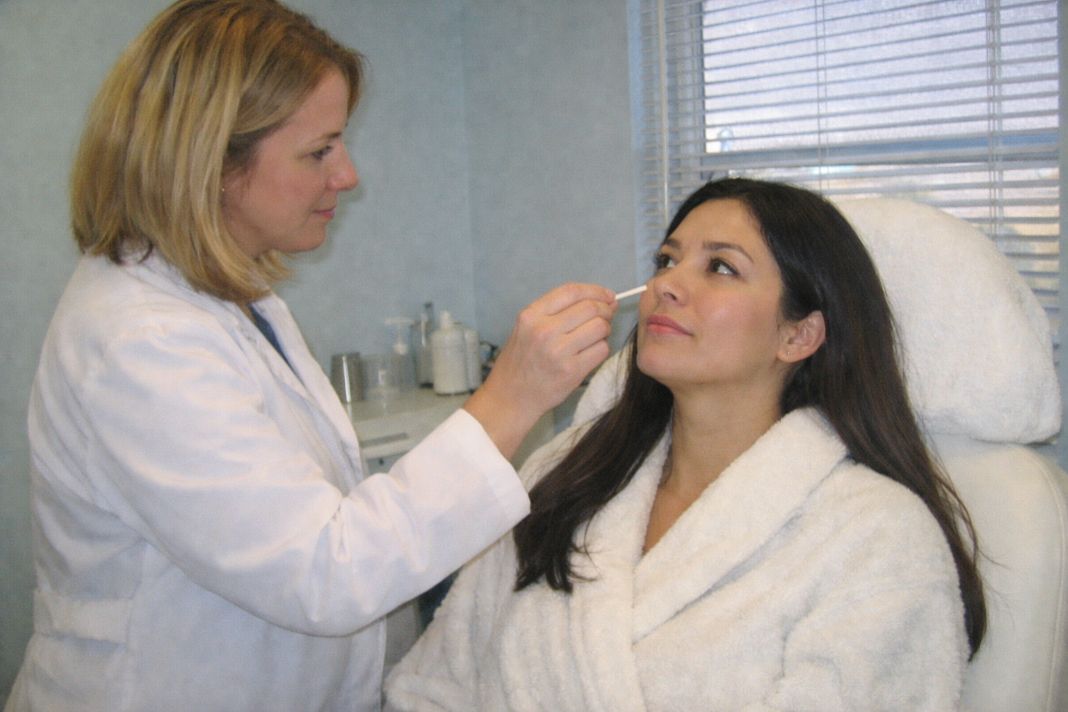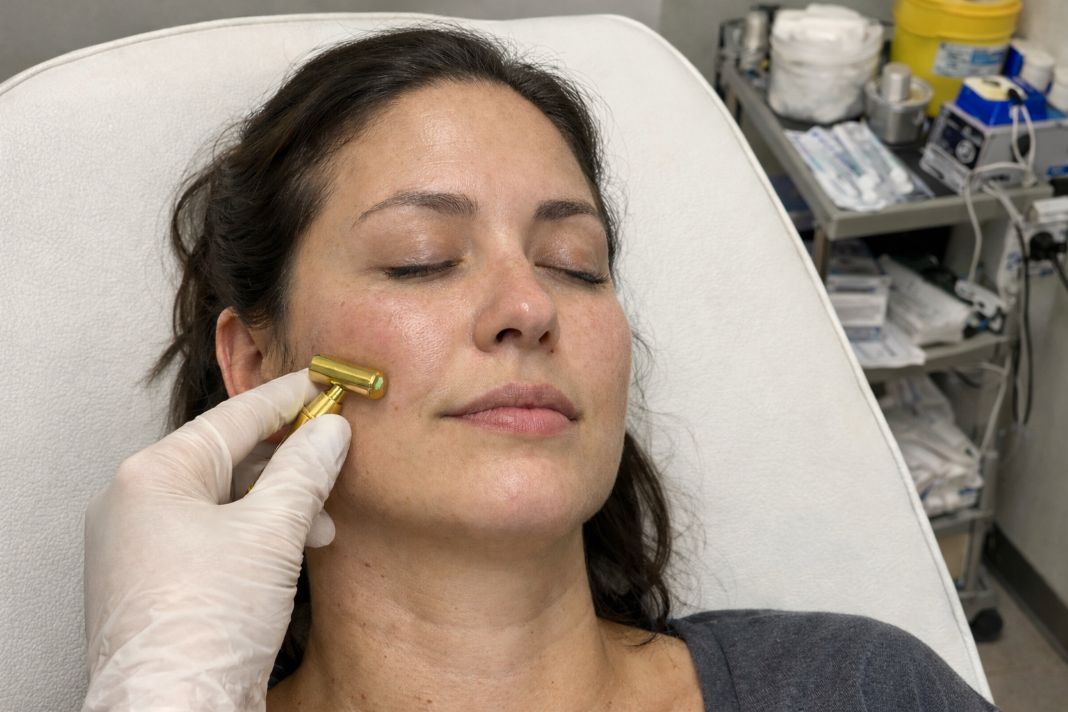
What are polynucleotides and how do they affect the skin?
Polynucleotides are purified fragments related to DNA and RNA that are used in some medical skin treatments to support tissue repair and skin biostimulation. In practice, they are considered a regenerative skin treatment rather than a filler, which means that their role is to support skin structure, hydration and collagen activity over time instead of adding immediate volume.
Here's What We Have Covered In This Article
Understanding Polynucleotides: The Basics
Polynucleotides sound highly technical because they are. In a clinical setting, the term refers to purified nucleotide chains used in injectable treatments that aim to support the skin’s repair processes and improve overall skin quality.
Medical aesthetics clinics and dermatology practices have taken an interest in polynucleotide therapy because it sits in a different category from many familiar injectables. The purpose is usually medical skin rejuvenation through tissue support, not reshaping facial contours or producing an instant cosmetic change.
A few distinctions make that easier to understand:
- Polynucleotides are not dermal fillers. Fillers are generally used to add volume or definition. Polynucleotide injections are used for skin biostimulation and tissue support.
- Polynucleotides are not a quick surface treatment. Their activity relates to the skin’s underlying structure and function, including hydration balance and collagen production.
- Polynucleotides are not suitable in every case. Suitability depends on skin condition, medical history and treatment goals, which means that assessment matters more than trend value.
From a biological point of view, the idea is straightforward. These compounds interact with the skin environment in a way that may support cellular regeneration and repair, particularly in tissue that looks tired, fragile or structurally depleted.
Clinical research institutions continue to study regenerative skin treatments, but readers should separate that from online hype. Product choice, intended use, and regulatory oversight all matter, including whether a treatment is being used within proper clinical protocols and with attention to UK guidance from bodies such as the MHRA.
Pro Tip: A comprehensive consultation ensures that skin conditions, allergies, and treatment history are assessed before starting therapy.
Book a Skin Consultation
Arrange a personalised assessment with our clinicians to discuss whether polynucleotide therapy is suitable for your skin concerns.
How Polynucleotide Treatments Work in Skin Health
Polynucleotide skin treatment is usually used to support the quality of the skin itself, not to change facial shape.
Once injected into carefully selected areas, polynucleotides are thought to help create a more supportive environment for repair. That may include fibroblast activation, collagen remodelling and improved hydration within the skin. Fibroblasts are the cells involved in producing structural proteins, including collagen, which gives skin some of its firmness and resilience.
The treatment process is often easier to grasp in stages:
- Assessment and planning A clinician reviews the skin concern, medical history and treatment area. The aim is to decide whether injectable skin regeneration is clinically appropriate.
- Targeted injection technique Small amounts of product are placed into the relevant layer of skin using a protocol suited to the area being treated, such as the face, neck or around the eyes.
- Biostimulation phase After treatment, the product is intended to support repair responses within the skin rather than create immediate bulk.
- Treatment intervals and review Most polynucleotide protocols involve more than one session, spaced over a defined period, with reassessment between appointments.
That mechanism sets polynucleotides apart from other injectable treatments. Fillers tend to alter volume directly. Some skin boosters focus mainly on hydration. Collagen stimulation therapy using polynucleotides is generally discussed in terms of tissue quality, elasticity and skin texture.
Consultant dermatologists and medical aesthetic practitioners may consider this approach where skin looks crepey, delicate or less resilient. At Future Care Medical, treatments of this kind are best understood as part of a structured clinical pathway with suitability assessed before any protocol is planned.
Changes, where they occur, are usually described in practical terms such as smoother texture, better hydration, and a more settled skin surface. A reader expecting an instant lifting effect would be looking in the wrong category.
Who Might Benefit from Polynucleotide Treatments?
Someone considering polynucleotide suitability usually wants to know one thing first: what sort of skin concern is this actually for?
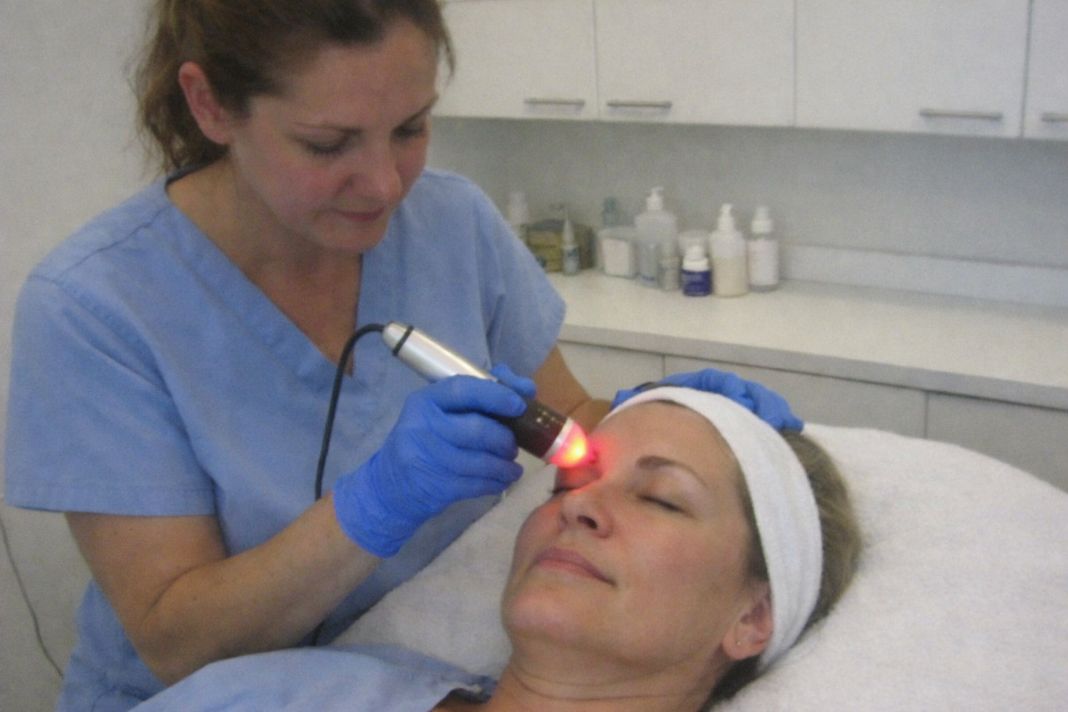
In clinical practice, patient selection for skin treatments tends to focus on skin quality issues rather than dramatic correction. Polynucleotides may be considered where the main concern relates to texture, fine lines, mild skin laxity, dullness or fragile-looking skin in thinner areas.
Typical factors in a skin concern assessment include:
- fine lines linked to reduced skin quality
- early laxity or loss of elasticity
- dry, tired or delicate skin
- post-inflammatory skin stress in selected cases
- thin under-eye or periocular skin where volume treatment may be inappropriate
Suitability also depends on factors beyond appearance. A proper review should include current medications, allergies, active skin disease, infection risk, previous injectable treatment and broader medical history. Dermatology assessment protocols are used to decide whether the treatment fits the patient, the area and the intended outcome.
Certain situations may make treatment unsuitable or require delay. Active infection in the treatment area, some inflammatory skin flares, pregnancy, breastfeeding, and particular medical conditions may alter the decision. Product-specific contraindications also matter, so general assumptions are not enough.
Shorter-term cosmetic expectations can also lead to mismatch. If the goal is immediate contour change or strong volumisation, a clinician may conclude that polynucleotide injections are not the right option for that particular concern. The under-eye area is a good example, where tissue quality and volume loss are different problems and need different thinking.
Pro Tip: For best outcomes, adhere strictly to aftercare guidance including avoiding excessive heat and strenuous activity post-procedure.
What to Expect During and After Polynucleotide Treatment
A polynucleotide treatment process usually starts with consultation and ends with follow-up, not with the injection itself.
During a standard appointment, the sequence often looks like this:
- Medical consultation The clinician reviews the treatment area, medical history and expected outcome. Photographs may be taken for documentation if appropriate.
- Consent and treatment planning The product, technique, likely response and known risks are discussed so that informed consent is meaningful rather than routine paperwork.
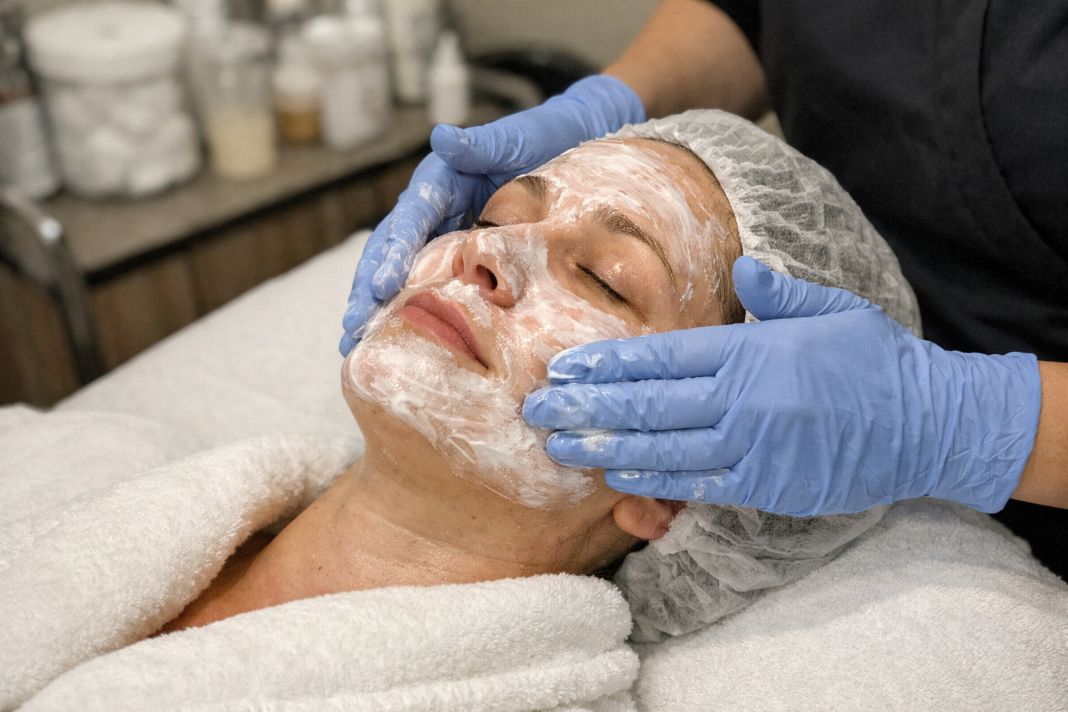
- Preparation of the skin The area is cleansed carefully, and topical anaesthetic may be used in some cases depending on the site and technique.
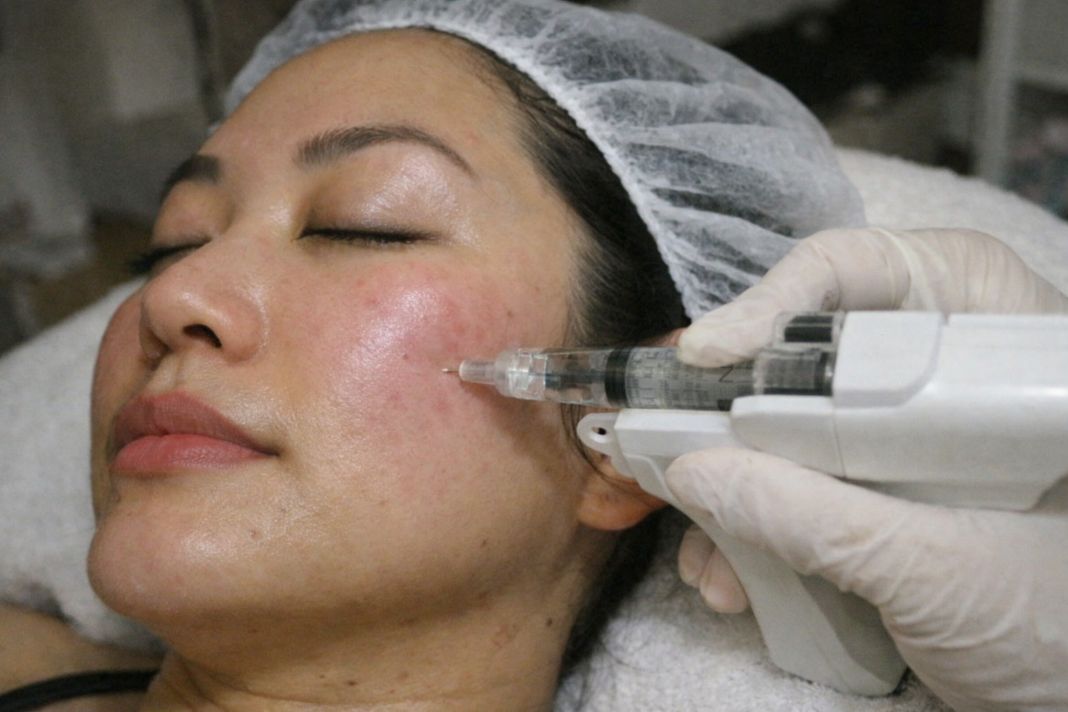
- Injection Small injections are placed across the planned area according to the clinical protocol. The exact pattern varies by product and treatment site.
- Immediate review The skin is checked for any early reaction, and aftercare advice is given before the patient leaves.
Appointment length varies by area and challenge, although many injectable skin appointments fit within a relatively short visit. For professionals moving between Liverpool Street, Bank or Moorgate, that practical point often matters as much as the science.
After treatment, mild swelling, redness, pinpoint marks or tenderness can occur. Those effects are commonly discussed with skin injectables in general, and they often settle over a short period, although timing differs by person and treatment site. Post-injection care may include avoiding intense heat, strenuous exercise, and unnecessary pressure on the area for a limited time if the clinician advises it.
Most courses involve repeated sessions rather than a single treatment. Follow-up scheduling is usually based on the protocol used and the skin response seen at review.
No verified pricing for polynucleotide therapy appears in the current published price list provided for Future Care Medical, so a factual price cannot be included here. That matters because regenerative injectables vary by product, area treated and number of sessions, which can affect the overall cost structure.
Weighing the Evidence: Safety, Risks and Clinical Oversight
Polynucleotide safety depends on the product used, the area treated, the injection technique and the quality of clinical oversight.
In the UK, injectable products and devices may fall under different regulatory routes, so readers should avoid assuming that every skin injectable is governed in exactly the same way. The MHRA has a role in the wider regulatory landscape, but safe practice also depends on clinical governance, informed consent, documentation and clear product traceability within the treating clinic.
Common short-term effects
Injection-related effects can include redness, swelling, bruising, tenderness and small raised areas at the injection points. These are local reactions rather than proof of a problem, although they still need to be explained properly before treatment.
Less common but relevant risks
Adverse reactions may include prolonged swelling, infection, hypersensitivity, unevenness, delayed inflammatory response or unsatisfactory cosmetic outcome. Risk level varies by product, site and patient factors, which is why blanket statements about safety are unhelpful.
Why medical oversight matters
Doctor-led or consultant-led assessment gives the treatment a framework. That includes checking eligibility, excluding contraindications, selecting the right protocol, documenting consent, and setting out what monitoring is needed afterwards. Medical indemnity standards and clinic policies also sit behind safe delivery, even though patients do not always see that part directly.
How risks are managed
Structured clinics use risk mitigation measures such as sterile technique, careful patient selection, product records and clear aftercare guidance. Monitoring does not end when the injection finishes. If a reaction develops later, the quality of the original assessment and documentation becomes highly relevant, particularly in delicate treatment areas such as around the eyes.
Making an Informed Choice: Is Polynucleotide Therapy Right for You?
A sensible decision about polynucleotide therapy starts with matching the treatment to the skin problem you actually have, not the result shown in marketing images.
Before choosing polynucleotide injections, it helps to consider a few practical points:
- Is the main concern skin quality, such as fine lines, crepey texture or reduced elasticity, rather than loss of volume?
- Are you comfortable with a treatment that may require a course of sessions instead of a single appointment?
- Do you understand that regenerative skin treatments are usually discussed in terms of gradual change, not instant correction?
- Has your medical history, current skin condition and treatment area been reviewed properly?
- Are you choosing the treatment because it fits a clinical indication for polynucleotides, rather than because it is currently fashionable?
Private medical clinics and dermatology consultation settings should be able to explain those points clearly and without pressure. A strong assessment framework supports patient autonomy because it gives you enough information to weigh likely benefit against limits, risks and alternatives.
Polynucleotides can make sense for the right patient, in the right area, with the right expectations. The most useful question is often less about whether the treatment is popular and more about whether it matches the biology of your skin and the outcome you actually want.
Verify Practitioner Credentials
Ensure your clinic meets the highest standards. Check qualifications and regulatory compliance today.