How does radiofrequency microneedling with SylFirm X actually work?
Radiofrequency microneedling combines very fine needles with controlled heat energy delivered into the skin at selected depths. SylFirm X uses this approach within a doctor-led setting to target concerns such as uneven texture, visible redness, certain types of scarring and laxity, with suitability decided through clinical assessment rather than appearance alone.
Here's What We Have Covered In This Article
Understanding radiofrequency microneedling and the SylFirm X system
Radiofrequency microneedling is a clinical microneedling treatment that creates tiny, controlled channels in the skin while also delivering radiofrequency energy beneath the surface. That combined action aims to stimulate collagen remodelling and support skin texture improvement over time.
Traditional microneedling relies on mechanical injury alone. Radiofrequency microneedling explained simply is this: the needles create a controlled physical response, and the radiofrequency adds a thermal response at a precise depth. In practice, that gives clinicians another variable to adjust during treatment.
SylFirm X technology is used in some medical aesthetics clinics because it is built for controlled energy delivery rather than a one-setting approach. The treatment can be adjusted according to the skin concern, treatment area and the patient’s skin assessment. Clinical protocols and patient safety protocols matter here, because the device is only one part of the process.
A common misunderstanding is that all microneedling sits in the cosmetic category. Clinical microneedling is different in a medically governed setting, where consultant dermatologists or doctors may assess whether a concern is suitable for treatment, whether another option is more appropriate, or whether treatment should be deferred.
Pro Tip: Photographs of your skin before treatment help clinicians assess progress at future follow-ups.
Request Pricing Details
Receive full pricing information and a step-by-step overview of the SylFirm X clinical treatment process at our central London clinic.
The step-by-step process: what patients can expect
A radiofrequency microneedling process usually follows a structured pathway, from consultation through aftercare. Busy patients often want to know how much time is involved, what the treatment feels like and what recovery looks like over the next few days.
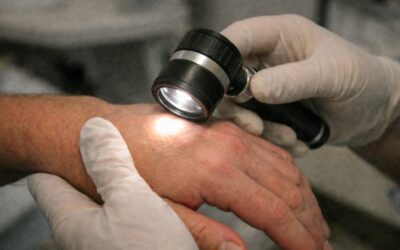
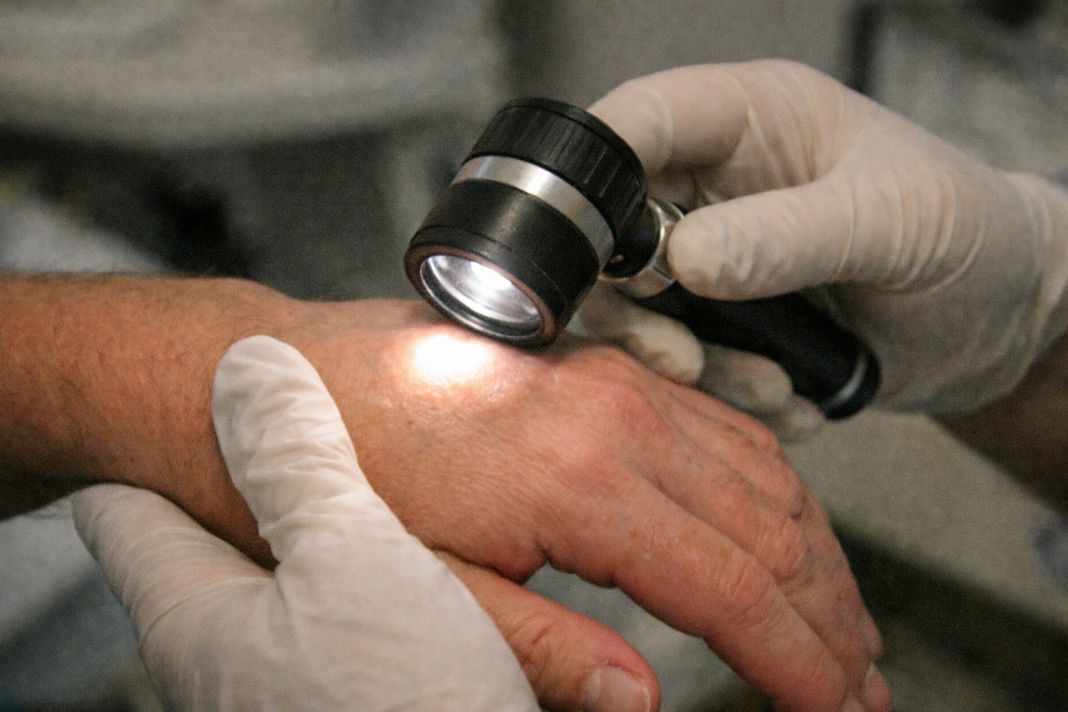
- Consultation and skin analysis A medical consultation comes first. The clinician reviews medical history, current skin concerns, previous treatments, active skin conditions and any factors that could affect healing. Skin analysis helps guide whether SylFirm X treatment steps are appropriate and which areas, depths and settings may be considered.
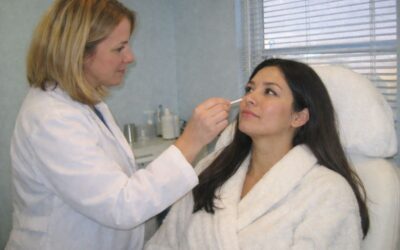
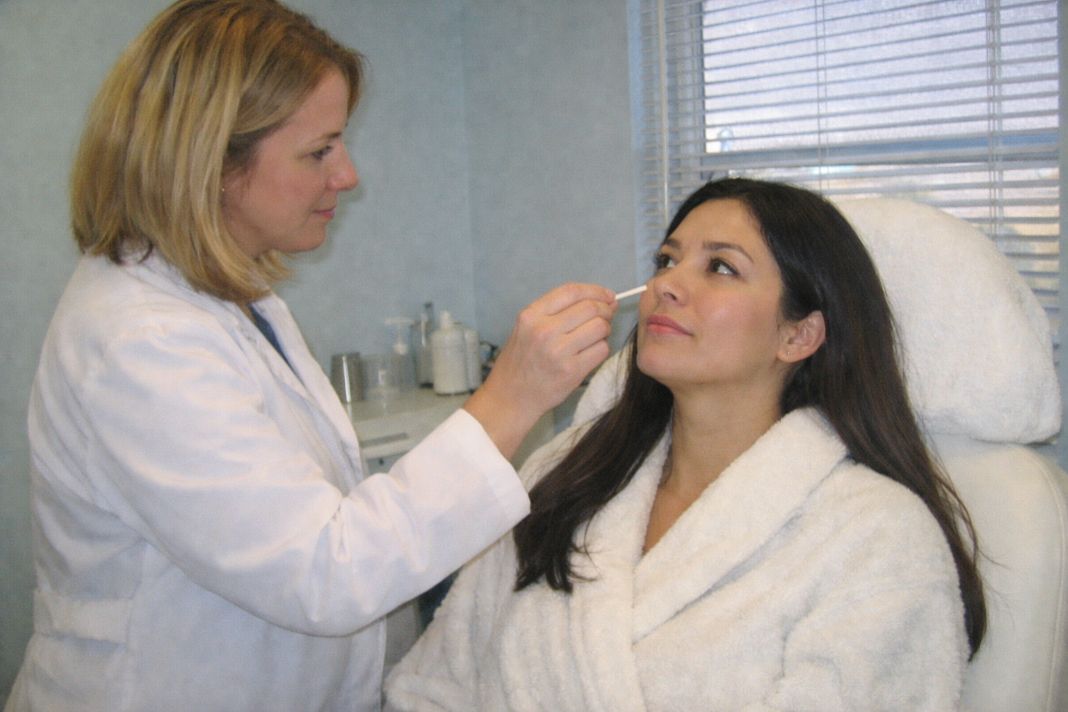
- Preparation before treatment If the patient is suitable, the skin is cleansed and prepared. A topical anaesthetic is commonly applied to improve comfort during the session, and the clinician confirms the treatment plan before starting.
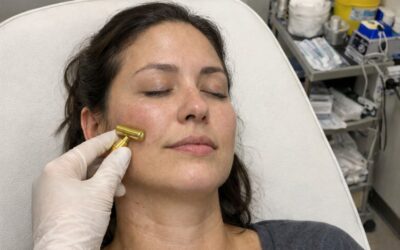
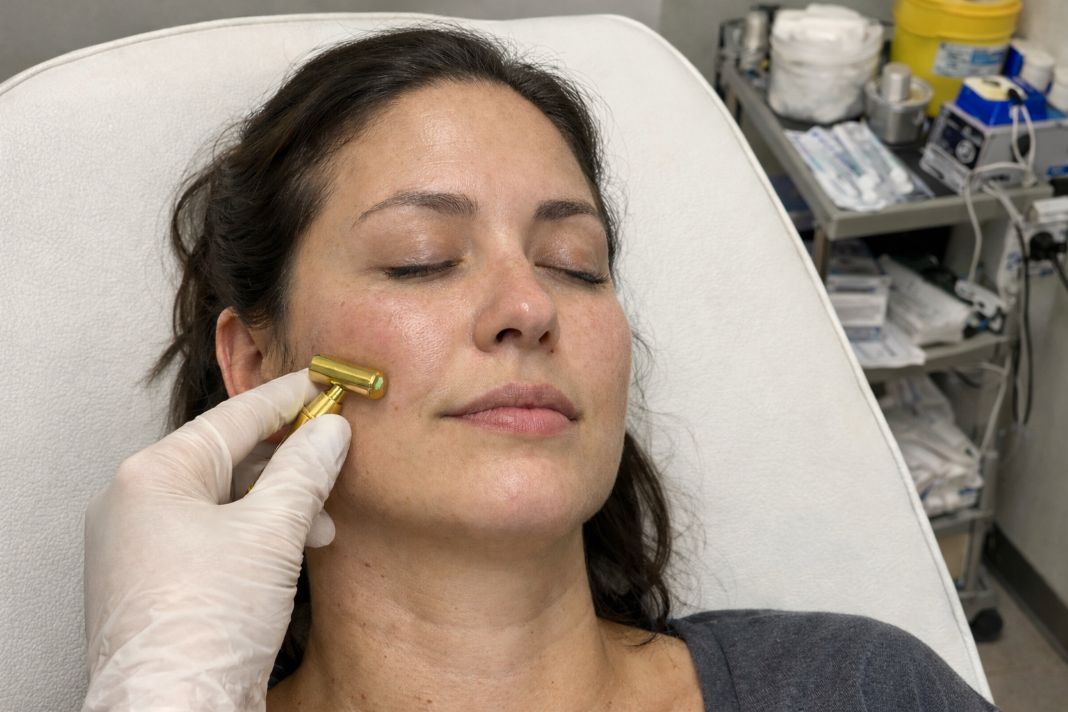
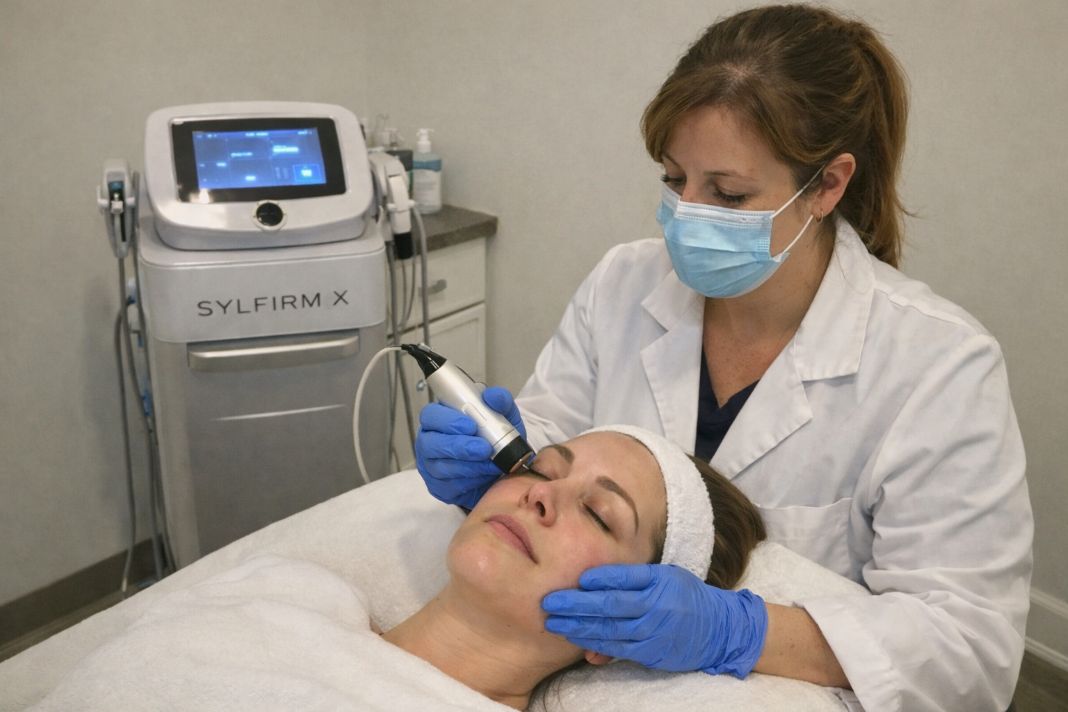
- Treatment delivery During the procedure, the handpiece passes across the selected treatment areas while the needles enter the skin and radiofrequency energy is delivered at the chosen depth. Energy settings adjustment is based on the treatment area and the clinical objective. The appointment length varies by area treated, although the procedure itself is usually shorter than the full visit because preparation time is part of the session.
- Immediate aftercare and monitoring Once treatment is complete, the skin is checked and aftercare advice is given. Post-procedure monitoring focuses on expected short-term reactions such as redness, warmth or mild swelling, as well as the practical steps needed for the first day or two.
At Future Care Medical, this pathway sits within a doctor-led treatment model rather than a purely cosmetic appointment format. That distinction affects the patient experience as much as the device itself, particularly where medical history and safety screening influence the final treatment plan.
Most people notice warmth, tightness and visible redness soon after treatment. Recovery is usually measured in days rather than weeks, but the exact pattern depends on skin sensitivity, treatment intensity and the area treated.
Clinical indications and suitability criteria
Suitability is based on clinical assessment, not general interest in a skin rejuvenation treatment. Some patients present with concerns that may respond well to advanced skin procedures such as SylFirm X, while others may need a different pathway or no treatment at all.
Common skin concerns treated may include:
- uneven skin texture
- mild to moderate skin laxity
- acne scarring or other textural irregularities
- visible redness in selected cases
- certain pigmentation irregularities, where clinically appropriate
Patient selection criteria also include skin type, medical history, current medication, previous procedures and treatment goals. Realistic patient expectations matter because improvement may be gradual and may require a course of treatment rather than a single session.
Contraindications and reasons to postpone treatment can include active infection, certain active skin conditions in the treatment area, impaired wound healing, recent procedures that leave the skin unsettled, or medical factors that make needling unsuitable. A clinician may also advise against treatment if the presenting problem needs consultant dermatologist review first.
At Future Care Medical, suitability protocols are used to separate cosmetic interest from genuine clinical indication. That matters in cases where redness may reflect an inflammatory condition, or where pigmentation concerns need closer assessment before any energy-based procedure is considered.
Safety, risks and clinical oversight
Microneedling safety depends on patient selection, treatment technique, device settings and aftercare. SylFirm X risks are generally discussed as part of informed consent, and the expected short-term effects should be explained before the procedure takes place.
Common side effects and risks include:
- transient redness
- mild swelling
- skin sensitivity or warmth
- pinpoint bleeding during treatment
- temporary dryness or roughness as the skin recovers
- infection risk, which means that aseptic technique and aftercare instructions are important
Doctor-led protocols reduce avoidable problems by setting out who should be treated, when treatment should be delayed and how energy settings are chosen. Clinical oversight also includes the medical consent process, documentation, adverse event management planning and clear follow-up arrangements where needed.
A non-medical setting may present microneedling as a routine cosmetic service. In a clinical environment, the same procedure is approached with more attention to diagnosis, contraindications and whether the visible skin issue is actually suitable for this type of intervention. That difference becomes especially relevant where redness, pigmentation or recurrent inflammation are part of the picture.
Pricing and practical considerations in Central London
SylFirm X is priced at £620 per session.
That figure should be read as the cost of radiofrequency microneedling within a clinical setting, with consultation, suitability assessment, treatment planning and medical oversight forming part of the wider pathway. Pricing transparency is useful because treatment decisions are easier to make when the practical details are stated plainly.
For patients working in the City of London, logistics often matter as much as the treatment itself. A central London clinic near Liverpool Street, Moorgate or Bank may suit people trying to fit appointments around the working day, particularly when preparation time and short-term redness need to be factored into scheduling.
A few practical points are worth keeping in mind:
- Allow time for consultation, preparation and post-treatment advice, not just the procedure.
- Avoid arranging treatment immediately before an important meeting or event if visible redness would be difficult to manage.
- Plan skincare and sun protection carefully for the days after treatment.
Pro Tip: Always inform your clinician about recent skin procedures or active conditions before your appointment.

Common misconceptions and forward-looking considerations
One of the biggest microneedling myths is that all versions of the treatment are essentially the same. They are not. Clinical vs cosmetic microneedling is a meaningful distinction because assessment, consent, device settings and follow-up are handled differently in medically governed practice.
Another common misunderstanding concerns downtime. Some people expect either no visible reaction at all or a dramatic recovery period. In reality, treatment outcomes and recovery vary according to skin sensitivity, indication, treatment intensity and the area treated.
A further misconception is that stronger treatment automatically means better results. Consultant dermatologists and doctors generally work from the opposite principle. The aim is to match the intervention to the skin concern and the patient’s tolerance, using evidence-based practice and established medical aesthetics standards.
The field itself continues to move through better device control, more refined protocols and closer attention to skin type and indication. As skin procedures become more precise, realistic expectations remain the most useful starting point: a treatment like SylFirm X is best understood as one option within a clinical plan, not as a universal answer to every skin concern.
Book a Clinical Consultation
Arrange a personalised skin consultation with a doctor to discuss your suitability for SylFirm X treatment.