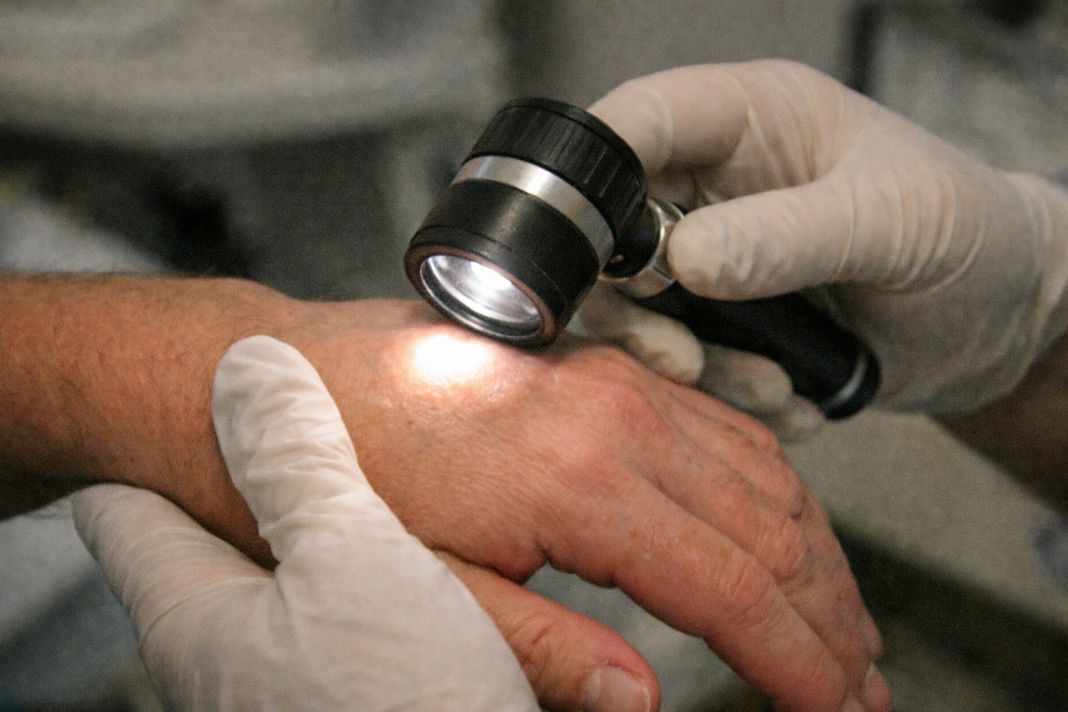
What are the most important considerations when selecting a dermatology or aesthetic clinic in London?
Selecting a dermatology or aesthetic clinic in London requires careful consideration of medical oversight, practitioner qualifications, clinical standards, transparent pricing, and accessibility to ensure safe and effective care.
Here's What We Have Covered In This Article
Understanding the Importance of Clinical Governance and Medical Oversight
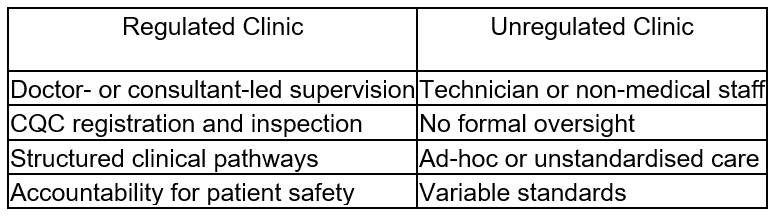
London offers a wide variety of clinics providing dermatology and aesthetic services, but not all operate within regulated medical frameworks. Clinical governance and medical oversight are central to patient safety and care quality. Doctor-led clinics are typically overseen by a medical director and are subject to regulatory standards, such as registration with the Care Quality Commission (CQC). By contrast, some providers rely on technicians, which may result in less accountability or strong safeguarding for patients.
Key differences between regulated and unregulated clinics include:
Pro Tip: For injectable treatments, ask about emergency protocols and aftercare support before booking.
Book a Consultation
Take the first step by scheduling a professional dermatology or aesthetic consultation in central London.
Regulated clinics, particularly those with consultant dermatologists, adhere to clinical protocols defined by bodies such as the General Medical Council (GMC). These structures ensure that patient safety and regulatory compliance are prioritised at every stage, which means that even treatments often described as “cosmetic” should be approached as medical interventions requiring oversight and medical supervision.
Assessing Qualifications and Experience of Practitioners
Verifying the qualifications and experience of practitioners is central to informed decision-making. In the UK, a consultant dermatologist will be listed on the GMC Specialist Register and may also be a Fellow or Member of the Royal College of Physicians. General practitioners or aesthetic doctors should also be GMC registered, but their scope and expertise may differ.
A quick checklist for verifying practitioner credentials:
- Is the practitioner registered with the GMC, and can their number be verified online?
- What is their formal title or qualification (for example, Consultant Dermatologist or GMC-registered Aesthetic Doctor)?
- Do they hold specialist accreditation from appropriate bodies, such as the British Association of Dermatologists?
- What is their background in clinical training and experience with the procedure required?
- Are the qualifications and registration details available publicly or on request?
Patients should feel comfortable asking these questions during or before an initial enquiry. Credentials and experience provide assurance that care will be safe, appropriate, and led by a qualified professional.
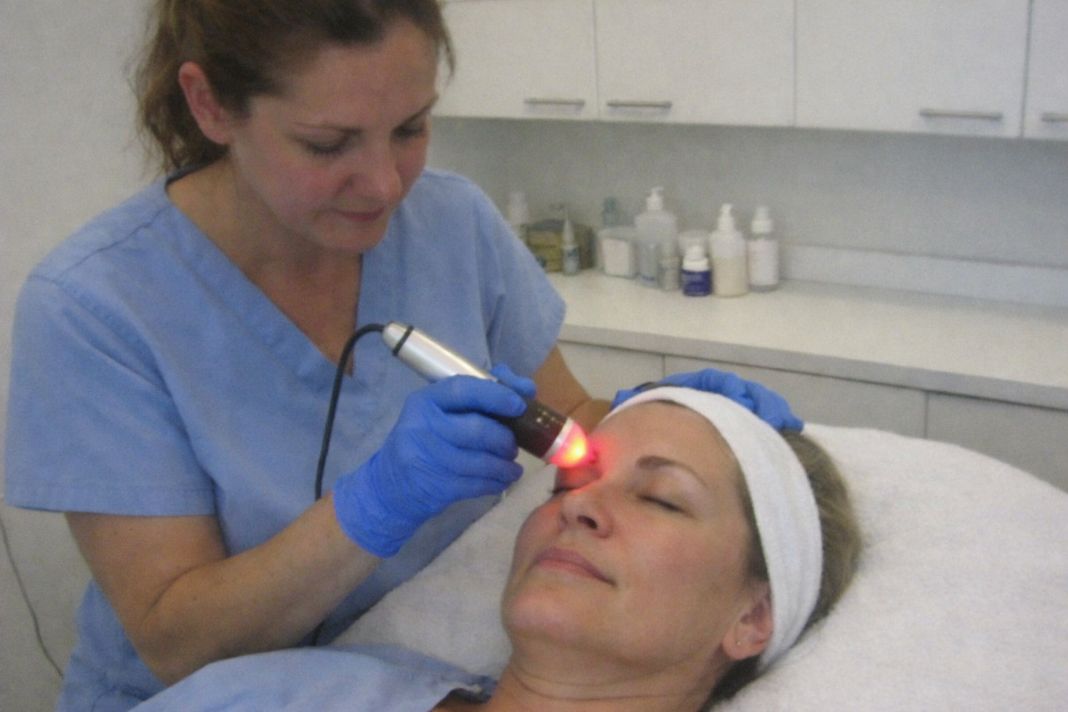
Evaluating Clinical Environment and Facilities
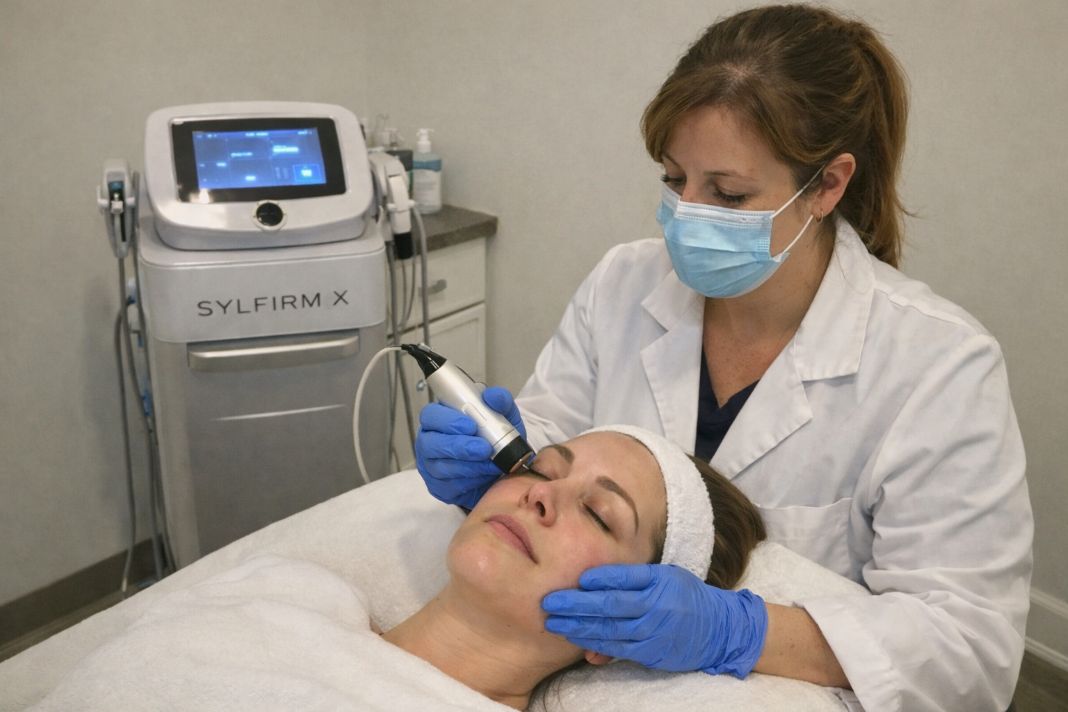
The environment in which care is delivered is as important as clinical qualifications. A regulated dermatology or aesthetic clinic will present a clearly medical setting, not a spa or cosmetic studio. On-site diagnostics, infection control protocols, and the availability of a dedicated minor operations theatre all indicate commitment to clinical safety.
Key aspects to look for in clinic facilities:
- Visible evidence of CQC registration, licensing, or inspection reports
- Purpose-built consulting rooms and treatment areas
- In-house capability for diagnostics, such as blood testing or imaging
- Stringent infection control measures, including readily available hand hygiene and PPE
- Secure, discreet waiting and consultation spaces supporting patient privacy
- Accessibility features suitable for central London professionals, such as proximity to transport and flexible hours
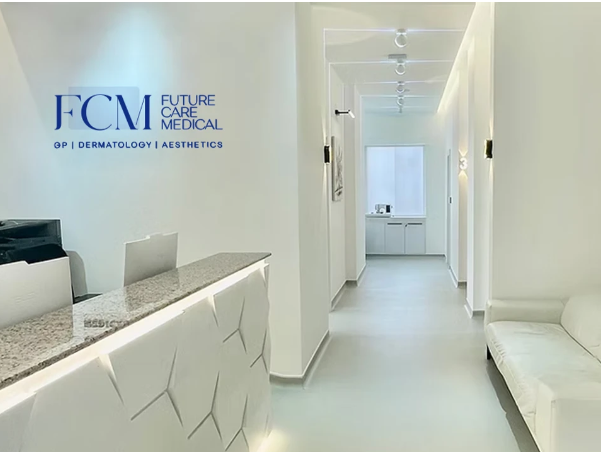
Future Care Medical, located at 66 London Wall, for example, integrates these elements within its clinic to support the needs of clients working in Liverpool Street, Moorgate, and City of London areas.
Reviewing Range of Services and Integrated Care Pathways
A clinic offering both dermatology and medical aesthetic services, ideally within a multidisciplinary model, can provide streamlined diagnosis, follow-up, and treatment. This integration supports continuity and clarity, especially for conditions where diagnosis and intervention may overlap.
Consider a scenario in which a patient presents with a skin concern:
- Initial GP or dermatology consultation and assessment
- In-house diagnostics or minor surgery if required
- Specialist referral, medical aesthetics, or follow-up based on diagnosis
- Integrated aftercare and monitoring per clinical pathway
The presence of joined-up pathways means care can transition smoothly from assessment through treatment and follow-up, reducing the likelihood of miscommunication or missed interventions. Clinics structured around multidisciplinary care help ensure that both medical and aesthetic needs are appropriately managed under a single protocol. Future Care Medical offers such integration, which streamlines care within their consultation and treatment processes.
Pro Tip: Always request visible proof of CQC registration when visiting any clinic in London.
Checking Pricing Transparency and Consultation Structure
Transparent, itemised pricing contributes to trust and allows patients to plan their care confidently. Key aspects to clarify before booking include:
- Consultation duration and what it includes (assessment, examination, initial advice)
- Clear breakdown of fees for each phase of care, avoiding hidden costs
- Published fee schedules, ideally available on the clinic’s website or in-practice
- The difference between bundled packages (where diagnostics and follow-up may be included) and individual charging for each service
For example, at Future Care Medical, GP consultations are priced at £105 for 15 minutes, £160 for 30 minutes, and £240 for 60 minutes. More advanced dermatology or aesthetic procedures are typically discussed and priced during an initial consultation, with no obligation to proceed until all fees are clear.
A comparison table can help patients understand what to expect:
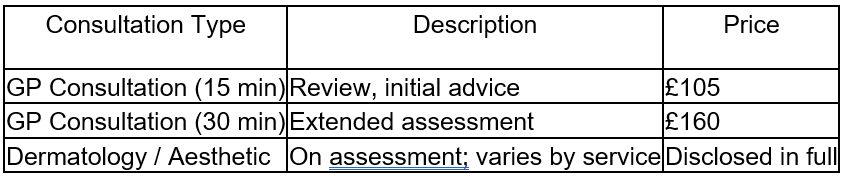
This level of transparency should extend to any potential additional charges or aftercare, providing certainty before any commitment.
Considering Location, Accessibility and Appointment Flexibility
For many London professionals, practical considerations such as transport links and appointment scheduling are as important as clinical standards. When selecting a clinic, consider:
- Proximity to key central London hubs, such as Liverpool Street, Moorgate, and Bank
- Availability of same-day or short-notice appointments for urgent needs
- Discreet and well-managed facilities suitable for confidential visits
- Access outside standard hours to accommodate work commitments
A clinic located centrally, with access to multiple transport options, means appointments can fit around demanding schedules without unnecessary travel time. Appointment flexibility including evening or early morning slots, enhances suitability for those based in Zone 1 and neighbouring areas.
Reviewing Patient Information, Consent and Aftercare Processes
Thorough patient information and informed consent are required by law and form a critical part of safe healthcare provision. Before any dermatology or aesthetic treatment, you should expect:
- A clear explanation of the diagnosis or concern, including risks and intended outcomes
- Detailed discussion of all available options and the rationale for any recommended treatment
- Opportunity to ask questions and time to consider information before consenting
- Completion of written consent forms specific to the procedure
- Information on what to expect immediately after treatment, and access to structured aftercare, including follow-up appointments or emergency contact procedures
Adequate aftercare might include wound reviews, access to helplines, or scheduled check-ins to monitor recovery and outcomes. Clinics should provide written guidance and ensure you know how to reach your practitioner if you have concerns following treatment.
Summary Checklist, and Key Questions to Ask Before Booking
- Is the clinic registered with the Care Quality Commission and led by a medical director or consultant dermatologist?
- Are practitioners GMC registered, with qualifications and specialist accreditations openly available?
- Does the clinic environment reflect medical standards, including consultation rooms and visible infection control protocols?
- Can the clinic manage your care from initial consultation to diagnostics, treatment, and aftercare in a single process?
- Are consultation fees and treatment prices clearly stated, with no hidden charges or ambiguous bundles?
- Is the location convenient for your working or living arrangements, and are appointments available to suit your schedule?
- Does the clinic provide thorough patient information, ensure informed consent, and offer structured aftercare?
By working through these points, you equip yourself to choose a dermatology or aesthetic clinic in London that prioritises your safety, convenience, and clarity of care. Making informed decisions at the outset helps lay the foundation for a positive, medically sound experience.
Get the Clinic Checklist
Get a comprehensive checklist to guide your clinic selection and ensure all your needs are met.