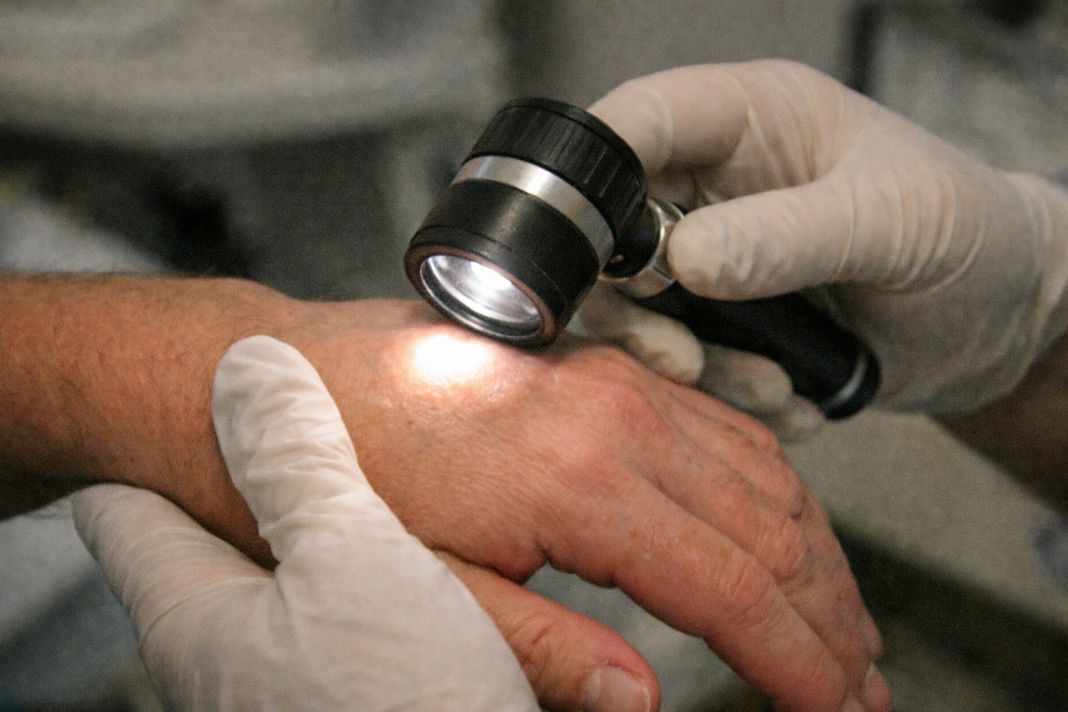
Why is medical evidence important in selecting aesthetic treatments?
Medical evidence is important in choosing aesthetic treatments because it distinguishes proven, safe interventions from those driven by trends or marketing. When evidence supports a treatment, patients and clinicians can make informed decisions about both risks and benefits, supporting safety and predictable outcomes.
Here's What We Have Covered In This Article
Understanding Medical Evidence in Aesthetic Medicine
Medical evidence in aesthetic medicine refers to information gathered through scientific methods that guides decision-making in diagnosis, treatment selection, and care planning. This evidence can include data from clinical trials, peer-reviewed journal articles, and guidelines issued by respected bodies such as the GMC and NICE. Unlike personal anecdotes or social media claims, medical evidence is structured, repeatable, and scrutinised by experts before being accepted for clinical use.
Forms of medical evidence relevant to aesthetic treatments include:
- Large-scale clinical studies testing the safety and efficacy of procedures
- Reviews of published research in leading medical journals
- Guidelines and recommendations from professional organisations (such as the General Medical Council or NICE)
- Clinical trial data summarised in evidence hierarchies
The relevance of strong medical evidence becomes clear when comparing structured data to individual stories. For instance, a single person reporting excellent results from a new skin procedure does not provide the same reassurance as a controlled trial showing consistent benefit and low risk across many patients.
Pro Tip: Ask your clinician to share published studies supporting your chosen treatment before proceeding.
Book an Evidence-Based Consultation
Experience a personalised consultation focused on treatments with proven results and safety.
Why Evidence Matters When Selecting Aesthetic Treatments
Evidence-based practice in aesthetics is directly linked to patient safety and reliable outcomes. Treatments supported by credible data reduce the likelihood of unexpected side effects or ineffective results. Clinical safety, regulatory compliance, and the ability to set appropriate expectations all depend on an evidence-led approach.
Without medical evidence, patients face greater risk. Non-evidence-based treatments may lack adequate safety profiles, making unwanted complications more likely. In some cases, treatments gain popularity based on marketing or word of mouth rather than proven performance, which can obscure the real picture of risk and benefit. Regulatory bodies such as the Care Quality Commission and the GMC rely on evidence to define care standards, offering additional protection to patients.
Clinicians use evidence to support informed consent and to tailor interventions to the individual. This process enhances patient trust and ensures that decisions are not based on novelty or appearance alone.

How Medical Evidence Shapes Treatment Protocols
Treatment protocols in medical aesthetics are step-by-step guides rooted in the best available evidence. These protocols are created by reviewing clinical data, compliance guidelines, and patient outcomes. NICE recommendations, for example, form a core part of protocol development, ensuring that treatments align with current standards.
A typical protocol-driven process in a medically governed clinic, such as Future Care Medical, proceeds as follows:
- Assessment: The clinician conducts a thorough clinical assessment to evaluate patient suitability, referencing evidence-based criteria.
- Treatment Planning: Options are presented based on their evidence-supported safety and efficacy profiles.
- Delivery: The chosen treatment is performed according to clearly defined steps, ensuring consistency and minimising risks.
- Monitoring: Outcomes and any adverse events are monitored and documented, contributing to ongoing evidence and improved care.
- Audit and Review: Regular audits assess the protocol’s performance, supporting continuous updates as new evidence arises.
This approach is in contrast to ad hoc or trend-led procedures that may skip important safety checks or lack outcome measurement.
Pro Tip: Check if your clinic regularly reviews and updates protocols based on new clinical guidelines.
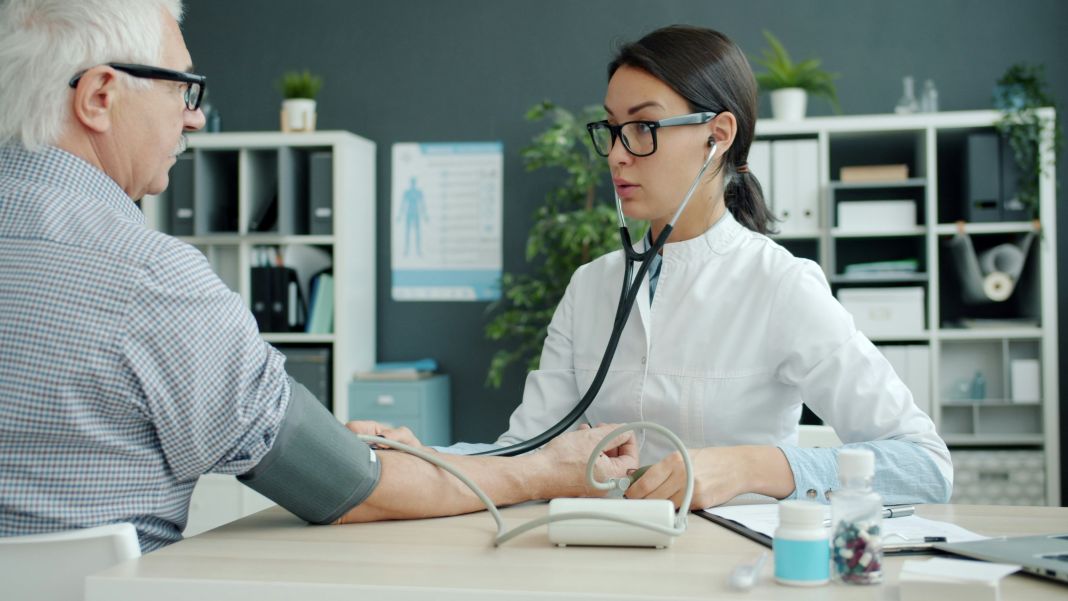
Assessing the Evidence Behind Popular Aesthetic Treatments
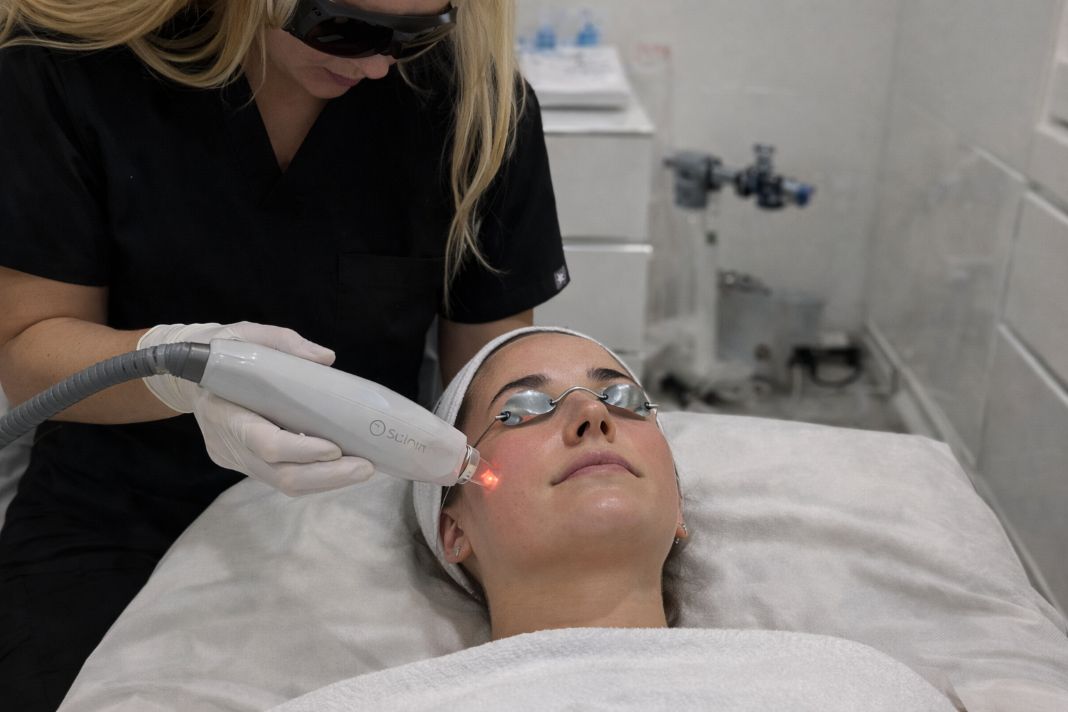
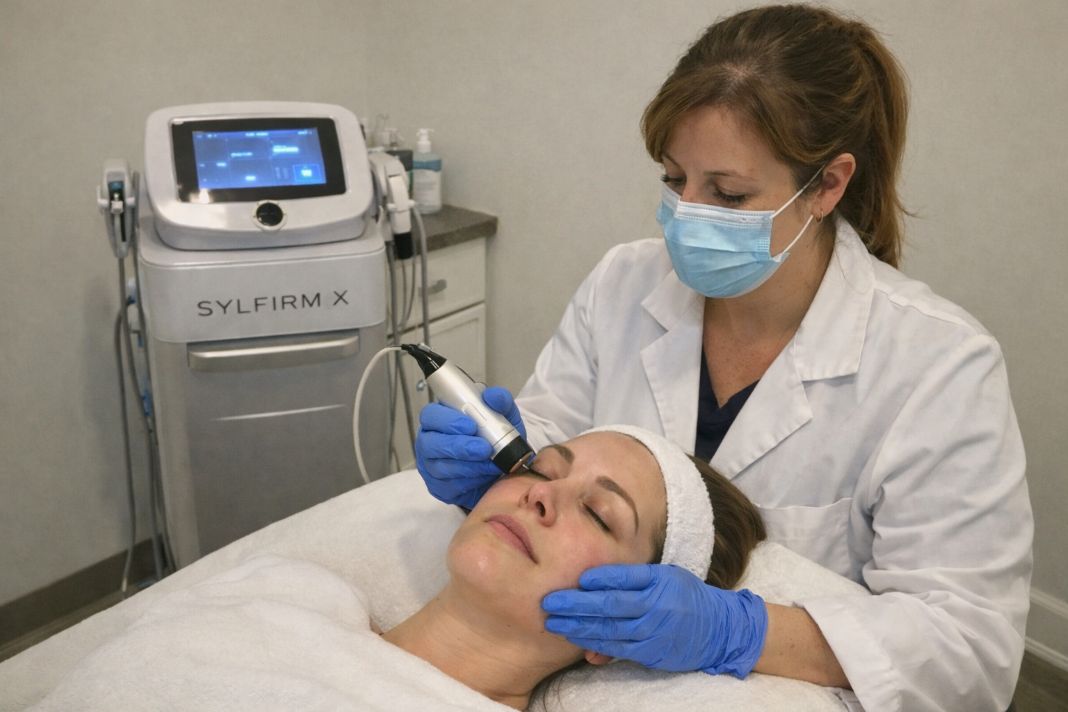
Treatment offerings in aesthetics vary significantly in their scientific foundation. Injectable treatments, such as certain forms of anti-wrinkle injections or dermal fillers, typically benefit from strong study data and established safety records. Laser treatments may have published studies for specific indications, but their evidence base often differs by device or procedure type.
When evaluating newer or “advanced” procedures, it is important to distinguish between peer-reviewed evidence and claims based on practitioner experience alone. Emerging treatments may show promise, but clarity about the quality and depth of supporting evidence is important.
Patients considering a skin procedure should ask:
- What published evidence supports the treatment’s safety and efficacy?
- Has the treatment been reviewed or recommended by bodies such as the GMC or NICE?
- Are there outcome statistics or safety data relevant to the specific procedure?
Clinics like Future Care Medical focus on interventions with strong support from published research, clinical trial registries, and updated guidelines. Where gaps in evidence exist, this is discussed openly, enabling patients to make choices based on transparent information rather than hype or marketing.
The Patient’s Role in Evidence-Based Aesthetic Decision-Making
Patients play a central role in determining which aesthetic treatments are appropriate for them. Medical evidence provides a foundation for discussion, but meaningful decisions rely on shared understanding between clinician and patient.
To participate fully in the decision-making process, patients should:
- Ask for scientific evidence supporting any proposed treatment.
- Seek details on risks and alternative options as part of informed consent.
- Evaluate whether the clinic’s care pathway follows recognised protocols (such as those from NICE or GMC).
- Check the credentials of practitioners offering the treatment.
- Be alert to red flags, including promises that cannot be substantiated by published evidence or a reluctance to discuss risks.
These steps ensure a transparent consultation and promote personal autonomy throughout the care process.
What to Expect from an Evidence-Based Aesthetic Consultation
A structured, evidence-based consultation is defined by openness, clarity, and a focus on matching medical treatments to individual needs. At a clinic following best practice, such as Future Care Medical, a typical consultation includes:
- Clinical Assessment: A practitioner reviews medical history, current concerns, and expectations to determine suitability.
- Explanation of Options: Treatments are discussed, including underlying evidence, risks, and limitations.
- Documentation: Key findings and decisions are documented, and patients receive information on what to expect before, during, and after treatment.
- Informed Consent: Risks and benefits are outlined clearly, with patients given time and space to make informed choices.
- Follow-Up Planning: The care pathway includes monitoring and outcome review to uphold standards.
This process is fundamentally different from a sales-driven interaction, where treatments may be recommended without adequate discussion of suitability or evidence.
Summary: Making Informed Choices in Medical Aesthetics
Medical evidence informs every key decision in aesthetic medicine, shaping protocols, supporting patient safety, and guiding both clinicians and patients toward outcomes grounded in fact rather than fashion. Regular review of published research and clinical standards ensures that new evidence is integrated into ongoing practice, supporting improvements in care quality.
By prioritising evidence over trends, patients and professionals in Central London and beyond can approach aesthetic treatments with clarity, confidence, and a focus on lasting results.
Meet Our Clinical Team
Learn about our medical practitioners’ commitment to evidence-based care and patient safety.