What does Korean glass skin actually mean?
Korean glass skin refers to a complexion that is clear, even, and smooth enough to appear almost light-reflective. Many people mistakenly think it is the result of a single facial or a particular finish. In reality, it reflects healthy, well-hydrated skin with minimal texture and a balanced tone. It does not involve a greasy or overly shiny surface, and it is not a quick fix.
The concept began in Korean skincare culture, where steady and layered routines are preferred over fast results. Some people misunderstand it to mean completely poreless skin or assume one treatment will achieve it. The truth is that it comes from supporting hydration, reducing inflammation, and keeping the skin barrier healthy over time.
Here's What We Have Covered In This Article
Why glass skin is an outcome, not a single treatment
Achieving the glassy skin appearance is similar to building physical fitness or taking care of your teeth. It is not the result of one product or appointment. Instead, it comes from consistent attention and a mix of methods. Clinics in London often use treatment plans that combine LED phototherapy, non-ablative laser treatments, and radiofrequency collagen induction techniques.
Each of these treatments plays a role. Some support collagen production, others help control inflammation or smooth texture. A plan that is tailored to your specific skin type and concerns will always be more effective than simply selecting a treatment by name.
Regular sessions that are spaced every few weeks allow the skin to adjust and respond gradually. This is why it is best to work with a clinic that focuses on long-term planning rather than one-off procedures. Choose a clinic that offers consultation-led approaches backed by patient-led planning and regulated treatments.
The skin biology behind the glass skin look
Glass skin results from how well your skin functions beneath the surface. Collagen and elastin provide structure and firmness. A strong skin barrier helps to retain moisture and reduces the appearance of fine lines. Balanced oil production prevents clogged pores while maintaining smoothness.
When skin becomes red, inflamed, or irritated, it can no longer reflect light evenly. This is why effective treatments focus on reducing inflammation while encouraging renewal. Increasing skin cell turnover, strengthening the outer layer, and supporting deeper repair all contribute to the visible glow.
Glass skin is the result of well-functioning skin physiology. When the underlying structure is healthy, the surface appears dewy, calm, and even.
Pro Tip: Glass skin isn’t about having zero pores or shine. It’s about skin that’s healthy enough to reflect light naturally.
Book a Glass Skin Consultation
Curious if your skin is ready for medical-grade rejuvenation? Book a no-pressure assessment and get a custom plan that actually works.
Treatments London clinics use to achieve glass skin results
Clinics with a medical approach to skin health use several tools to support the glass skin outcome. These include:
Non-ablative laser rejuvenation
These lasers work under the skin’s surface without harming the top layer. They encourage collagen growth, even out skin tone, and reduce redness. PicoSure Pro and Fotona Dynamis NX Line are examples used by many CQC-registered clinics across London. These devices are part of clinically approved methods that promote dermal density and skin remodelling.
Radiofrequency microneedling
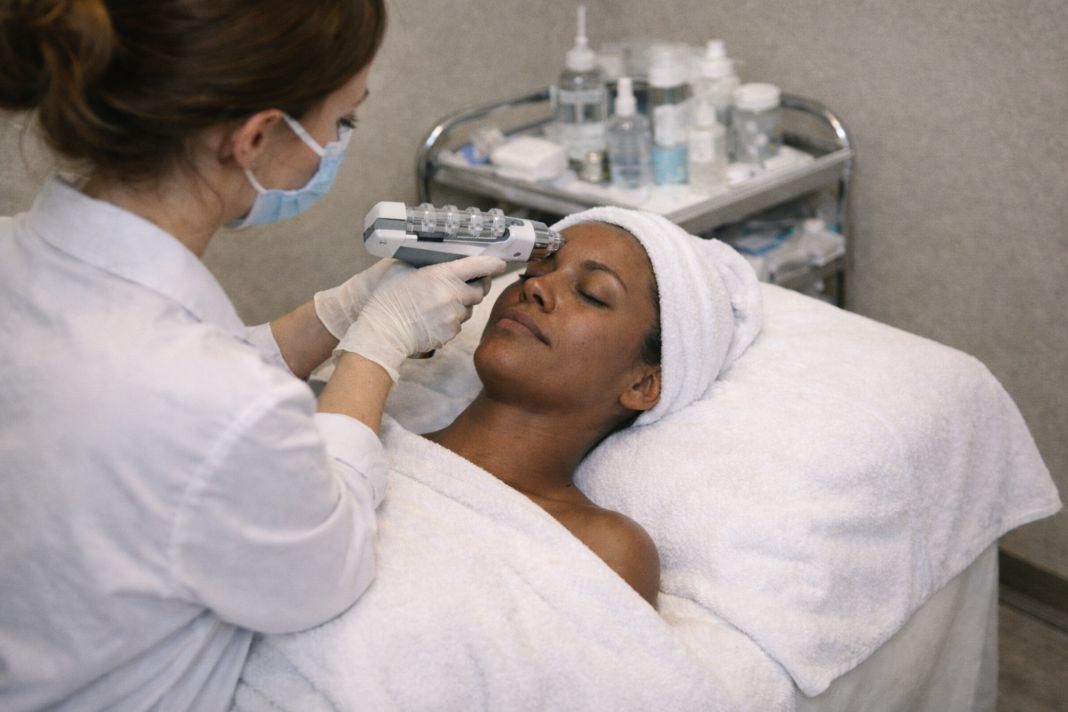
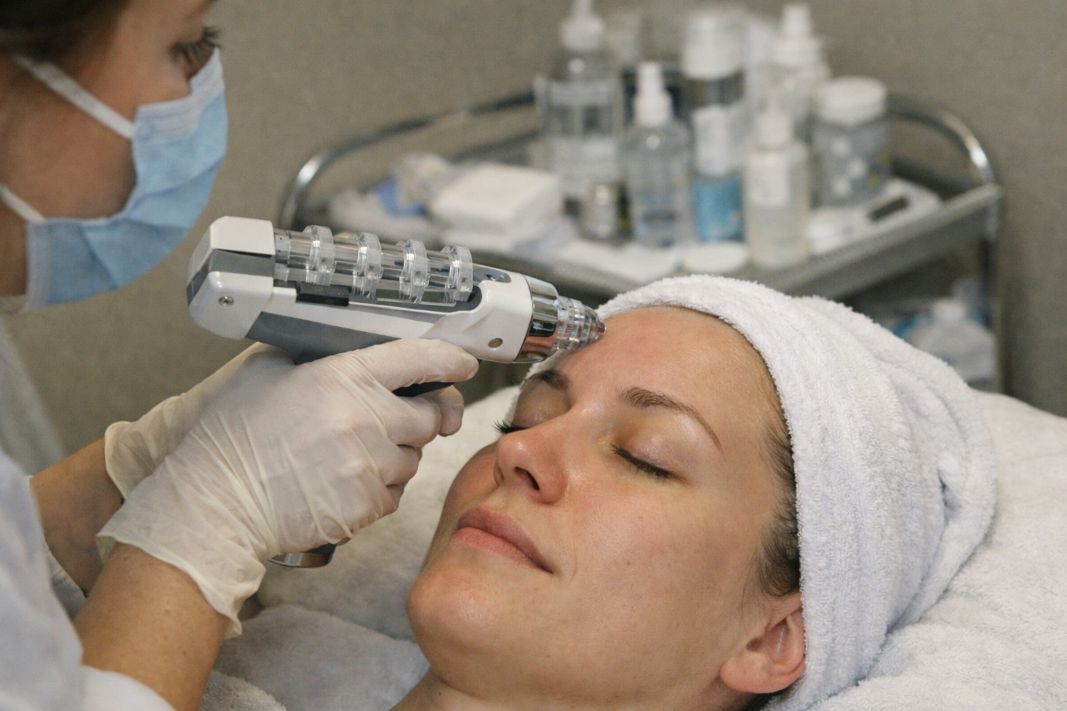
This technique combines tiny needles with heat to encourage the skin to heal and tighten. It boosts firmness, reduces pore size, and calms redness. Devices such as Potenza and Sylfirm X are used for thermal skin remodelling and fractional microneedling RF protocols that support long-term collagen induction.
LED phototherapy
LED light, used at specific wavelengths, can calm inflammation and support healing. Devices such as Dermalux Tri-Wave MD and SkiNova Elite help soothe sensitive or post-procedure skin. These are widely adopted in evidence-based skin treatments for managing flare-ups and maintaining skin translucency.
Mesotherapy and injectable skin boosters
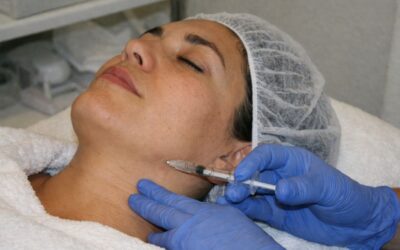
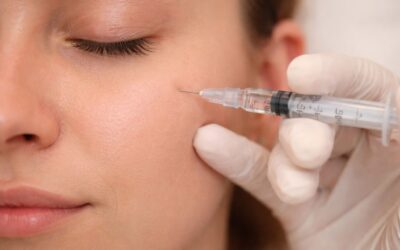
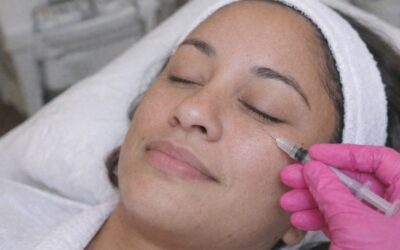
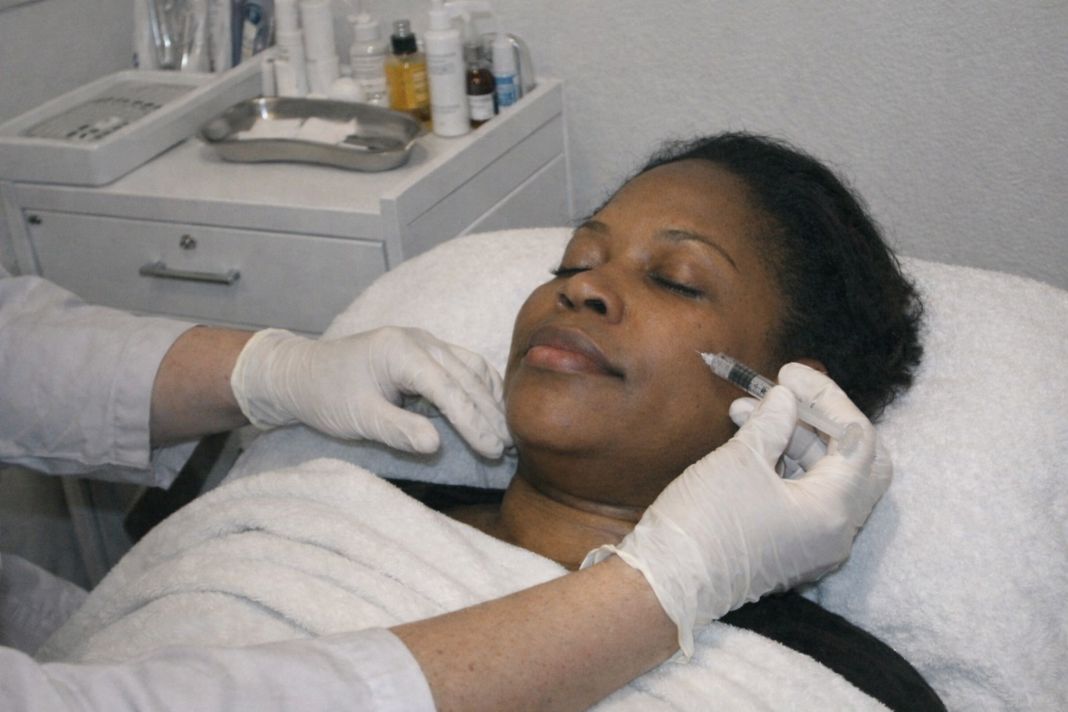
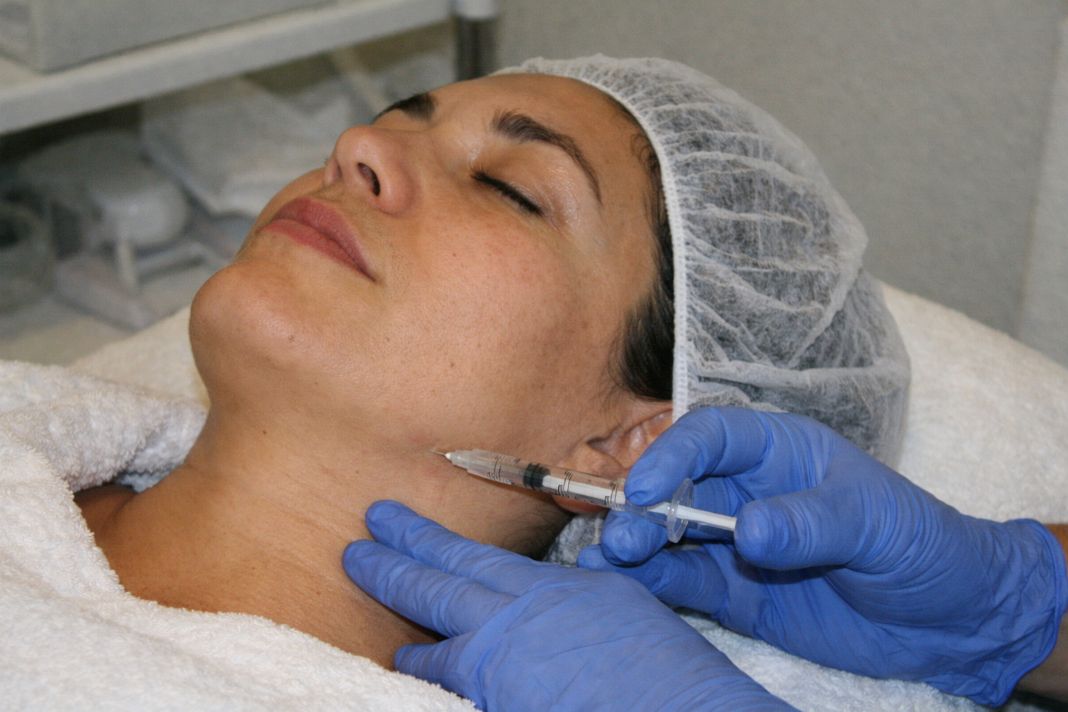
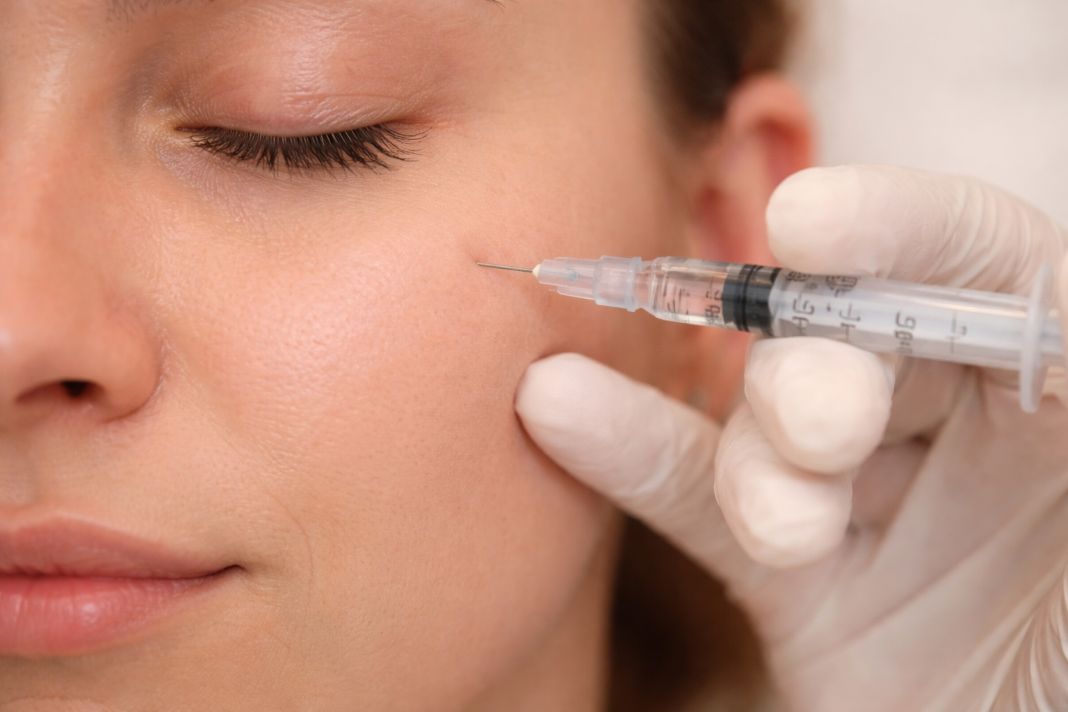
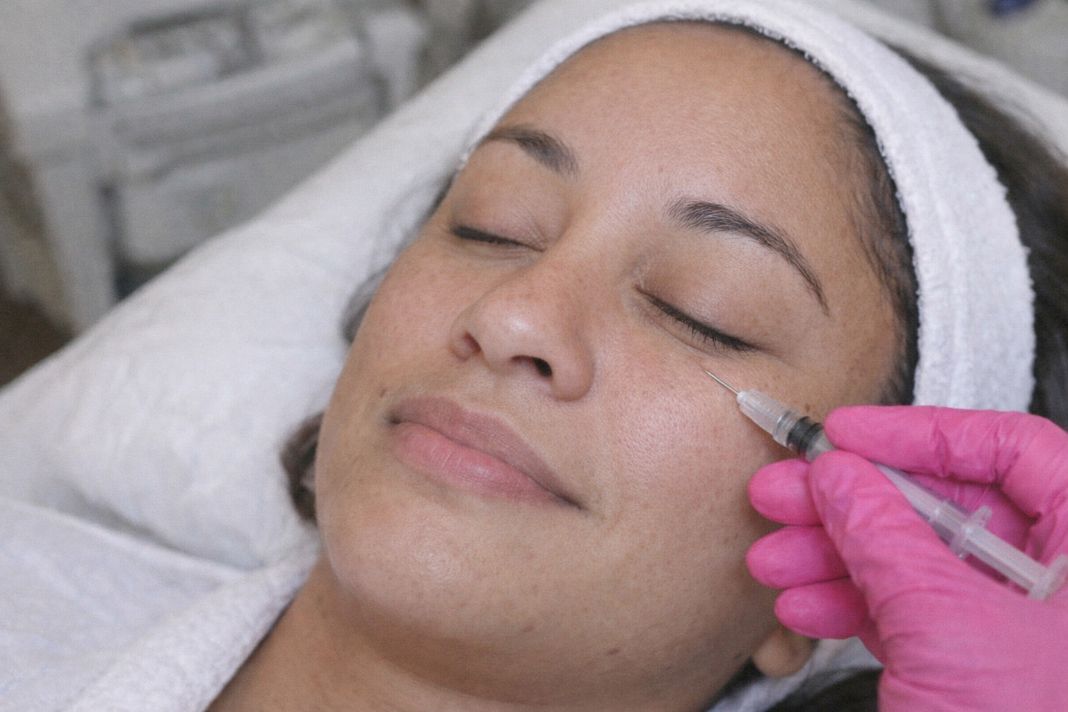
These treatments deliver nutrients and moisture directly into the skin. Options such as Juvelook, Rejuran Healer, and polynucleotide boosters improve hydration, repair, and resilience. By working at the dermal level, they support cellular renewal and hydration balance while enhancing the glow-from-within effect.
Having access to this range of options allows clinics to design a bespoke treatment protocol. This flexibility is essential for achieving real results when aiming for translucent skin with minimal inflammation and refined pore appearance.
Why traditional facials alone rarely deliver lasting glass skin
Facials can leave skin feeling clean and soft, but the effects tend to fade quickly. This is because they only treat the surface. Facials do not address collagen loss, barrier dysfunction, or deeper structural concerns.
Facials still have a role. They can help maintain hydration or soothe skin between more intensive procedures. However, for people aiming for a true glass skin result, targeted clinical skincare and deeper treatments are usually necessary.
Combining facials with regulated clinical skincare and medical treatments often produces better outcomes, provided the limitations of each method are understood.
What to look for in a London clinic offering glass skin treatments
If you are considering these treatments, look for a clinic that demonstrates professionalism and detailed planning. The following are important factors:
- Medical oversight: Practitioners should operate under Care Quality Commission (CQC) standards and hold relevant medical or aesthetic qualifications.
- Comprehensive consultations: You should receive a full skin review, including medical background, skin imaging, and a discussion of lifestyle habits.
- Variety of treatment tools: Clinics that offer lasers, RF technologies, injectables, and LED therapies have more flexibility to address individual needs.
- Ongoing planning: Look for clinics that monitor your progress and adjust your treatment plan based on results and goals.
These factors show that a clinic is focused on long-term outcomes through safe, structured care and consultation-led treatment protocols.
What a realistic glass skin treatment journey looks like
Achieving noticeable results takes time. Most clinics space treatments every four to six weeks. Some people may see smoother texture or reduced redness after a few sessions, but deeper improvements usually take longer.
After certain treatments, there might be temporary redness or mild flaking. These side effects are generally minor. Maintenance top-ups and a supportive clinical skincare routine can help preserve results.
Steady, phased improvement leads to skin that becomes calmer, better hydrated, and more even in tone, gradually producing the translucent skin look.
Pro Tip: Treatments work best when combined and spaced out over time. Quick fixes rarely deliver long-term results.

Where to start if you are exploring glass skin treatments in London
Start by booking a consultation that offers a complete overview of your skin condition. This should include diagnostic imaging, hydration analysis, and a personalised treatment plan.
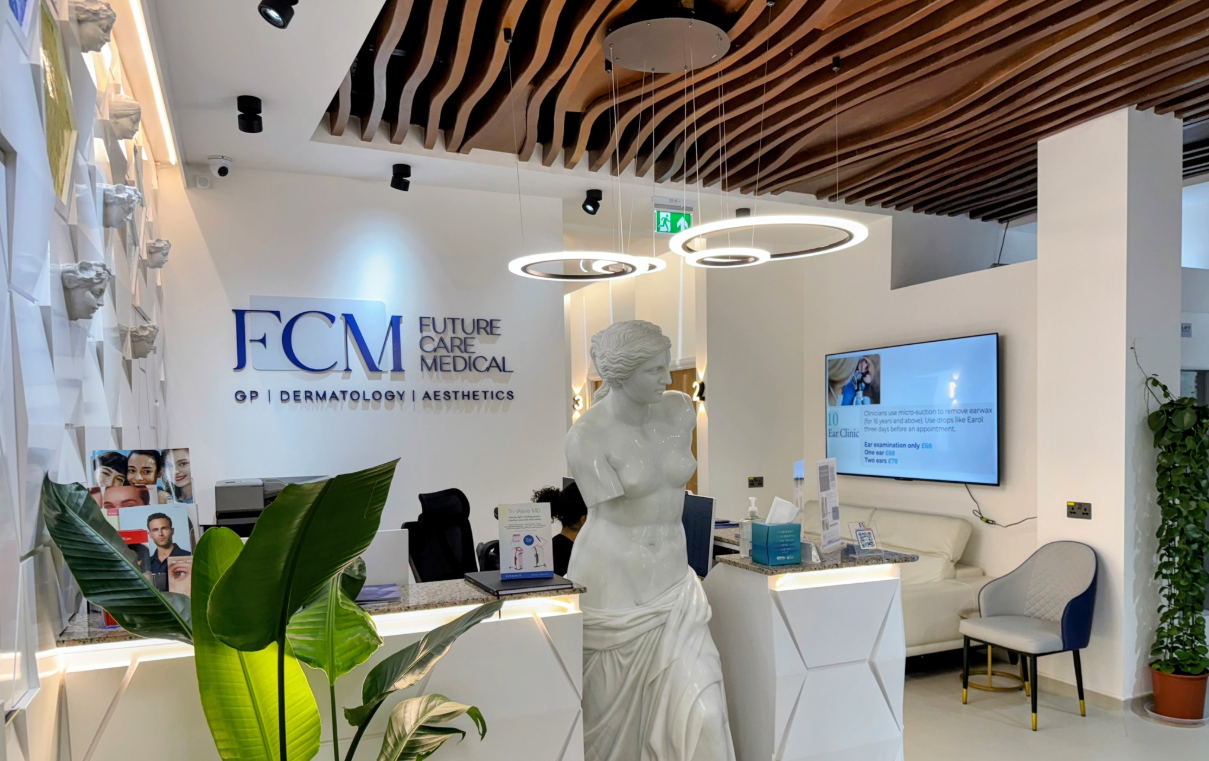
Clinics such as Future Care Medical offer medical-grade options including LED therapy, radiofrequency microneedling, and non-ablative laser treatments. These align with the medical glass skin approach and are designed to support dermal density, skin tone, and long-term hydration.
The most important factor is how these treatments are combined. A structured plan tailored to your skin’s biology produces lasting improvements in texture and tone, helping to create a natural, healthy glow from within.
Talk to a Specialist
Not sure where to start? Speak to a qualified skin specialist about the best options for your skin tone and goals.