What is the difference between a full-body skin check and a mole check in London?
A full-body skin check involves a detailed examination of your entire skin surface, from your scalp to the soles of your feet. A mole check focuses only on a specific mole or a small number of moles. Full-body checks aim to identify early changes across the skin. Mole checks are better for assessing a particular concern.
Here's What We Have Covered In This Article
Understanding Your Skin Check Options in London
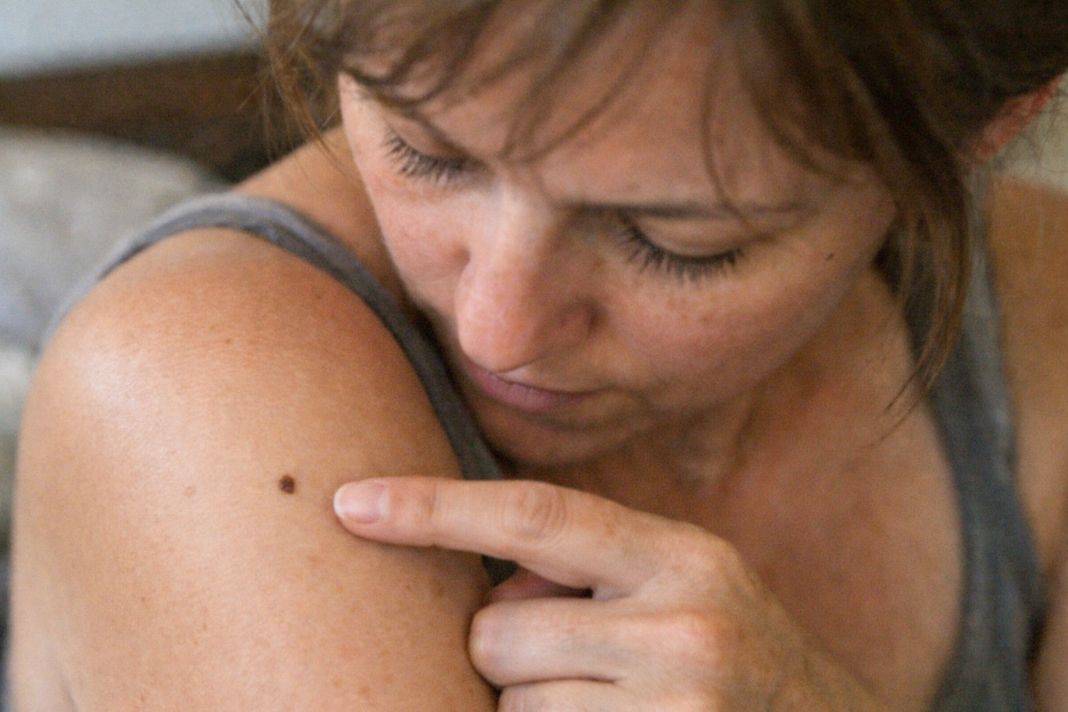
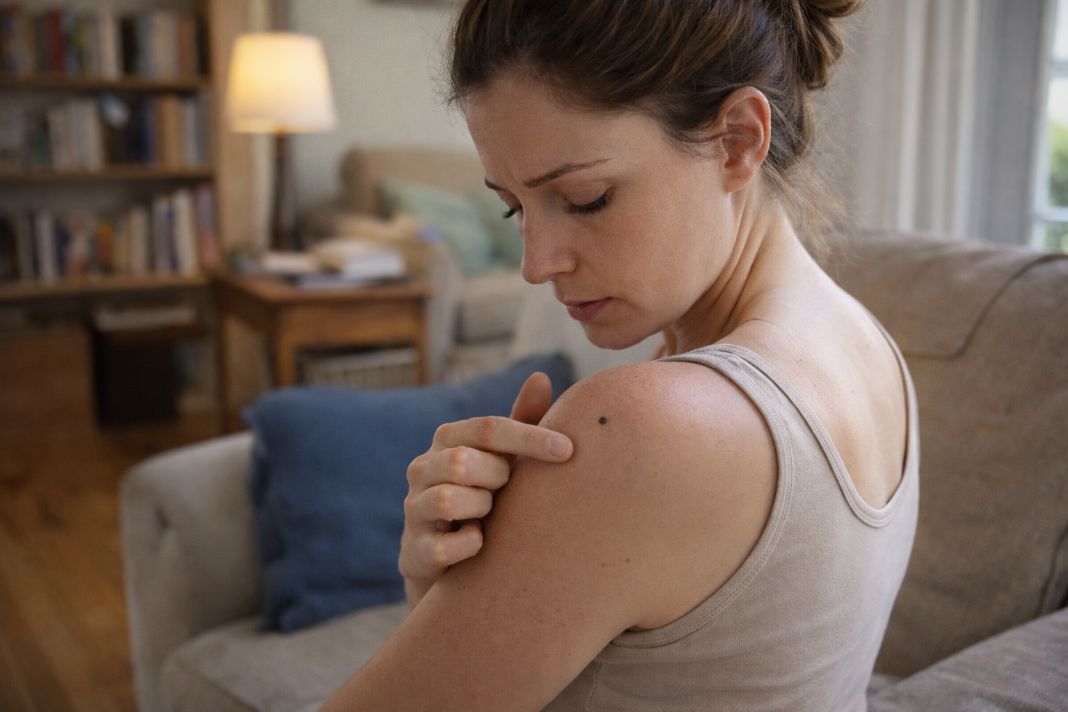
People often notice a mole or mark when getting dressed or looking in the mirror. This can raise a question: should I get this checked? Deciding whether to book a mole check or a full-body skin assessment can feel unclear.
Think of a mole check as inspecting one room in a house, while a full-body skin check covers every room. Both are useful depending on your needs.
As skin monitoring becomes better understood, many Londoners are choosing private skin screening London services for clearer, faster reassurance. This guide explains both options simply and helps you choose what suits your situation.
What a Full-Body Skin Check Actually Involves
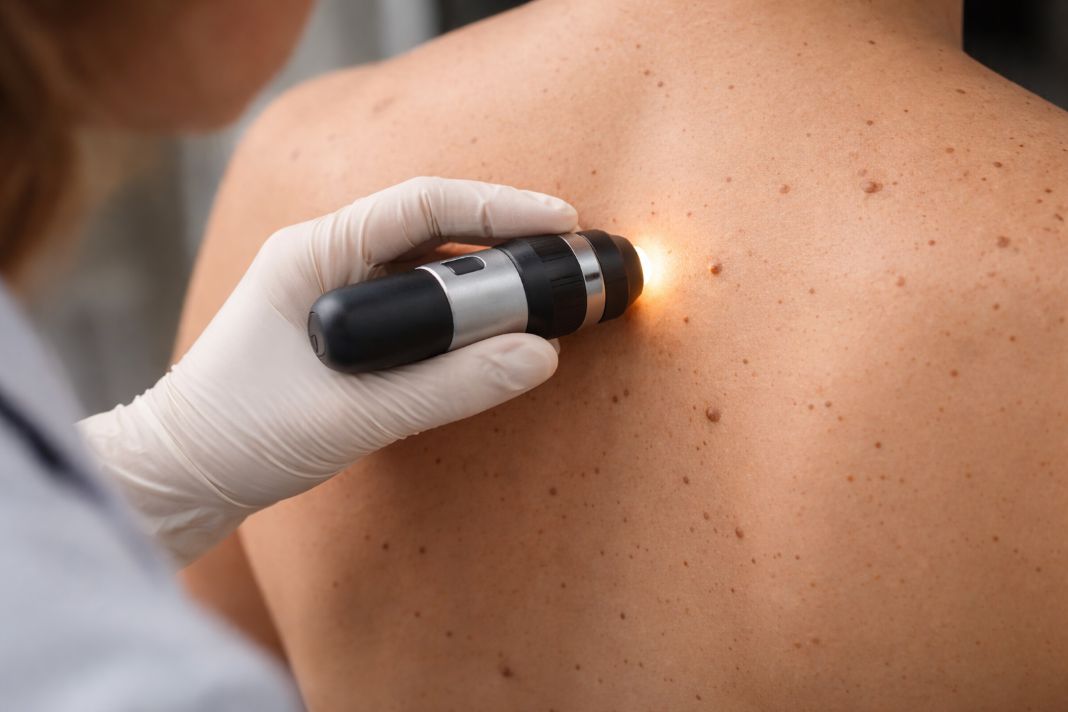
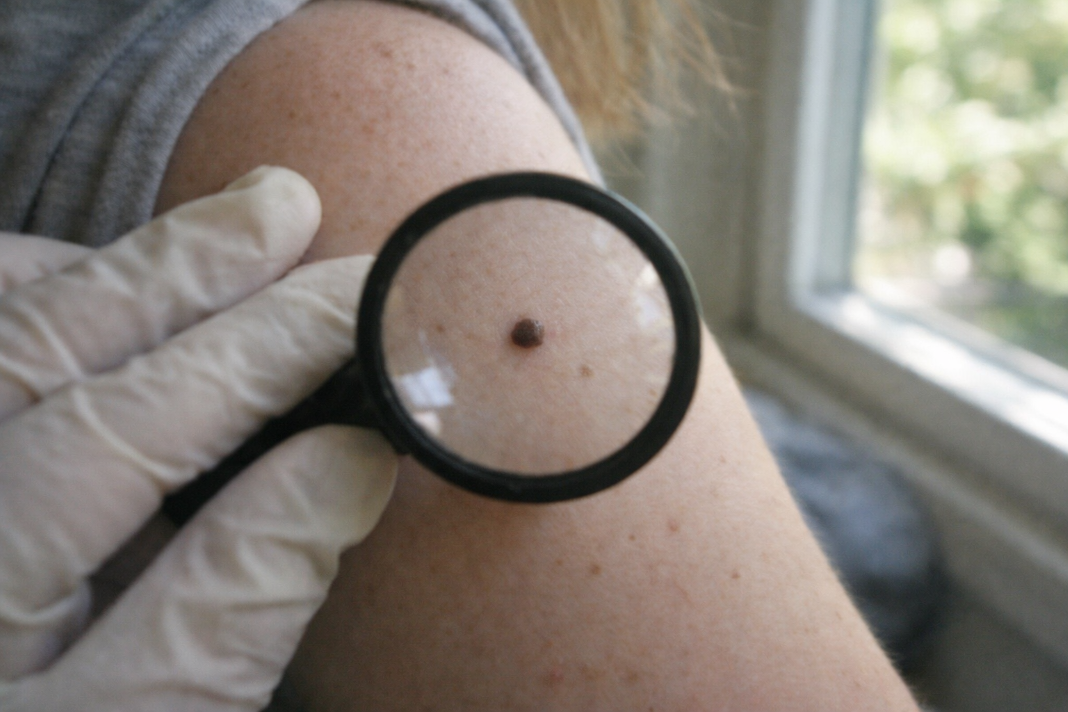
A full-body skin check is a structured clinical skin assessment. You are asked to undress to your underwear in a private space. The check is carried out by a trained clinician or GMC-registered doctor using a dermatoscope. This is a handheld magnifier with light used to inspect the skin’s surface.
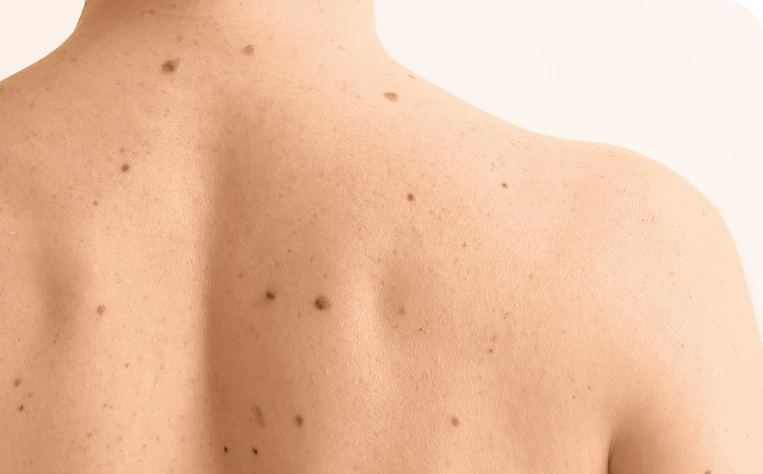
The examination covers all areas: scalp, face, arms, chest, back, legs, feet, hands, nails, and skin folds. The clinician follows a set order and allows time for a thorough review.
Dermoscopy allows deeper inspection of moles and lesions. It is non-invasive and painless. The process takes 20 to 30 minutes.
Clinics offering comprehensive skin checks in London follow British Association of Dermatologists guidelines. They are usually regulated by the Care Quality Commission (CQC). These appointments are often referred to as skin cancer screening London services, especially when used for routine monitoring.
Pro Tip: If you have many moles or fair skin, set a reminder to book a full-body check once a year.
Book Your Full-Body Skin Check Today
Get peace of mind with a thorough, private skin check at a trusted London clinic.
What a Mole Check Covers (and Where It Has Limits)
A mole check is a localised skin assessment. It focuses on one mole or a few. This option is usually chosen when someone notices a change in colour, shape, or texture.
The clinician performs a dermatoscopic review of the mole. The rest of the skin is not examined.
This option works for isolated moles but does not assess broader skin health. A mole check takes about 10 to 15 minutes.
Clinics offering private mole reviews in London follow NHS and BAD protocols. If you have many moles or a history of concerns, a full-body check may offer more reassurance. For more routine concerns, mole screening is a practical option.
Full-Body Skin Check vs Mole Check: The Key Differences Explained
Compare the two:
Coverage
- Mole check: One or a few moles
- Full-body check: All skin areas
Duration
- Mole check: 10 to 15 minutes
- Full-body check: 20 to 30 minutes
Purpose
- Mole check: Assess a specific mole
- Full-body check: Reassure and review broadly
Best suited for
- Mole check: A new or changing mole
- Full-body check: Multiple moles, risk factors, general concern
Both follow clinical examination standards common to London skin clinics. Those seeking skin cancer screening London services often benefit from full-body skin checks due to their wider coverage.
How Full-Body Skin Checks Are Typically Carried Out in London Clinics
London skin clinics follow a standard process. You book online or by phone. On arrival, you are welcomed into a calm, well-lit room. These clinics are CQC-regulated.
A clinician explains the process and answers your questions. You change in private. Modesty is maintained using coverings.
The clinician uses a dermatoscope and works from the scalp to the feet. All skin areas are reviewed.
These checks may be called full-body mole checks or comprehensive skin scans. The process remains the same. It is thorough, calm, and respectful.
How to Decide Which Type of Skin Check You Need
Ask yourself:
- Is just one mole a concern?
- Do you have many moles or fair skin?
- Are you after general reassurance or a specific review?
- Has anyone in your family had skin cancer?
- Have you had skin checks before?
Skin type matters too. The Fitzpatrick system classifies skin from Type I (very fair) to Type VI (deeply pigmented). Fairer skin usually needs more frequent monitoring.
If you are unsure, consider your overall risk. A full-body skin scan may offer more peace of mind. If one mole concerns you, a mole examination could be enough.
Pro Tip: Avoid makeup, moisturiser, or fake tan before your appointment to ensure the clearest results.

A Simple Checklist for Choosing a Trustworthy Skin-Check Clinic in London
- CQC Registration – Make sure the clinic is registered
- Transparent Costs – Prices should be listed before booking
- Dermoscopy Used – Confirm this tool is part of the check
- Qualified Staff – Check for GMC-registered doctors or trained clinicians
- Modesty Protocols – Ask how privacy is maintained
These checks help ensure a reliable private skin screening experience.
How to Prepare for Your Appointment (What to Expect on the Day)
Before your check:
- Wear loose, easy-to-remove clothes
- Skip fake tan, moisturiser, or makeup
- You will undress to your underwear. Privacy is given.
- Answer simple questions about your skin or medical history
After the check, you receive verbal feedback. If needed, you get clear next steps. Skin check appointments are respectful and structured.
FAQs About Skin Checks, Mole Checks, and Booking in London
- Do I undress completely? No. Only to your underwear. Privacy is protected.
- Is the scalp included? Yes. Scalp, nails, and other hard-to-see areas are checked.
- How long does each appointment take? Mole checks: 10–15 minutes. Full-body: 20–30 minutes.
- Is anything removed during the check? No. It is a visual assessment only. Removal is arranged separately if needed.
- How often should I get checked? If you have fair skin, many moles, or family history, annual checks can help. Ask the clinic if unsure.
Future Care Medical Clinic is one of several CQC-registered London providers offering skin checks with dermoscopy.
See Why Londoners Trust Our Skin Screening
Discover how our CQC-registered clinic combines care and clarity for every skin concern.