How do I know if my skin concern is urgent, and how do I find a trustworthy dermatologist in London?
If you’ve noticed a new spot, a mole that’s changed, or something that just doesn’t feel right on your skin, it’s understandable to feel unsure. This guide explains how to assess whether it needs urgent attention, where to find help in London, and what to expect when seeing a private dermatologist.
It covers how to recognise warning signs, understand clinic offerings, prepare for appointments, compare pricing, and avoid unsafe providers. You’ll also learn how techniques like mole mapping and dermatoscopy work, how to verify dermatologist credentials, and what to expect from a skin cancer screening in London.
Here's What We Have Covered In This Article
Triage: Is this urgent?
The Red / Amber / Green system for skin concerns
Red: Needs same-day or next-day care
-
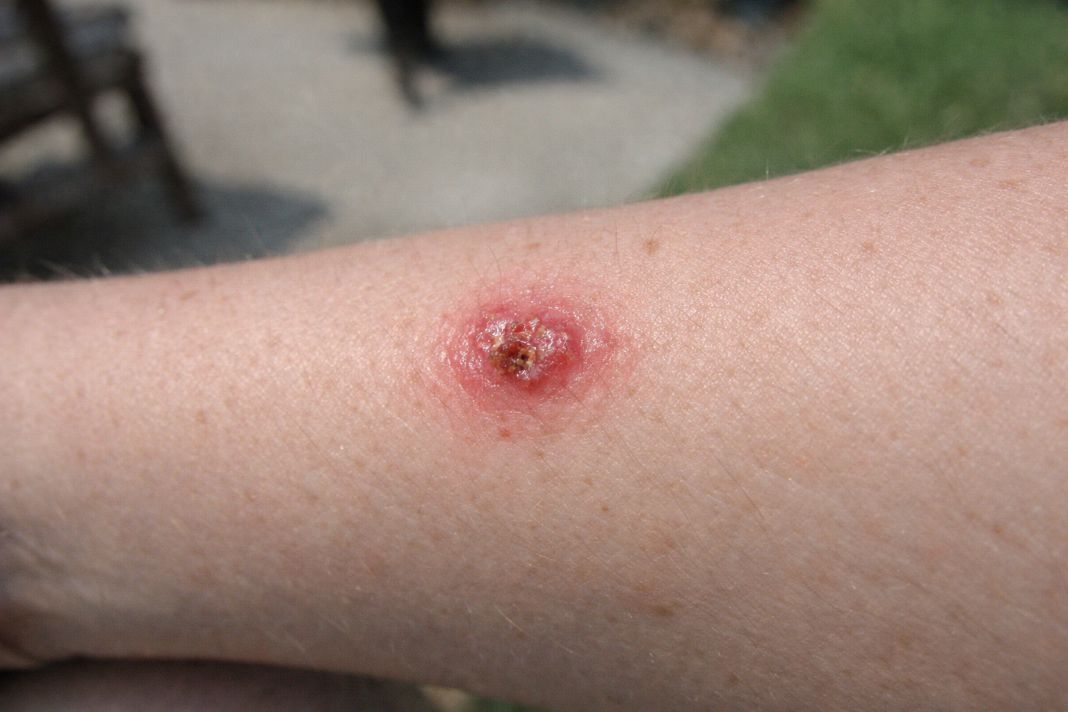
A lesion that bleeds or oozes
-
A mole that grows rapidly
-
New dark, blue, or mixed colours
-
Irregular or jagged borders
Example: If a mole becomes raised and starts bleeding, call NHS 111, visit A and E if severe, or arrange a private consultation immediately.
Amber: Book a GP or teledermatology appointment soon
-
Itching or crusting without sudden changes
-
Gradual growth or subtle shape change
-
A new growth that is evenly coloured
Example: If you notice a pink bump growing slowly over several months, book an appointment with your GP or a private dermatologist within the week.
Green: Safe to monitor
-
Flat moles with an even shape and colour
-
No noticeable change for six months or more
Example: If you have a mole that hasn’t changed and doesn’t itch or bleed, take a photograph and check it monthly.
Refer to the ABCDE guide:
-
Asymmetry: One side looks different from the other
-
Border: Uneven or blurry edges
-
Colour: More than one shade or an unusual tone
-
Diameter: Larger than 6 millimetres
-
Evolving: Any recent change in appearance
If you are uncertain, booking a consultation can offer reassurance.
Pro Tip: Take a clear photo of your mole before your appointment to help your dermatologist assess changes over time.
Book Your Mole Check Today
Worried about a changing mole or skin spot? Get seen quickly by a GMC-registered Consultant Dermatologist in London.
Mole mapping vs dermoscopy: what’s the difference?
Mole mapping and dermoscopy are both used to examine moles, but they serve different purposes.
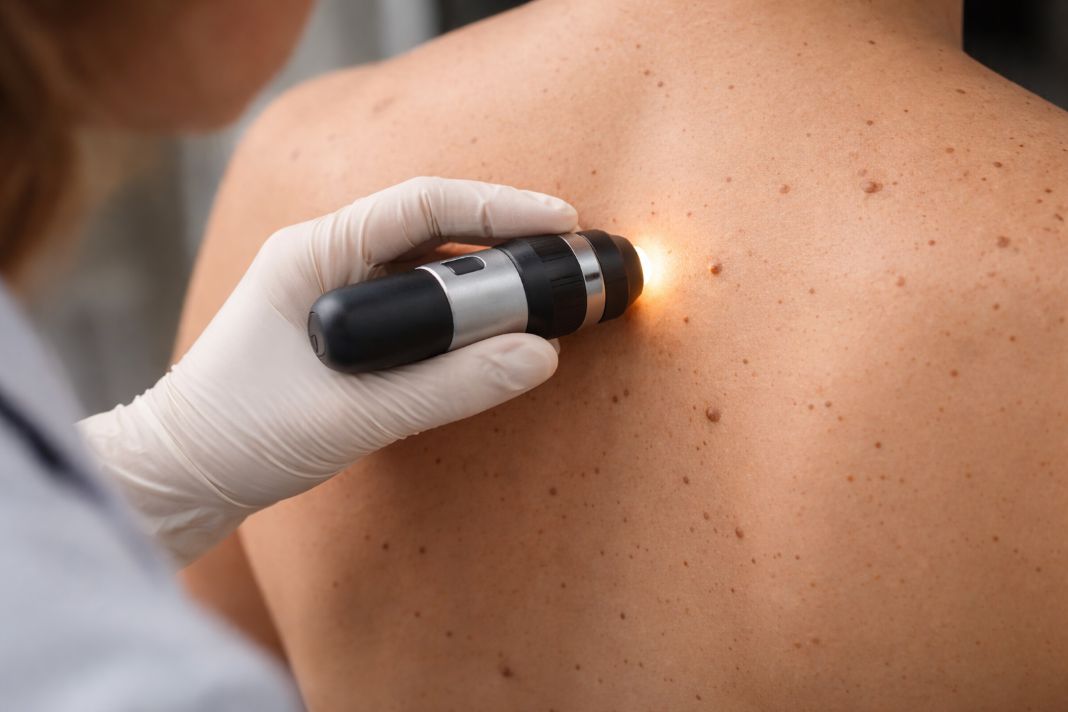
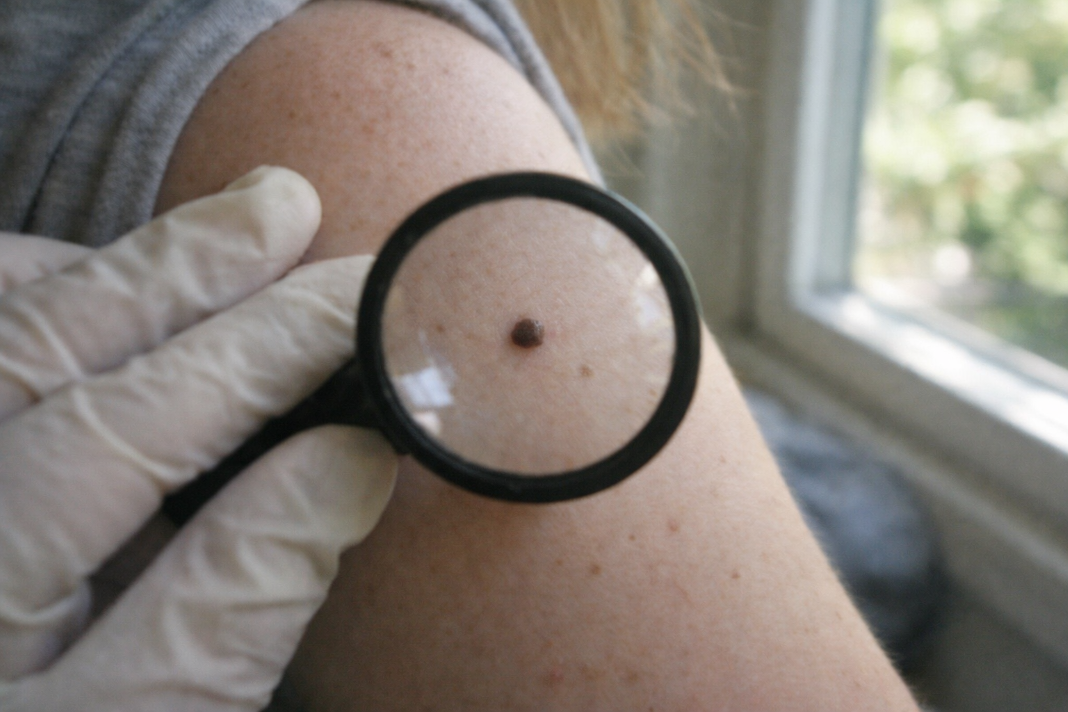
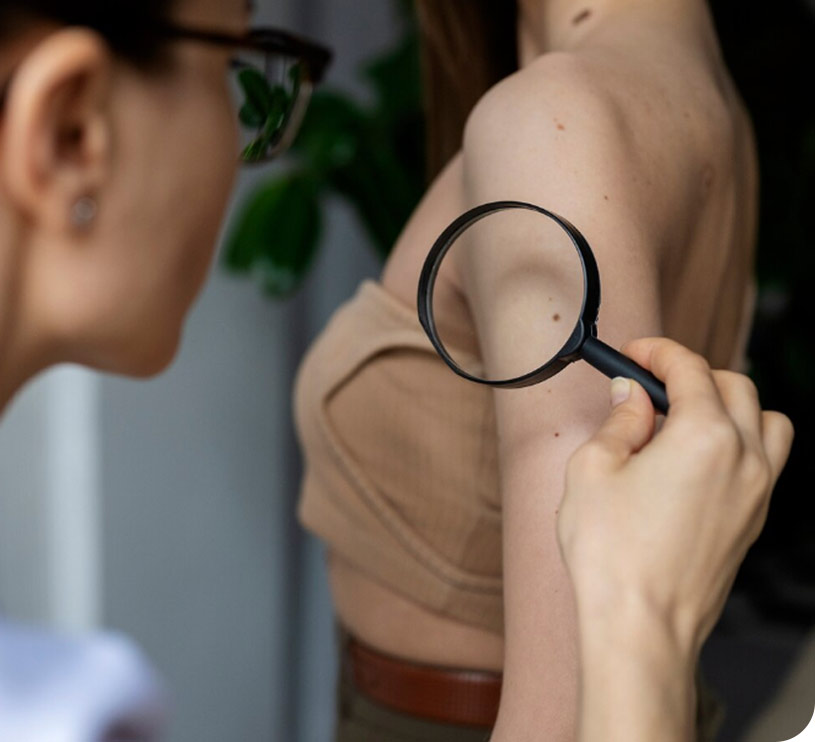
Dermoscopy takes place during a consultation. A dermatoscope – a magnifying tool with a light – allows close examination of one or several moles. It helps detect features that are not visible to the naked eye.
Mole mapping involves taking full-body photographs to monitor mole changes over time. This technique is particularly useful for people with many moles or a family history of skin cancer.
Dermatologists often use both techniques to complete a thorough skin check.
The 6-point booking checklist: What to check before you book
-
Are they a Consultant Dermatologist listed with the GMC?
-
Ask directly: “Are you registered with the General Medical Council as a consultant dermatologist?”
-
-
Are they a member of the British Association of Dermatologists?
-
Look for this information on the clinic’s website or confirm it when booking.
-
-
What diagnostic tools are available?
-
Confirm whether they offer dermoscopy, mole mapping, biopsies, and full-body skin cancer screening.
-
-
Is the pricing clearly explained?
-
Ask about consultation fees, skin check costs, and their cancellation terms in advance.
-
-
How quickly can they offer an appointment?
-
Leading clinics in London typically provide appointments within a few working days.
-
-
Are the reviews genuine and specific?
-
Look for detailed patient feedback about service quality and care.
-
Pro Tip: Always ask if your dermatologist is on the GMC register and confirm whether they provide histology with mole removals.
What happens at your dermatology appointment?
Before the appointment
- Arrive 10 minutes early and bring photographic identification.
- Take a clear photo of your mole or lesion before the visit to track visible changes.
During the consultation
- The dermatologist will take a medical history and examine the area of concern.
- A dermatoscope may be used to inspect moles or lesions more closely.
- For full-body checks, you might be asked to change into a gown to allow a comprehensive review.
What might happen next
- Biopsy: The doctor may remove a small sample for further analysis.
- Mole Mapping: If you are at high risk, full-body mole mapping may be suggested.
- Minor Procedure: Skin lesion removal could be arranged after a separate minor ops consultation.
- Results: Histology reports are usually returned within 7 to 14 days.
Need a Full Skin Cancer Screening?
If you have multiple moles or a family history of skin cancer a full-body mole map could give you peace of mind.
Red flags to avoid: Warning signs of an unsafe provider
- The clinician is not GMC registered
- Always check credentials using the GMC register.
- They offer prescriptions without an in-person exam
- Prescriptions should only be issued after proper clinical review.
- The appointment seems focused on sales rather than health
- Qualified dermatologists focus on diagnosis and appropriate treatment.
- No guidance on what happens next
- Clinics should provide a clear follow-up plan and explain how results will be delivered.
- They recommend same-day removal without proper review
- Skin lesion removal should follow an initial assessment through a minor ops consultation.
If something seems unclear or concerning, do not hesitate to ask further questions or seek care elsewhere.
Skin cancer risk in men vs women
Melanoma tends to appear in different places depending on gender.
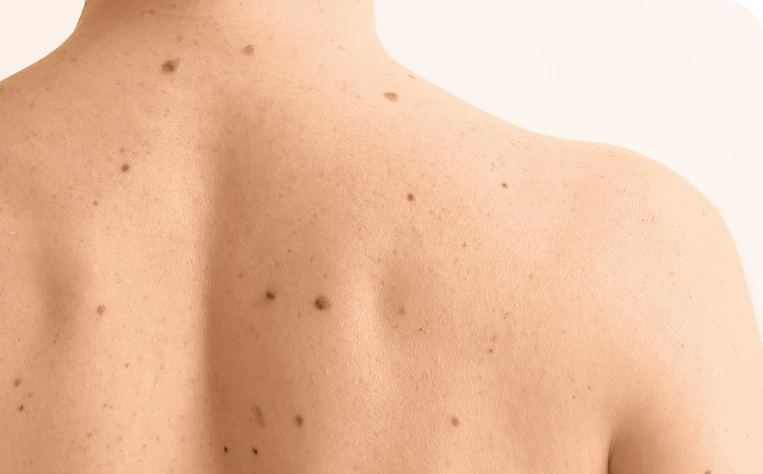
- Men often develop melanomas on the back, chest, or scalp. These areas are harder to spot without assistance.
- Women more frequently develop melanomas on the lower legs.
Everyone should consider a full-body skin check appointment to identify issues early, especially if they have several moles or other risk factors.
Glossary: Quick definitions for common terms
- Dermatoscope: A handheld magnifier with a light, used to inspect skin lesions.
- Dermoscopy: A diagnostic method that uses a dermatoscope for closer skin examination.
- Mole Mapping: Digital photography of the body used to track mole changes over time.
- Biopsy: The removal of a small piece of skin tissue for lab analysis.
- Histopathology: The microscopic examination of tissue samples to check for disease.
- Consultant Dermatologist: A fully trained skin specialist registered with the GMC.
- Aesthetician: A non-medical beauty specialist not qualified to diagnose or treat skin conditions.
FAQ: What people are asking
- How urgent is a mole that’s changed colour?
- If it looks darker or uneven in colour, it is best to arrange a consultation as soon as possible.
- Can a private dermatologist remove a mole on the same day?
- In some cases, yes. However, most clinics will first require a review appointment or minor ops consultation.
- What’s the difference between a dermatologist and an aesthetician?
- Dermatologists are trained medical doctors. Aestheticians are not qualified to diagnose or treat medical skin issues.
- How long do biopsy results take?
- Results are usually returned within one to two weeks following histopathology.
- Will mole removal leave a scar?
- Some scarring may occur. Your dermatologist will explain what to expect and how to care for the area afterward.
What to do next
- Take a clear photo of your mole or lesion and note when you first observed changes.
- Compare your symptoms with the triage guide above to understand the level of urgency.
- Decide whether to call NHS 111 or book privately depending on your situation.
- Prepare a list of medications and allergies before your appointment.
- Arrive early and bring a valid form of identification.
Booking with Future Care Medical
To book a skin check appointment or see a Consultant Dermatologist in London:
- Phone: 0207 3626188
- Email: info@futurecaremedical.com
- Website: www.futurecaremedical.com
Appointments are available Monday to Friday, 8:00 AM to 7:30 PM.