Does cryotherapy really work for treating warts, skin tags and age spots?
Cryotherapy is a targeted skin freezing treatment used to remove warts, skin tags and age spots. It works by applying liquid nitrogen directly to the affected tissue, freezing it rapidly and breaking down the cells. This method is popular in UK dermatology because it is quick, localised and requires little or no recovery time.
Here's What We Have Covered In This Article
How does cryotherapy actually work on the skin?
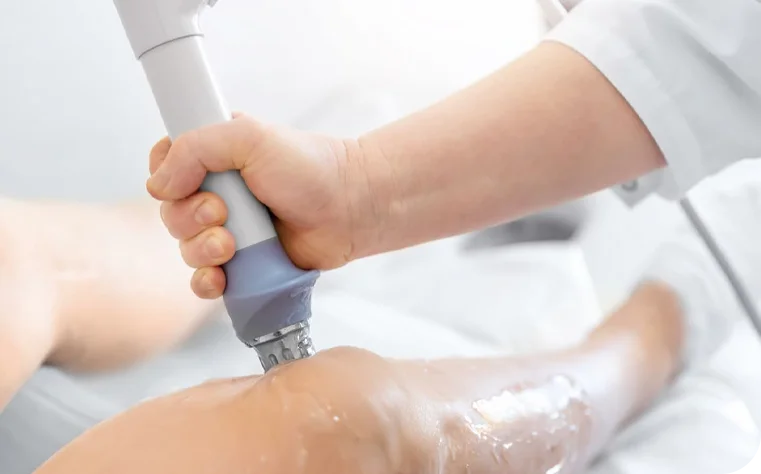
Clinics use cryogenic liquid nitrogen to lower skin temperature in seconds. The cold forms ice crystals inside the cells, breaking their walls and prompting a controlled healing response. The body naturally sheds the damaged tissue as healthy skin regenerates underneath.
Devices like CryoPen and CryoProbe make application more precise. Guidelines from the NHS and British Association of Dermatologists support its use in safe clinical settings. Each session is brief and targets individual lesions with minimal impact on surrounding skin.
Pro Tip: For best healing, let the area scab naturally and avoid picking or exfoliating for at least two weeks.
Book a Cryotherapy Consultation
Let a qualified clinician assess your skin and recommend the right treatment.
Which skin conditions does cryotherapy treat best?
This treatment works best for:
Common and plantar warts linked to the human papillomavirus (HPV) Soft, benign skin tags found on the neck, underarms and groin Flat, pigmented age spots caused by sun damage (lentigines)
Before any freezing, the lesion should be checked especially if it’s changing shape or colour. NICE guidelines recommend a biopsy if there’s any uncertainty. Areas like hands, feet and limbs respond well, but sensitive zones such as the face may need other methods.
How effective is cryotherapy for wart removal?
Cryotherapy can successfully break down wart tissue by lowering viral load and prompting an immune reaction. Thicker and longstanding warts often need several treatments a few weeks apart. Plantar warts on the soles of feet can take longer due to pressure, depth and callused skin layers.
Clinical data shows that success rates range between 60 and 70 percent. Some warts, particularly those with tough outer layers, may require multiple freeze-thaw cycles and blistering phases to fully expel the wart core. Warts sometimes return if root tissue isn’t destroyed, but cryotherapy remains a trusted treatment.
Is freezing the best way to remove skin tags?
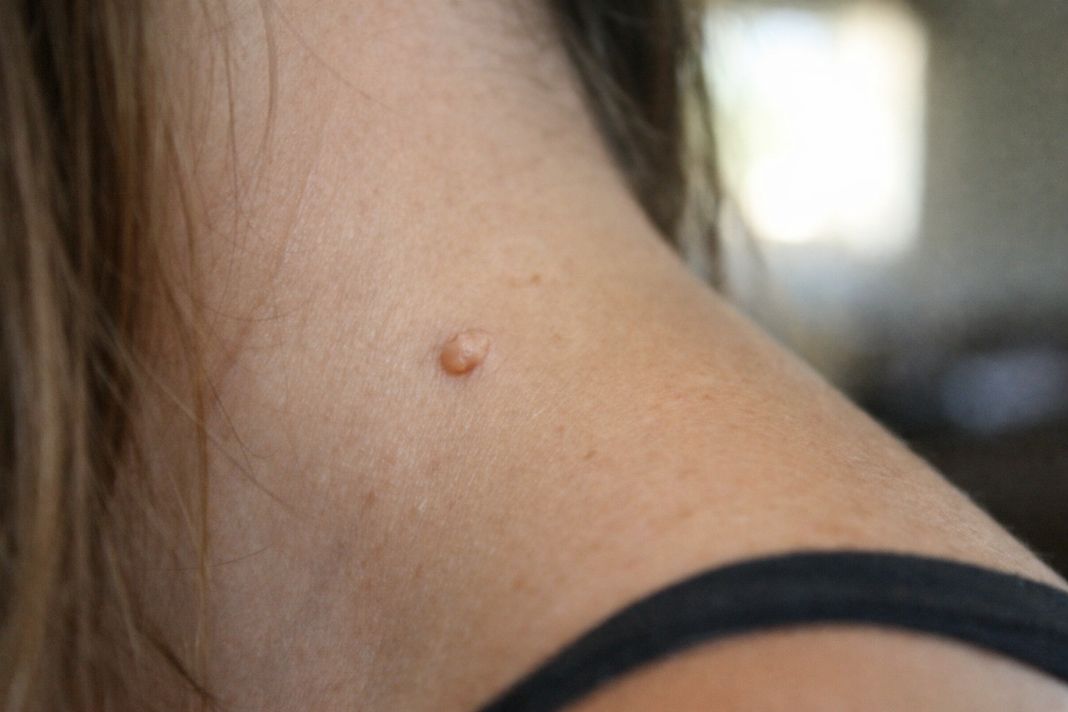
Freezing is effective for small skin tags, especially in less visible places. It doesn’t involve cutting and causes little disruption to daily activities. For larger or facial tags, clinics may recommend snipping instead for cleaner results.
The freezing sensation stings briefly. Some people experience redness or blistering. Temporary pigmentation changes are possible, especially for darker skin types. Cryotherapy suits soft tissue lesions found in friction points such as the neck or underarms. On the NHS, removal is rarely available unless there’s a medical need. Private clinics can usually provide treatment during the same visit.
Can cryotherapy fade sun damage and age spots?
Cryotherapy helps reduce the look of some age spots by breaking down pigment in the skin’s upper layer. As the area heals, the pigment flakes away and new skin appears more even.
It’s not ideal for all spots. Raised, dark or unevenly shaped areas need checking first to rule out more serious conditions such as seborrhoeic keratoses. Cryotherapy is faster and cheaper than laser, though laser may be better for deep or widespread pigmentation.
Your skin type also plays a role. Darker skin may be more prone to uneven pigmentation after treatment. The Fitzpatrick scale is used to help predict healing outcomes based on melanin disruption risk.
Compare options: Cryotherapy: Quicker, more affordable, effective for flat superficial lesions Laser therapy: Greater precision, higher cost, better for mixed pigmentation
What does cryotherapy feel like and how long does healing take?
The treatment feels cold and sharp for a few seconds. Afterwards, the area may turn red and swell slightly. Blisters or scabs form during healing, which usually takes two to three weeks.
Healing stages: Days 12: Redness and mild soreness Days 35: A blister or crust forms Days 610: The scab begins to dry and loosen Days 1121: New skin grows in
Let the area heal naturally. Avoid picking at it. Use gentle cleansing and protect it from the sun until the skin has fully recovered.
What is the consultation process before cryotherapy?
Before starting cryotherapy, patients attend a consultation. The dermatologist examines the lesion using a dermatoscope, checks your medical history and talks through the treatment and aftercare. If there are concerns about the lesion, they may suggest a biopsy first.
Clinics follow dermatology triage protocols to determine cryotherapy eligibility. This helps prevent lesion misdiagnosis and ensures that deeper or suspicious growths receive appropriate referral before treatment.
Prices at Future Care Medical: Dermatologist Consultation: £310 Cryotherapy up to 3 areas: £180 Cryotherapy 4 to 6 areas: £250 Medical Dermatology Follow Up: £230 Minor Ops Consultation: £180
This assessment ensures treatment is safe, suitable and aligned with your expectations.
What are the confidence benefits of removing visible skin blemishes?
Removing visible warts, tags or age spots can make people feel more at ease in social and professional settings. Many people feel cleaner, more confident and less self-conscious once a blemish is gone.
While some skin conditions are harmless, their appearance can have a noticeable emotional impact. Treatment often boosts self-esteem and supports overall wellbeing.
Are home cryotherapy kits a good alternative to clinic treatments?
Home kits use substances like dimethyl ether or propane, which don’t get as cold as liquid nitrogen. This makes them less effective especially on deeper or older lesions.
Key differences: Home kits don’t freeze as deeply Application is less accurate with pressurised applicators Results are inconsistent due to shallow freeze depth There’s no clinical guidance or follow up
They can sometimes help with small lesions but often fail to destroy root tissue completely. For anything persistent or pigmented, clinic cryotherapy is the safer option.
Who should avoid cryotherapy altogether?
Some people need to be cautious with cryotherapy. You should check with a clinician if you:
Have Raynaud’s disease or circulation issues Have diabetes and slow healing skin Are pregnant Have dark skin and are concerned about discolouration Are unsure what the lesion is
Any lesion that bleeds, changes or grows rapidly should be reviewed by a GP or dermatologist before freezing.
How do I know if cryotherapy is the right option?
Ask yourself:
Has a qualified professional confirmed the lesion is harmless? Is it in a place that’s easy to monitor during healing? Have other methods not worked? Are you comfortable with some redness or scabbing? Can you care for the skin while it heals?
If yes to most of these, cryotherapy may be a suitable choice. A cryotherapy consultation will confirm this.
What are the basic skincare tips after cryotherapy?
After treatment: Keep the area clean and dry Don’t pick at scabs or blisters Apply a plain, fragrance-free moisturiser after the scab has lifted Avoid exfoliants, sunbeds or harsh products Use sunscreen until the skin has fully healed
Following these steps supports even healing and reduces the chance of marks.
When should you seek follow up or medical advice?
Contact a clinician if: The area becomes redder, hot or swollen There is pus, or an unpleasant smell Pain increases instead of easing Bleeding or oozing continues after two days
These may be signs of infection or delayed healing and should be checked quickly.
Is cryotherapy worth it?
Cryotherapy is widely used across the UK for minor skin concerns. It’s fast, non-surgical and generally affordable. While outcomes vary, many people are happy with the results especially for warts, skin tags and mild sun damage.
It’s important to have the area assessed properly and understand what the treatment involves. With good aftercare and clinical guidance, cryotherapy is a safe and effective option for many people.
Pro Tip: Always check the lesion with a professional before freezing, especially if it has changed shape or colour.