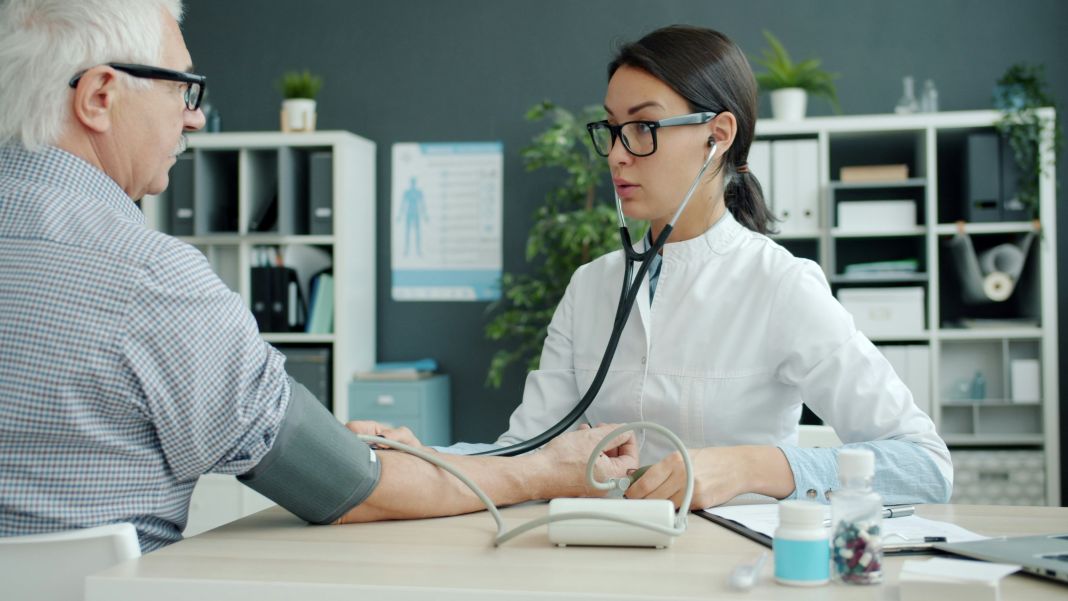
What should London employers include in a corporate health screening checklist?
London employers arranging health screenings for staff should ensure they include a balanced combination of wellbeing assessments, biometric evaluations, and key diagnostic tools such as blood tests. Each component contributes to a healthier, more resilient workforce while meeting employer duty of care obligations and compliance with UK health standards. For the most effective results, workplace medical screening should be tailored to the needs of the team.
Here's What We Have Covered In This Article
What London Employers Should Know Before Booking a Corporate Health Screening
Setting up corporate health checks is comparable to preparing a workspace for new employees. Effective planning improves the experience for everyone. For businesses in London, understanding each stage of the process helps reduce uncertainty and builds staff trust.
Health screenings support both wellbeing and long-term productivity. These screenings are tailored to workplace conditions, unlike personal checks. Employers should communicate clearly that these checks are designed to support staff. A calm, respectful explanation, along with strong reassurances about medical confidentiality, encourages more willing participation.
Choosing a reputable London-based private clinic such as Future Care Medical sets the tone for professionalism. Employers should also consider how screenings will fit with hybrid working patterns, shift coverage, and team availability. Planning logistics early helps avoid scheduling issues. Partnering with a screening provider experienced in London workplace health ensures local logistics are considered.
Pro Tip: Always clarify if your team needs health surveillance or voluntary screening to avoid legal confusion.
Book a Corporate Health Check Today
Show your staff you care with workplace screenings that make a real difference.
The Difference Between Health Screening and Health Surveillance (And Why It Matters)
Many employers mix up health screening with health surveillance, but the two are distinct. Health screening is voluntary and aims to enhance employee wellbeing. Health surveillance is required under the Health and Safety at Work Act for employees exposed to workplace hazards.
Surveillance applies to roles with higher health risks, such as those involving chemicals, loud environments, or overnight work. Employers are legally responsible for identifying when surveillance is necessary, based on thorough risk assessment and employee exposure. Screening supports prevention and general health.
Understanding this difference helps avoid confusion and ensures regulatory compliance. Occupational health advisors can guide employers through this decision-making process and clarify specific employer responsibilities.

Checklist 1: Lifestyle and Medical History Review
All screenings should begin with a lifestyle and medical history assessment. This provides vital context for interpreting physical health data.
A confidential pre-screening questionnaire typically gathers information on family history, current symptoms, personal health behaviours, and known risks. Clinicians use this information to tailor further assessments and flag potential long-term health concerns.
Employers should emphasise that responses are confidential, reviewed only by medical professionals, and essential for personalised care.
Checklist 2: Wellbeing and Stress Assessment
Wellbeing assessments explore the emotional and mental side of staff health, rather than focusing solely on measurable indicators.
Topics may include fatigue levels, stress management, mood, and how employees balance work and personal life. These reviews can reveal issues like burnout risk or poor resilience before they escalate.
Language should remain non-clinical and inclusive. These assessments help foster trust and support the development of healthier workplace cultures.
Pro Tip: Communicate screening steps in advance to improve employee trust and participation.

Checklist 3: Biometric Checks (Blood Pressure, BMI, Measurements)
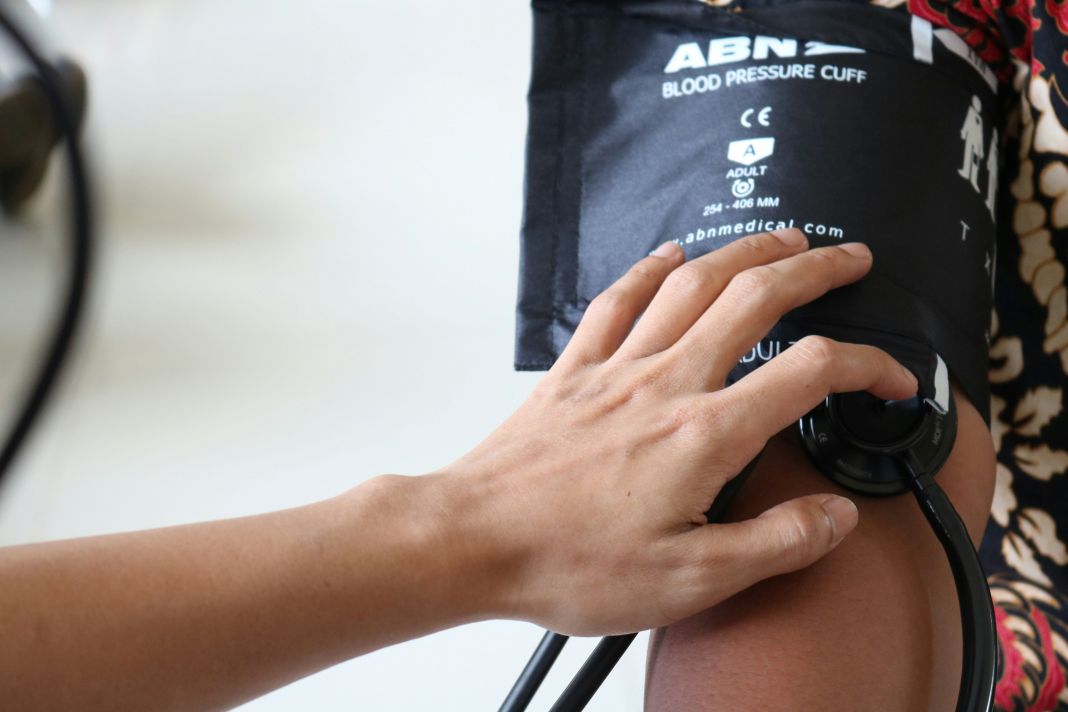
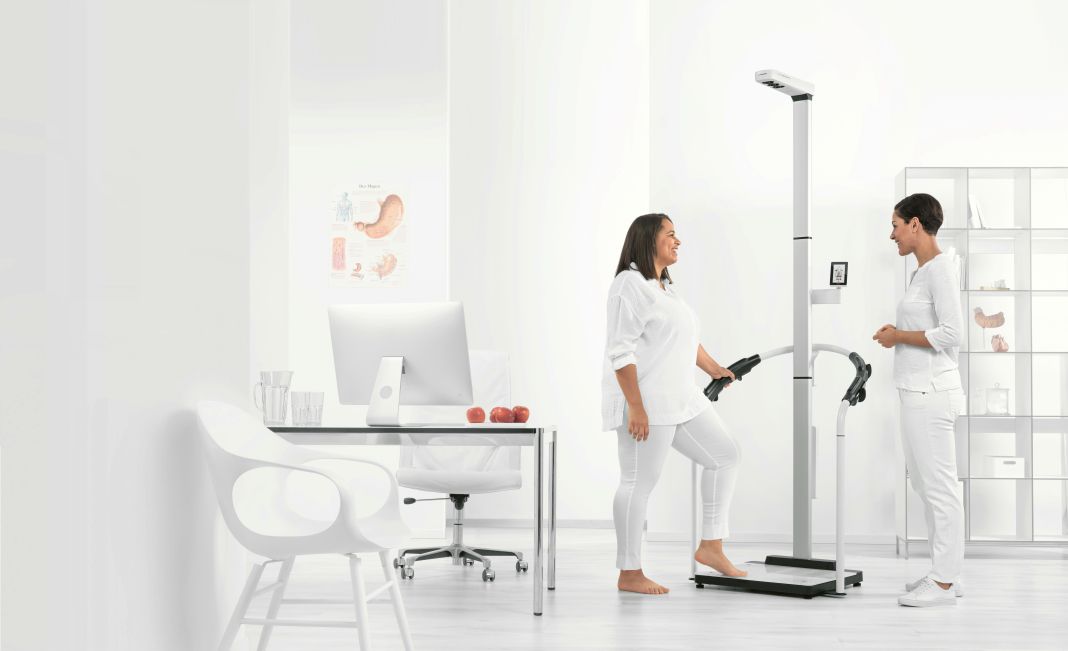
Biometric checks provide snapshot indicators of key health metrics. They are fast, minimally invasive, and informative.
Standard readings include blood pressure, BMI, waist circumference, and resting heart rate. These clinical measurements help flag potential cardiovascular or metabolic concerns early on.
Staff should view biometrics as tools for awareness. They are not diagnostic but help indicate where support or monitoring may be needed. Tracking vital signs regularly can help prevent larger issues from developing.
Checklist 4: Core Blood Tests for General Health
Core blood tests are a cornerstone of most corporate health screenings. They provide insight into how the body is functioning on a deeper level.
Typical tests include a Full Blood Count (FBC), liver function panel, renal panel, and an electrolyte profile. These tests help detect inflammation, infections, or signs of fatigue that may not yet be visible.
Results inform decisions around ongoing care or lifestyle adjustments. They also provide a diagnostic foundation if further investigation is needed.
Keep Your Staff Protected and Informed
From GDPR to health surveillance, we help employers stay on the right side of regulations.