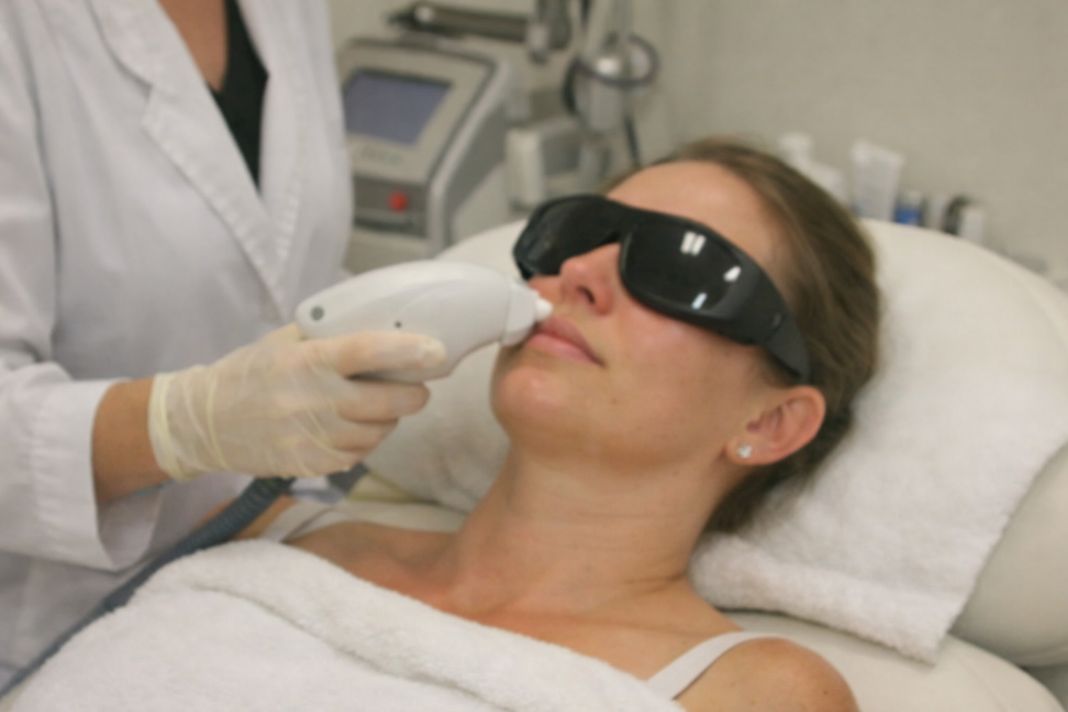
Does choosing advanced aesthetic technology guarantee better results for patients?
Advanced aesthetic technology can offer improved precision and broader treatment options, but better results depend on a combination of factors including clinical oversight, practitioner expertise and individual patient characteristics. Effective outcomes are rarely determined by technology alone.
Here's What We Have Covered In This Article
Understanding Advanced Aesthetic Technology
The term “advanced aesthetic technology” frequently arises in discussions about skin treatments and cosmetic procedures. Within clinical settings, it typically refers to medical devices or systems that employ newer mechanisms or techniques, such as laser rejuvenation, radiofrequency microneedling or energy-based skin therapy. What classifies as “advanced” depends on both technological innovation and regulatory approval, rather than marketing claims alone.
In the context of medical aesthetics, “advanced” specifically denotes devices that have undergone regulatory scrutiny and provide measurable clinical benefits. Advances may relate to treatment depth, precision, safety features or how the technology integrates into structured clinical pathways led by consultants. Patients might encounter claims about the latest devices or “new aesthetic technology” that promise superior results; however, not every device that is advanced in design produces a meaningful leap in clinical improvement.
Common examples of advanced skin treatments and devices in use today include:
- Fractional laser resurfacing systems for skin texture
- Radiofrequency microneedling platforms for collagen stimulation
- Picosecond lasers for pigmentation and tattoo removal
- Ultrasound and LED-based rejuvenation treatments
Each of these technologies brings potential benefits, but the true clinical advantage arises when appropriate technology is applied to the correct indication, under expert guidance. Understanding this distinction helps patients set accurate expectations and supports informed consent.
Pro Tip: Express your treatment priorities during consultation to ensure recommendations align with your expectations.
Book a Clinical Consultation
Discuss your concerns directly with our consultant team to explore suitable treatment options.
The Relationship Between Technology and Results
Many patients associate newer devices or challenge with superior clinical outcomes, but technology is only part of the equation. Evidence from clinical trials often demonstrates that practitioner expertise, patient assessment and well-defined protocols have equal, if not greater, influence over treatment efficacy.
A consultant dermatologist, for example, tailors protocols to individual needs by considering factors such as age, skin type and medical history. Even the most sophisticated aesthetic device will give uneven results if patient suitability is not carefully established or if treatment is performed outside structured guidelines. Safety considerations also matter, since the potential for adverse effects must be weighed against expected benefits.
Considerations such as:
- Practitioner skill and training
- Adherence to standardised treatment protocols
- Thorough patient assessment and ongoing monitoring
each play a role in clinical outcomes. While advanced devices offer unique mechanisms, true improvement in patient outcomes comes from how technology integrates with clinical judgement.
Key takeaways:
- Technology is one variable among several affecting results.
- Practitioner expertise and patient selection strongly influence outcomes.
- Safety and evidence-based practice should guide the use of new devices.
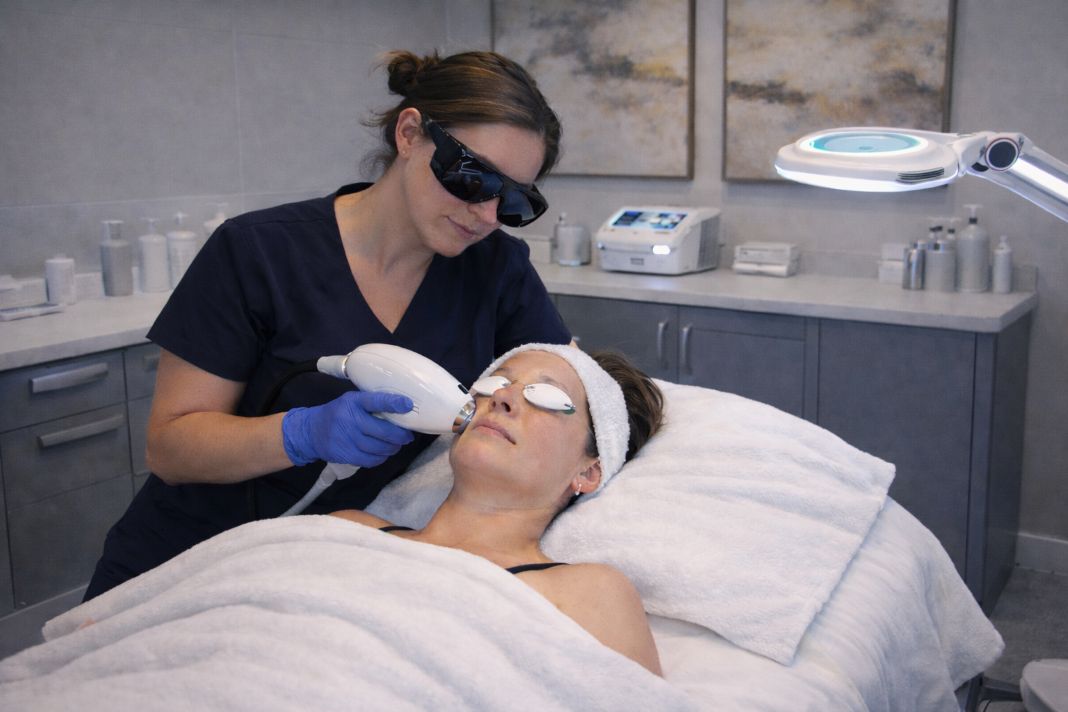
Assessing Suitability: When Is Advanced Technology Appropriate?
Advanced aesthetic technology is not universally required or appropriate. Clinical assessment plays a important role in determining when such treatments benefit the patient.
Consider the following steps in a clinical setting:
- A structured consultation reviews the patient’s medical history and present concerns.
- Clearly defined clinical guidelines inform suitability, taking into account any contraindications or potential risks.
- The practitioner matches available technology with the specific indication, rather than defaulting to the latest device.
- Informed consent is sought, highlighting potential benefits, limitations and expected outcomes.
Risks of inappropriate use can include unnecessary exposure to treatment or a mismatch between patient needs and device strengths. At Future Care Medical, patient suitability forms part of a structured protocol, ensuring that technologies are only applied where clinically indicated. This process supports both safety and effective results.
Clinical decision-making in this context focuses on personalisation, not novelty. For some concerns, established procedures may offer equal or better outcomes compared to advanced alternatives.
Pro Tip: Always verify that your chosen clinic operates under regulatory oversight for safety and reliability.
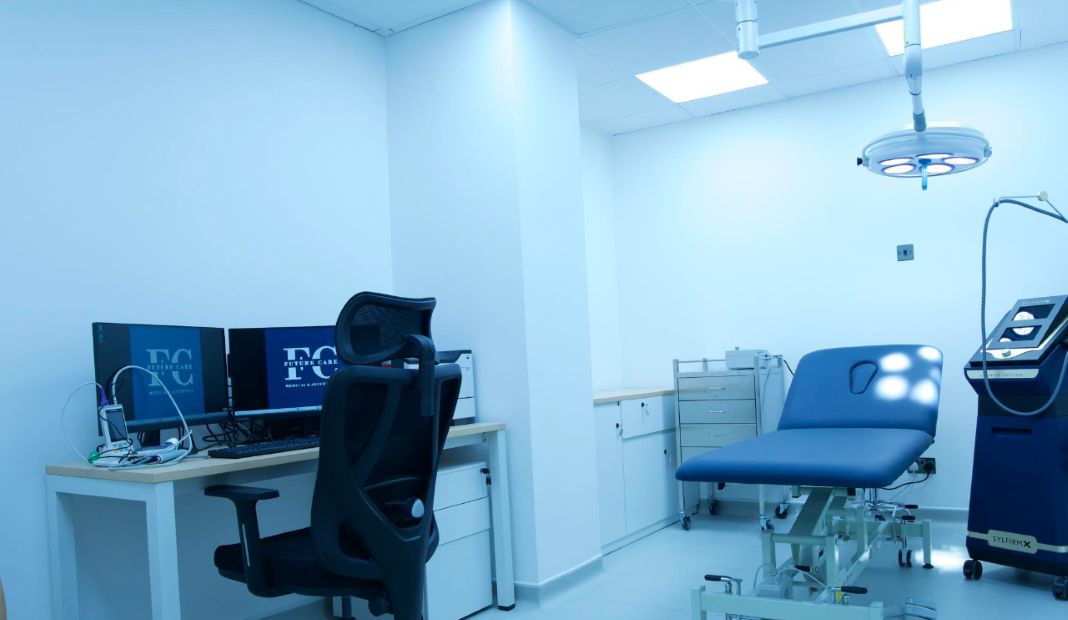
Clinical Oversight and Safety in Aesthetic Treatments
Medical oversight provides a critical layer of safety in aesthetic treatments, particularly when advanced devices are involved. Consultant-led protocols, as practiced at clinics such as Future Care Medical, ensure that treatment selection and administration adhere to best practice and regulatory standards.
Key safety measures in clinically regulated environments include:
- Doctor-led treatment protocols and review of patient suitability
- Devices regulated by the Medicines and Healthcare products Regulatory Agency (MHRA)
- Full monitoring for potential adverse events
- Clear pathways for patient communication and follow-up
Care delivered within a regulated medical clinic offers oversight that goes beyond the technology itself. This ensures that both routine and advanced procedures are performed with full attention to safety, consent and result monitoring.
Regulatory bodies relevant to aesthetic technology:
- General Medical Council (GMC)
- Medicines and Healthcare products Regulatory Agency (MHRA)
Seeking care within a framework guided by these standards helps protect patients and supports consistent outcomes.
Practical Considerations: Cost, Access, and Expectations
Practical aspects often inform a patient’s decision about pursuing advanced aesthetic treatments in a central London clinic. Understanding cost structures, appointment logistics and likely timelines helps set realistic expectations.
Appointment durations are typically twenty to sixty minutes, depending on the technology and procedure. For many City-based professionals, clinics that offer rapid-access appointments and flexible booking are preferable. Future Care Medical, located on London Wall, is designed to accommodate patients needing swift, consultant-led care near major transport links.
Treatment pricing for advanced aesthetic technology is determined by the challenge and type of device involved. For example:
- Fotona 4D laser treatment: £530.00 per session
- SylFirm X radiofrequency microneedling: £620.00 per session
- LED Dermalux therapy: £90.00 per session
Many treatments require a series of appointments for best results, and visible improvement may develop gradually over several weeks, rather than immediately. Transparent communication during the consultation helps manage expectations around value and outcome.
Patients should attend an initial consultation to discuss suitability and obtain a tailored cost estimate, ensuring that any financial decision rests on clearly understood clinical benefit rather than device novelty alone.
Making Informed Decisions About Aesthetic Technology
Approaching advanced aesthetic treatments as an informed patient can help reduce uncertainty and improve satisfaction. The following checklist may support decision-making before starting a new procedure:
- Ask about the clinical evidence supporting the technology’s use for your concern.
- Request information on practitioner experience with the specific device.
- Clarify the expected number of sessions and typical timelines for visible results.
- Discuss any potential risks or contraindications relevant to your medical history.
- Seek details on follow-up protocols and how outcomes will be reviewed.
A structured clinical consultation provides space to align personal goals with available treatment options, taking into account both medical advice and individual preferences. Consistent review and open dialogue remain important throughout any treatment pathway.
A considered, evidence-informed approach helps ensure that decisions about advanced aesthetic technology are grounded in genuine clinical benefit, rather than trends or marketing narratives.
Learn More About Our Technologies
Discover our range of advanced skin and aesthetic treatments at Future Care Medical.