What Does “Doctor Led” Mean in Dermatology Clinics?
A doctor-led dermatology clinic is a medical facility where patient care, diagnosis and treatment decisions are directed by doctors, specifically those with credentials as consultant dermatologists registered with the General Medical Council (GMC). This means that the clinical pathway is designed, overseen and delivered by medically qualified professionals, rather than by practitioners without a full medical background.
Many people assume that a “doctor present” clinic is the same as a “doctor-led” clinic. However, the two can be quite different. In a doctor-led setting:
- The initial consultation, diagnosis and treatment planning are carried out by a doctor or consultant dermatologist.
- Clinical oversight is consistently maintained, with clear accountability.
- Treatment protocols reflect current medical guidelines and regulatory standards.
By contrast, some clinics may have doctors in supervisory or occasional roles, while day-to-day care is delivered by non-medical practitioners or therapists. Patients may not always be seen or assessed by a doctor at every stage.
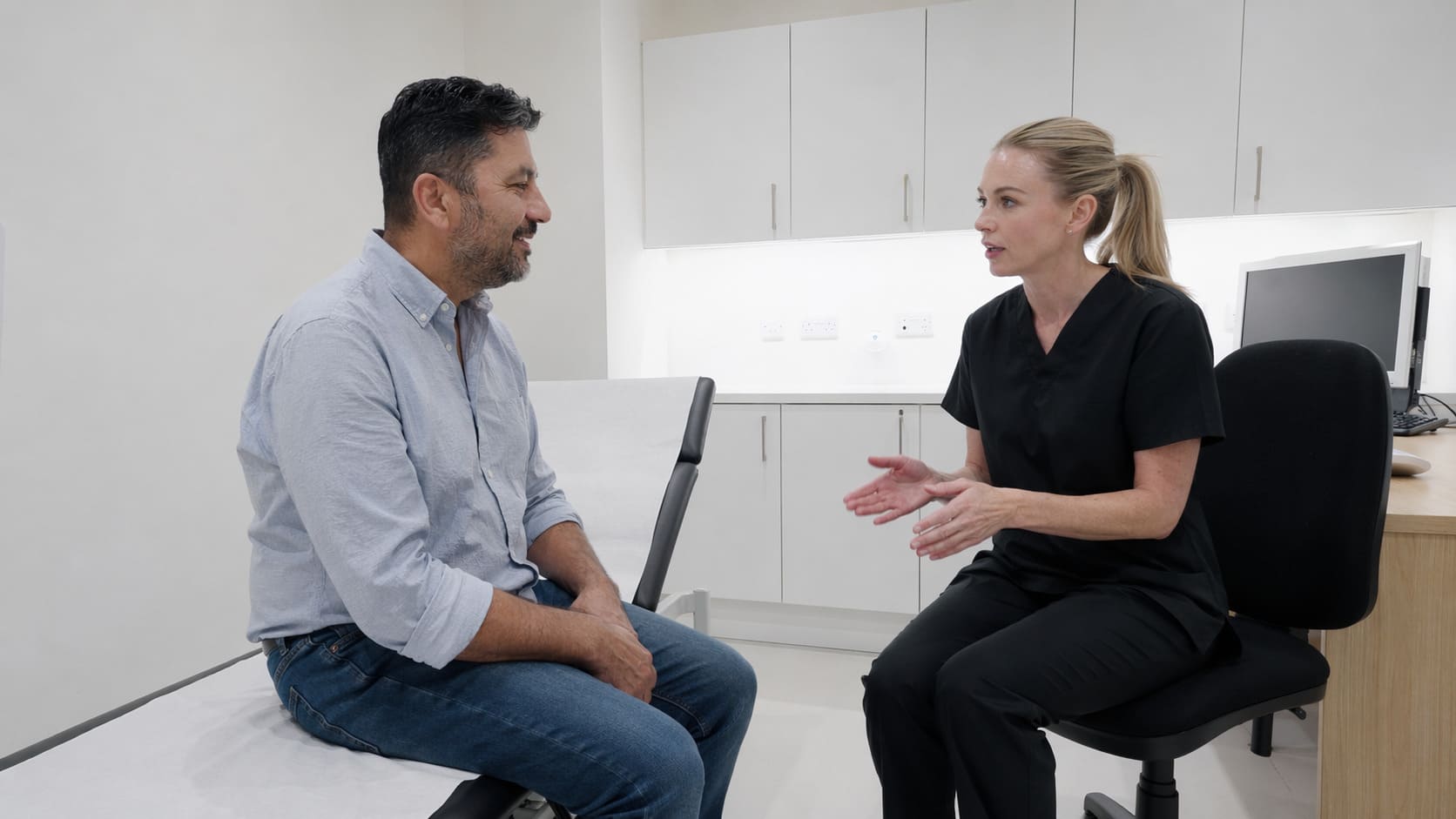
For example, in a doctor-led clinic, a new patient presenting with a changing mole will see a medically qualified dermatologist from the start. This ensures that clinical judgement, diagnosis and any onward referrals are managed immediately and directly.
Here's What We Have Covered In This Article
Why Does Doctor Leadership Matter in Dermatology?
Doctor leadership shapes every aspect of care in dermatology, from making an accurate diagnosis to planning and adjusting treatment when skin conditions are complex or ambiguous.
Even common symptoms, such as persistent rashes or subtle pigmentation changes, sometimes require expertise to differentiate between benign and more serious conditions. Doctor-led dermatology care provides several advantages:
- Improved diagnostic accuracy Doctors trained in dermatology are skilled in recognising a wide spectrum of skin conditions, including rare and atypical presentations. Their training and continual professional development help reduce the risk of oversight.
- Appropriate treatment planning Treatment protocols in doctor-led clinics are founded on evidence and current NHS or British Association of Dermatologists guidelines. This helps to ensure that options are clinically appropriate for the patient’s medical history.
- Management of complex cases If a condition does not respond as expected, or if there are signs of escalation (such as infection or rapid lesion growth), a doctor can initiate urgent investigations or access other specialists through established escalation pathways.
- Continuity and integration of care Doctor-led clinics are well positioned to coordinate ongoing follow-up, monitor treatment effectiveness and adapt plans as needed.
For a central London professional, this means that concerns are handled promptly, with clear clinical logic and an ability to respond to changes in the clinical picture.
Pro Tip: Check the CQC inspection status online to ensure your chosen clinic meets current medical care standards.
Book a Consultation
Speak directly with a consultant dermatologist for a tailored assessment in central London.
How to Identify If a Clinic Is Truly Doctor Led
To make sure a dermatology clinic in London is genuinely doctor led, follow a clear verification process.
- Check doctor credentials Ask if the consultant leading your care appears on the GMC specialist register in dermatology. You can use the GMC’s online register for confirmation.
- Verify direct involvement Confirm that your consultation and treatment will be carried out, or directly overseen, by the doctor, and not just supervised from a distance.
- Review inspection and regulation status Look for confirmation that the clinic is regulated by the Care Quality Commission (CQC), which regularly inspects and rates service standards.
- Ask about clinical pathways Query who is responsible for diagnosis, treatment decisions and follow-up. Genuine doctor-led clinics are transparent about clinical processes and escalation protocols.
For each of these steps, do not hesitate to request clarification in advance of your appointment. Doctor-led clinics are accustomed to providing this information and will have clear answers regarding clinician qualifications, patient safety protocols and regulatory compliance.

What to Expect from a Doctor-Led Dermatology Appointment
In a doctor-led dermatology clinic, the patient experience is structured to ensure clinically strong assessment and clear communication throughout.
Initial consultation Your visit typically begins with a detailed review of your medical history, including current concerns, prior skin issues and any treatments already tried.
Clinical assessment A consultant dermatologist conducts a physical examination, which may include use of a dermatoscope or other diagnostic tools. Specialist assessment helps identify subtle signs often missed in brief screenings.
Diagnosis and treatment planning The doctor discusses findings, explains possible diagnoses and outlines treatment options. Clinical recommendations are based on evidence and tailored to your individual health status.
Shared decision-making You are fully involved in discussing risks, benefits and preferences regarding treatment approaches. The doctor addresses questions and helps you weigh options.
Follow-up and ongoing care Doctor-led clinics provide structured follow-up, which may involve monitoring treatment response, undertaking further investigations or adjusting your care plan. For professionals working in the City of London, clinics often offer flexible scheduling to fit around demanding diaries.
This process ensures that medical oversight is maintained at every stage.
Pro Tip: Always confirm whether your first appointment guarantees direct assessment by a GMC-registered dermatologist.

Common Misconceptions About Doctor-Led Dermatology Clinics
Several myths can cloud understanding of what it means for a clinic to be doctor led:
- Misconception: “Doctor supervision” is the same as “doctor led” In reality, supervision may involve a doctor overseeing from a distance, while doctor-led care means a doctor is directly involved in assessment and decision-making.
- Misconception: Only doctors provide care in these clinics A doctor-led clinic may have nurses or practitioners performing specific tasks, but diagnosis and clinical decisions rest firmly with the doctor.
- Misconception: Doctor-led clinics must be more expensive or exclusive Costs can vary across London clinics, but “doctor led” describes structure and oversight, not fee level.
- Misconception: All private dermatology clinics in London are doctor led Some clinics focus on aesthetic treatments and may not have full doctor involvement. Always confirm qualifications and clinical governance.
Correcting these assumptions helps patients make better-informed choices and avoid misunderstandings that could impact their care.
The Role of Regulation and Accreditation in London Dermatology Clinics
Regulation and accreditation play a central role in upholding standards and protecting patient safety across London dermatology clinics.
Care Quality Commission (CQC) All clinics delivering medical treatments must be registered with the CQC, which inspects clinics for governance, safety and quality of care. CQC inspection reports are publicly available and offer insight into the operational standards of a clinic.
General Medical Council (GMC) Doctors practising dermatology must be registered with the GMC, and those leading clinics should be on the specialist register for dermatology. This demonstrates formal training and ongoing professional oversight.
British Association of Dermatologists Membership is a marker of professional engagement and adherence to clinical guidelines, although it is not mandatory.
Patients should look for visible evidence of regulation and registration before booking. These credentials support trust in the clinic’s approach, though no regulatory process guarantees a specific outcome.
Request Flexible Appointments
Our central London clinic offers appointments tailored to your professional schedule.