What is the fastest way to get a skin lesion removed in London?
In London, one of the quickest ways to have a skin lesion checked and potentially removed is by visiting a private dermatology clinic. Many offer appointments within days, sometimes even on the same day. For cases where skin cancer is suspected, the NHS has a rapid referral option known as the Two-Week Wait pathway. Which option works best depends on the type of lesion, your symptoms, and how urgently a doctor feels it needs attention. If you are unsure, a GP or private specialist can advise based on what the lesion looks like and how it is behaving.
Here's What We Have Covered In This Article
Why speed matters when you are worried about a skin lesion
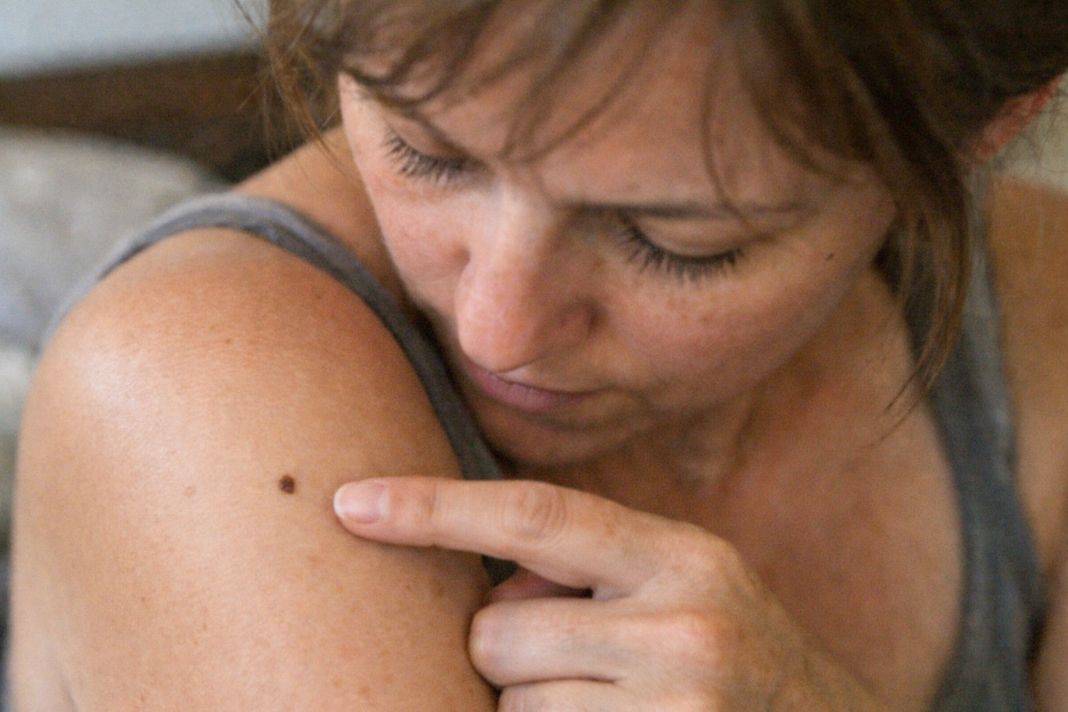
It often starts with a glance in the mirror or under the shower. You notice something about your skin looks different. A new mark appears, a raised area emerges, or a mole seems to have changed. That moment can trigger worry. You might ask yourself: does it need checking? How fast should I act?
Wanting quick answers is completely normal. In most cases, the worry comes from not knowing what you are dealing with. That does not mean it is serious. It simply means clarity is needed. London’s health system offers a variety of dermatology access points. Some people are seen promptly, while others wait longer. This guide helps you understand why timelines differ and how to choose a route that suits your needs.
Pro Tip: Even private clinics may refer you to the NHS if a lesion looks suspicious, and that’s a sign of good practice.
Book a Same-Day Skin Check
Worried about a mole or skin lump? Skip the queue and get a same-day consultation with a London dermatologist.
How the type of skin lesion affects the route and the waiting time
Skin lesions do not all follow the same track. What lies underneath the skin, or what the lesion appears to be, plays a major role in how quickly you are seen.
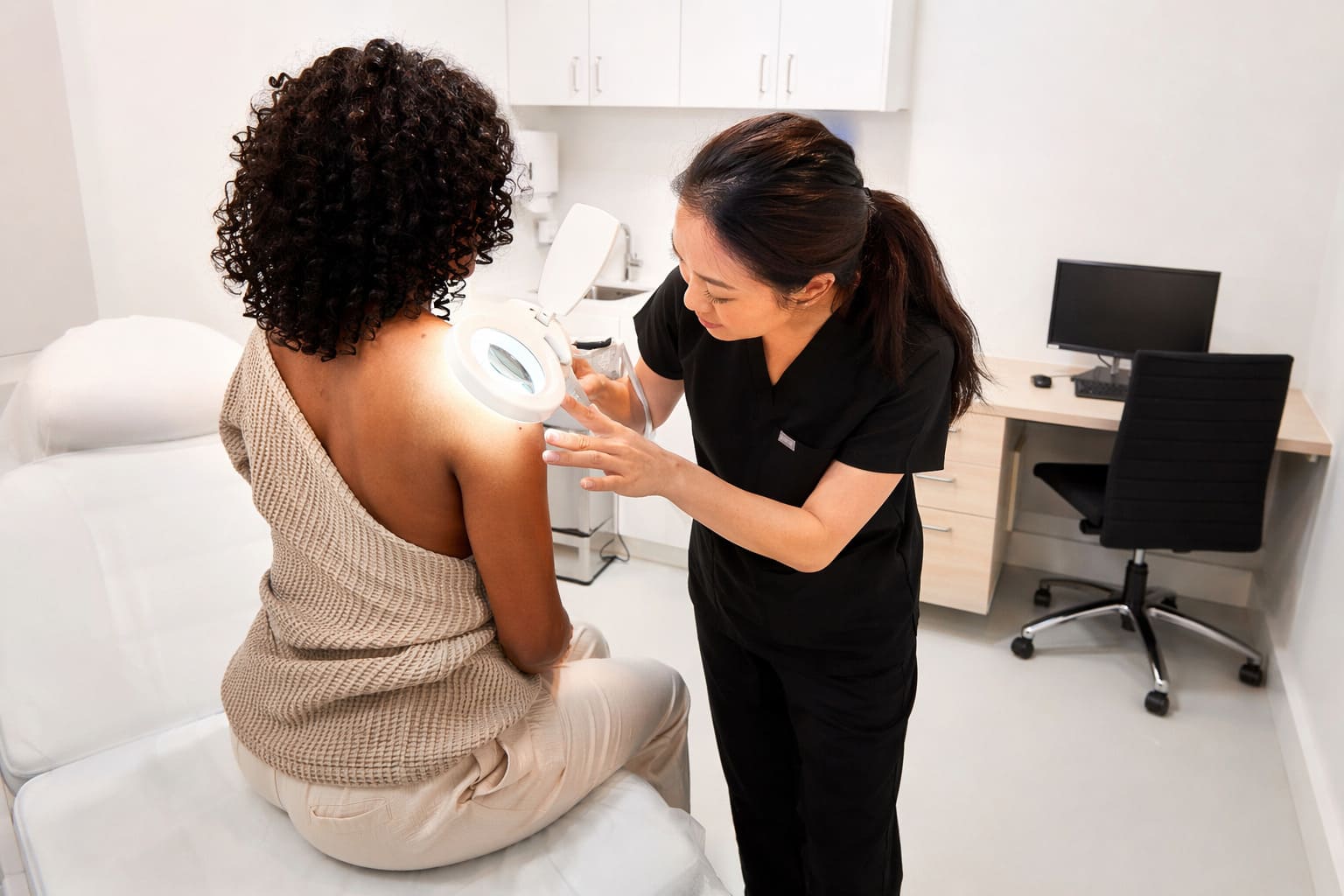
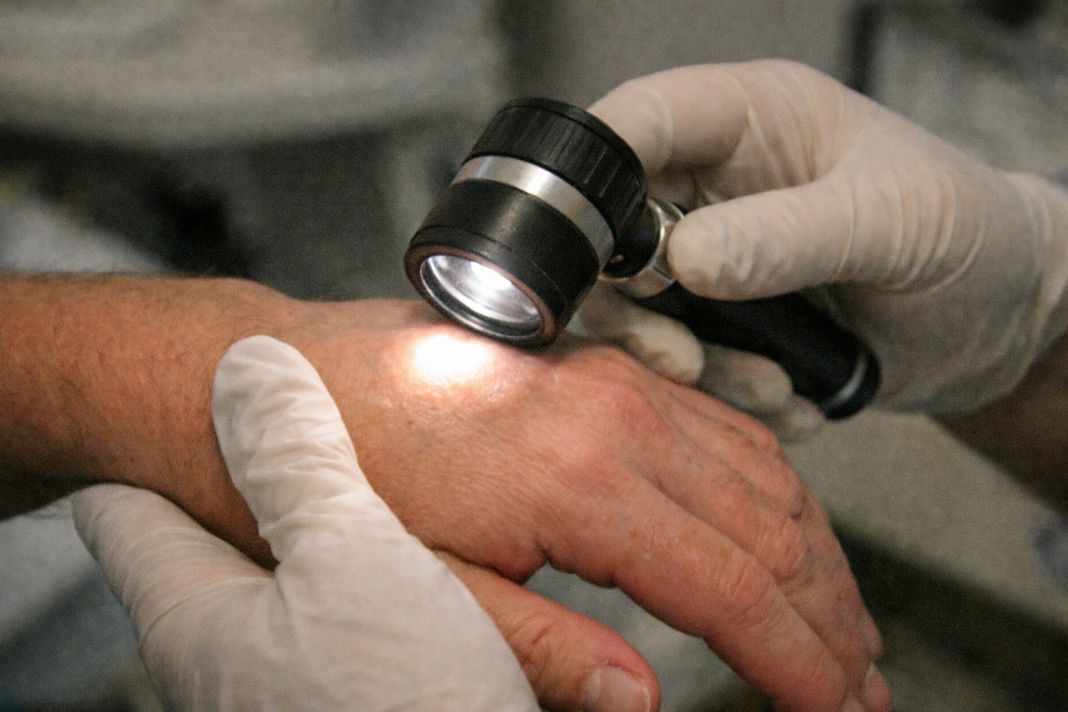
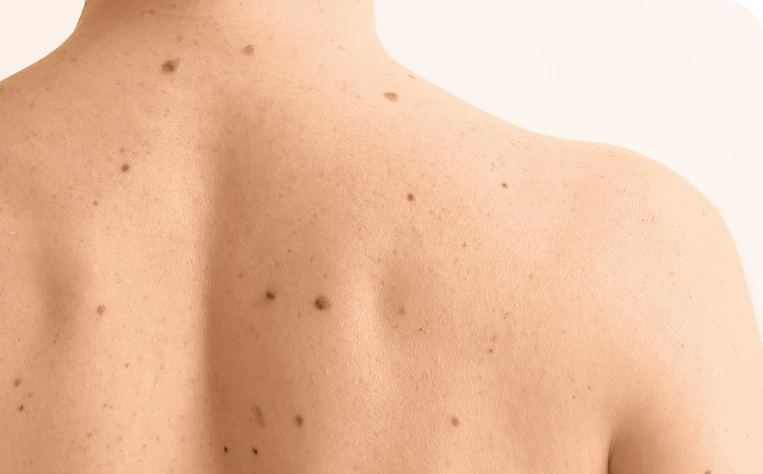
Something harmless, such as a skin tag, cherry angioma or a sebaceous cyst, might not need urgent attention. However, a mole that is darkened, growing, or has an irregular border could raise clinical concern. GPs assess this during your appointment using visual checks and sometimes tools like dermatoscopes. If the lesion is suspicious or unclear, the referral is usually marked as urgent.
This explains why two people with what appear to be similar growths might follow very different timelines. Understanding the difference between a benign lump and a suspicious skin concern helps set realistic expectations.
The fastest NHS pathway: when the Two-Week Wait referral applies
The NHS offers a dedicated route called the Two-Week Wait (2WW) pathway for suspected cancer cases, including skin cancer. This ensures patients are seen by a consultant dermatologist within 14 calendar days of GP referral.
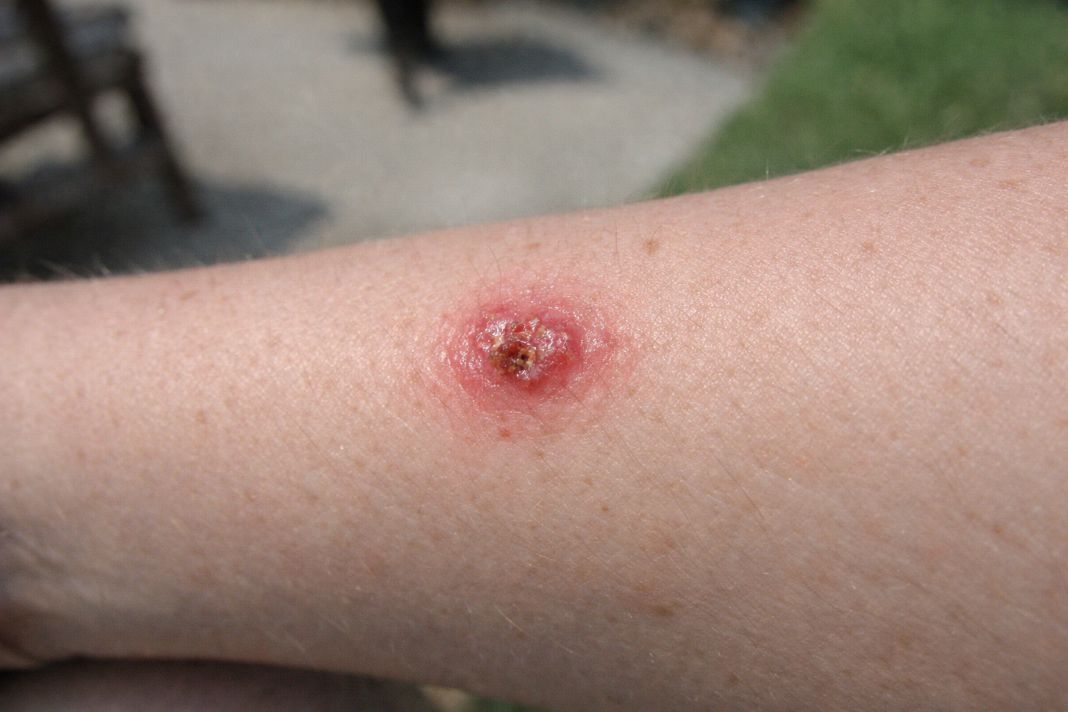
GPs follow clinical guidelines to determine whether a lesion has features that fit the criteria. These include asymmetry, irregular borders, varied colouring, size changes, or bleeding. This pathway is precautionary. Being referred does not mean you have cancer. It means the lesion needs expert review quickly.
Once referred, you are seen in a hospital dermatology department. This is often followed by further imaging, biopsy, or a minor procedure if needed. This rapid triage system helps ensure high-risk patients are seen in time.
Routine NHS dermatology referrals: why they often take longer
If your lesion does not raise clinical concern or is judged to be benign, the GP may refer you through routine dermatology pathways. These referrals are still important but are placed lower in the system’s prioritisation.
In London, waiting lists for non-urgent dermatology appointments can be several weeks to months long. Services prioritise high-risk or urgent cases. Non-symptomatic or cosmetic concerns are usually pushed further down the queue. Funding limitations, clinic capacity, and workforce shortages also contribute to delays.
Patients sometimes wonder why a simple mole can take so long. The answer lies in how the NHS applies triage thresholds based on risk, not just concern. This is why routine referrals follow a slower timeline.
How GP access affects your speed – and what you can do calmly
The first step in both NHS and many private pathways is GP access. In London, general practices vary widely in how quickly you can be seen.
To help the process, contact your practice early in the day and use online tools if available. Be ready with clear information: when the lesion appeared, any changes, associated symptoms such as itching, pain, or bleeding, and whether it is affecting your daily life. Clinical photographs taken in good lighting can also help the GP assess urgency.
Some surgeries now offer digital triage or e-consult platforms where patients can submit photos and written details. Using these calmly and accurately may speed up your GP referral for a skin concern, especially when describing your symptoms clearly.
Pro Tip: Photos taken in good lighting can help your GP or dermatologist triage your concern faster.

Private same-day or same-week skin lesion removal in London: what to expect
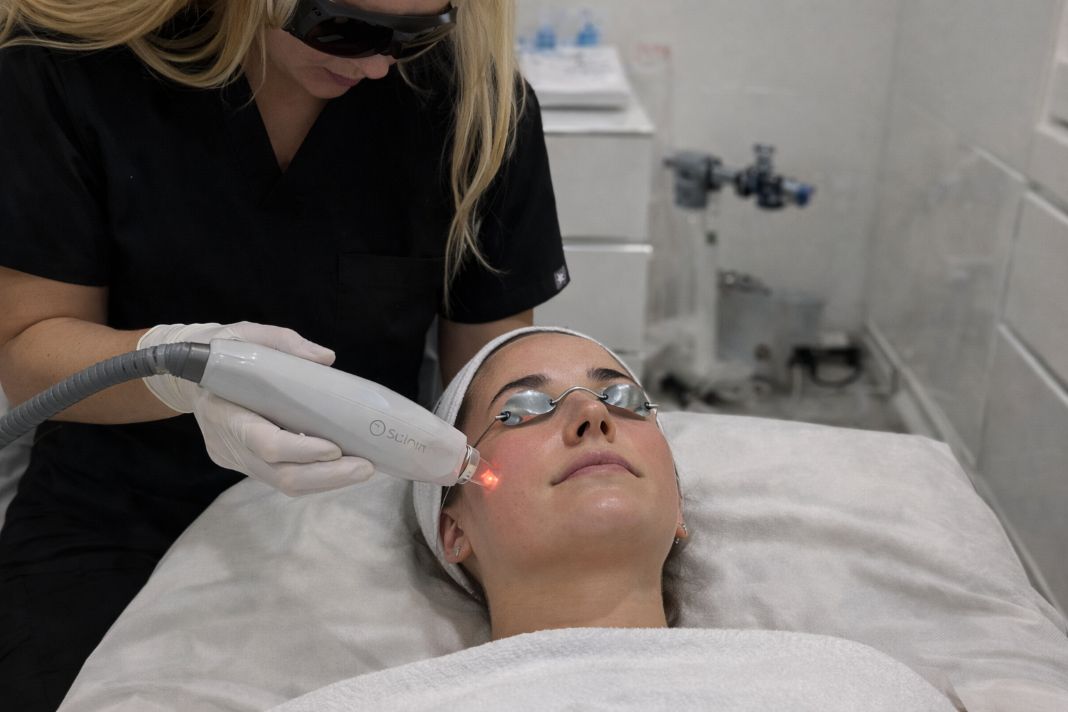
Private dermatology services in London often offer same-day or same-week access. Clinics use a streamlined approach known as “see and treat,” meaning assessment and removal may happen in a single visit if deemed safe.
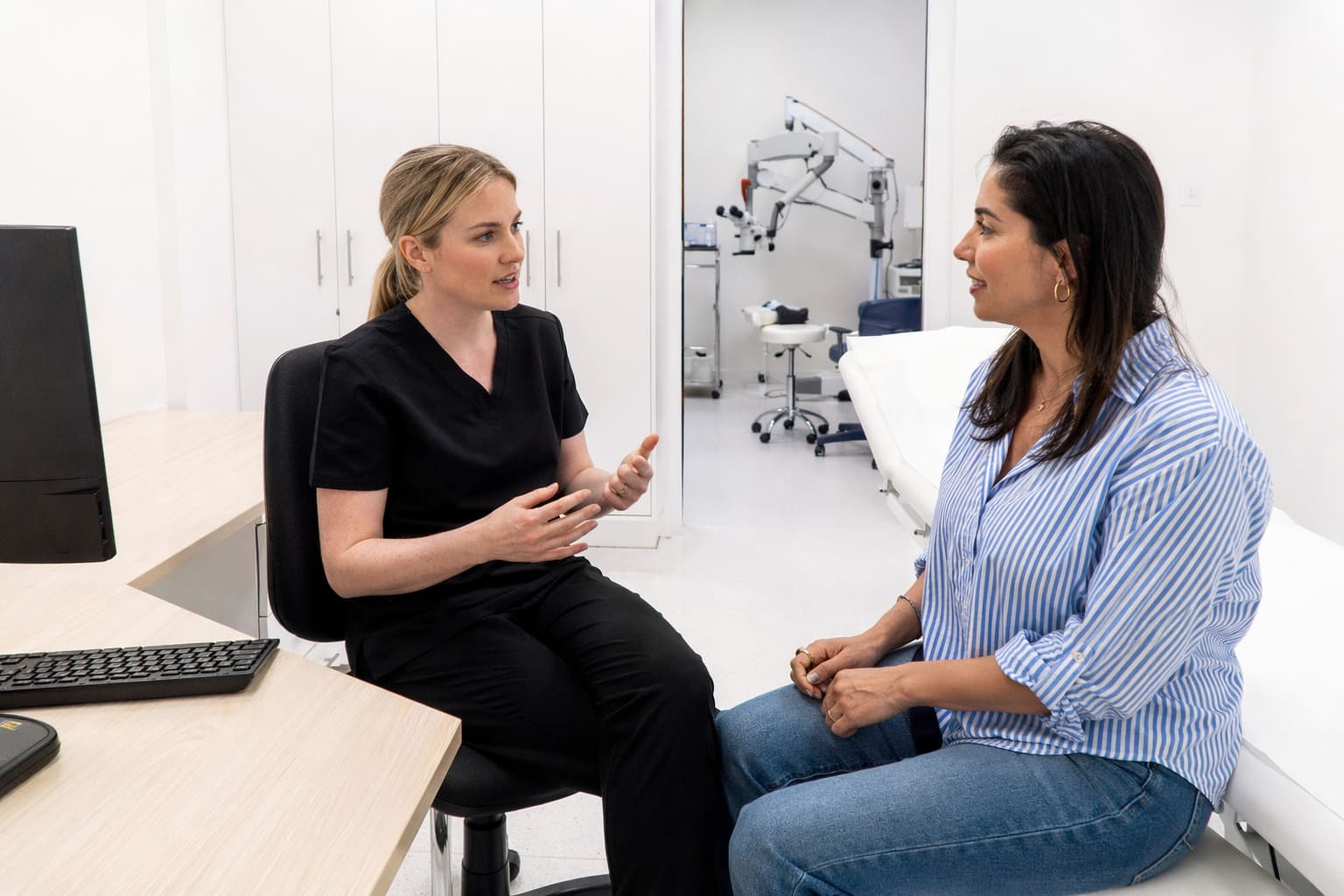
A consultant dermatologist will examine the lesion, explain the options, and proceed with minor surgery if appropriate. Commonly removed growths include benign moles, seborrhoeic keratoses, lipomas, skin tags, and cysts. You will receive aftercare guidance. If tissue is sent for biopsy, results usually return within days.
These services are self-funded or covered by insurance. Clinics like Future Care Medical offer professional minor surgery and skin lesion removal services performed by experienced doctors in a safe, sterile environment. Using precise surgical techniques such as excision or shave removal, their team aims for minimal scarring and good cosmetic results. Each treatment begins with a consultation and clinical assessment to determine the best approach. Whether your concern is medical or cosmetic, Future Care Medical provides fast, effective care with lasting outcomes.
When a private clinic may not remove a lesion immediately
Private clinics may delay or decline same-day removal for safety or medical reasons. If a lesion looks clinically suspicious, a biopsy may be needed first or you might be referred into the NHS 2WW pathway for cancer rule-out.
Certain lesions may require specialist techniques or histological confirmation before removal. Your past medical history, use of anticoagulants, or specific lesion features such as location or size may also mean treatment is deferred.
In these cases, your dermatologist will explain the next steps and provide referral documentation if needed. Ethical clinics prioritise patient safety and follow risk-based triage regardless of timing.
Unsure What to Do Next?
Get expert advice on whether you need NHS or private care for your skin concern, without pressure.
How to access services quickly and responsibly
Here are practical steps to take:
- Contact your GP early in the day. Mention how long the lesion has been present and what has changed. Ask if digital triage is available.
- Take clear, well-lit photos of the lesion. Jot down symptoms or changes.
- Book directly with a private service if needed. Clinics like Future Care Medical allow quick online bookings with transparent pricing.
Responsible access means using the right services, at the right time, in the right way. If you are searching for how to book a skin lesion consultation in London or speak to a dermatologist quickly, these steps help guide you forward.
Final reassurance: getting the right help at the right time
Most skin lesions are not dangerous. However, if something looks different, feels wrong, or starts changing, seeking medical advice is wise.
London’s healthcare system provides multiple access points. Whether you use the NHS or book privately, prompt and safe care is within reach. Acting early gives peace of mind, reduces worry, and ensures proper support.