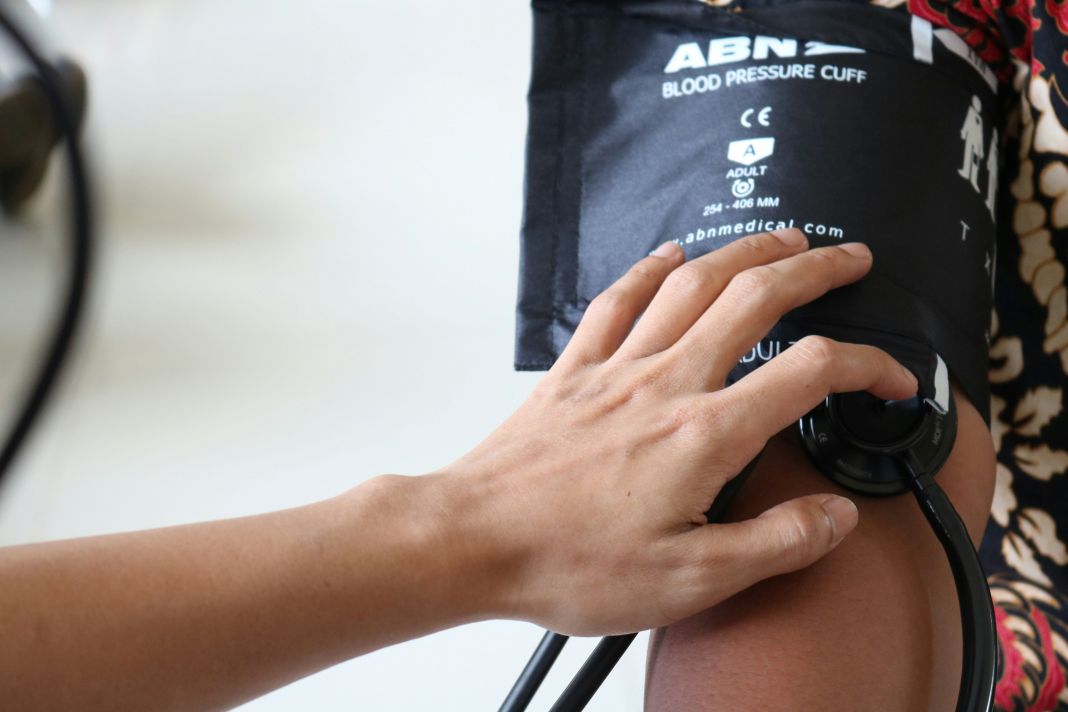
What is the best time to invest in a health assessment?
The most beneficial time to invest in a health assessment often depends on your age, lifestyle, and overall risk profile. Taking action earlier typically delivers better outcomes. Health checks are most useful as preventive tools rather than reactive measures. In your 20s, 40s, or later years, there are personalised ways to stay ahead of health concerns and make informed choices.
Here's What We Have Covered In This Article
Why Your Health Timing Matters More Than You Think
Waiting until symptoms show up can lead to increased costs and reduced treatment options. The earlier you act, the more opportunities you have to manage emerging risks. It’s similar to how savings grow with compound interest – small steps now can lead to major benefits over time.
Many people believe health checks are only necessary when they feel unwell. In reality, many conditions progress quietly. Preventive healthcare and asymptomatic screening can uncover problems such as high blood pressure, high cholesterol, and early signs of diabetes before they become serious.
Different stages of life present different health risks. The NHS Health Check programme, NICE guidance, and WHO global prevention guidelines all support early and appropriate testing based on age and personal factors. Timing optimisation is part of long-term wellness planning.
Misconception to avoid: The idea that private checks are only for people who already have symptoms is incorrect.
A question often asked: If you wait until your 50s, is that too late? While it’s not too late, you might lose the chance to spot manageable issues early. A health check shows where you currently stand and allows you to plan with confidence.
Pro Tip: Silent risks like high blood pressure or early diabetes often appear without symptoms. A baseline now makes future comparisons far more valuable.
Book Your Private Health MOT Today
Take control of your health with a full body assessment built around your life stage and goals.
Health Assessments in Your 20s and 30s: Setting the Baseline Early
You’re 28, feeling fine – but should you get checked?
The short answer is yes. These years are an ideal time to gather benchmark health data. It helps create a reference point for future monitoring and reveals early changes.
During your 20s and 30s, your lifestyle may shift rapidly. Irregular hours, increased stress, reduced exercise, and dietary fluctuations are common. These changes can have long-term effects if left untracked.
Useful assessments in this age group include:
- Blood pressure and cholesterol levels
- Hormonal balance
- Stress-related markers
- Mental health screening
- Entry-level private health MOT or biometric baseline tests
Although mental wellbeing is highly relevant, it is often not prioritised by young adults. A health MOT, even a shorter one, can offer early insights into silent risk factors.
Organisations like the British Heart Foundation and Bluecrest Wellness encourage early biometric tracking. Public Health England also advocates detecting subclinical indicators and lifestyle-driven health drift before symptoms occur.
Midlife Health Checks (40s–50s): Detect What You Can Still Change
What health checks should I prioritise in my 40s or 50s?
In midlife, many health issues start to show. Lifestyle-related conditions like heart disease and type 2 diabetes become more common. The NHS offers a Health Check from age 40 to 74, but private assessments often provide greater detail.
Key checks to consider:
- Heart function tests such as ECG, blood pressure, and cholesterol
- Metabolic health including glucose levels, liver function, and insulin resistance
- Screening for cancers relevant to age and gender
- Family history review and genetic predisposition checks
- Predictive value of early diagnostics for lifestyle diseases
By your late 40s or early 50s, annual reviews are often advisable, especially if personal or family risk is high. Private clinics like FCM, Echelon, and Bluecrest provide rapid, in-depth diagnostic packages for midlife risk.
Reflective question: Could delaying action now affect your future options? This is the time to take meaningful steps while you still have control over outcomes.

In Your 60s and Beyond: Monitor, Maintain and Plan Ahead
How often should you get a health check in later life?
From your 60s onwards, the aim shifts from prevention to management and maintenance. Regular checks can identify signs of decline early and help you stay independent for longer.
What to monitor at this stage:
- Memory and brain function
- Bone health and hormonal balance
- Physical strength, balance, and frailty risk profile
- Continued screening for cardiovascular and cancer risks
Services such as Bupa Mature Health and guidance from Age UK and the Alzheimer’s Society recommend structured check-ups. These assessments support ageing well by helping you prepare and make informed choices about later-life health plans.
They also offer emotional reassurance. Knowing where you stand can reduce anxiety and support better planning for autonomy and quality of life.
Pro Tip: Don’t wait until you feel ill. The right health check today can prevent years of avoidable complications.

How to Know Which Stage You’re In – and What to Do Next
Not sure whether you’re due for a check-up?
Ask yourself these questions:
- Are you over the age of 40?
- Is there a history of serious illness in your family?
- Have your habits or energy levels changed recently?
- Has it been more than three years since your last health check?
If you answered yes to three or more, you are likely due for an assessment.
How often to check:
- Under 40: every 3 to 5 years, unless symptoms arise
- Between 40 and 60: every 1 to 3 years, depending on lifestyle and risk
- Over 60: yearly or every 18 months, based on individual health profile
Many people delay because they feel healthy. However, screenings identify risks that are invisible in the early stages. NHS and BHF research consistently supports early detection as a cost-saving and life-saving measure.
Why Future Care Medical Is Designed for Health-Conscious Professionals
Future Care Medical (FCM) is designed to offer a premium, fast, and insightful approach to health screening. It suits individuals who want comprehensive results without long waits.
Here’s what FCM provides:
- A 97-page report covering detailed diagnostics and lifestyle metrics
- Appointments and consultations led by GPs
- Regulated UK-based service with CQC registration
- Swift turnaround and practical advice for busy professionals
It is an option built for individuals who value detailed clarity, continuity of care, and personal health empowerment.
Not Sure Where to Start?
Find out if you’re due for a check-up and which package fits your needs in under 2 minutes.