What are the early signs that you may need a Vitamin B12 booster?
Have you been feeling off for a while, without knowing why? Persistent tiredness, foggy thinking, or a drop in mood can sometimes be linked to low Vitamin B12. These signs often blend into daily life, so they are easy to overlook, but catching them early can really help.

Here's What We Have Covered In This Article
Why These Early Signs Matter
Imagine your body in battery saver mode. It still runs, just less smoothly. That feeling of waking up groggy, struggling to stay focused, or missing your usual spark might be your body’s way of telling you something is off.
Many people put these changes down to stress or a busy lifestyle. That is understandable. However, when they become consistent rather than occasional, it is worth paying attention. Factors like diet, stress, and nutrient absorption all influence B12 levels. The upside is that once you are aware of them, these signs are often manageable.
What Vitamin B12 Does for Your Everyday Wellbeing
Vitamin B12 is one of several important B vitamins your body relies on for daily function. While all B vitamins play roles in energy metabolism and cell health, B12 is especially crucial for brain, nerve, and blood function.
Vitamin B12 plays a quiet but important role behind the scenes. It converts food into energy, supports the brain and nerves, and helps form red blood cells that transport oxygen.
When your B12 is at healthy levels, you are more likely to feel alert, emotionally steady, and mentally sharp. If it dips, you may notice changes to your energy, mood, or general wellbeing. Even small drops can affect daily life.
Why Low B12 Can Happen (And Why It’s More Common Than People Think)
The NHS and UK diet guidelines both highlight the importance of getting enough Vitamin B12 through food or supplements. In the UK, meat, dairy, and fortified products remain the main dietary sources.
Low B12 is more common than many people realise. It can creep up due to skipped meals, dietary changes, or simply a hectic lifestyle. People who eat less meat or dairy might not get enough from their food. As we age, our ability to absorb B12 can also change, and digestive issues may reduce absorption further.
If you follow a plant-based or vegan diet, you might need to get B12 from fortified foods or supplements. NHS advice highlights how frequent this issue is. It is not about doing something wrong, it is about knowing what your body might need.
Who’s Most at Risk of Low B12?
Some groups are more likely to experience low B12 levels, even without major health issues. This includes:
- Adults over the age of 60
- People with digestive conditions such as coeliac disease or Crohn’s
- Those following vegan or mostly plant-based diets
- Anyone with a history of gastric surgery or long-term use of certain medications (such as proton pump inhibitors)
- Individuals with limited intake of animal products
These factors can all reduce either your intake of B12 or your body’s ability to absorb it effectively. In many cases, this stems from absorption issues that are easy to overlook, such as age-related digestive changes or interactions with certain medications. Awareness helps ensure these risks are managed with the right support.
Pro Tip: Always track your energy and focus patterns over weeks, not just days.
Book Your B12 Booster Today
Start feeling more like yourself with a quick, professional B12 injection.
Why Early Signs Are Easy to Miss
The signs of low B12 can feel ordinary, such as tiredness, low mood, or trouble focusing. Since they show up gradually, they often get brushed off as part of life.
However, if these changes become a pattern, it might be time to take a closer look. Has your energy shifted, even when life is less hectic? Has your focus or mood dipped over time? Spotting trends like this can help you respond early.

Sign 1: Persistent, Unexplained Fatigue
You are getting enough sleep, but still feel low on energy. Mornings are slow, and everyday tasks feel harder than they should. This kind of tiredness does not seem to match your daily demands.
B12 plays a role in creating healthy red blood cells, which carry oxygen through your body. If your levels drop, you might feel sluggish, even with good rest.
Sign 2: Brain Fog or Difficulty Focusing on Daily Tasks
You keep rereading the same line or forget why you walked into a room. Brain fog feels like thinking through mist.
You may feel slower when making decisions or find it hard to concentrate. B12 supports nerve function and mental clarity, so a drop can make your thinking feel fuzzy.
Sign 3: Feeling Lower in Mood or ‘Not Quite Yourself’
You might feel flat, more irritable, or simply not like yourself. These emotional shifts can be subtle and gradual, which makes them hard to spot at first.
B12 plays a part in supporting mood. Low levels do not cause low mood outright, but they can quietly influence how you feel.
Sign 4: Tingling, Pins and Needles, or Mild Numbness
Tingling in your hands or feet, without a clear reason, might be your body’s nerves trying to alert you. Some describe the sensation as fizzy or lightly buzzing.
B12 supports the nervous system. When levels are low, signals do not travel as efficiently, which can lead to these strange sensations.
Sign 5: Pale Skin or Small Changes Inside the Mouth
You might notice your skin looking paler, your lips feeling more sensitive, or your tongue appearing smoother than usual.
Because B12 helps your body produce red blood cells, it can affect both how you feel and how you look. These signs are easy to spot during daily routines, such as brushing your teeth.
Sign 6: Feeling Lightheaded or Slightly Breathless
Feeling faint when standing or breathless after mild activity might signal a B12 issue. It could relate to how well your body is transporting oxygen.
If B12 is low, your oxygen supply can be affected. That could explain the light, floaty feeling, especially during basic movement.
Quick Symptom Pattern Checklist
These subtle symptoms can be easy to miss but are worth noticing when they form a pattern. Here are common fatigue patterns and signs that may point toward low B12:
You might recognise a few of these common low B12 signs in your day-to-day:
- Morning tiredness that lingers even after a full night’s sleep
- Trouble staying focused or remembering small things
- A flatter or lower mood than usual
- Tingling hands, feet, or occasional numbness
- Looking paler than normal or noticing a sore or smooth tongue
- Feeling slightly breathless or lightheaded doing basic tasks
Pro Tip: Consider checking B12 levels if you’re plant-based, over 60, or often fatigued.

When People Start Considering a Vitamin B12 Booster
Many people explore boosters when these signs stick around despite eating well or resting properly. Others try them if oral supplements do not seem to help.
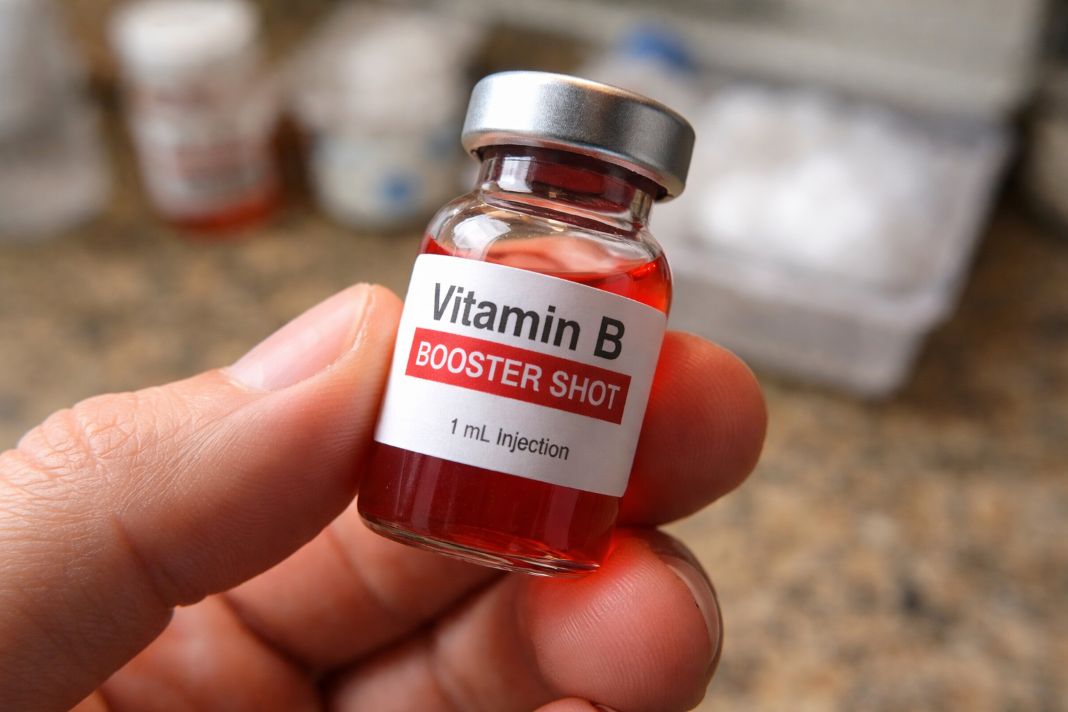
B12 boosters, often offered by private clinics, are viewed as part of a wellbeing routine. They are not a cure-all, but some find them useful in supporting energy or mental clarity.
What a B12 Booster Involves (In Simple, Reassuring Terms)
Getting a B12 booster is simple. After a short chat, a small B12 injection, usually in the arm, is given. Most describe it as a quick pinch.
People respond differently. Some feel a boost in energy or focus, while others notice no change. Either way, the process is low-fuss and generally straightforward.
When It’s Sensible to Seek Professional Advice
If signs such as fatigue or tingling persist after rest or dietary adjustments, it is wise to speak with a GP. That does not mean anything serious is wrong, it is just a way to get clear answers.
A blood test can confirm your B12 levels. From there, your GP can help you work out what support makes sense.
Learn More About Our Vitamin Support Options
Explore tailored boosters that support your energy, mood, and clarity.
How Future Care Medical Supports Patients
Future Care Medical offers B12 boosters in calm, professional clinics across London. The service is designed to feel welcoming and informative.
Each session uses methylcobalamin, a form of B12 that supports red blood cell production, nerve function, and energy metabolism. Prices are transparent and flexible:
- 1 session: £70
- 3 sessions: £189
- 6 sessions: £336
- 12 sessions: £588
Friendly consultations are available to help you decide whether a booster is right for your needs.
Understanding Your Body’s Early Signals
Your body knows when something is off, even if it takes time to realise it. These changes are not always urgent, but they deserve your attention.
Noticing early signs gives you a chance to adjust, whether that is through food, speaking with a GP, or trying a booster. The more in tune you are with these shifts, the more confident you will feel in your choices.