What are the subtle signs that you might need a mole check?
Most people only seek help when a mole looks obviously alarming. But the earliest signs of skin cancer often begin more quietly. Subtle changes in how a mole feels, looks or grows can be easy to miss and just as important. If something feels different, it is worth checking. This guide explains the quieter signs that could point to an issue.
Here's What We Have Covered In This Article
1. Why subtle mole changes often get missed
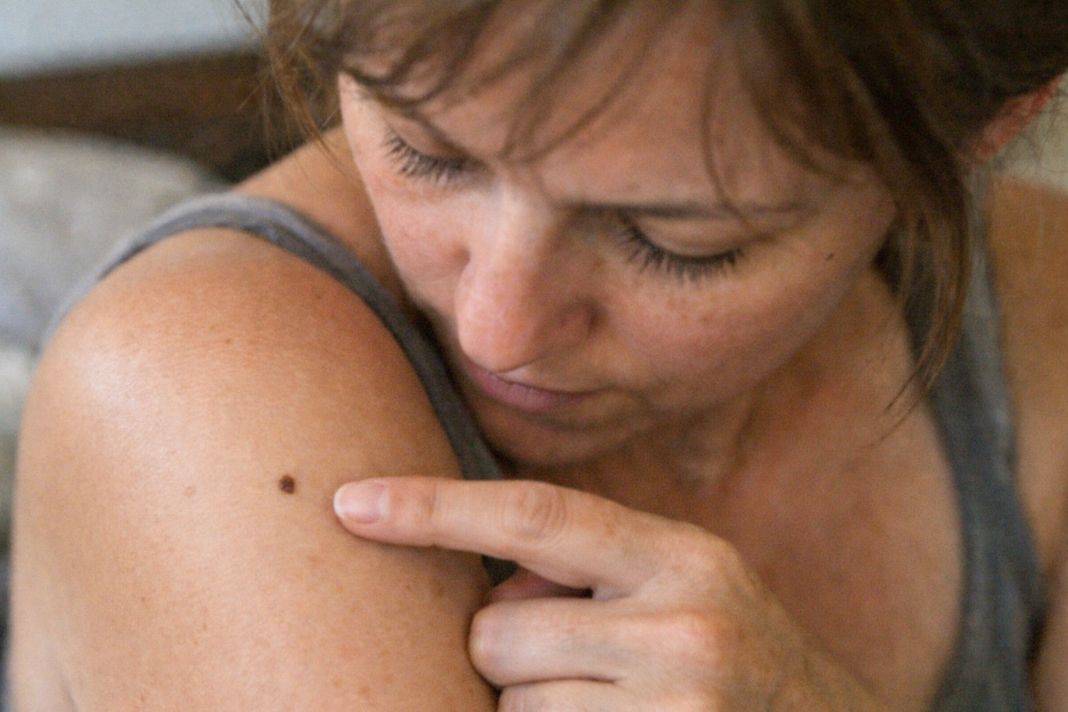
You glance in the mirror and think, “Was that always there?” When there is no pain, bleeding or irritation, it is easy to dismiss. A small change can pass unnoticed.
Many people feel unsure about raising minor concerns with a GP. Others simply forget or delay acting because it does not seem urgent.
It is also common to become so familiar with your skin that changes do not register. That is where regular skin self-checks help. Quiet shifts like a faded edge, softening shape or tiny new mark might otherwise go unseen.
Cancer Research UK and the British Association of Dermatologists stress the importance of spotting a mole that looks different or begins to evolve. Early detection improves outcomes.
Pro Tip: Use the same lighting and angle when taking photos to track mole changes accurately.
Worried About a Changing Mole?
Book a fast, professional mole screening with our dermatology experts.
2. That mild itch or tingle could be more than skin deep
A mole that starts to feel itchy or tingly might not look any different. Still, that change matters. You know how your skin usually feels. If something shifts, take notice.
These subtle sensations may come from inflammation or early nerve involvement. Even when the mole looks the same, something could be happening beneath the surface.
Melanoma UK and NHS Inform both recommend paying attention to moles that feel different, especially when the feeling lingers or keeps returning.
3. A rough patch or flaky surface that was not there before
Dry, flaky or crusty skin can seem harmless, especially if it looks like sun damage or eczema. But a new surface change on a mole deserves attention.
Here are signs to keep in mind:
- A mole starts to peel or scab without an obvious cause
- A previously flat mole develops a bump or raised texture
- The flaking disappears and comes back
If moisturisers do not help and the patch keeps recurring, it could be more than dryness. The British Skin Foundation and NICE Guidelines advise checking any lesion that will not heal or fades and returns.
4. When a mole shows more than one colour or shade
Moles with a single colour are typically normal. But if you notice new shades black, brown, red, blue or grey within the same mole, it is time to pay closer attention.
What colour variation might look like
A mole showing mixed tones might look like a patch where brown fades into black or reddish areas, or where the centre appears darker than the outer edge. Imagine the irregular speckling you see on a ripe banana or how a bruise changes colour as it fades—these subtle shifts are important.
Melanoma Focus and the NHS Skin Cancer Guide say changes in colour or uneven pigment can point to abnormal cell activity. This can help you catch something sinister early.
Pro Tip: If a mole itches or changes texture, don’t wait—book a check right away.

5. Has the border gone blurry or faded at the edges?
A healthy mole usually has a clear, defined border. If the edge begins to blur, look smudged, or fade into the surrounding skin, it could signal irregular growth.
What a faded mole border may resemble
Think of how a tea stain looks on a napkin, it is soft, smudged, and uneven around the edges. A healthy mole usually has a sharp, well-defined edge. A fading or blurred outline, like that watercolour effect, may signal irregular growth.
These changes are often gradual and missed unless you are actively checking. Cancer Research UK recommends photo comparisons to catch these shifts over time.
6. A mole that is growing slowly but looks the same size
Not all growth happens quickly. A mole might rise slightly, stretch further or change shape so slowly that you do not notice.
Watch for these signs:
- A mole that now feels raised after being flat
- An edge that extends wider than before
- A general change in shape or feel that seems new
The NHS encourages tracking mole size and shape. Subtle increases still count. Keeping a photo log, using a ruler or checking your skin every few weeks makes a big difference.
7. How to track changes and know when it is time to act
When a mole starts to change, keep a record. Take a photo and note the date. Compare every four to six weeks.
Tracking tips:
- Use the same lighting and angle for each photo
- Save the images in a dedicated album or app
- Log changes in colour, border, size, or sensation
Use the ABCDE method for mole checks
Doctors often use the ABCDE method to help identify suspicious moles:
- A Asymmetry: One half does not match the other
- B Border: Uneven, blurred or jagged edges
- C Colour: More than one shade or uneven colouring
- D – Diameter: Larger than 6 millimetres
- E – Evolving: Changing in size, shape, colour or sensation
People with a family history of melanoma or who are immunocompromised should be extra vigilant. Melanoma UK reminds us that many skin cancers start with small, subtle changes.
Private Mole Assessment Appointments Available
Get peace of mind from a qualified skin specialist without the wait.
10. Final thoughts: trusting your instincts and getting checked
If a mole is bothering you and that is whether it feels odd, looks different or just plays on your mind then listen to that instinct. You are not being dramatic.
Future Care Medical says most mole checks end with reassurance. But when further care is needed, catching it early makes treatment easier and recovery more likely.
If something is nagging at you, speak to your GP or book a private appointment. A few minutes could save you months of uncertainty.
This article is for general awareness only. Always consult a healthcare professional for any skin concerns or diagnosis.